
Afghan Taliban Supreme Leader Named in ICC Warrant Over Gender Persecution
· 49 views
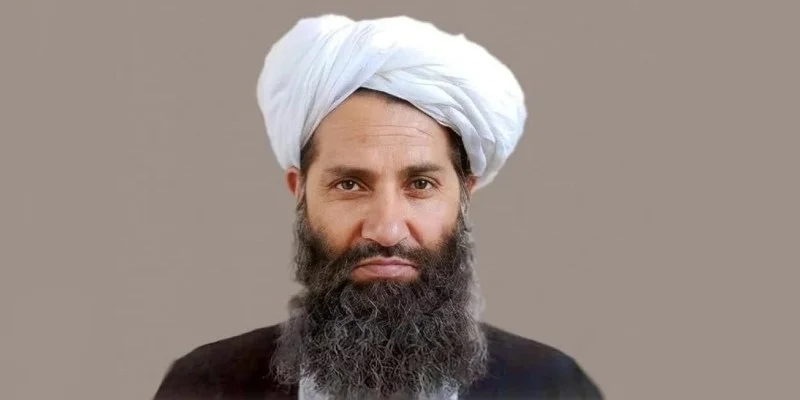
THE HAGUE (Terror Monitor) — The International Criminal Court (ICC) has released further details of arrest warrants issued against senior Taliban leaders over alleged crimes against humanity involving gender-based persecution in Afghanistan.
The court on October 5 unsealed four arrest warrants issued in 2025 against Taliban Supreme Leader Haibatullah Akhundzada, Chief Justice Abdul Hakim Haqqani, Acting Education Minister Habibullah Agha and Acting Higher Education Minister Neda Mohammad Nadim. The existence of the first two warrants had previously been made public in July 2025, while the details had remained confidential.
The ICC said its Pre-Trial Chamber II found grounds to issue the warrants over the alleged crime against humanity of persecution on gender grounds. The alleged victims include women and girls, as well as people whom the Taliban authorities perceive as not conforming to their policies concerning gender identity or expression.
The court's findings also cover people whom the Taliban allegedly perceive as allies of women and girls. The ICC prosecutor's office said the warrants recognize the experiences of people affected by what it described as systematic and institutionalized forms of discrimination.
Alleged State Policy
According to the judges' findings, the suspects allegedly participated in implementing a government policy that resulted in serious violations of fundamental rights and freedoms of Afghanistan's civilian population.
The allegations include acts such as murder, imprisonment, torture, rape and enforced disappearance, according to the material released by the court. The ICC said the alleged persecution was carried out through policies and measures imposed by the Taliban authorities after their return to power in August 2021.
The judges said that while Taliban restrictions have affected Afghanistan's population more broadly, women and girls have been particularly affected, including through restrictions on their rights to education, freedom of movement and freedom of expression.
The ICC also clarified that its interpretation of gender under the Rome Statute extends beyond a purely biological understanding of sex and includes socially constructed roles, behaviours, expectations and hierarchies associated with sex.
Taliban Rejects ICC Jurisdiction
The Taliban authorities have rejected the ICC's position and denied that their leaders have committed acts warranting arrest or punishment by an international court.
Taliban chief spokesman Zabihullah Mujahid said Afghanistan does not recognize the ICC or its decisions.
The Taliban have repeatedly rejected international criticism of their policies toward women and girls, maintaining that their system of governance is based on their interpretation of Islamic law.
The ICC, however, has continued its investigation into alleged gender persecution as well as alleged persecution of Afghan civilians on other grounds, including political, ethnic and religious grounds.
Restrictions on Afghan Women and Girls
The ICC's action comes amid continued international concern over restrictions imposed on women and girls under Taliban rule.
Afghanistan remains the only country in the world where girls are barred from secondary education and women are excluded from university education. The restrictions have also affected women's participation in public life, employment and freedom of movement.
United Nations reporting indicates that more than half of Afghan women surveyed now leave their homes only once or twice a month, while a large majority report feeling unsafe leaving home without a male guardian or mahram.
The education restrictions have also contributed to concerns about Afghanistan's future workforce, particularly in sectors such as health care where women professionals are needed to provide services to female patients.
What the Warrants Mean
The unsealing of the warrants does not constitute a conviction. The allegations will have to be addressed through the ICC's judicial process, and the court still faces the practical challenge of enforcing arrest warrants against Taliban leaders who remain in Afghanistan.
The ICC does not have its own police force and depends on states to execute its warrants when suspects enter their territory.
The court's records show that the public redacted versions of the warrants for Akhundzada and Haqqani, along with the warrants for Agha and Nadim, were made available following the October 5 decision to unseal them.
The move marks a significant development in the ICC's Afghanistan investigation and places the Taliban leadership under increased international legal scrutiny over policies affecting women, girls and others targeted on the basis of gender.
Related Articles
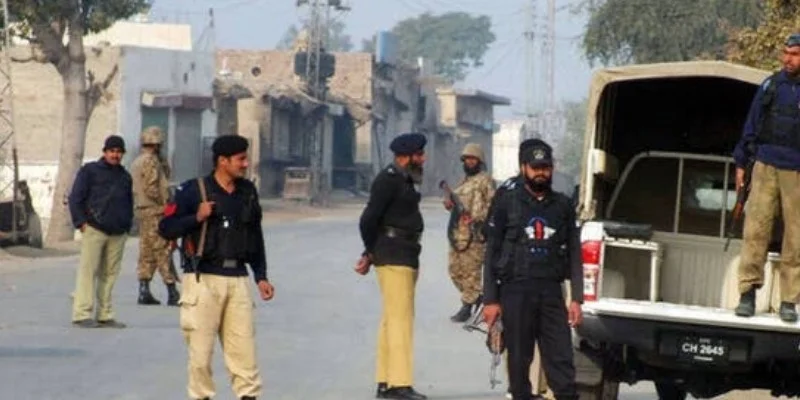
Pakistan: Five Personnel Killed in Two Terrorist Attacks in Dera Ismail Khan
Five personnel were killed and one was wounded in two separate terrorist attacks in Dera Ismail Khan, Khyber Pakhtunkhwa, within about an hour. The attacks targeted Highway Traffic Police and Federal Board of Revenue personnel, as authorities launched a search for the perpetrators amid continued TTP activity in the district.
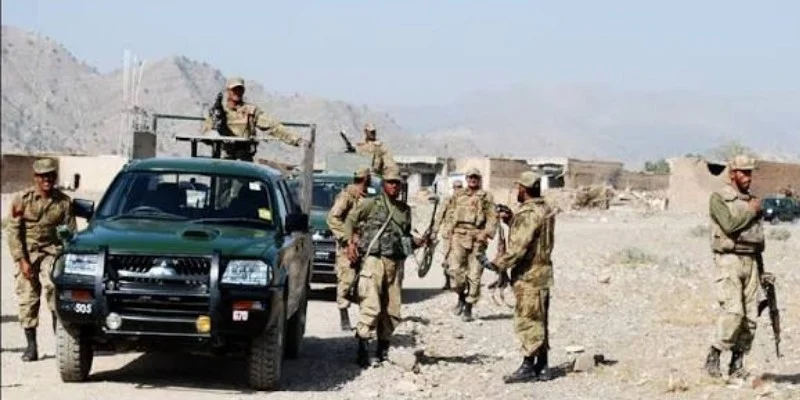
Pakistan: Three TTP Militants Killed in Security Operation in D.I. Khan
Security forces killed three TTP militants during an intelligence-based operation in Dera Ismail Khan, Khyber Pakhtunkhwa, security sources said. The operation was conducted under the Azm-e-Istehkam counterterrorism framework, with security forces continuing efforts to disrupt militant networks across the province.
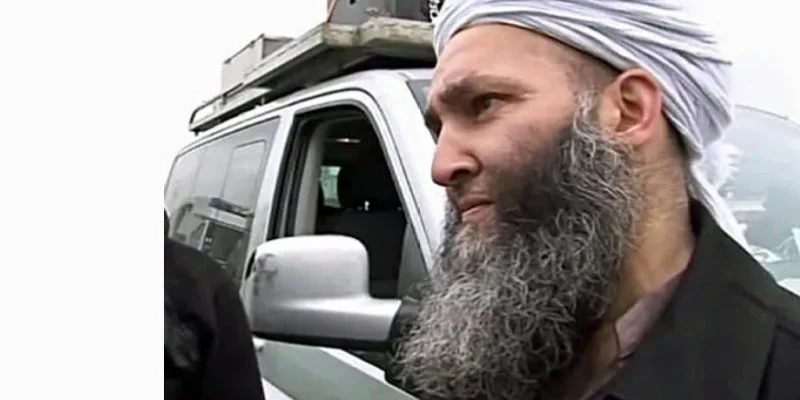
UK: Convicted Terrorist Munir Farooqi Buried in Manchester, Mosque Faces Scrutiny
Munir Farooqi, a Pakistan-born British man who was sentenced to four life terms for terrorism-related offences in 2011, has died in prison aged 69. His funeral was held at Manchester Central Mosque on September 30, drawing more than 100 mourners and prompting political scrutiny over the mosque’s decision to host the service.
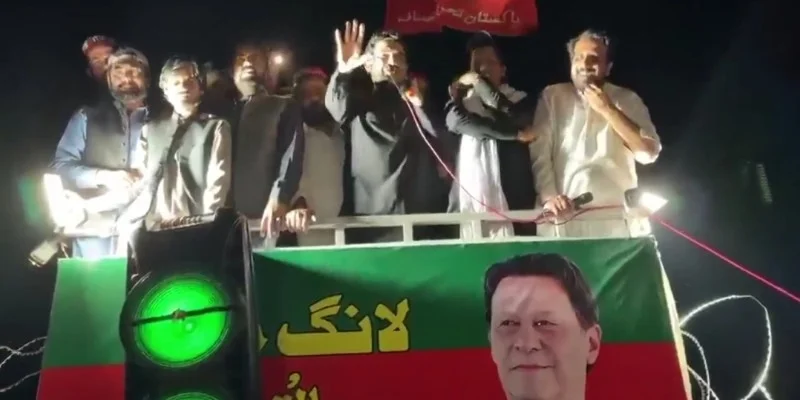
Pakistan: KP Chief Minister Sohail Afridi Rejects New Military Operations, Drone Strikes
Khyber Pakhtunkhwa Chief Minister Sohail Afridi has rejected new military operations and drone strikes in the province, urging the federal government to reconsider its counterterrorism strategy. Addressing a long march in Lakki Marwat, he claimed security could improve within 100 days if the provincial government’s proposals were implemented.