
Saudi Coalition Intercepts Houthi Missiles and Drones as Rebels Claim Attacks
· 597 views
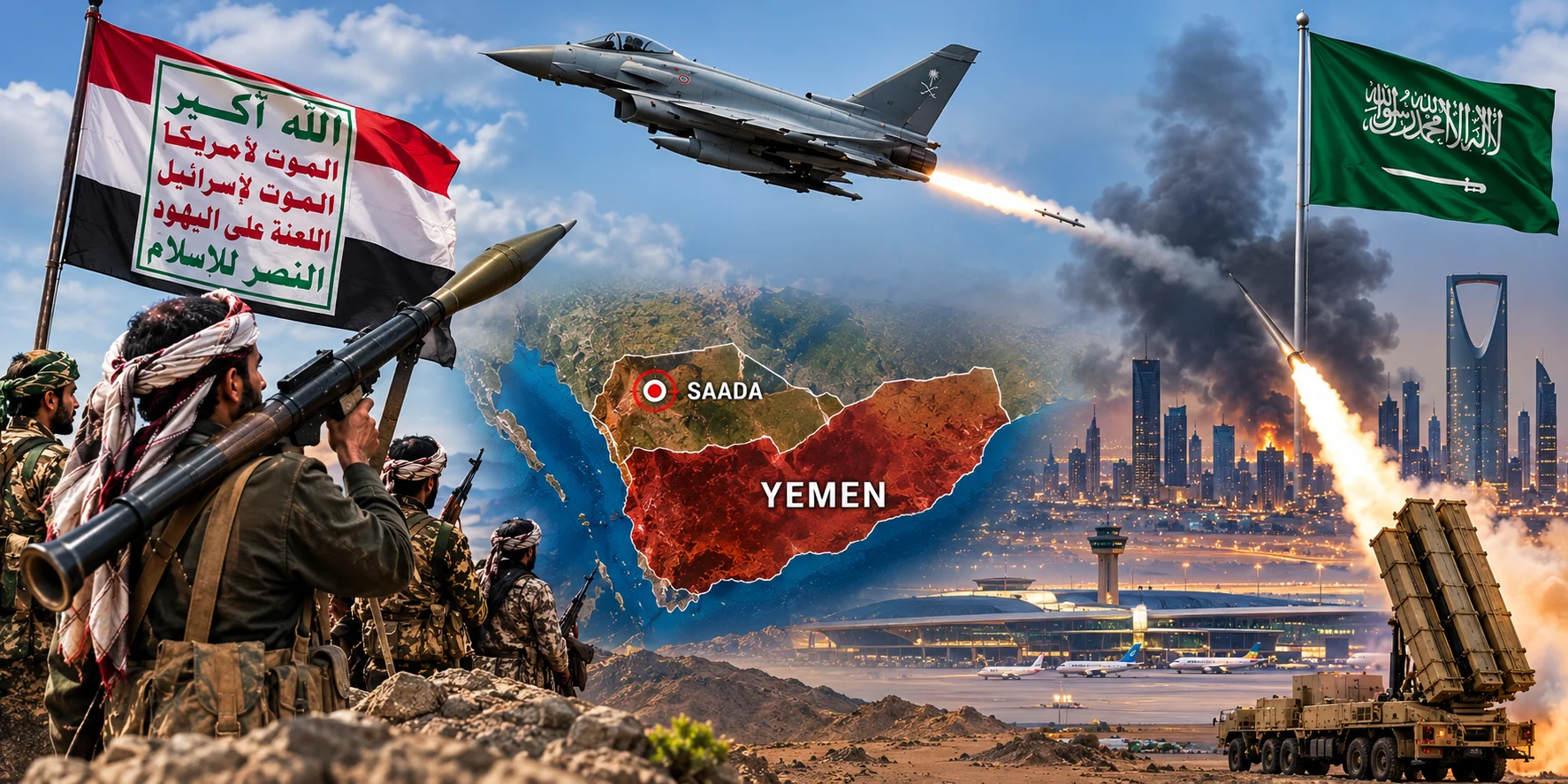
RIYADH (Terror Monitor) — The Saudi-led military coalition supporting Yemen’s internationally recognized government has said its air defence systems intercepted and destroyed two ballistic missiles and two drones launched by Yemen’s Iran-backed Houthi rebels toward Saudi Arabia, amid escalating hostilities and competing claims over attacks on key military, aviation and energy facilities in the kingdom.
Coalition spokesman Major General Turki Al-Maliki said one ballistic missile was launched toward Najran in southern Saudi Arabia, while the second was directed toward the capital, Riyadh. According to the spokesman, Saudi air defence systems detected and intercepted both missiles before they could reach their intended targets.
The coalition also reported intercepting and destroying two drones launched toward Saudi Arabia’s southern regions.
The announcement came as the Houthis claimed responsibility for a series of attacks against strategic Saudi targets, including the Saudi Ministry of Defence in Riyadh, King Fahd International Airport, an Aramco facility in Yanbu and Abha International Airport.
The competing statements highlight the intensifying confrontation between Saudi Arabia and the Houthis, with the latter claiming to have struck sensitive installations deep inside Saudi territory while Saudi authorities have reported intercepting incoming aerial threats.
Houthis Claim Attacks on Saudi Military, Aviation and Energy Facilities
Houthi military spokesman Yahya Saree announced the alleged attacks in a video statement published on the social media platform X.
Saree claimed that the group had conducted operations using ballistic missiles and drones against four strategic targets in Saudi Arabia.
The targets identified in the statement included the Saudi Ministry of Defence headquarters in Riyadh, King Fahd International Airport, an Aramco installation in the Red Sea port city of Yanbu, and Abha International Airport in the kingdom’s southwest.
The Houthi spokesman asserted that the attacks had directly struck their intended targets. However, the claims concerning the success of the operations and the extent of any damage could not be independently established from the information available.
The reported targets are strategically significant. Riyadh is Saudi Arabia’s political and administrative centre, while its defence installations play a central role in national security. Airports are critical to civilian transportation and military logistics, and Aramco facilities are important to the kingdom’s energy infrastructure.
Attacks affecting these facilities could have implications for civilian aviation, energy operations and regional security, although the consequences of the latest claimed operations remain unclear.
Houthis Accuse Saudi Arabia of Thousands of Attacks in Yemen
In his statement, Saree accused Saudi Arabia of continuing military operations against Houthi-controlled areas of Yemen.
He alleged that Saudi Arabia had carried out more than 2,900 air and missile attacks against civilian targets in Yemen during the preceding 100 days of the latest escalation.
The spokesman described the alleged strikes as aggression against the country and presented the Houthi operations as a response to Saudi military actions.
The figure of more than 2,900 attacks is an allegation made by the Houthi spokesman and has not been independently verified.
The competing accusations reflect the broader conflict between the Saudi-backed Yemeni government and the Houthis, who have controlled the capital, Sanaa, and other parts of Yemen since 2014.
Saudi Arabia has led a military coalition supporting Yemen’s internationally recognized government since March 2015.
Saudi Air Defences Remain on Alert
The latest reported interceptions come amid a broader escalation involving missiles and drones targeting Saudi territory.
Saudi authorities have previously announced the interception of ballistic missiles and unmanned aerial vehicles attributed to the Houthis. In September, the coalition reported intercepting two ballistic missiles and two drones directed toward Saudi Arabia.
On October 18, the coalition also announced that it had intercepted two ballistic missiles targeting Khamis Mushait and three drones over the Riyadh and Eastern regions.
These incidents underscore the continuing threat posed by missile and drone attacks to Saudi cities, aviation facilities and strategic infrastructure.
Saudi air defences have been central to the kingdom’s response, while coalition officials have continued to issue statements about incoming aerial threats and their interception.
The latest announcement did not provide further details about the precise interception locations, potential debris impacts or any casualties resulting from the reported missile and drone launches.
Conflicting Claims and Unverified Damage Reports
While the Saudi-led coalition said it intercepted two ballistic missiles and two drones, the Houthis separately claimed to have carried out attacks against several strategic installations.
These statements describe different aspects of the confrontation and do not, by themselves, establish whether all the targets identified by the Houthis were hit or whether the claimed attacks were successfully intercepted.
Reuters reported on October 19 that the Houthis had claimed attacks on Saudi energy, airport and military targets, including an Aramco facility in Yanbu, the Shaybah oilfield, King Khalid International Airport in Riyadh and Abha airport. At the time, there was no immediate Saudi confirmation of those claims, and Reuters said it could not independently verify them.
The distinction between an announced attack, a successful interception and a confirmed strike is important when assessing developments in the conflict.
Independent verification of the latest claims, including satellite imagery, confirmed damage assessments and statements from the facilities concerned, would be needed to establish the full extent of any damage.
Regional Security Implications
The continuing exchange of attacks and interceptions raises concerns about the security of Saudi Arabia’s major population centres, airports and energy infrastructure.
Any sustained disruption to aviation or oil facilities could have consequences beyond Saudi Arabia, given the kingdom’s importance to international energy markets and regional transportation networks.
The latest developments also highlight the risk of further escalation between the Houthis and the Saudi-led coalition supporting Yemen’s internationally recognized government.
For now, the Saudi-led coalition has reported the interception of two ballistic missiles and two drones, while the Houthis have claimed attacks against several strategic Saudi installations. The success of the Houthi operations and the extent of any damage remain unverified.
Related Articles
Netanyahu Denies Trump Blocked Planned Israeli Strike on Iran Ahead of US Midterm Elections
Israeli Prime Minister Benjamin Netanyahu has denied reports that US President Donald Trump blocked a planned Israeli attack on Iran on October 10 and 11 ahead of the US midterm elections. Netanyahu dismissed the Financial Times report as incorrect but declined to disclose details of his recent discussions with Trump about Iran.
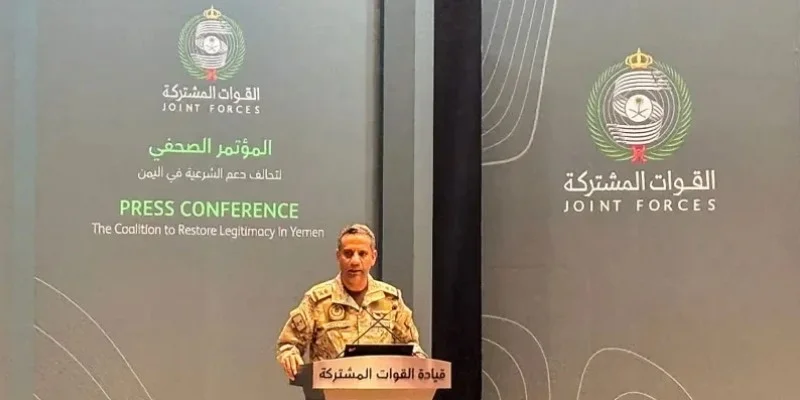
Iran-Backed Houthis Claim Four Military Operations Inside Saudi Arabia as Coalition Intercepts Drones
Iran-backed Houthi rebels have claimed four military operations inside Saudi Arabia targeting the Ministry of Defense in Riyadh, King Fahd International Airport, an Aramco facility in Yanbu and Abha International Airport. The Saudi-led coalition said it intercepted and destroyed four drones as attacks left people dead and injured.

US President Trump Signals Imminent Development on Iran
US President Donald Trump has signaled that a major development concerning Iran could occur soon, saying negotiations may not resume. The remarks come amid reports that the United States and Israel are preparing plans for possible renewed strikes against Iran after the November 3 midterm elections.
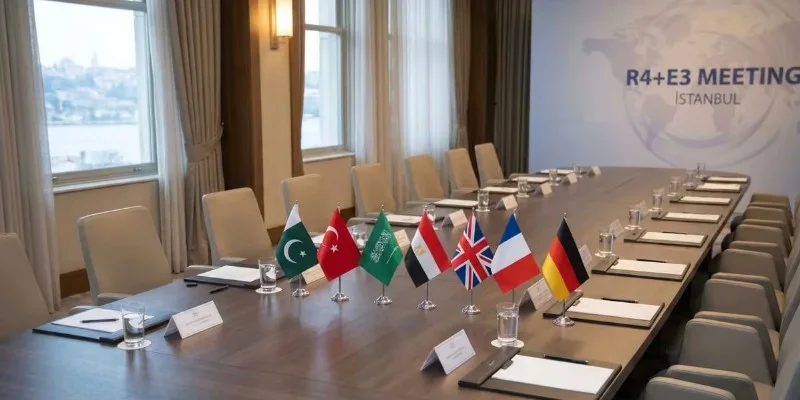
Türkiye to Host First Joint Meeting of R4 and E3 Groups on Regional Security, Yemen and Ukraine War
Türkiye will host the first joint meeting of the R4 and E3 groups, bringing together Türkiye, Saudi Arabia, Pakistan, Egypt, Britain, France and Germany to discuss Palestine, Yemen, Strait of Hormuz security and efforts to end the Russia-Ukraine war.