
Bahrain Sentences 64 Shia Muslims, Mostly Clerics, to Life in Prison on Iran-Linked Terrorism Charges
· 79 views
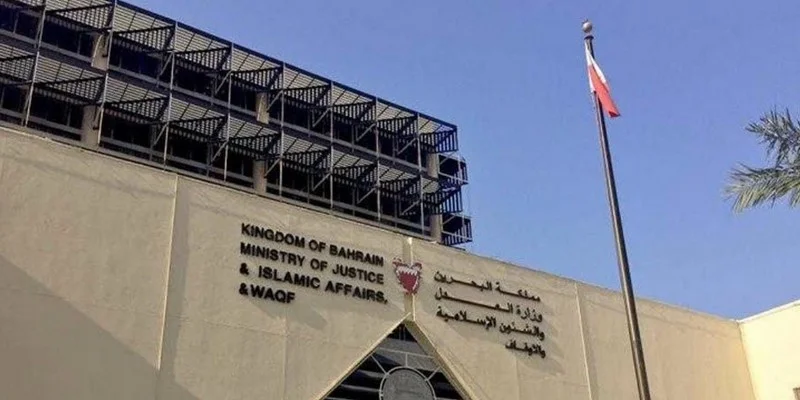
Manama (Terror Monitor) — A Bahraini criminal court has sentenced 64 Shia Muslims, most of them religious clerics, to life imprisonment on terrorism-related charges over alleged links to Iran’s Islamic Revolutionary Guard Corps (IRGC), in one of the country’s largest prosecutions of Shia religious figures in recent years.
The High Criminal Court in Manama also sentenced five other defendants to 15 years in prison, according to the Britain-based Bahrain Institute for Rights and Democracy (BIRD), which cited a lawyer present at Monday’s hearing.
The verdicts were confirmed by a Bahraini official speaking to Agence France-Presse (AFP) on condition of anonymity. Bahrain’s official news agency also reported that the defendants had been convicted in a case involving a terrorist group allegedly linked to Iran’s Revolutionary Guards, although it did not disclose the number of those sentenced.
The case involved 69 Bahraini Shia defendants, including a large number of prominent religious figures. BIRD said 60 of the defendants were Shia clerics, while AFP reported that 57 of the 64 people sentenced to life imprisonment were clerics. Thirteen defendants were tried in absentia, including prominent Shia religious leader Ayatollah Sheikh Isa Qassim.
Reuters reported that Qassim, widely regarded as the spiritual leader of Bahrain’s Shia community, was among those sentenced to life imprisonment. He has been living in Iran since 2018 after Bahraini authorities revoked his citizenship in 2016.
Allegations of links to Iran’s Revolutionary Guards
Bahrain’s Public Prosecution accused the defendants of establishing and operating a terrorist organisation linked to the IRGC, allegedly with the aim of overthrowing the government.
According to the prosecution, the group raised funds without authorisation and used mosques, religious sermons, charitable organisations and educational institutions to promote allegiance to Iran’s supreme leader.
The authorities also alleged that the defendants sought to undermine Bahrain’s sovereignty by promoting an ideology that placed loyalty to Iran’s leadership above the authority of the Bahraini state.
Reuters reported that some defendants were fined 100,000 Bahraini dinars, equivalent to approximately $265,000. The court also ordered the confiscation of more than eight million Bahraini dinars, worth around $21 million, for charitable purposes.
Bahrain’s official news agency confirmed that the sentences ranged from life imprisonment to 15 years but did not provide further details about the defendants or the evidence presented during the trial.
Rights groups raise concerns over fairness of trial
The verdicts have drawn criticism from human rights organisations, which have raised concerns about the fairness of the proceedings and allegations of torture and coerced confessions.
BIRD said defendants had allegedly been interrogated without access to lawyers and pressured into signing statements they had not read. The organisation also raised concerns about restrictions on defence lawyers’ access to evidence.
Human Rights Watch and Amnesty International were among 20 rights organisations that had previously expressed concern over the proceedings, citing allegations of torture, incommunicado detention and restrictions on access to evidence.
Human Rights Watch had also warned ahead of the verdict that the mass trial was marred by serious fair-trial concerns. Accounts gathered by rights organisations included allegations that detainees were subjected to prolonged blindfolding, sleep deprivation, threats and other forms of mistreatment during interrogation.
Bahrain’s prosecution, however, said the defendants’ legal rights had been respected, maintaining that lawyers were present during the proceedings and had opportunities to examine evidence and question witnesses.
A person close to the defence teams told Reuters that none of the defendants had been acquitted, describing the outcome as worse than the defence had anticipated.
Verdict follows crackdown after Iran war
The mass sentencing comes amid heightened tensions across the Gulf following the outbreak of the war involving Iran, the United States and Israel in late February 2026.
Since the start of the conflict, Iran has launched retaliatory attacks against targets in Gulf countries, including Bahrain, which hosts the headquarters of the US Navy’s Fifth Fleet.
Bahraini authorities have accused Tehran of seeking to destabilise the kingdom and supporting groups involved in activities against the state. The government has also intensified its security operations against individuals suspected of maintaining links with Iran’s Revolutionary Guards.
Reuters reported that Bahraini authorities arrested more than 50 Shia clerics and religious preachers between May and June, accusing them of attempting to incite rebellion and overthrow the ruling order with Iranian assistance.
Earlier this month, Bahrain’s head of Public Security, Lieutenant General Tariq Al Hassan, said the authorities were confronting an ideology that demanded obedience to Iran’s leadership over Bahrain’s sovereign authority.
Iran has previously rejected Bahraini accusations of interference in the kingdom’s internal affairs.
Sectarian tensions and citizenship revocations
Bahrain is ruled by a Sunni Muslim royal family and has a large Shia population, which has long complained of political and social marginalisation. Shia groups and human rights organisations have repeatedly accused the authorities of discrimination, allegations the Bahraini government rejects.
The kingdom has a history of tensions between its Shia majority and Sunni-led government, particularly following the 2011 pro-democracy protests, when authorities arrested hundreds of predominantly Shia demonstrators.
Human Rights Watch reported in June that Bahrain had revoked the citizenship of 69 people, including children, in a decision announced on April 27. The organisation said all those affected were Shia Muslims of Iranian heritage and that at least 46 had been left stateless, according to research conducted with BIRD.
Amnesty International has also reported a wider crackdown across Gulf states following the outbreak of the war, with more than 1,000 people arrested in the region over war-related expression and online activity, according to its June assessment.
The latest verdicts are likely to intensify scrutiny of Bahrain’s treatment of its Shia population and raise further questions among international rights organisations about the use of terrorism-related prosecutions during the regional conflict.
Related Articles

Pakistani Man Jailed 27.5 Years for Iran-Linked Trump Assassination Plot
Pakistani national Asif Raza Merchant has been sentenced to 27 years and six months in U.S. federal prison for plotting to assassinate President Donald Trump and other senior American officials on behalf of Iran’s Islamic Revolutionary Guard Corps (IRGC).
Pakistan: Policeman killed in targeted attack in Bannu as roadside motorcycle blast wounds two in Khyber
A police constable, Zahid Khan, was killed by unidentified armed terrorists in a targeted shooting near the Domel refugee camp in Bannu, while a separate motorcycle bomb explosion in Khyber district’s Bara area wounded two civilians, including a woman. Security forces have launched search operations following both incidents.
Four TTP Terrorists Killed in Intelligence-Based Operation in Pakistan’s Lakki Marwat
Four TTP terrorists were killed in an intelligence-based operation in Lakki Marwat, as Pakistani security forces continue counterterrorism operations across Khyber Pakhtunkhwa.
Macedonia and Greece Foil Alleged Iran-Linked Assassination Plot, Five Suspects Arrested
North Macedonia and Greece foil an alleged Iran-linked assassination plot targeting a prominent individual in Greece, arresting five suspects and dismantling a suspected criminal network. Authorities accuse an Iranian national, Edris Jahangiri Mavaneh, of coordinating the operation through local criminal proxies, while a sixth suspect remains wanted.