
Iran Says No Decision Made on NPT Withdrawal as Parliament Prepares Legislation
· 12 views
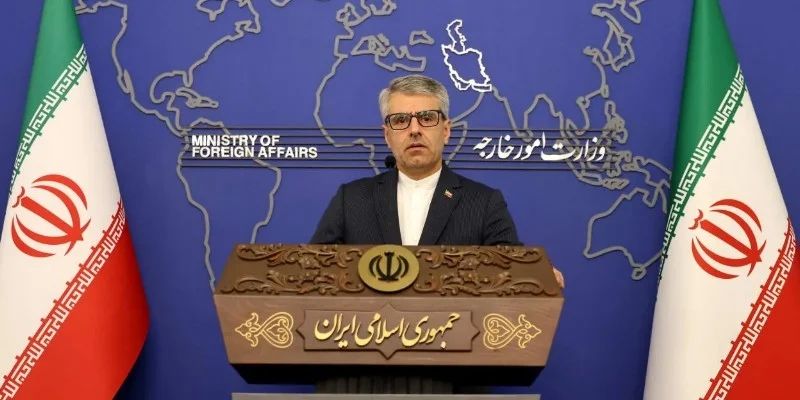
Tehran (Terror Monitor) — Iran's Foreign Ministry spokesperson Esmaeil Baghaei said on Monday that Tehran has not made any final decision to withdraw from the Treaty on the Non-Proliferation of Nuclear Weapons (NPT), amid growing domestic debate and calls from Iranian lawmakers to abandon the international nuclear agreement.
Speaking at his weekly press conference on November 23, Baghaei said no decision regarding withdrawal had been formally communicated to the Foreign Ministry.
He emphasized that Iran remained a member of the treaty and would continue to fulfil its obligations as long as it remained a signatory.
"Iran is still a member of the Nuclear Non-Proliferation Treaty, and as long as it remains part of this agreement, it will continue to abide by the obligations stipulated under it," Baghaei said in response to a question about the possibility of withdrawal.
His remarks came as Ebrahim Azizi, head of the Iranian Parliament's National Security and Foreign Policy Commission, announced that legislation providing for the country's withdrawal from the NPT had already been prepared.
According to Iranian media reports, Azizi said the proposed legislation was ready and could be approved within the shortest possible time once the country's leadership made a final decision on withdrawing from the agreement.
He indicated that parliament was prepared to use expedited legislative procedures to establish the legal framework for withdrawal.
The development highlights an apparent difference between the Foreign Ministry's position, which emphasizes Iran's continued treaty membership, and growing political pressure within the Iranian parliament to reconsider the country's participation in the international nuclear non-proliferation framework.
Growing pressure for withdrawal
Calls for Iran to leave the NPT have intensified in recent months, particularly following military strikes by the United States and Israel against Iranian nuclear facilities in June 2025 and the subsequent deterioration of Tehran's relations with the International Atomic Energy Agency (IAEA).
Several Iranian lawmakers and political figures have argued that continued membership in the treaty has failed to protect Iran's nuclear facilities and national interests.
In October, a number of Iranian parliamentarians renewed demands for withdrawal, while lawmakers also discussed proposals seeking to change the country's nuclear policy.
Al Jazeera reported on October 31 that Iranian lawmakers had raised the possibility of withdrawing from the treaty, with parliamentary representatives referring to multiple proposals registered for consideration.
Iranian officials have repeatedly maintained that the country's nuclear programme is intended for peaceful purposes and that Tehran has the right to develop nuclear technology for civilian applications.
Dispute with the IAEA over nuclear inspections
The debate over withdrawal is taking place amid an escalating dispute between Iran and the United Nations nuclear watchdog over access to the country's nuclear facilities.
In its November 19 report, Reuters said the United States, Britain, France and Germany had urged Iran to allow IAEA inspectors to return to nuclear facilities damaged in US and Israeli strikes in June 2025.
According to Reuters, the IAEA had inspected only the undamaged Bushehr nuclear facility during the preceding quarter and had lost continuity of knowledge regarding Iran's stockpile of enriched uranium, including material enriched to levels approaching weapons-grade purity.
Western governments have called on Tehran to provide updated and verifiable information about its nuclear activities and restore full cooperation with international inspectors.
Iran, however, has argued that inspections of facilities targeted in military attacks could expose sensitive information and potentially facilitate further strikes.
Tehran has also accused Western countries of applying political pressure on the IAEA and using the agency's reports to advance their political objectives.
What would withdrawal from the NPT mean?
The Treaty on the Non-Proliferation of Nuclear Weapons is one of the world's most important international agreements aimed at preventing the spread of nuclear weapons.
The treaty entered into force in 1970 and establishes a framework for preventing nuclear proliferation, promoting nuclear disarmament and ensuring access to nuclear technology for peaceful purposes.
Iran signed the agreement in 1968 and ratified it in 1970 as a non-nuclear-weapon state.
Article X of the treaty allows a member state to withdraw if it decides that extraordinary events related to the subject matter of the agreement have jeopardized its supreme national interests.
However, a country seeking withdrawal must provide three months' notice to all other treaty parties and the United Nations Security Council, explaining the extraordinary events it considers to have jeopardized its interests.
Withdrawal would remove the country from the treaty's membership framework, although other international legal obligations and applicable safeguards arrangements would need to be considered separately.
Importantly, leaving the NPT would not automatically mean that a country had decided to develop or manufacture nuclear weapons.
Iran's position remains unresolved
Despite the growing pressure within parliament, Baghaei's latest remarks indicate that no formal decision to withdraw has yet been announced by the Iranian authorities.
The Foreign Ministry continues to maintain that Iran will honour its treaty obligations while it remains a member.
Meanwhile, the preparation of withdrawal legislation suggests that sections of Iran's parliament are seeking to ensure that the country can move quickly if its leadership decides to abandon the agreement.
The next significant development will depend on whether Iran's senior leadership formally endorses withdrawal and whether parliament moves forward with the proposed legislation.
For now, Tehran remains a member of the NPT, while the possibility of withdrawal continues to be debated at the highest political levels.
Related Articles
Ukraine Claims Sinking Russian Warship, Striking Cargo Vessel Off Libya
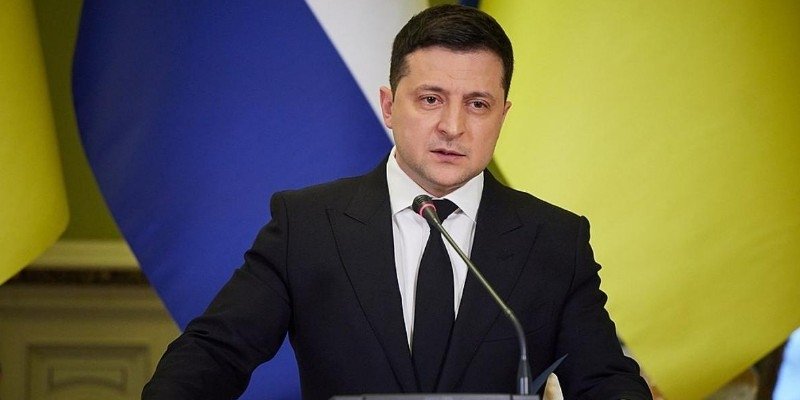
Ukrainian President Volodymyr Zelensky says seven naval drones attacked Russian vessels near Benghazi, sinking the corvette Merkury, striking the cargo ship MV Angara and destroying a Ka-27 helicopter. Libyan authorities reported casualties and called for an international investigation.
Saudi-Led Airstrike on Hodeidah Telecom Building Kills 17, Houthis Say
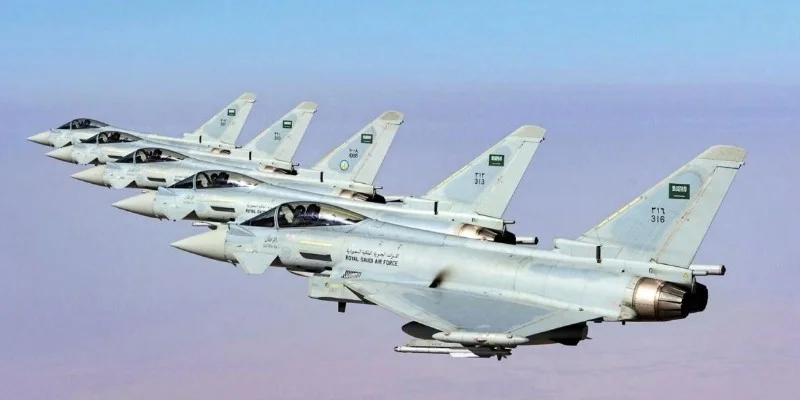
Houthi authorities say a Saudi-led airstrike on telecommunications facilities in Hodeidah killed 17 people and injured 11, while additional airstrikes were reported in Taiz and other areas of Yemen. The casualty figures and claims of responsibility have not been independently verified.
Israeli Airstrike Kills UNRWA Worker in Jabalia, Wounds Three Amid Gaza Ceasefire
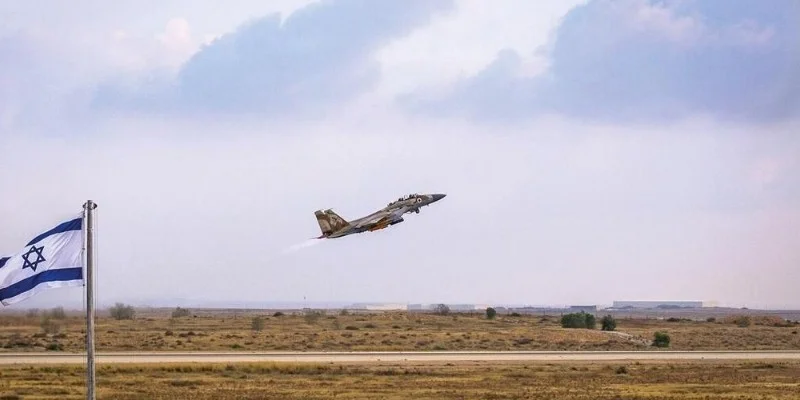
An Israeli airstrike in northern Gaza’s Jabalia refugee camp killed an UNRWA employee and wounded three others near a water well, amid continued Israeli attacks despite the October 2025 ceasefire.
US President Trump Says Iran Killed 81,000 Protesters, Intensified Attacks
President Donald Trump claims Iran has killed 81,000 protesters and launched more missiles and drones over the past week than at any time in more than a year, blaming Tehran's alleged escalation on Democrats' midterm election victories. Meanwhile, Democrats have secured at least 258 House seats, their largest majority since 1992, and control of both chambers of Congress.