
Iran Warns of More Devastating Response to Any New US Attack, Mohsen Rezaei Says
· 71 views
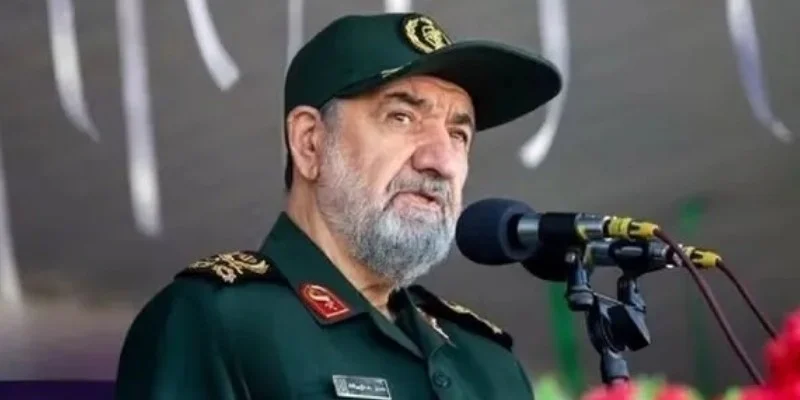
TEHRAN (Terror Monitor) — Iran has warned that any new military attack against the country would trigger a significantly more forceful response than in previous confrontations, with Mohsen Rezaei, secretary of Iran’s Supreme National Security Council, saying the country’s armed forces have prepared a new operational strategy that he described as potentially more devastating than the previous 12-day and 40-day wars.
Rezaei made the remarks in a post on the social media platform X, referring to what he described as a new Iranian military plan designed to respond to any renewed US aggression.
According to a report published by Iran’s state media and cited by Dawn on Sunday, October 18, Rezaei said Iran’s armed forces had prepared a plan to deliver a response more devastating than those witnessed during the previous conflicts.
The Iranian security official also referred to what he described as threats from US and Israeli officials, warning that Tehran’s next military response would not necessarily follow the conventional operational patterns familiar to its adversaries.
His remarks come amid continuing tensions between Tehran and Washington, with diplomatic efforts to reach an understanding proceeding alongside warnings of further military escalation.
Iran Signals a Change in Military Strategy
Rezaei’s statement suggests that Tehran wants to demonstrate its readiness to respond to another attack with a different approach from its previous military operations.
He indicated that Iran’s proposed response would go beyond the strategies employed during the earlier conflicts, although he did not publicly provide specific operational details about the new plan.
The statement did not identify potential targets, specify the weapons that might be used or establish a timeline for any military action.
Iranian officials have repeatedly warned that the country would retaliate if the United States or Israel launched further attacks. Tehran has also maintained that its military capabilities and operational experience have evolved during the conflict.
In an interview with Al Jazeera published on September 20, Rezaei said Iran had communicated conditions to Washington through Qatari mediators and described Tehran as better prepared for confrontation than it had been during the initial 40 days of the war.
The latest warning comes as both sides continue to disagree over the terms required to end hostilities and resume negotiations.
Iran Reviewing Latest US Response to Diplomatic Proposal
Despite the increasingly confrontational rhetoric, Iran has indicated that diplomatic engagement with Washington remains possible.
Iranian Foreign Minister Abbas Araghchi said on Sunday that Tehran was still reviewing the US response to its proposal for reopening the strategically important Strait of Hormuz.
According to Reuters, Iran's proposal envisages reopening the waterway within seven days if Washington accepts Tehran's conditions, with negotiations to resume afterward.
Araghchi said the proposal remained on the table and that Iranian officials were examining the American response. He reiterated that Tehran wanted the immediate focus of negotiations to be on restoring security and maritime traffic through the strait rather than beginning with Washington's demands concerning Iran's nuclear programme.
Iran's conditions include lifting the US blockade on Iranian ports, removing sanctions on its oil exports and ending hostilities across regional fronts.
The dispute over the scope and sequence of negotiations remains a significant obstacle. Washington wants Iran's nuclear activities addressed as part of an agreement, while Tehran has argued that the immediate priority should be resolving the crisis surrounding the Strait of Hormuz.
The waterway is a critical international shipping route through which approximately one-fifth of global oil and liquefied natural gas trade passed before the conflict disrupted maritime traffic.
Mohsen Rezaei Previously Criticised Washington's Response
Rezaei has previously expressed dissatisfaction with Washington's response to Tehran's diplomatic initiative.
In remarks reported by Reuters on October 11, the Iranian security chief described the US response to Iran's seven conditions for reopening the Strait of Hormuz as insufficient.
He said Washington had accepted some Iranian conditions but had left others unclear, adding that Tehran wanted the outstanding issues clarified before proceeding.
The comments underscored the continuing gap between the two governments over the conditions for de-escalation and the resumption of negotiations.
Iran's latest military warning therefore comes at a time when its leadership is simultaneously maintaining pressure on Washington and keeping open the possibility of a diplomatic settlement.
Regional Security Concerns Persist
The confrontation between Iran and the United States has raised concerns about further instability across the Middle East, particularly if diplomatic efforts fail and military operations resume on a wider scale.
A renewed escalation could affect regional security, maritime transportation and international energy markets, especially if hostilities further disrupt shipping through the Strait of Hormuz.
Reuters reported on October 14 that Iran was changing its tactics in the maritime confrontation, with officials describing preparations for expanded attacks against vessels in and around the Strait of Hormuz. The report highlighted the growing risks to commercial shipping as the United States continued its pressure campaign against Tehran.
Against this backdrop, Rezaei's statement appears intended to reinforce Iran's warning that another attack would not produce a limited or predictable response.
However, the Iranian official did not disclose the operational details of the proposed strategy, and his description of a potentially more devastating response represents a warning rather than evidence that a new military operation has been launched.
For now, the situation remains marked by competing diplomatic demands, military threats and uncertainty over whether Washington and Tehran can reach an agreement to prevent another phase of escalation.
Terror Monitor will continue to monitor developments surrounding Iran's military posture, diplomatic contacts with the United States and the wider regional security situation.
Related Articles
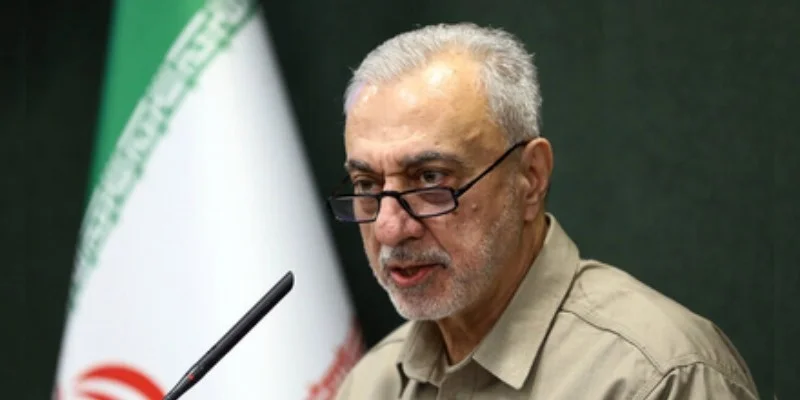
Iran’s New Defense Minister Warns US of ‘Enormous Damage’ if Military Attacks Resume
Iran’s new Defense Minister Mehrdad Akhlaghi warned that the United States and its regional allies would suffer “enormous damage” if Washington resumes military attacks against Tehran. His warning came after Iran’s parliament approved his appointment with 237 votes.
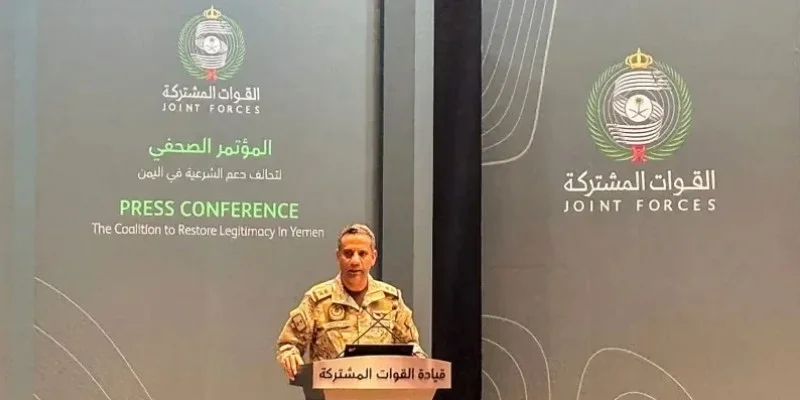
Iran-Backed Houthis Escalate Attacks on Saudi Arabia as Projectile Injures 6 in Najran
At least six people were injured when a projectile struck a residential area in Saudi Arabia’s Najran region, damaging three houses and three vehicles. Saudi air defences also intercepted two ballistic missiles and three drones launched by Iran-backed Houthi rebels, while a separate reconnaissance helicopter crash near the Yemeni border killed both crew members.
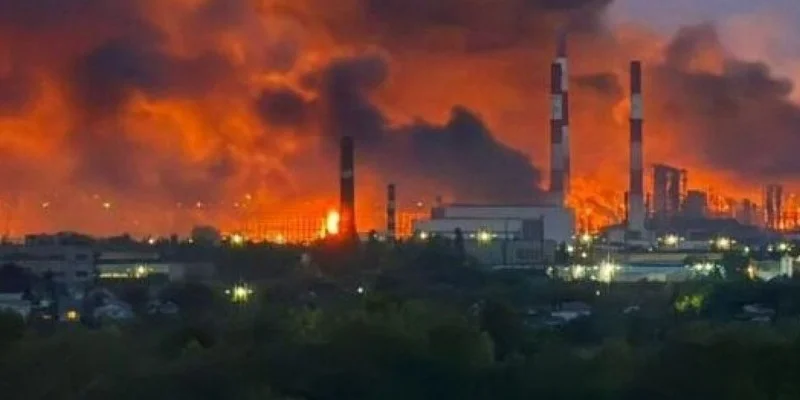
Ukraine Launches More Than 1,000 Drones at Russia, Setting Oil Facilities Ablaze in St Petersburg
Ukraine launched more than 1,000 drones against Russia, setting fire to an oil export terminal and an oil depot in St Petersburg. Meanwhile, Russian attacks on Zaporizhzhia killed a woman and injured others, as Ukrainian President Volodymyr Zelenskyy accused Moscow of repeatedly targeting Ukraine’s energy infrastructure.
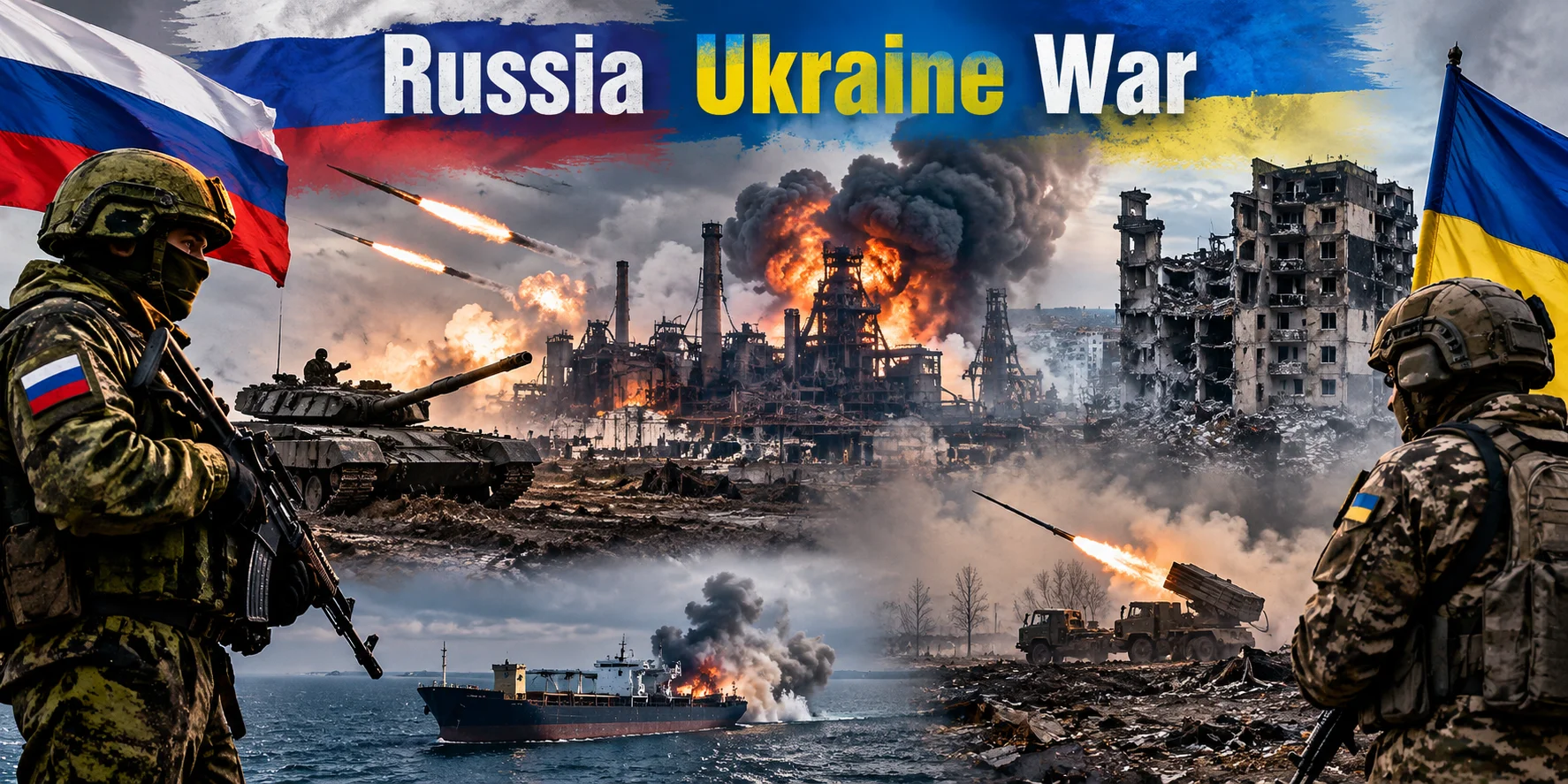
Russia Says Overnight Strikes Hit Ukraine’s Largest Steel Plant, Power Infrastructure and Cargo Ship
Russia said its forces struck Ukraine’s largest steel plant in Kryvyi Rih, power infrastructure and another steelworks overnight, along with a cargo vessel in the Black Sea allegedly carrying military supplies. Separately, a Ukrainian drone attack in Russia’s Belgorod region killed a woman and wounded a man, according to TASS.