
US President Trump Rejects Iran’s Seven-Day Ceasefire Proposal
· 167 views
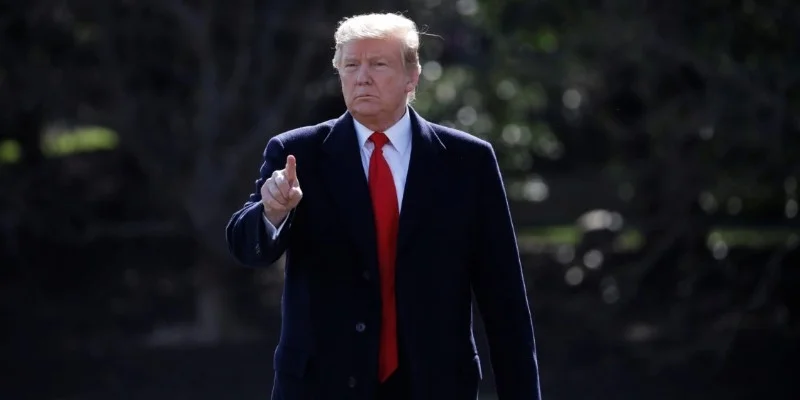
Washington, D.C. (Terror Monitor) — U.S. President Donald Trump has rejected an Iranian proposal for a seven-day ceasefire and has told advisers that U.S. bombing of Iran could resume after the November midterm elections, The Wall Street Journal reported, citing U.S. officials.
The reported rejection comes as Tehran has offered a seven-day roadmap aimed at halting hostilities, reopening the Strait of Hormuz and restarting comprehensive negotiations over Iran’s nuclear program.
Iranian Foreign Minister Abbas Araghchi said Tehran had conveyed the proposal to Washington through intermediaries and was prepared to begin implementing it immediately if the United States agreed to the terms.
According to The Associated Press, Iran’s proposal would require Washington to lift its naval blockade of Iranian ports, waive sanctions on Iranian oil sales and agree to a ceasefire covering the wider region, including Lebanon. In return, Iran would reopen the Strait of Hormuz within seven days and resume nuclear negotiations.
Araghchi said the proposal closely resembles a memorandum of understanding previously reached between Iran and the United States but uses a substantially shorter timetable. The earlier arrangement subsequently collapsed.
Speaking to reporters on the sidelines of the U.N. General Assembly in New York, Araghchi said the choice was now with Washington and that Tehran was ready to move forward if the necessary conditions were accepted.
Washington’s position
The Wall Street Journal report said Trump had rejected the seven-day proposal and privately told aides that he expected U.S. bombing of Iran to resume after the November midterm elections.
The report has not been independently confirmed by the White House. A U.S. official separately told Reuters that Washington was continuing what the official described as positive and constructive discussions with Iran through intermediaries, particularly on nuclear issues.
Reuters previously reported that Trump had shown little interest in immediately resuming direct negotiations, although Secretary of State Marco Rubio said Washington remained open to exchanging messages with Tehran if there was a prospect of achieving its objectives.
Strait of Hormuz at the center of negotiations
The Strait of Hormuz has emerged as a central issue in the diplomatic efforts because of its importance to global energy supplies.
Under Tehran’s proposal, the waterway would be reopened on the seventh day after the conditions of the agreement were met. Iran has linked the reopening to the lifting of the U.S. naval blockade and easing restrictions on its oil exports.
The Associated Press reported that the proposal was presented by Araghchi during a private gathering on the sidelines of the U.N. General Assembly. The plan resembles the earlier U.S.-Iran memorandum of understanding but would accelerate the timetable for implementation.
The latest diplomatic effort comes after months of conflict between the United States and Iran, with the confrontation disrupting energy markets and maritime traffic in and around the Gulf.
Iranian and U.S. officials have continued to exchange messages through mediators, including Qatar, while diplomats in New York have explored possible avenues for restarting negotiations.
For now, the reported rejection of Tehran’s seven-day proposal leaves the proposed ceasefire and timetable for reopening the Strait of Hormuz uncertain, even as U.S. and Iranian officials continue indirect diplomatic contacts.
Related Articles
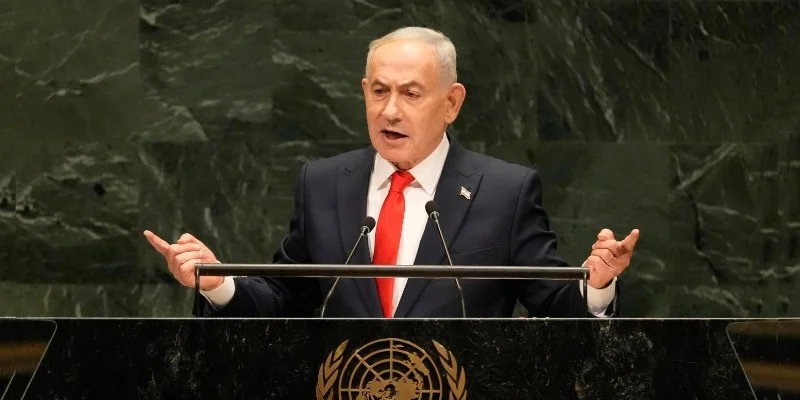
Netanyahu Defends Israel’s Military Actions at UN as Dozens of Delegates Walk Out
Israeli Prime Minister Benjamin Netanyahu defended Israel’s military operations in Gaza, Iran and across the Middle East during his U.N. General Assembly address, as dozens of delegates walked out in protest. Netanyahu rejected allegations of genocide in Gaza, criticized Palestinian President Mahmoud Abbas and Turkish President Recep Tayyip Erdogan, and accused international critics of targeting Israel unfairly.
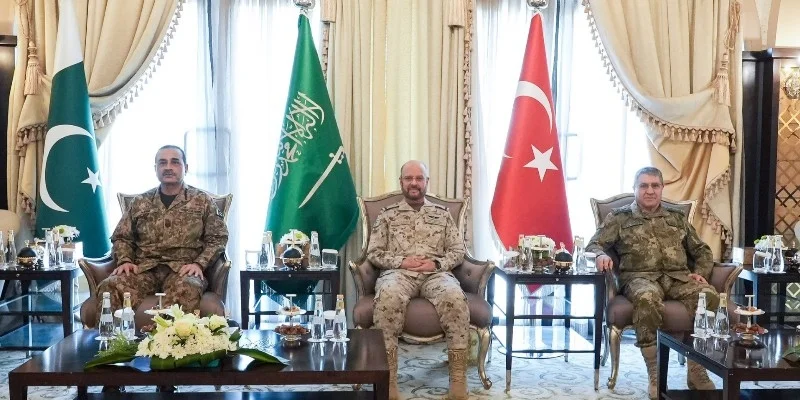
Pakistan, Saudi Arabia and Türkiye Military Chiefs Meet in Riyadh Under Makkah Defence Pact
Military chiefs from Pakistan, Saudi Arabia and Türkiye met in Riyadh under the Makkah Joint Defence Agreement to discuss regional security threats and attacks targeting Saudi Arabia. The three sides reaffirmed their commitment to collective defence and discussed intelligence sharing, military coordination, operational cooperation and the integration of defence capabilities.
Saudi Arabia Says Six Houthi Ballistic Missiles Intercepted Near Taif and Yanbu
Saudi Arabia says its air defenses intercepted and destroyed six ballistic missiles launched by Iran-backed Houthis toward Taif and Yanbu. The reported interceptions come as attacks on Saudi energy infrastructure continue, while Aramco explores additional export routes and overseas storage options to reduce the impact of disruptions.