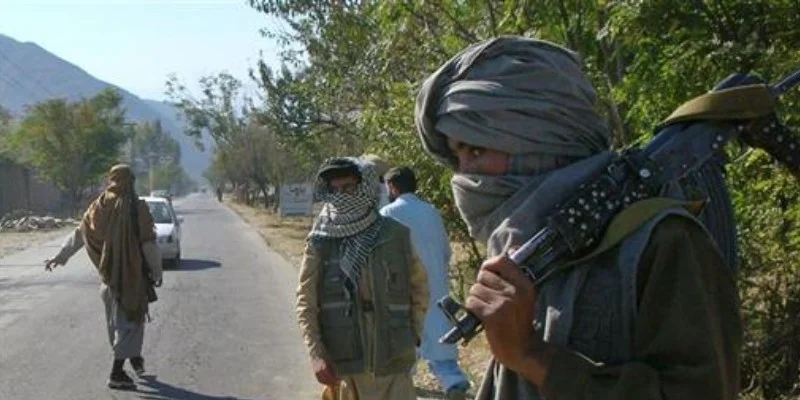
Pakistan: 30,000 Residents Ordered to Evacuate Shorparod in Balochistan by October 30
· 158 views
QUETTA (Terror Monitor) — Pakistani authorities have reportedly directed approximately 5,000 families, comprising around 30,000 people, living in the sensitive mountainous area of Shorparod in Balochistan to vacate their homes and relocate to designated camps by October 30, a move that has drawn strong criticism and concern from human rights organizations and Baloch political groups.
The reported evacuation order has raised fears of a potential humanitarian crisis, with critics warning that the displacement of thousands of residents could disrupt livelihoods, separate communities from their ancestral lands, and leave vulnerable families without adequate access to food, healthcare, shelter, and other essential services.
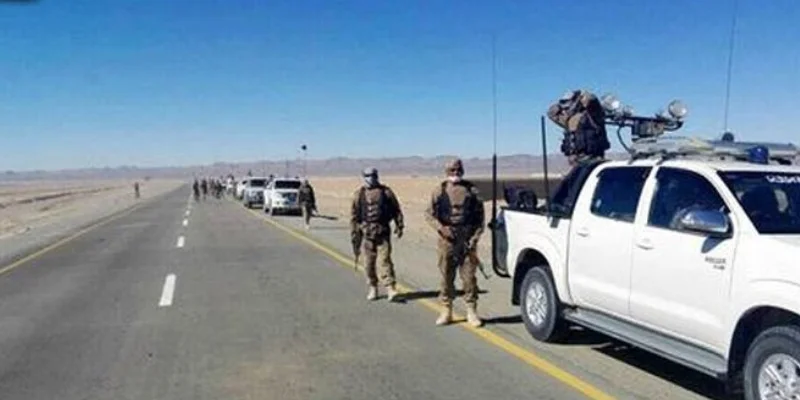
According to government and security sources, the proposed relocation is linked to ongoing military operations against militants in the region and efforts to secure strategically important routes. Authorities reportedly consider comprehensive clearance of the area necessary for security operations.
The provincial administration maintains that the land in question falls within the state's jurisdiction and that the relocation decision was approved by the provincial government. Under the reported arrangements, residents have been given until October 30 to move to temporary camps, where their legal claims and basic needs are expected to be assessed.
However, concerns have emerged over the legal basis of the evacuation, the conditions in the proposed camps, and whether affected communities have been adequately consulted before the deadline was imposed.
HRCP Calls for Withdrawal of Evacuation Order
The Human Rights Commission of Pakistan (HRCP) has expressed serious concern over the reported ultimatum and called for the immediate withdrawal of the administrative decision.
The commission has emphasized that the forced displacement of a population without informed consent, a transparent legal process, and adequate alternative arrangements could violate fundamental constitutional protections, including Article 9, which safeguards the right to life; Article 14, which protects human dignity; and Article 24, which concerns the protection of property.
Human rights advocates have also warned that relocating thousands of people to temporary camps without adequate infrastructure and essential services could expose families to serious humanitarian risks.
The timing of the proposed displacement has added to these concerns, as the approaching winter could worsen living conditions for residents who may already face limited access to healthcare, food supplies, and adequate shelter.
Critics argue that authorities must provide clear information about the relocation process, establish appropriate safeguards for residents' property and livelihoods, and ensure that any temporary accommodation meets basic humanitarian standards.
Baloch Yakjehti Committee Condemns Move as 'Collective Punishment'
The Baloch Yakjehti Committee (BYC) has reportedly condemned the decision, describing it as a form of "collective punishment" and announcing plans to resist the proposed displacement.
According to the organization's stated position, many families in the affected area have lived there for decades and depend on traditional grazing grounds, livestock farming, and other local economic activities for their survival.
The committee argues that removing these communities from their ancestral settlements and restricting their movement to designated camps could devastate their livelihoods and deepen existing grievances between local residents and the authorities.
The BYC has also raised concerns that the relocation could alter the demographic composition of the area, although the available information does not independently establish that changing the population structure is the government's objective.
The organization has warned that failure to withdraw the reported ultimatum could lead to public demonstrations in Gwadar and other parts of Balochistan, alongside legal action challenging the decision.
The dispute highlights the broader tensions surrounding security operations, land rights, and the treatment of civilian populations in parts of the province.
Security Operations and Civilian Displacement Concerns
The reported evacuation order comes amid continuing security-related restrictions and concerns about the impact of security zones and checkpoints on communities in parts of Balochistan, including areas along the Makran coast and around Gwadar.
Security operations in the province are aimed at countering armed groups and protecting strategically important infrastructure and transportation routes. However, such operations can also have significant consequences for civilians when they involve movement restrictions, temporary evacuations, or the loss of access to agricultural land and grazing areas.
Independent observers have warned that displacement measures imposed without meaningful consultation with affected communities could further intensify political tensions in Balochistan, where disputes over security policies, natural resources, land rights, and political representation have contributed to longstanding grievances.
They argue that maintaining public confidence requires transparent communication, due process, and effective mechanisms for addressing complaints from residents affected by security-related decisions.
Questions Remain Over Legal Safeguards and Humanitarian Arrangements
Key questions remain regarding the precise legal authority for the reported evacuation, the arrangements available to displaced families, and the safeguards that would allow residents to return to their homes once security operations are completed.
It is also unclear from the information available whether all affected families have received formal written notices, whether compensation or assistance will be provided for losses, and how authorities intend to address the needs of children, older people, and other vulnerable residents.
Human rights groups and local political representatives are expected to continue pressing authorities for clarification and a review of the decision.
The central challenge will be balancing legitimate security requirements with the constitutional rights, dignity, and livelihoods of the civilian population.
For the thousands of residents reportedly affected by the October 30 deadline, the immediate concerns remain whether they will be required to leave their homes, what conditions await them in the proposed camps, and whether their rights to property, livelihood, and eventual return will be protected.
Note: The figures, deadline, official rationale, and positions attributed to the HRCP and BYC in this report are based on the information provided.
Related Articles

Pakistan Says Security Forces Foil BLA Attack in Gwadar, Three Militants Killed
Pakistani security forces have foiled an attempted attack on an unoccupied construction company camp in Gwadar, Balochistan, killing three militants, Interior Minister Mohsin Naqvi said. Attacks were also reported at Suntser and the Gabd-Rimdan border crossing with Iran, with two people reportedly injured.
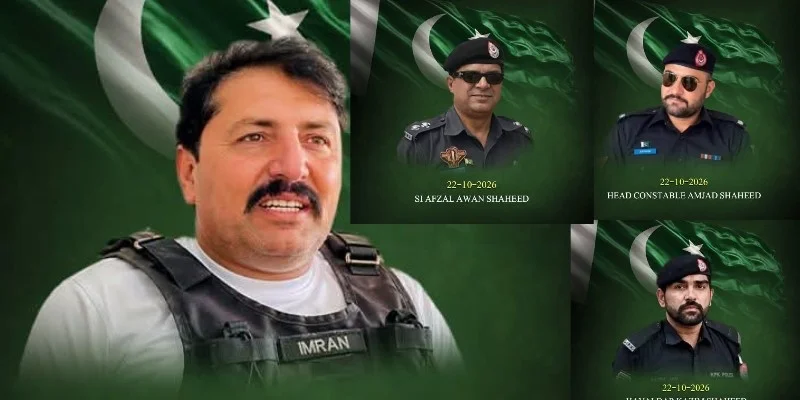
Pakistan: Four Policemen, Including CTD Officer, Killed in Terrorist Clash in Karak
Four policemen, including CTD DSP Imranuddin Khan, were killed during an operation against terrorists in Karak, Khyber Pakhtunkhwa. Police killed Five terrorists in retaliatory fire, while funeral prayers for the slain personnel were attended by senior police officials.
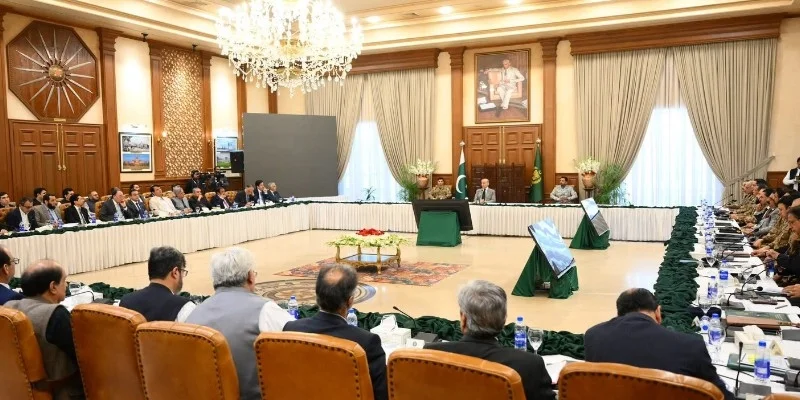
PM Shehbaz Sharif Vows Federal-Military Cooperation to Combat Terrorism in Khyber Pakhtunkhwa
Pakistan’s Prime Minister Shehbaz Sharif has pledged federal-military cooperation to combat terrorism in Khyber Pakhtunkhwa, as authorities review emergency measures in 12 districts. He said restoring peace and eliminating terrorist networks remain key priorities.