
Pakistan Airstrikes in Afghanistan Kill at Least 10 Civilians, UN Says; Islamabad Claims 22 Militants Killed
· 52 views
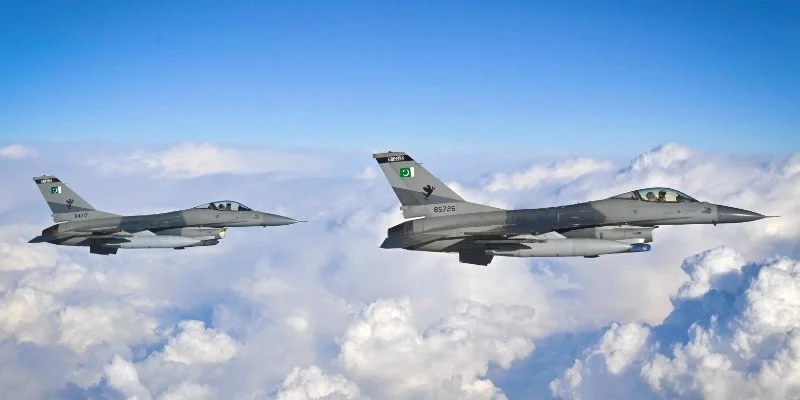
Kabul / Islamabad (Terror Monitor) — Pakistani airstrikes in Afghanistan’s Kunar and Helmand provinces have killed at least 10 civilians, most of them children, and injured nine others, the United Nations Assistance Mission in Afghanistan (UNAMA) confirmed on Thursday, October 1, as conflicting casualty reports from Islamabad and Kabul heightened tensions between the neighbouring countries.
Afghanistan’s Taliban government said the overnight strikes destroyed three civilian homes, killing nine women and children and wounding 11 other civilians. Pakistan, however, said its military had conducted precision airstrikes against militant hideouts at two locations inside Afghanistan, claiming that 22 militants were killed and large quantities of weapons and ammunition were destroyed.
The competing accounts could not be fully reconciled, and Pakistan’s claim that 22 militants were killed has not been independently verified. The UN’s findings confirmed civilian casualties but did not establish the identities or affiliations of all those killed.
In a statement issued on Thursday, UNAMA said at least 10 civilians had been killed in the airstrikes, with most of the victims being children. The UN mission also confirmed nine injuries and called for an end to cross-border hostilities.
The latest incident underscores the fragile security situation along the Afghanistan-Pakistan border, where recurring airstrikes, armed clashes and accusations of providing sanctuary to militant groups have continued despite earlier efforts to reduce tensions.
Afghanistan condemns strikes in Kunar and Helmand
Zabihullah Mujahid, spokesman for Afghanistan’s Taliban administration, said Pakistani aircraft had targeted civilian homes in the eastern province of Kunar and the southern province of Helmand during overnight attacks.
According to Mujahid, three houses were destroyed, nine women and children were killed, and 11 other civilians were wounded.
He condemned the operation, describing it as an act of aggression and a violation of internationally recognised principles.
“We condemn this action and consider it aggression and a crime that violates all internationally recognised principles,” Mujahid said.
The Taliban administration has repeatedly accused Pakistan of violating Afghan sovereignty through airstrikes that it says have struck residential areas and caused civilian casualties.
Kabul has demanded an end to such operations and has warned that continued attacks could further destabilise relations between the two countries.
Pakistan has rejected allegations that it deliberately targets civilians, maintaining that its operations are directed at armed groups responsible for attacks inside Pakistani territory.
Pakistan says 22 militants killed
Pakistan’s Ministry of Information and Broadcasting said the airstrikes were conducted on the basis of what it described as credible intelligence about militant camps and hideouts inside Afghanistan.
In a statement published on X on Thursday, the ministry said the military had carried out carefully planned and calibrated aerial strikes against two locations associated with militant organisations operating from Afghan territory.
“Targets were destroyed with precision and initial reports suggest the killing of twenty-two terrorists,” the ministry said.
It added that large quantities of weapons and ammunition stored at the targeted locations had also been destroyed.
According to the ministry, the operation was intended to disrupt militant networks that Islamabad says are responsible for attacks in Pakistan.
“The threat to Pakistan emanates from Afghanistan,” the statement said, adding that the strikes had precisely targeted militant centres.
The ministry further claimed that maximum precautions had been taken to prevent collateral damage and that the operation had been conducted to avoid civilian casualties.
Pakistan said its counterterrorism campaign would continue until the threat posed by armed groups and their networks had been eliminated.
The ministry did not provide a detailed breakdown of the alleged militant casualties or publicly release independently verifiable evidence establishing the identities of those killed.
UN reports mounting civilian casualties
The latest strikes came amid growing concern over the impact of cross-border violence on Afghanistan’s civilian population.
UNAMA said on October 1 that it had documented more than 1,100 civilian deaths and injuries in Afghanistan resulting from cross-border armed violence since the beginning of 2026.
The figure covers casualties from cross-border hostilities and is not limited to the latest Pakistani airstrikes.
The UN mission also recalled an earlier incident on September 21, when it confirmed that at least three civilians were killed and four others injured in apparent airstrikes in Kunar province.
The United Nations has repeatedly urged both Afghanistan and Pakistan to reduce hostilities, pursue dialogue and comply with their obligations under international humanitarian law, including the protection of civilians.
The latest confirmed casualties add to the humanitarian concerns associated with the conflict, particularly in communities located near the border or in areas affected by military operations.
The discrepancy between the Taliban administration’s initial figures and UNAMA’s subsequent assessment also highlights the importance of distinguishing preliminary claims from casualty figures verified by independent monitoring organisations.
Long-running dispute over the Tehrik-e-Taliban Pakistan
The latest escalation is rooted in a longstanding dispute over militant activity along the Afghanistan-Pakistan border.
Islamabad accuses Afghanistan’s Taliban authorities of allowing the Tehrik-e-Taliban Pakistan (TTP) to maintain safe havens on Afghan soil and organise attacks against Pakistani security forces and civilians.
The TTP is a separate organisation from Afghanistan’s ruling Taliban movement, although the two have ideological and historical ties.
Pakistan has repeatedly said that militant leaders and fighters use Afghan territory to plan and coordinate attacks in Pakistan, particularly in the northwestern province of Khyber Pakhtunkhwa and parts of Balochistan.
Kabul denies providing sanctuary to the TTP and rejects Pakistan’s allegations that Afghan territory is being used to organise attacks against its neighbour.
The Taliban administration has argued that Pakistan’s security problems are an internal matter and has criticised Islamabad’s use of military force inside Afghanistan.
The two governments have exchanged accusations over cross-border attacks, militant movements and violations of sovereignty, with each side disputing the other’s account of particular incidents.
Pakistan says its airstrikes are necessary to prevent further attacks, while Afghanistan maintains that the operations have repeatedly endangered civilians and damaged residential properties.
Renewed escalation after months of relative calm
The October 1 strikes follow a series of military confrontations between Pakistan and Afghanistan earlier this year.
Tensions escalated dramatically in late February, when cross-border attacks and retaliatory operations developed into a wider confrontation. Both sides reported casualties and accused the other of initiating hostilities.
A reduction in fighting in March brought a period of relative calm, but the underlying disagreements over militant activity and border security remained unresolved.
Pakistan has carried out several airstrikes inside Afghanistan in recent weeks, describing the operations as targeted actions against militant camps and safe havens.
Afghan officials, meanwhile, have repeatedly reported civilian deaths and injuries following attacks in border provinces.
The latest strikes in Kunar and Helmand demonstrate that the reduction in hostilities has not produced a lasting settlement of the security dispute.
The two countries share a long and sensitive border, and continuing disagreements over cross-border militancy have complicated diplomatic efforts to establish durable security arrangements.
Regional security implications
The renewed violence threatens to deepen mistrust between Islamabad and Kabul at a time when both governments face continuing security challenges.
For Pakistan, attacks attributed to the TTP and other armed groups remain a major domestic security concern. Pakistani officials argue that operations against militant infrastructure inside Afghanistan are necessary when they believe threats are being organised across the border.
For Afghanistan’s Taliban administration, however, Pakistani airstrikes raise concerns about sovereignty, civilian protection and the risk of further escalation.
Civilian casualties could also intensify public anger and make diplomatic engagement more difficult, particularly in communities repeatedly affected by cross-border operations.
The United Nations has urged both sides to pursue dialogue and take effective measures to prevent further civilian harm.
Independent verification of military claims remains difficult in areas affected by fighting, and the conflicting accounts of the latest operation underline the need for greater transparency regarding targets, casualties and the circumstances of individual attacks.
As of Thursday, Pakistan maintained that its forces had struck militant hideouts and killed 22 militants, while Afghan authorities reported civilian deaths and injuries. UNAMA independently confirmed at least 10 civilian deaths and nine injuries.
The identities of all those killed, the full extent of the damage and the precise circumstances of the strikes remain subject to further investigation.
No lasting resolution to the wider dispute over cross-border militancy has been announced, leaving the risk of further confrontations between the two neighbours unresolved.
Related Articles

Trump Threatens ‘Very Severe’ Response if Iran Linked to Alleged Attempt to Hijack Flydubai Flight
U.S. President Donald Trump threatened a “very severe” response against Iran if Tehran is found to have been involved in an alleged attack aboard a Flydubai flight travelling to Israel. The incident reportedly involved the co-pilot stabbing the captain, forcing the aircraft to descend rapidly before it landed safely in Saudi Arabia. Iranian involvement remains unverified as investigations continue.
Pakistan Accuses Afghan Taliban Governor of Hosting Militant Leaders’ Meeting in Kandahar
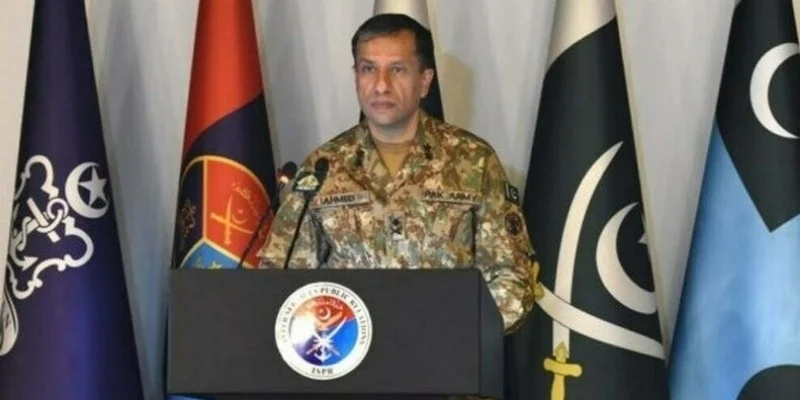
Pakistan’s military accused Kandahar Governor Mullah Shireen of hosting BLA, al-Qaeda in the Indian Subcontinent and Hafiz Gul Bahadur group leaders at an August 26 meeting to discuss attacks inside Pakistan. Kabul rejected the allegations, while Pakistan presented no public evidence to substantiate its claims.
Pakistan: Kidnapped Deputy Commissioner of Balochistan’s Kharan District Recovered
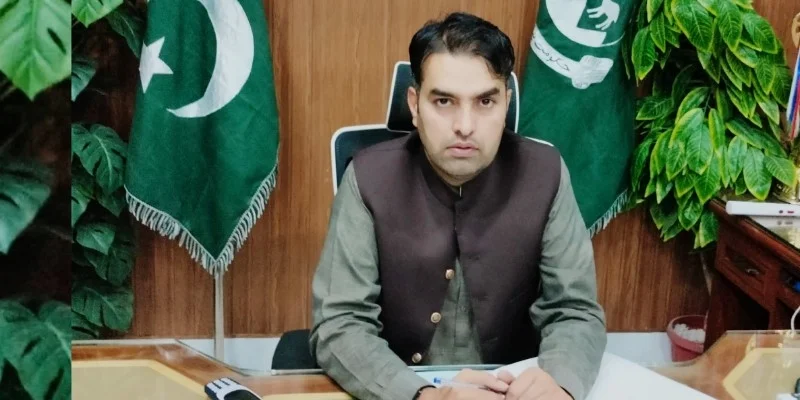
Balochistan Deputy Commissioner Munir Soomro was recovered on Friday, nearly two weeks after unidentified armed terrorists abducted him while travelling from Quetta to Kharan on September 20. Authorities have not disclosed whether ransom was paid or any conditions were agreed upon for his release.

Saudi Arabia: Alleged Suicide Bombing Attempt Foiled, Man Arrested in Mecca
A man was arrested in Mecca after videos circulated online with claims of a foiled suicide bombing attempt. Saudi authorities said he was detained for harassing passersby and causing panic, while claims that he wore an explosive vest or targeted the Grand Mosque remain unverified.