
Pakistan’s Khyber Pakhtunkhwa Plans Faceless Anti-Terrorism Courts, Rs70 Billion Security Overhaul
· 29 views
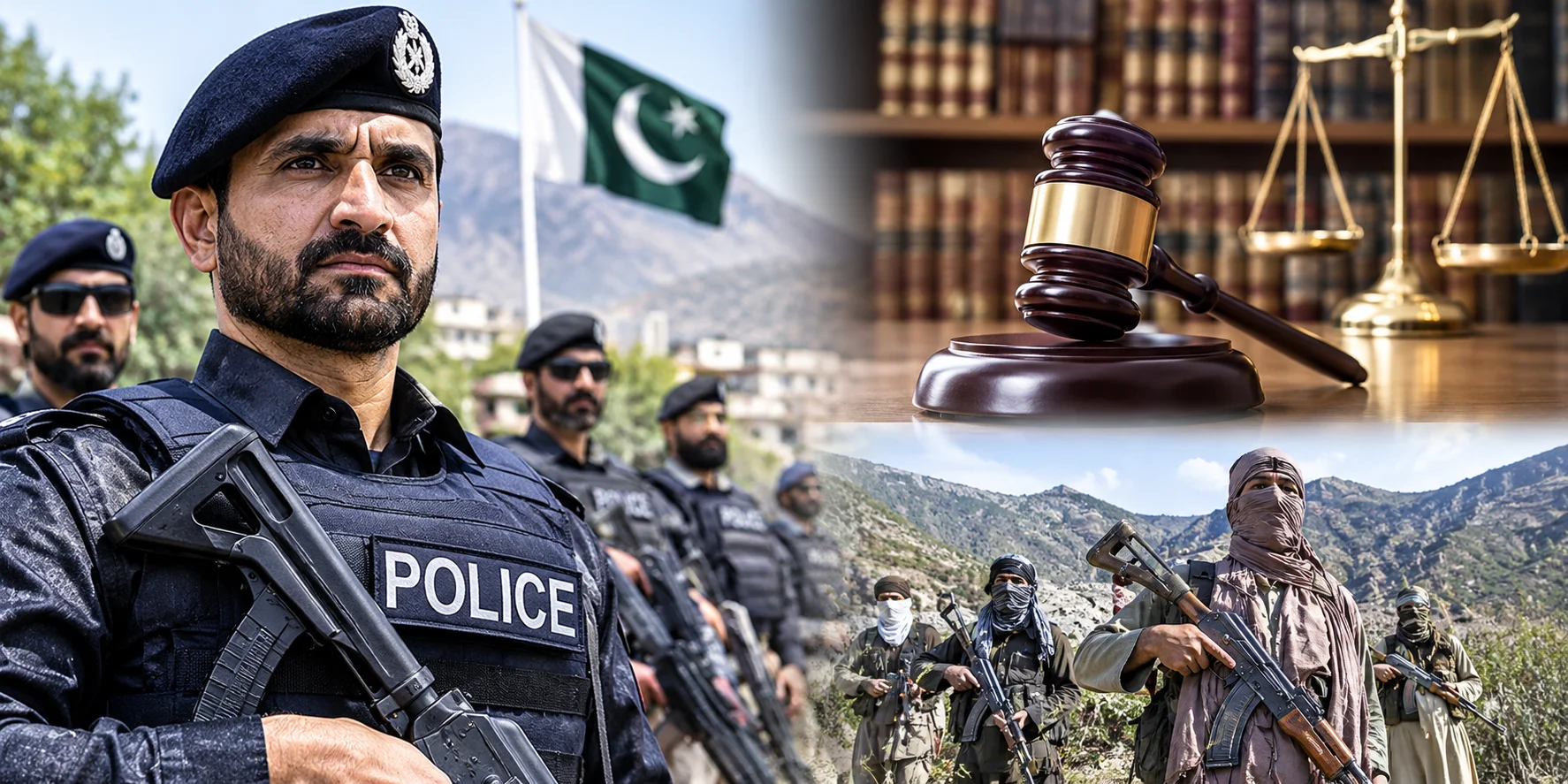
PESHAWAR (Terror Monitor) —Authorities in Pakistan’s northwestern province of Khyber Pakhtunkhwa have announced plans to establish faceless anti-terrorism courts to prosecute terrorists while protecting the identities of judges, witnesses, prosecutors and police personnel from potential retaliation by terrorist groups and their networks.
The proposed judicial system is part of a broader Rs70 billion ($approximately 250 million) security and policing programme aimed at strengthening law enforcement capabilities, addressing staff shortages and improving counterterrorism operations across the province, which has experienced a persistent resurgence of terrorist violence.
According to details presented during a high-level security briefing at the Governor’s House in Peshawar on Sunday, November 8, the provincial administration plans to fill approximately 17,000 vacant police positions and significantly expand the operational capacity of the Counter-Terrorism Department (CTD).
The briefing was attended by Khyber Pakhtunkhwa Governor Faisal Karim Kundi, senior government officials, police representatives and other relevant authorities. Provincial Home Secretary Amjad Ali Khan outlined the security challenges facing the province and presented the proposed measures.
Under the proposed faceless court system, the identities of judges, witnesses, prosecutors, police personnel and other individuals involved in terrorism-related proceedings would remain confidential.
Officials said witnesses in terrorism cases were often reluctant to testify because of threats to their lives and the possibility of retaliation against them or their families by terrorist organisations.
Home Secretary Amjad Ali Khan said the government had recently submitted proposed legislative amendments to establish the special courts, adding that the measure would also provide protection to judges and prosecutors.
The proposed arrangement is intended to allow terrorism cases to proceed without exposing the identities of those participating in judicial proceedings. According to the reported plan, parties would retain the right to appeal decisions before the relevant High Court.
Rs70 billion allocated for police and CTD modernisation
The provincial administration plans to spend approximately Rs70 billion annually on strengthening the police force and the Counter-Terrorism Department.
According to the briefing, Rs59.8 billion will be allocated to the police, including Rs33.4 billion for infrastructure development and Rs26.4 billion for equipment and procurement.
Another Rs10.3 billion is earmarked for the CTD, with Rs5.4 billion designated for infrastructure and Rs4.9 billion for procurement.
The programme aims to address longstanding shortages of personnel, operational vehicles, modern weapons, surveillance equipment and specialised training.
Officials said the CTD's operational capacity, currently estimated at 12 per cent, would be increased to 37 per cent, while the overall capacity of the provincial police force would be raised to 75 per cent.
Additional Inspector General Abbas Ahsan said recruitment would be accelerated to fill approximately 17,000 vacant police positions and overcome the shortage of personnel across the province.
Anti-drone systems and intelligence operations
The security plan also includes strengthening the police force's ability to counter the growing use of drones by terrorist organisations.
Officials acknowledged that inadequate counter-drone capabilities had exposed security personnel and police installations to additional risks.
Anti-drone systems are planned for Dera Ismail Khan, Bannu and Lakki Marwat, three districts facing significant security challenges.
The government also intends to expand the Safe City surveillance programme, establish District Nerve Centres in 10 districts and introduce satellite communication systems in areas where conventional communication networks are unavailable.
Police surveillance capabilities, counter-aerial threat systems and operational equipment will also be upgraded.
The proposed reforms include modernising the Rapid Response Force, improving specialised police training and providing personnel with training in counter-drone technology and sniping in collaboration with the Pakistan Armed Forces.
Authorities also plan to intensify intelligence-based operations against terrorist networks, arrest individuals suspected of facilitating terrorist activities and strengthen security checkpoints across the province.
The administration further intends to re-verify individuals listed under the Fourth Schedule of Pakistan's Anti-Terrorism Act to identify any suspected links with terrorist organisations.
Heavy casualties in the fight against terrorism
During the briefing, officials highlighted the human cost of the continuing violence in Khyber Pakhtunkhwa.
Home Secretary Amjad Ali Khan said that over the past two to three years, 1,003 personnel of the armed forces, 627 police personnel and 808 civilians had been killed in incidents linked to the security situation.
Officials also reported that security forces had killed 3,788 terrorists during operations over the past three years.
The briefing highlighted significant deficiencies in police infrastructure and funding, particularly in the merged tribal districts, where authorities said security allocations had remained inadequate.
The provincial administration acknowledged that police stations and security checkpoints in several areas lacked sufficient personnel, modern equipment and protective infrastructure.
Political leadership promises stronger counterterrorism policy
Governor Faisal Karim Kundi said the federal and provincial governments would work together to strengthen the fight against terrorism and provide law enforcement agencies with the resources and political support they require.
He stressed that restoring peace in Khyber Pakhtunkhwa was a priority and that security institutions would receive greater administrative and financial support.
The governor also called for closer coordination between political leadership, local communities and security agencies.
The proposed strategy includes strengthening local dispute resolution councils, establishing tribal liaison committees and organising regular jirgas to improve communication between authorities and communities.
The administration also plans to establish approximately 400 police facilitation smart desks to improve public access to police services and complaint registration.
The security briefing comes amid continuing concerns over terrorist violence in Khyber Pakhtunkhwa, particularly in its southern districts and former tribal areas bordering Afghanistan.
The proposed reforms represent an effort to address both operational weaknesses and legal obstacles in counterterrorism efforts, with the establishment of faceless anti-terrorism courts intended to reduce the risks faced by witnesses, prosecutors and judges involved in sensitive cases.
Related Articles
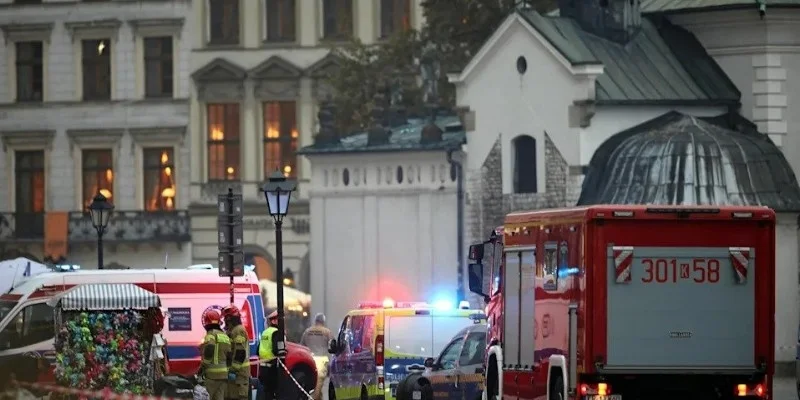
Six Killed, 15 Injured in Shooting at Poland’s Historic Krakow Square
Six people were killed and 15 others injured after a gunman opened fire in Poland’s historic Krakow Main Market Square. The suspect was shot and arrested, while police investigate a possible far-right ideological motive.
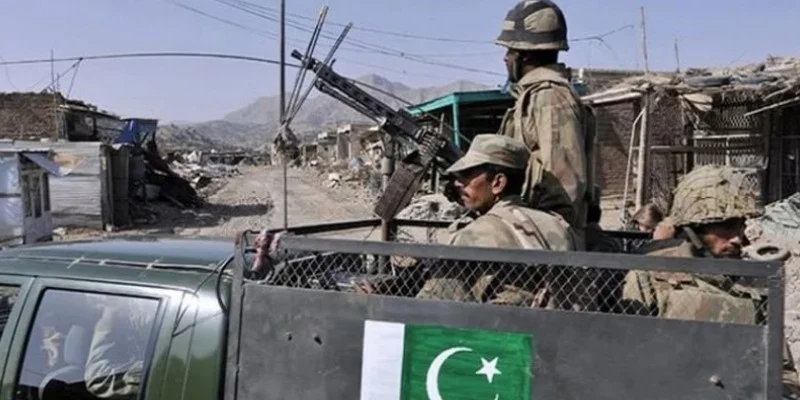
Four Militants Killed in Operation in Pakistan’s Bannu, Security Sources Say
Pakistani security forces have killed four TTP militants in an intelligence-based operation in Bannu district of Khyber Pakhtunkhwa, recovering a large quantity of weapons and ammunition. A clearance operation is underway to search for other suspected militants in the area.

Iran Executes Baluch Man Accused of Jaish al-Adl Involvement in Police Station Attack
Iran has executed Baluch man Mohammad Aref Shahbakhsh, accused of involvement in a 2024 attack on a police station in Sistan-Baluchestan and membership in the Sunni militant group Jaish al-Adl. Human rights organisations have raised concerns over his detention and the transparency of his trial.
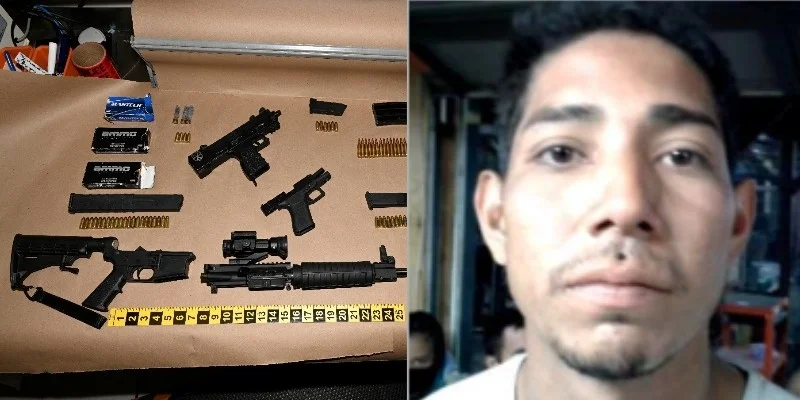
Armed Man Arrested Near White House for Allegedly Plotting to Assassinate Trump
An armed Venezuelan man has been arrested near the White House after allegedly telling authorities he traveled to Washington to assassinate President Donald Trump. Three firearms, including an AR-15 rifle, a MAC-10 and a Glock handgun, along with dozens of rounds of ammunition, were recovered from a stolen vehicle.