
Saudi Arabia Executes Two More Shia Men as Death Toll Reaches 211 in 2026 Amid Iran War
· 77 views
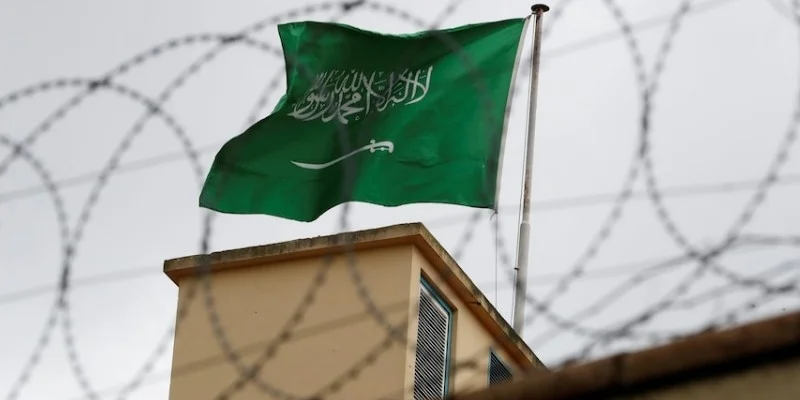
Riyadh (Terror Monitor) — Saudi Arabia has executed two more men from its Shia-majority Eastern Province, bringing the number of executions carried out in the kingdom this year to 211, according to an Agence France-Presse (AFP) tally, as human rights organizations warn of mounting repression against the country's Shia minority amid the ongoing war involving Iran.
The two men, identified as Jawad Abdullah Qureiris and Fadel Hassan al-Safwani, were executed on Saturday, November 14, following their convictions on terrorism-related charges, according to Saudi authorities.
Saudi Arabia's Interior Ministry said both men were found guilty of joining a foreign terrorist organization, opening fire on security personnel and vehicles using firearms and explosives, possessing weapons and ammunition, and providing financial support for terrorist operations inside the kingdom. Their death sentences were upheld by the appeals court and Supreme Court before a royal order authorized their executions.
However, human rights organizations have raised serious concerns about the cases, particularly the circumstances surrounding Qureiris' arrest and the fact that he was a minor when he participated in protests in the eastern city of Qatif.
According to Deutsche Welle (DW), al-Safwani was among the prominent organizers of peaceful demonstrations in 2011 demanding civil rights and the release of detainees. Qureiris also participated in one of those demonstrations when he was under 18 years of age.
The United Nations Working Group on Arbitrary Detention called for Qureiris' release in November 2024, concluding that his detention was arbitrary. He was the fourth of five men covered by the UN opinion to be executed, according to human rights organizations.
AFP reported on Monday that the latest two executions brought the number of people executed in Saudi Arabia during 2026 to 211. The tally includes 126 people convicted of drug trafficking and 17 executed on terrorism-related charges. Of those executed, 100 were Saudi nationals, while the remainder were foreign nationals.
Growing concerns over repression of Shia minority
Saudi authorities have historically viewed certain forms of Shia political activism with suspicion, partly because of concerns about Iranian influence and alleged connections between domestic dissent and Tehran.
Human rights organizations argue that accusations of Iranian links have repeatedly been used to justify restrictions, arrests and prosecutions targeting members of the kingdom's Shia minority.
The country's oil-rich Eastern Province, particularly the Qatif region, is home to a large proportion of Saudi Arabia's Shia population and has witnessed repeated protests over political rights, discrimination and the treatment of detainees.
Sarah Leah Whitson, a human rights lawyer and former executive director of the US-based organization Democracy for the Arab World Now (DAWN), told DW that the Saudi government had repeatedly failed to protect its population from Houthi attacks, including strikes targeting airports.
She said the attacks had exposed vulnerabilities in the kingdom despite its record spending on defence equipment.
Whitson also argued that the Saudi government had accelerated executions and corporal punishment during the Iran war, describing the latest developments as evidence of continued repression.
Maryam Al-Dosari, acting director of the London-based human rights organization ALQST, similarly accused Saudi authorities of using the regional conflict to intensify their crackdown.
She told DW that the war involving Iran and the wider regional tensions had been used to increase the application of the death penalty and reinforce political repression against the country's Shia minority.
Iran war raises pressure on Saudi leadership
Saudi Arabia has faced security challenges following the outbreak of the conflict involving the United States, Israel and Iran in February, including attacks attributed to Iran and Yemen's Iran-backed Houthi rebels.
The attacks have raised concerns about the security of critical infrastructure, aviation and economic facilities in the kingdom, while also threatening the economic diversification programme pursued by Crown Prince Mohammed bin Salman under his Vision 2030 initiative.
The regional conflict has placed the Saudi leadership in a difficult position as it seeks to maintain domestic stability, protect foreign investment and pursue its ambitious economic transformation plans.
However, not all analysts agree that the war can be directly linked to a deterioration in Saudi Arabia's human rights record.
Neil Quilliam, an associate fellow with the Middle East and North Africa Programme at London's Chatham House think tank, cautioned against establishing a direct connection between the regional conflict and the kingdom's domestic human rights policies.
He said Saudi Arabia had introduced significant social reforms over the past decade, including expanding opportunities for women, but restrictions on political dissent and activism remained in place.
Quilliam noted that periods of regional tension could heighten national security concerns among authorities, reducing their tolerance for public criticism and activities perceived as threats to social stability.
He said it was difficult to establish whether the situation represented a fundamental change in human rights policy, although some observers believed the space for dissent had become increasingly restricted, not only in Saudi Arabia but also in other Gulf countries.
DW reported that it contacted Saudi Arabia's Human Rights Commission on Monday, November 16, seeking comment on the allegations, but had received no response by the time its report was published.
The latest executions have renewed international scrutiny of Saudi Arabia's use of capital punishment, particularly in cases involving members of the Shia minority and individuals accused of offences committed when they were minors.
Related Articles

Saudi Arabia Intercepts Two Houthi Drones, Two Cruise Missiles Targeting Riyadh
Saudi Arabia’s military coalition says it intercepted two Houthi drones targeting Riyadh and southern regions, along with two cruise missiles aimed at the capital, as Yemen’s Iran-backed rebels claim 87 Saudi air and missile strikes across Yemen in the past 24 hours.
CENTCOM Chief Visits Israel, Holds Talks With IDF Chief and Mossad Director Amid Rising Tensions With Iran
U.S. CENTCOM chief Admiral Brad Cooper visits Israel and meets IDF Chief Eyal Zamir and Mossad Director Roman Gofman amid escalating tensions with Iran and Iranian attacks across the Gulf region.
Putin Discusses Ukraine War With Xi Ahead of Historic Trilateral Summit With Trump in China
Putin discusses the Ukraine war with Xi Jinping ahead of a historic trilateral summit with Donald Trump in China, as the three leaders prepare for unprecedented talks on global security and geopolitical tensions.
Israel Launches New Military Operation in Central Gaza, Tanks Advance Near Bureij and Nuseirat Camps
Israeli tanks and bulldozers advance towards Gaza’s Bureij and Nuseirat refugee camps as the military launches a new ground operation, killing at least one Palestinian and displacing dozens of families despite the ongoing ceasefire.