
Trump Denies Offering Iran Concessions as Tehran Pushes for Diplomatic End to War
· 1,255 views
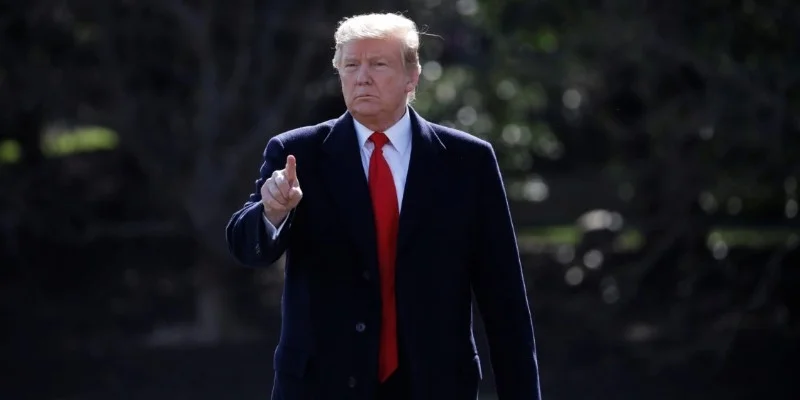
Washington, D.C. (Terror Monitor) — U.S. President Donald Trump has denied reports that his administration offered Iran sanctions relief and access to frozen Iranian funds in exchange for concrete steps to curb Tehran’s nuclear program, rejecting claims that Washington had put forward such concessions as part of efforts to end the ongoing war.
Trump made the denial in a post on his Truth Social platform after reports by U.S. media outlets, including Axios and CNN, said his administration was prepared to consider economic concessions if Iran took substantive measures concerning its nuclear activities. Axios reported, citing U.S. officials, that Trump was willing to offer sanctions relief and access to frozen Iranian funds in exchange for concrete actions by Tehran to limit its nuclear program.
“Axios just released a story that ‘Trump’ offered Sanctions Relief and Frozen Funds to Iran. This is untrue. I offered them NOTHING!” Trump wrote, according to reports quoting his Truth Social statement.
The reports emerged as Washington and Tehran remained engaged in indirect contacts through regional mediators, with efforts continuing to find a diplomatic formula for ending the conflict and addressing the dispute over the Strait of Hormuz.
Iranian officials have repeatedly said that the conflict, which began with U.S. and Israeli airstrikes against Iran in late February, can ultimately be resolved through diplomacy and negotiations. Tehran has also linked the reopening of the Strait of Hormuz to an agreement with Washington.
Iranian President Masoud Pezeshkian has said Tehran is prepared for negotiations but would not accept what he described as coercion. Iranian Foreign Minister Abbas Araghchi has likewise emphasized that a diplomatic settlement is necessary and has tied the reopening of the strategic waterway to mutually agreed terms.
The Strait of Hormuz has become a central issue in the negotiations because it is a critical maritime route for global energy supplies. Iran has proposed a mechanism under which the waterway could be fully reopened within seven days as part of a broader arrangement to halt hostilities and resume nuclear negotiations.
Recent Iranian proposals have reportedly included demands for the lifting of the U.S. naval blockade, sanctions relief and the release of frozen Iranian assets. In return, Tehran would take steps toward de-escalation and reopening the Strait of Hormuz. The proposals have similarities with an earlier memorandum of understanding that failed to produce a lasting agreement.
Trump, however, rejected Iran’s latest seven-day proposal, saying it was unacceptable. His administration has argued that Tehran must make substantive commitments, particularly concerning its nuclear program, before Washington agrees to major concessions. U.S. officials have also maintained that economic pressure and sanctions are weakening Iran’s position.
CNN reporting has similarly described major differences between the two sides. Tehran has sought the lifting of the naval blockade and access to frozen assets, while the Trump administration has continued to demand concessions on Iran’s nuclear program.
Despite the disagreement, diplomatic contacts have continued. Trump has indicated that U.S. officials have been communicating with mediators and that further talks could take place, while Qatar and Pakistan have been involved in efforts to facilitate indirect communication between Washington and Tehran.
The conflicting accounts over possible sanctions relief highlight the gap between the positions of Washington and Tehran. While Iranian officials are pressing for an arrangement that would quickly restore economic and maritime access, the Trump administration has signaled that any broader settlement would have to address its concerns over Iran’s nuclear program.
For now, Trump’s categorical denial means that there is no publicly acknowledged U.S. offer matching the reported package of sanctions relief and access to frozen Iranian funds. The claims remain based on reports citing U.S. officials, while the president himself has explicitly rejected the characterization that he offered Iran such concessions.
Related Articles
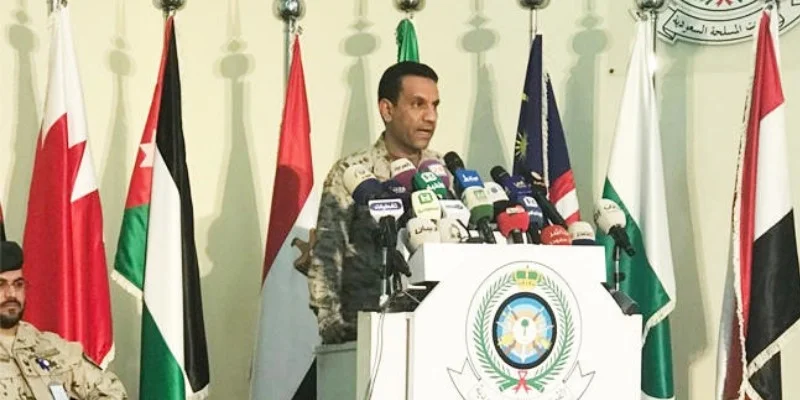
Saudi-Led Coalition Says It Intercepted Three Houthi Ballistic Missiles as Fighting Intensifies in Yemen
A Saudi-led coalition said it intercepted and destroyed three ballistic missiles fired by Iran-backed Houthis toward Khamis Mushait in southern Saudi Arabia. The Houthis claimed Saudi Arabia carried out 94 attacks in Yemen within 24 hours, as fighting intensified around the strategic city of Taiz.
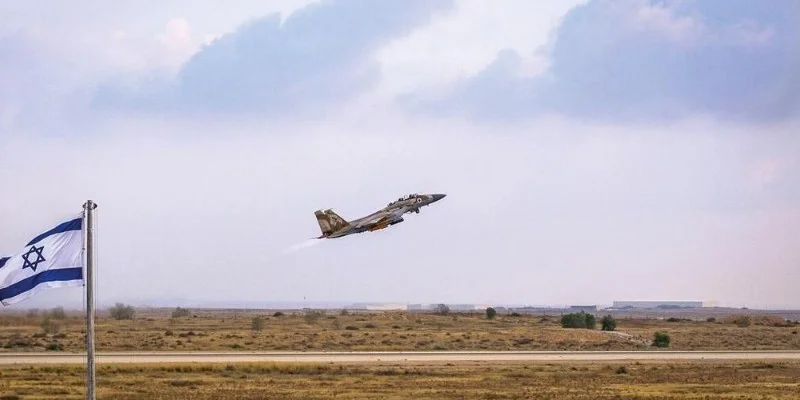
Israeli Airstrike on Gaza Residential Building Kills at Least Five Hamas Fighters
At least five Hamas fighters were killed in an Israeli airstrike on a residential building in Gaza City early Saturday, according to Gaza health officials and aid workers. The strike comes amid a fragile ceasefire, with disputes over Hamas’s disarmament and Israeli troop withdrawal continuing. Gaza officials say at least 1,400 Palestinians have been killed since the truce began in October 2025.
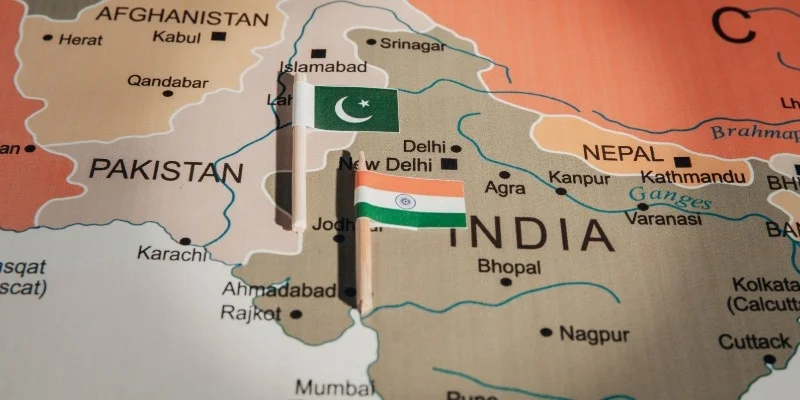
Two Pakistanis Killed, One Injured in Indian BSF Firing in Kasur
Two Pakistani civilians, Azmat Rasool and Mohsin Jutt, were killed and another injured in a shooting involving India’s Border Security Force near the international border in Kasur district. Pakistani sources said the men were shot without warning, while Indian media, citing BSF sources, claimed the two killed were attempting to cross into Indian Punjab illegally.

Saudi-Led Coalition Accuses Iran-Backed Houthis of Drone Attack on Power Facility in Madinah
Saudi-led coalition accused Iran-backed Houthis of launching a drone attack on an electricity distribution station in Madinah that supplies the Prophet’s Mosque. The strike reportedly disabled one transformer without disrupting the wider power network. The Houthis denied responsibility as Turkey, Qatar, the Arab League and Al-Azhar condemned the alleged attack.