
Trump, NATO Chief Discuss Ukraine and Iran Wars at Mar-a-Lago
· 64 views
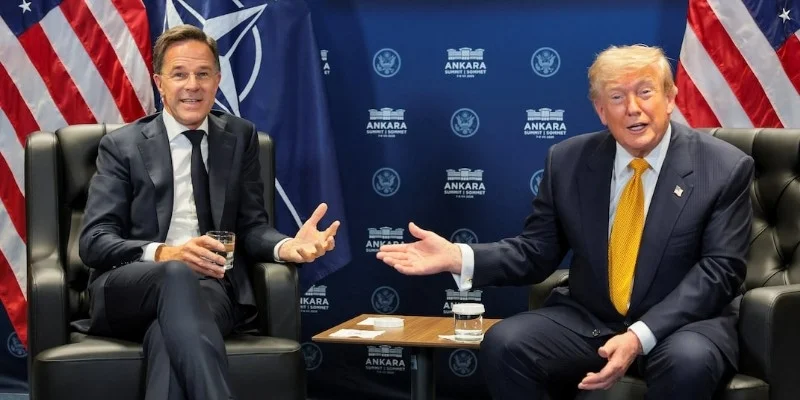
Washington, D.C. (Terror Monitor) — US President Donald Trump and NATO Secretary General Mark Rutte held a closed-door meeting at Trump's Mar-a-Lago residence in Florida on Wednesday, discussing the ongoing war in Ukraine, the conflict involving Iran, and increased defence spending among NATO member states.
The meeting came amid growing tensions between Washington and some of its traditional Western allies over Trump's approach to international conflicts and his relations with Russian President Vladimir Putin and Chinese President Xi Jinping.
It also followed Trump's recent meetings with Putin and Xi during his visit to Asia last week, during which the US president described both leaders as his friends.
The White House described the meeting as “outstanding” and “very impactful.” According to the joint statement, the discussions focused primarily on Russia's war against Ukraine and the ongoing conflict involving Iran.
The statement said the two leaders also reviewed what they described as significant achievements at recent NATO summits in The Hague and Ankara, particularly regarding defence cooperation and military investment.
“We also discussed the importance of Russia avoiding any actions that intentionally, or unintentionally, expand the war, and the importance of obtaining a peaceful resolution to the war as rapidly as possible,” the statement said.
The leaders further agreed on the importance of continuing to increase defence spending and investment in the defence industrial base in both the United States and NATO member countries.
Ukraine's security guarantees
NATO Secretary General Mark Rutte has repeatedly attempted to ease tensions between Washington and European capitals, particularly over Trump's criticism of NATO members and his approach to Russia's invasion of Ukraine.
Speaking ahead of the Florida meeting, Rutte defended Trump's diplomatic engagement with Putin, saying the US president was testing whether the Russian leader was genuinely prepared to negotiate an end to the war.
“What President Trump is doing, also in the meeting in Shenzhen, is testing Putin,” Rutte said in an interview with Fox News.
He added that the international community needed to maintain pressure on Moscow to determine whether Putin was serious about returning to the negotiating table.
Rutte has also stressed that any future agreement to end the war must include credible security guarantees for Ukraine.
“When the war ends, either with a peace deal, preferably, or if not possible, a long-term ceasefire, we need to make sure that Ukraine has the security guarantees going forward,” he said.
He added that Ukraine must continue receiving the military assistance and resources necessary to defend itself and maintain pressure on Russian forces.
“But the most important thing here is that we have to make sure that Ukraine has what it needs to keep the fight going, being so successful and putting that maximum pressure on the Russians,” Rutte said.
European allies seek role in peace negotiations
The meeting took place amid growing calls from European governments to participate in diplomatic efforts aimed at ending the war between Russia and Ukraine.
So far, preliminary negotiations have primarily involved representatives from Ukraine, the United States and Russia, while European countries have expressed concern about being excluded from discussions that could determine the future security arrangements of the continent.
Ukrainian President Volodymyr Zelenskyy has repeatedly insisted that European countries must have a seat at the negotiating table, arguing that any agreement affecting Ukraine's future security cannot be reached without the involvement of its European partners.
Trump has faced criticism from Democrats in the United States and several European allies over his approach to Putin, with critics accusing him of showing greater willingness to accommodate Moscow than Kyiv.
Following his recent meeting with the Russian president, however, Trump said Putin wanted to end the conflict through diplomatic means.
The president's engagement with Putin has also raised concerns among some European governments, particularly given Russia's continued military campaign against Ukraine.
NATO defence spending and US military presence in Europe
Defence spending was another major issue discussed during the meeting.
Trump has repeatedly urged European NATO members to increase their military budgets and take greater responsibility for the alliance's collective defence, arguing that the United States has carried a disproportionate share of the financial burden.
According to the joint statement, Trump and Rutte discussed expanding defence spending and strengthening military production capabilities across the alliance, as well as in the United States.
The discussions come as US Defence Secretary Pete Hegseth is expected to announce plans in the coming weeks to review America's military presence in Europe.
The proposed review could have significant implications for European security, particularly as NATO countries remain concerned about Russia's military activities and the long-term implications of the war in Ukraine.
Trump has previously questioned the level of US military and financial commitments to European security and called on NATO allies to increase their contributions.
Iran conflict also on agenda
The ongoing war involving Iran was also among the principal subjects of the discussions between Trump and Rutte.
The joint statement confirmed that the conflict involving Iran was discussed alongside the war in Ukraine. However, neither the White House nor NATO provided specific details about the Iran-related discussions or disclosed whether the two leaders considered any new military or diplomatic measures.
The meeting comes as the United States and its European allies face broader security challenges, including the consequences of the Iran conflict and disagreements over the future direction of NATO.
According to Reuters, the meeting also reflected the diplomatic challenges facing Rutte as he attempts to maintain Trump's commitment to the alliance while addressing concerns among European members over Washington's relations with Moscow and Beijing.
The Associated Press and Agence France-Presse also reported that the discussions focused on preventing further escalation of the Ukraine war, strengthening Ukraine's future security arrangements and increasing defence spending across NATO.
The meeting at Mar-a-Lago was held behind closed doors, with no journalists present. The joint statement released afterwards did not provide a detailed account of the discussions or announce any specific agreement on Ukraine or Iran.
Related Articles
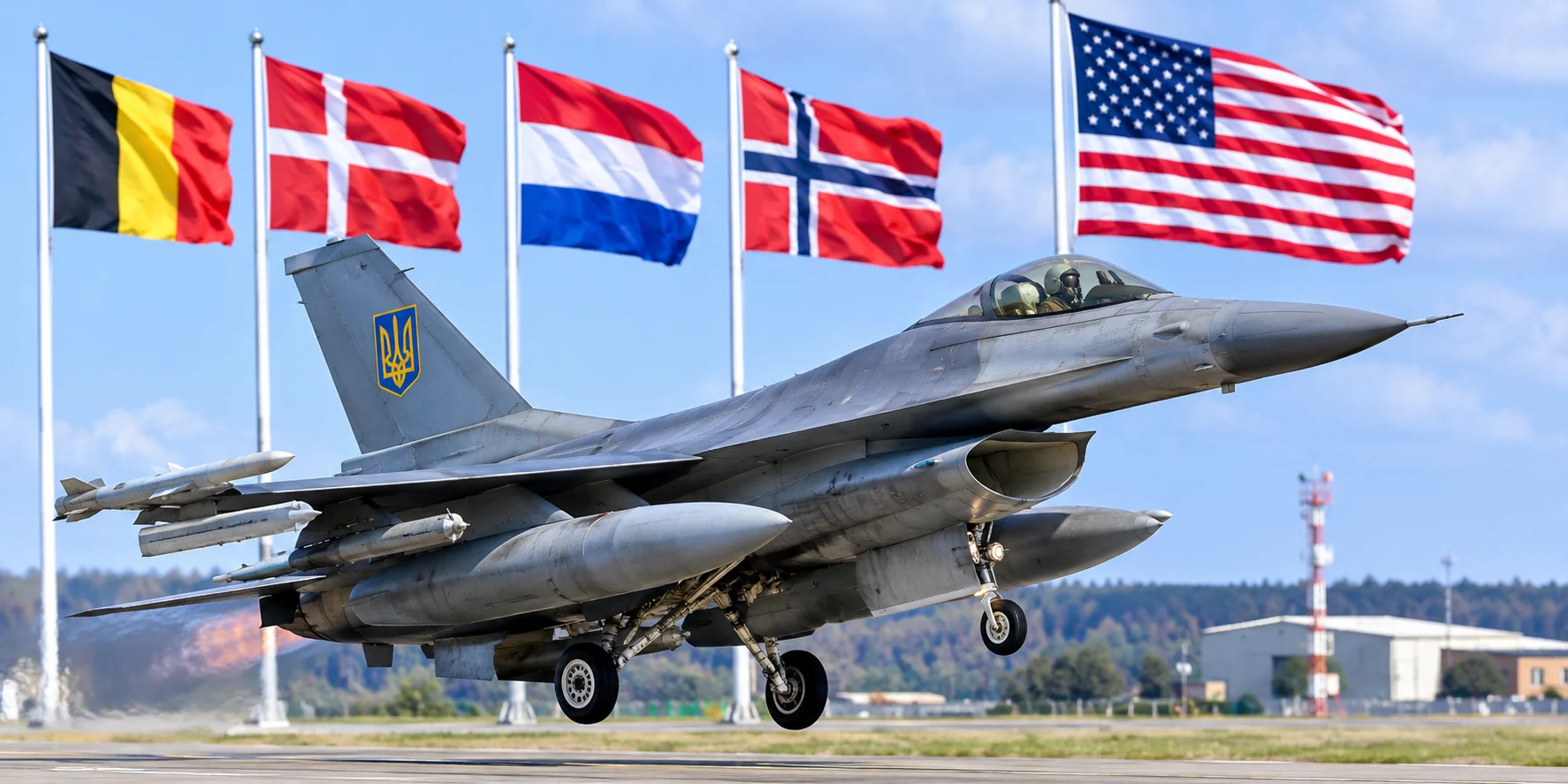
US Approves $621.9 Million F-16 Support Package for Ukraine, Funded by Four European Allies
The United States has approved a potential $621.9 million support package for Ukraine’s F-16 fighter jets, covering maintenance, spare parts, technical assistance and logistics. Belgium, Denmark, the Netherlands and Norway will finance the entire package, with no US government funds involved.
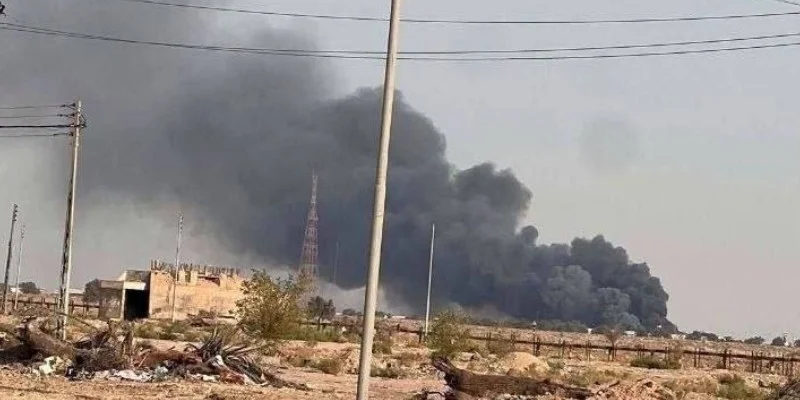
Two Italian Rheinmetall Experts Killed in Iranian Drone Attack in Kuwait, Pakistani National Injured
Two Italian Rheinmetall Experts Killed in Iranian Drone Attack in Kuwait, Pakistani National Injured KUWAIT CITY (Terror Monitor) — Two Italian nationals working for German defence manufacturer Rheinmetall were killed in an Iranian drone attack on a military installation in Kuwait on Thursday, while a Pakistani national and a Kuwaiti citizen were injured, according to Kuwaiti and Italian officials. Kuwait's Ministry of Defence said in a statement posted on the social media platform X that its
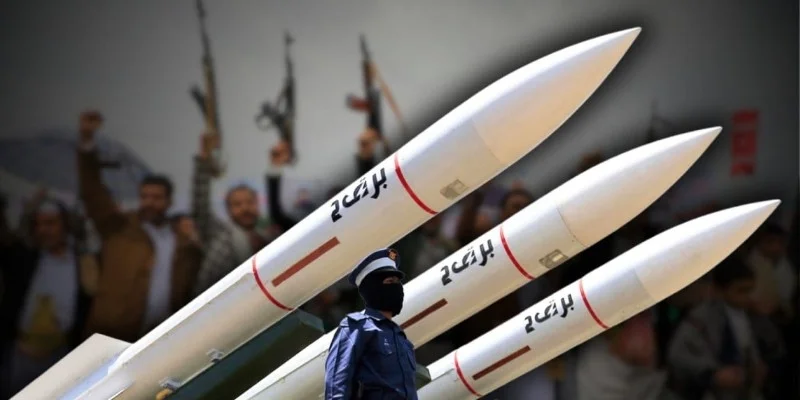
Houthi Attack on Saudi Arabia’s Jazan Oil Refinery Kills Nepalese Worker, Injures Several Others
An Iranian-backed Houthi attack on Saudi Arabia’s Jazan oil refinery killed a Nepalese worker and injured several others, triggering a fire and temporarily disrupting operations. The Saudi-led coalition has threatened a decisive military response and said it destroyed a Houthi missile-launch platform in Yemen.
Saudi-Led Coalition Shoots Down Houthi Drone Near Jeddah Port as Houthis Claim Attacks on Two Saudi Ports
Yemen’s Iran-backed Houthi rebels claim to have struck Saudi Arabia’s Jeddah and Jazan ports in retaliation for Saudi-led coalition attacks on Yemen’s Red Sea port of Hodeidah. The coalition says it intercepted and destroyed a Houthi drone near Jeddah Islamic Port, while a separate projectile caused minor damage at Jazan port, with no civilian casualties reported.