
Turkish Parliament Ratifies Mecca Defence Pact with Pakistan and Saudi Arabia
· 43 views
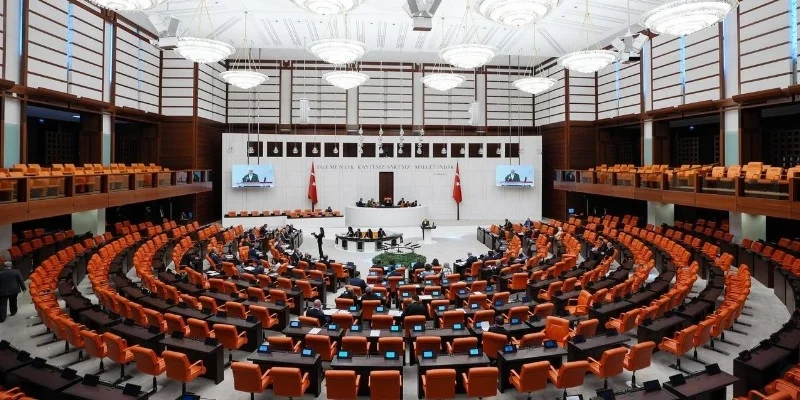
ANKARA (Terror Monitor) — Türkiye’s parliament has ratified the Mecca Joint Defence Agreement with Pakistan and Saudi Arabia, approving a landmark trilateral security pact that commits the three countries to treat an armed attack against any one of them as an attack against all three.
The agreement was approved on Thursday by 279 votes to 119 in the Turkish parliament, clearing an important legislative hurdle for Ankara to provide military assistance to Riyadh amid growing regional tensions and renewed attacks by Yemen’s Iran-backed Houthi group against Saudi Arabia.
The ratification comes as countries across the Middle East remain concerned about the possibility of renewed escalation in the war involving the United States and Iran, with fears that further fighting could spread beyond the immediate conflict zone and draw neighbouring countries into a wider confrontation.
According to Reuters and the Associated Press, the agreement was signed in August in the Saudi city of Mecca by Saudi Crown Prince Mohammed bin Salman, Turkish President Recep Tayyip Erdogan and Pakistani Prime Minister Shehbaz Sharif. It was submitted to the Turkish parliament for ratification last month.
The 16-article agreement establishes a framework for collective defence, military coordination, intelligence sharing, joint deterrence and cooperation in the defence industry. Its central provision states that an armed attack or military aggression against one signatory would trigger an obligation by the other parties to provide assistance using available mutual-support measures.
The provision has been compared with Article 5 of the North Atlantic Treaty, which establishes NATO’s collective-defence principle.
Turkish military deployment would require separate approval
Although parliamentary ratification formalises Türkiye’s mutual-defence commitment, it does not automatically authorise the deployment of Turkish troops to Saudi Arabia.
A separate parliamentary mandate would be required before Turkish military personnel could be stationed in the kingdom under the agreement.
A ruling-party lawmaker previously told Reuters that the government intended to submit a separate proposal to parliament to authorise such a deployment.
Turkish officials have said Ankara is considering military assistance to Saudi Arabia, but have stressed that the agreement is defensive in nature and does not mean Turkish forces will be sent to Yemen to fight the Houthis or conduct offensive operations against them.
Türkiye’s Defence Minister Yasar Guler has previously indicated that the purpose of potential assistance would be to strengthen Saudi Arabia’s deterrence capabilities rather than involve Turkish forces in direct combat with the Houthis.
Potential areas of cooperation include military equipment, intelligence, weapons systems, technical expertise, air defence and electronic warfare capabilities.
Opposition warns against involvement in regional conflicts
The agreement faced objections from opposition lawmakers, who warned that it could expose Türkiye to regional conflicts and put the lives of Turkish soldiers at risk.
Murat Emir, deputy leader of the opposition Republican People's Party parliamentary group, criticised the agreement, arguing that it could lead to the deployment of Turkish troops to Yemen.
The history of Ottoman military involvement in Yemen during the early 20th century remains a sensitive subject in Türkiye, where the heavy loss of Ottoman soldiers in conflicts there continues to shape public and political perceptions.
Fuat Oktay, chairman of the Turkish parliament’s foreign affairs committee and a member of Erdogan’s ruling party, sought to reassure critics, saying Türkiye would not be drawn into an uncontrolled process against its will. He emphasised that any deployment of troops would require further parliamentary approval.
Türkiye, which has NATO’s second-largest military, has developed a substantial domestic defence industry and increasingly seeks to expand its military and security partnerships beyond its traditional alliances.
Pact not directed against Iran, officials say
Turkish and Pakistani officials have maintained that the agreement is not directed against Iran or any other country.
The three governments have presented the arrangement as a defensive partnership intended to strengthen regional security, improve military coordination and reduce vulnerabilities amid rising geopolitical tensions.
Saudi Arabia is also seeking to diversify its security partnerships and reduce its dependence on the United States by developing closer defence relationships with regional powers, particularly Türkiye and Pakistan.
The agreement brings together Saudi Arabia’s financial and regional influence, Pakistan’s military experience and Türkiye’s large armed forces and expanding defence industry.
According to the Associated Press, the three countries have already held ministerial-level meetings in Istanbul and Riyadh. High-level delegations from the three partners also held talks in Tehran last month in an effort to prevent a renewed outbreak of fighting in the US-Iran conflict.
Syria expresses interest in joining the alliance
Meanwhile, Syria has indicated interest in becoming part of the defence arrangement.
Syrian Foreign Minister Asaad al-Shaibani said last week at a conference in Bahrain that discussions were underway regarding possible Syrian participation in the agreement.
Syria has developed closer relations with both Türkiye and Saudi Arabia since the fall of former President Bashar al-Assad in December 2024. Membership in the arrangement could strengthen Damascus’s regional security partnerships at a time when Israel continues to carry out military operations inside Syrian territory and maintains control over parts of the country’s south.
A Turkish official confirmed that discussions about Syria’s possible participation were taking place but said the existing members were currently focused on giving the agreement an institutional structure.
The official said there would be no question of admitting a third country until that process had been completed.
The agreement allows for additional countries to join with the consent of its existing members. According to the Associated Press, the pact is designed to remain in force for 10 years, after which members may withdraw by providing advance notice.
Its secretariat is expected to be based in Saudi Arabia, with retired Pakistani General Nauman Mahmood selected as its first secretary-general for a three-year term.
The Turkish parliament’s ratification marks a significant step towards formalising a new regional security partnership. However, the extent of its military commitments, particularly any deployment of Turkish or Pakistani personnel to Saudi Arabia, will depend on further political decisions and the implementation of the agreement.
Related Articles
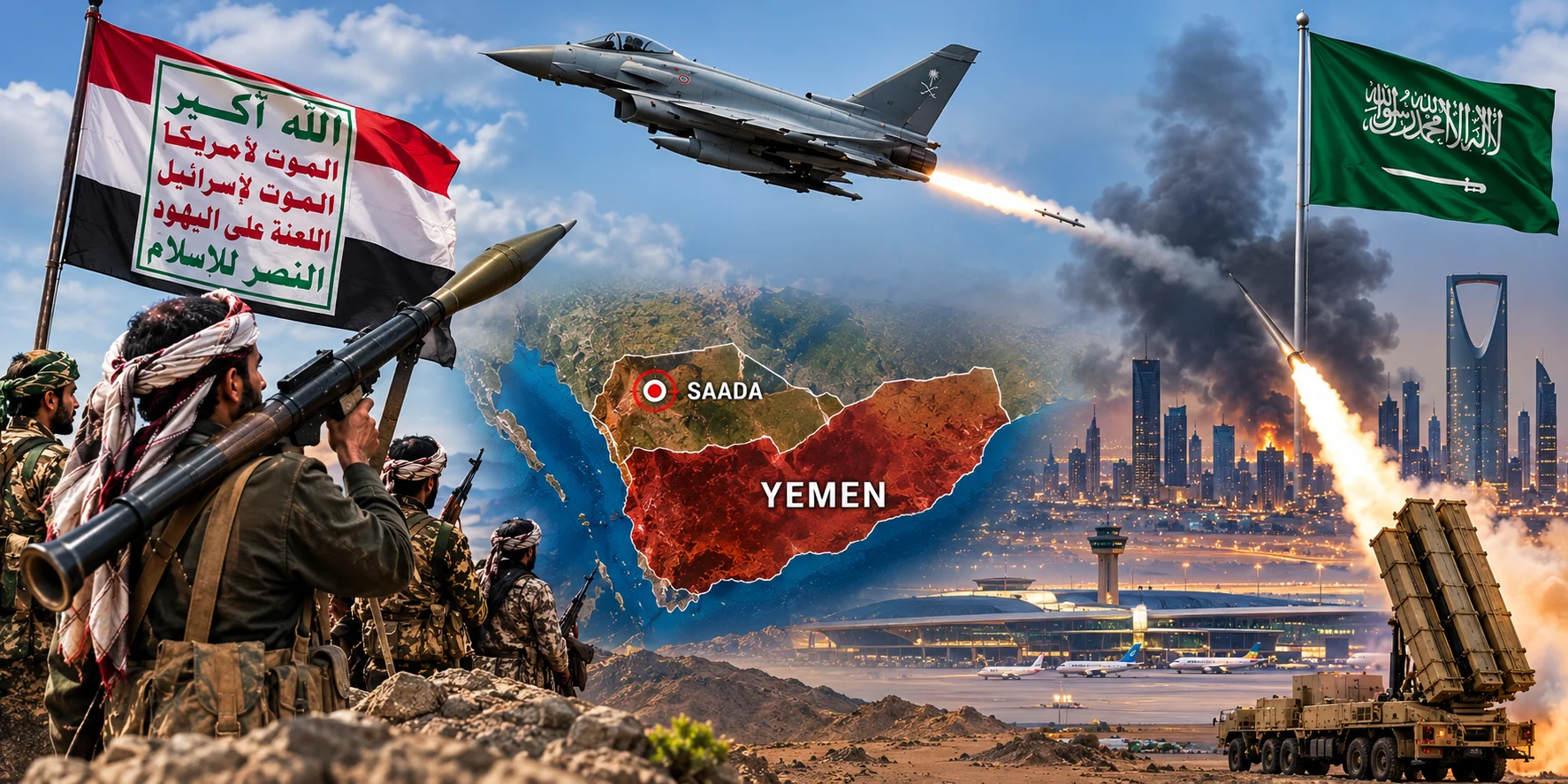
Houthis Claim Saudi Airstrikes Kill 30 at Busy Market in Yemen's Taiz Province
Iran-backed Houthi rebels claim Saudi-led coalition airstrikes killed at least 30 people and wounded eight others at a crowded market in Yemen's Taiz province. Yemeni government-aligned authorities have disputed the Houthis' account, while the Associated Press says it could not independently verify responsibility for the attack.
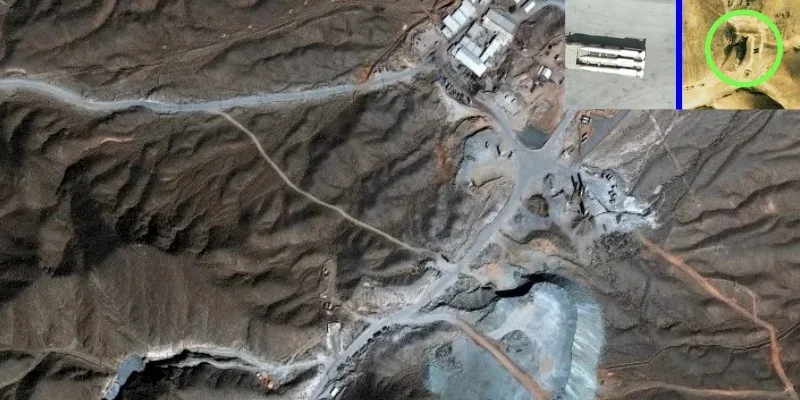
Iran Rebuilds Missile Bases and Moves Military Infrastructure Underground Amid Fears of Renewed US-Israeli Strikes
Satellite imagery shows Iran rebuilding damaged missile bases and expanding underground military facilities as Tehran prepares for possible renewed US-Israeli airstrikes. The reconstruction comes amid growing speculation about further American military action and political divisions in Washington over the war's consequences.
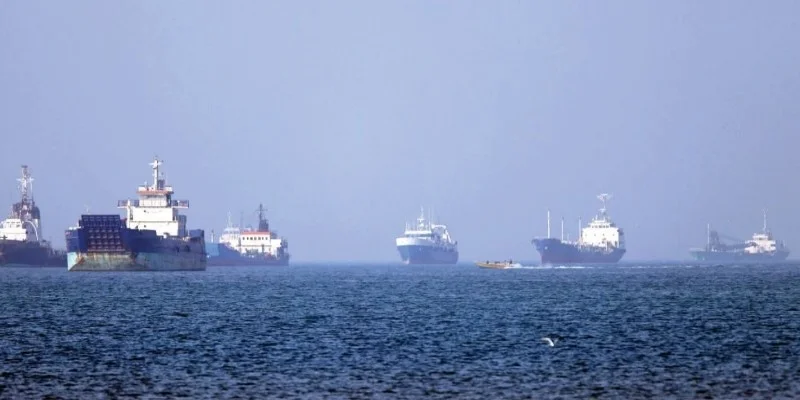
US Sanctions Indian Couple and Companies Over Alleged Support for Iran’s Shadow Tanker Fleet
The US has sanctioned an Indian couple and several companies for allegedly operating fraudulent maritime registries and helping Iran’s shadow tanker fleet transport oil while evading international sanctions.
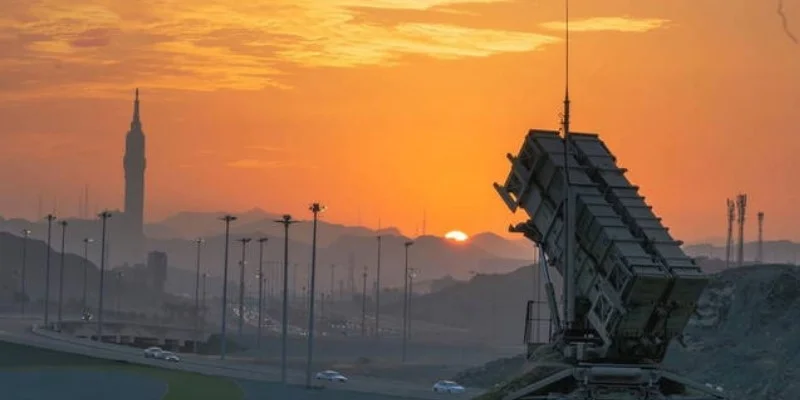
Saudi-Led Coalition Says It Intercepts Ballistic Missile Fired Toward Madinah
The Saudi-led coalition says it has intercepted and destroyed a ballistic missile allegedly launched by Yemen's Iran-backed Houthis towards the Madinah region, while the group has denied targeting the holy city, insisting its attacks are limited to Saudi oil facilities and military bases.