
UK: Convicted Terrorist Munir Farooqi Buried in Manchester, Mosque Faces Scrutiny
· 46 views
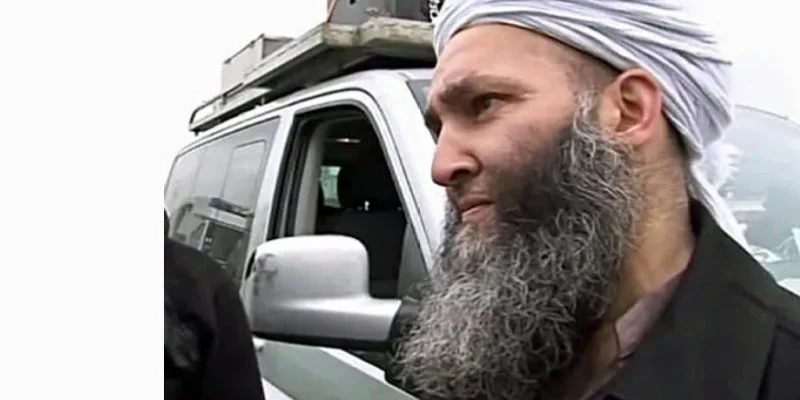
MANCHESTER (Terror Monitor) — Munir Farooqi, a Pakistan-born British man who was sentenced to four life terms in 2011 for terrorism-related offences, has been buried in Manchester following a Muslim funeral attended by more than 100 people, according to reports.
Farooqi, who died in prison in late September at the age of 69, was the central figure in a counterterrorism case involving an undercover police operation in Manchester. He had been convicted of preparing for acts of terrorism, three counts of soliciting murder and disseminating terrorist publications. His convictions and sentences were upheld on appeal in 2013.
His funeral prayers, or Salat al-Janazah, were held at Manchester Central Mosque on September 30 before his burial at a Manchester cemetery, according to 5Pillars. The outlet reported that more than 100 people attended, including members of Farooqi’s family.
The funeral has attracted political attention because Greater Manchester Mayor Andy Burnham visited the same mosque in February, when he attended an iftar with members of the local Muslim community.
Conviction followed undercover police operation
Farooqi became the focus of a major British counterterrorism investigation after two undercover police officers infiltrated his circle between 2008 and 2009.
According to evidence presented at his 2011 trial, Farooqi operated Islamic book stalls in Manchester and used his religious outreach activities to identify and influence vulnerable individuals. Prosecutors said he attempted to encourage recruits to travel to Afghanistan or Pakistan to participate in violent jihad.
The prosecution described him as the leader of an organised effort to recruit men to fight overseas. The Guardian reported at the time that police officers had spent more than a year infiltrating the group before Farooqi and two co-defendants were arrested and prosecuted.
Farooqi had previously travelled to Afghanistan in 2001 following the September 11 attacks and joined the Taliban. He was captured later that year and imprisoned before returning to Manchester in 2002, according to evidence summarized by the Court of Appeal and contemporary reporting.
Following his return, he operated an Islamic literature stall and maintained a large collection of books, DVDs and CDs. Prosecutors argued that his experiences in Afghanistan helped him influence potential recruits.
Four life sentences
In September 2011, a Manchester Crown Court jury convicted Farooqi of preparing for acts of terrorism, three counts of soliciting murder and disseminating terrorist publications.
He received four life sentences and was ordered to serve a minimum of nine years before becoming eligible for consideration for parole. Judge Richard Henriques described him as a dangerous extremist and said he had used his experiences fighting in Afghanistan as part of his recruitment efforts.
Two other men were also convicted in the case. Israr Malik received an indeterminate sentence, while Matthew Newton, a convert to Islam, was sentenced to six years in prison.
Farooqi denied criminal wrongdoing and challenged his convictions and sentences. His defence argued that the prosecution had failed to establish the necessary criminal intent and disputed the interpretation placed on his religious and political discussions.
The Court of Appeal rejected his challenge in September 2013, leaving the convictions and life sentences in place.
Death in prison
Farooqi died while serving his sentence in custody in England. His family announced his death in late September but did not publicly disclose a cause of death.
According to 5Pillars, Farooqi had been held at HMP Frankland near Durham. His family had previously raised concerns about his health and alleged that his medical needs were not adequately addressed.
The prison authorities, however, said prisoners' healthcare needs are assessed and that appropriate arrangements are made to provide necessary care. They declined to comment specifically on Farooqi's individual medical circumstances.
Following his death, Farooqi's family described him as a man of faith who had remained steadfast during his imprisonment. Supporters have disputed the circumstances and interpretation of his original conviction, while British courts have upheld the verdict.
Funeral draws political scrutiny
The decision by Manchester Central Mosque to host Farooqi's funeral prayers has prompted criticism from some British politicians and commentators.
The controversy has focused in particular on Andy Burnham, who visited the mosque in February while serving as Mayor of Greater Manchester and attended an iftar there with members of the local Muslim community.
Burnham was accompanied on that visit by Labour MPs Debbie Abrahams and Afzal Khan, as well as other local political figures.
The visit occurred shortly after a security incident at the mosque during Ramadan, when two men reportedly entered the building carrying weapons. Police arrested both men; one was subsequently charged with weapons and drug offences, while the other faced no further action, according to the material supplied for the report.
During his February visit, Burnham emphasized religious freedom and community cohesion, saying people of all faiths should be able to worship without fear. He also referred to efforts with Greater Manchester Police to strengthen security at places of worship.
The subsequent funeral for Farooqi has led critics to question whether politicians should have relationships with institutions that provide funeral services for individuals convicted of terrorism offences.
The criticism does not establish any connection between Burnham and Farooqi, nor is there evidence in the material reviewed that Burnham was involved in organizing or approving Farooqi's funeral.
Family and supporters dispute portrayal
Farooqi's family and supporters have continued to dispute the characterization of him as a terrorist and have argued that the case resulted from an undercover police operation that entrapped him.
5Pillars, which has followed Farooqi's case for years, has similarly described the conviction as controversial and reported the family's belief that he was wrongfully convicted.
Those claims contrast with the findings of the British courts. Farooqi was convicted by a jury in 2011, and the Court of Appeal rejected his challenge to both his convictions and sentence in 2013.
The case therefore remains politically and socially contentious, with his supporters focusing on his religious activities and alleged entrapment, while prosecutors and the courts treated his conduct as preparation and encouragement for terrorism.
Farooqi's burial brings an end to a 17-year period of imprisonment that followed one of the more prominent British counterterrorism prosecutions involving alleged attempts to recruit individuals for violence overseas.
Related Articles
Pakistan: KP Chief Minister Sohail Afridi Rejects New Military Operations, Drone Strikes
Khyber Pakhtunkhwa Chief Minister Sohail Afridi has rejected new military operations and drone strikes in the province, urging the federal government to reconsider its counterterrorism strategy. Addressing a long march in Lakki Marwat, he claimed security could improve within 100 days if the provincial government’s proposals were implemented.
Pakistan: 5 TTP Terrorists Killed in South Waziristan Operation; Drone Attacks in Tirah Valley Kill Girl
Pakistani Security forces killed five TTP terrorists in an operation in South Waziristan, while reported quadcopter attacks in Tirah Valley’s Shadla area killed a young girl and injured a woman and a child. Local sources also reported mortar fire, raising concerns over civilian safety in Khyber Pakhtunkhwa.
Pakistan: Eight TTP Terrorists Killed in Intelligence-Based Operation in DI Khan
Pakistani Security forces killed eight TTP Gandapur Group terrorists, including three key commanders, during an intelligence-based operation in Dera Ismail Khan, Khyber Pakhtunkhwa. Foreign currency, weapons and ammunition were recovered, according to security sources.
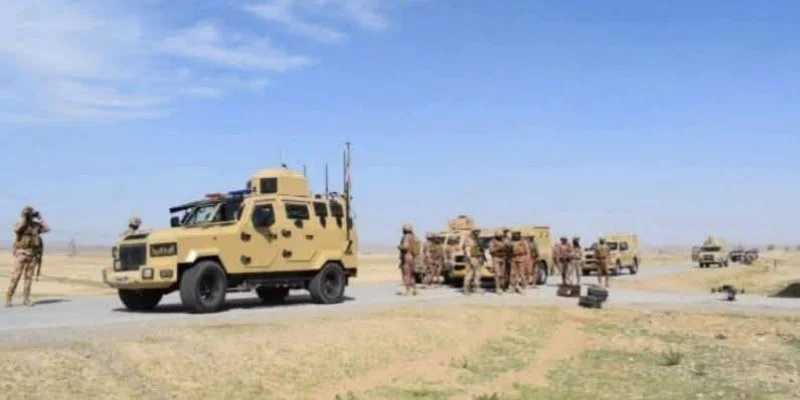
Pakistan Security Forces Kill 11 Suspected Militants in KP and Balochistan
Pakistani security forces killed 11 suspected militants in separate operations in South Waziristan, Khyber Pakhtunkhwa, and Balochistan. Five suspected TTP members were killed in South Waziristan, while six suspected BLA militants were killed during operations in Gorandur and Mashkel, according to security sources. Pakistan's Counterterrorism Operations The latest operations come amid continuing counterterrorism efforts in Pakistan's border regions, where security forces have conducted intelli