
U.S. Iran War Costs Exceed $48.3 Billion, Excluding Damage to American Bases
· 85 views
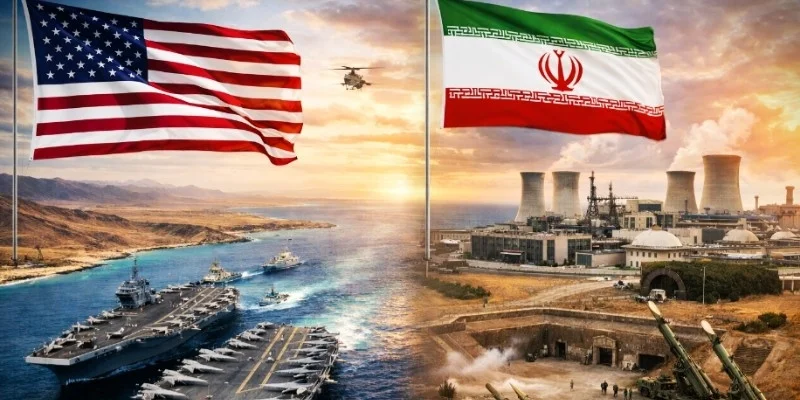
Washington, D.C. (Terror Monitor) — The U.S. military campaign against Iran has cost more than $48.3 billion as of November 13, according to a Pentagon budget official, with the figure excluding billions of dollars in damage to American military installations across the Middle East caused by Iranian missile and drone attacks.
Arthur Miller, a Pentagon budget official nominated to serve as the Navy's comptroller, disclosed the latest estimate Thursday during a hearing before the Senate Armed Services Committee. The hearing was held to consider his nomination to oversee the Navy's financial management.
According to the Associated Press (AP), the $48.3 billion estimate covers military operations, ammunition and weapons expenditures, and the replacement of military equipment lost or damaged during the conflict. However, it does not include the cost of repairing U.S. bases and military facilities targeted by Iran.
Miller told lawmakers that the additional expenses associated with damage to American installations were not included in the figure and said he did not have a comprehensive estimate of those costs.
The disclosure comes as the Trump administration seeks congressional approval for a proposed $1.5 trillion defense budget for fiscal year 2027, amid growing scrutiny over the financial burden of the war and its wider economic consequences.
Pentagon unable to provide base damage estimate
During the Senate hearing, Democratic Senator Richard Blumenthal pressed Miller to provide an estimate of the damage inflicted on U.S. military installations across the Middle East by Iranian attacks.
Miller acknowledged that the Pentagon had not provided him with a comprehensive figure for the repair and reconstruction costs.
Senate Armed Services Committee Chairman Roger Wicker, a Republican from Mississippi, urged Miller to submit the figures as soon as they become available, highlighting congressional concerns over the lack of transparency surrounding the financial impact of Iranian attacks.
An AP analysis found that Iranian strikes had damaged aircraft hangars, radar and detection systems, warehouses, military barracks and other infrastructure at American military installations across the region, potentially resulting in billions of dollars in losses.
The Pentagon has faced increasing pressure from lawmakers to disclose the full extent of damage caused by Iranian missiles and drones, including the costs of repairing facilities, replacing equipment and restoring military operations.
Iranian attacks caused billions in damage
A report published by The Wall Street Journal in October, citing Pentagon sources and officials familiar with the assessments, estimated that damage to U.S. military bases across the Middle East could range between $5 billion and $15 billion.
The newspaper's investigation, based on satellite imagery, Iranian military statements and interviews with U.S. officials, identified 274 damaged structures at 24 military installations with an American presence during the first six months of the conflict.
The findings suggested that Iranian attacks had increasingly targeted facilities housing American personnel, including troop accommodation, military buildings and operational infrastructure.
The Center for Strategic and International Studies (CSIS), a Washington-based think tank, estimated that rebuilding damaged structures alone could cost more than $4 billion. The estimate does not include the cost of replacing equipment, radar systems, communications infrastructure or other assets inside damaged buildings.
The figures suggest that the actual cost of the war could be significantly higher than the Pentagon's publicly disclosed $48.3 billion estimate.
Naval blockade costing $32.5 million a day
The financial burden of the conflict has also extended to naval operations and the U.S. blockade of Iranian shipping.
At a separate Senate hearing earlier this week, Democratic Senator Elizabeth Warren questioned acting Navy Secretary Hung Cao about the cost of the naval blockade and damage to U.S. Navy facilities in Bahrain.
Citing independent estimates and media reports, Warren said the blockade was costing approximately $32.5 million per day, while an Iranian attack on the Navy's regional headquarters in Bahrain had caused at least $400 million in damage.
Cao confirmed the estimated daily cost of the blockade but said he could not provide a comprehensive assessment of the damage to the Bahrain facility, citing difficulties accessing the area.
The Navy's headquarters in Bahrain serves as a major regional command facility for U.S. naval operations in the Middle East, including the U.S. Fifth Fleet.
Trump administration seeks $1.5 trillion defense budget
The mounting costs of the Iran conflict have intensified debate in Congress as the Trump administration seeks approval for a $1.5 trillion defense budget for fiscal year 2027.
The proposed budget would represent an increase of approximately 40 percent compared with the previous defense budget, providing additional funding for military operations, weapons procurement, defense infrastructure and other national security priorities.
The war's financial costs have become a major political issue following the November 3 midterm elections, in which Democrats made significant gains and are expected to take control of both chambers of Congress in January.
The shift in congressional control is likely to increase scrutiny of the administration's military policy, spending priorities and strategy toward Iran, potentially making approval of the proposed defense budget more difficult.
Congressional dispute over the war
The conflict has also triggered renewed debate over presidential war powers and the administration's authority to continue military operations without congressional authorization.
Reuters reported that the U.S. Senate on Thursday rejected a resolution seeking to restrict President Donald Trump's military actions against Iran, with Republicans largely backing the administration.
Democrats have criticized the administration for launching and continuing the military campaign without a clear strategy or congressional authorization, while arguing that the growing financial and economic consequences require greater oversight.
The war has also contributed to rising energy prices and economic uncertainty, particularly following the continued closure of the Strait of Hormuz, a critical maritime route through which a substantial portion of global oil and gas supplies normally passes.
The disruption to shipping through the strait has intensified pressure on global markets, with the conflict's economic impact extending well beyond the direct costs of U.S. military operations.
Despite repeated statements by Trump administration officials that the conflict has been won or could end soon, there have been no clear indications of an imminent end to hostilities.
With military spending continuing to rise, damage to American bases still being assessed and the Strait of Hormuz remaining a major source of global economic disruption, the Iran conflict is emerging as a growing financial and political challenge for the Trump administration.
Related Articles
Saudi-Led Airstrike on Hodeidah Telecom Building Kills 17, Houthis Say
Houthi authorities say a Saudi-led airstrike on telecommunications facilities in Hodeidah killed 17 people and injured 11, while additional airstrikes were reported in Taiz and other areas of Yemen. The casualty figures and claims of responsibility have not been independently verified.
Israeli Airstrike Kills UNRWA Worker in Jabalia, Wounds Three Amid Gaza Ceasefire
An Israeli airstrike in northern Gaza’s Jabalia refugee camp killed an UNRWA employee and wounded three others near a water well, amid continued Israeli attacks despite the October 2025 ceasefire.

US President Trump Says Iran Killed 81,000 Protesters, Intensified Attacks
President Donald Trump claims Iran has killed 81,000 protesters and launched more missiles and drones over the past week than at any time in more than a year, blaming Tehran's alleged escalation on Democrats' midterm election victories. Meanwhile, Democrats have secured at least 258 House seats, their largest majority since 1992, and control of both chambers of Congress.
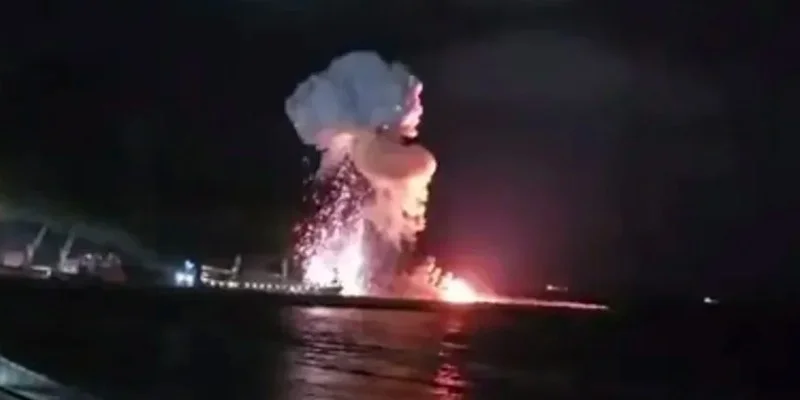
Drone Attack Hits Russian Warship at Naval Base in Libya’s Benghazi, Injuring 10
A Russian Navy warship docked at a naval base in Libya’s Benghazi was struck in a suspected drone attack, triggering an explosion and fire that injured at least 10 Russian and Libyan nationals. The incident has raised concerns over the possible expansion of the Russia-Ukraine conflict into the Mediterranean.