
Blasphemy Case: Saudi Supreme Court Overturns Death Sentence of Sri Lankan National
· 50 views
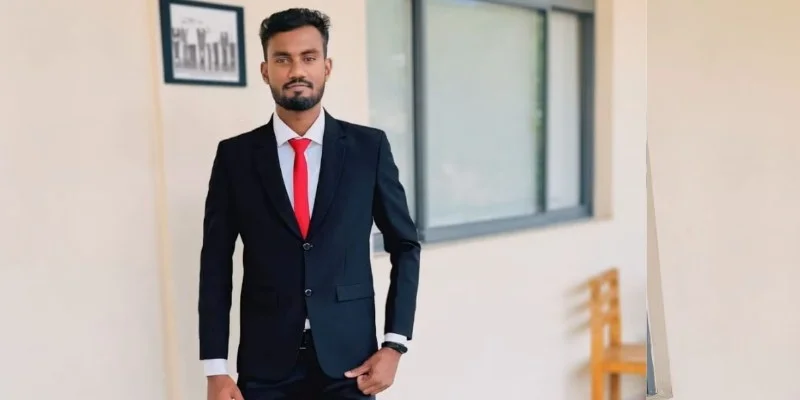
RIYADH (Terror Monitor) — Saudi Arabia’s Supreme Court has overturned the death sentence imposed on a 27-year-old Sri Lankan migrant worker over a Facebook comment deemed insulting to Islam and the Prophet Muhammad, Sri Lanka’s Deputy Foreign Minister Arun Hemachandra announced on Wednesday.
The ruling, delivered on October 13, marks a major development in the case of Anojan Sivarasa, whose death sentence sparked widespread concern in Sri Lanka and prompted diplomatic and legal efforts to secure relief for him. Hemachandra announced the decision in a Facebook post, thanking Saudi authorities, Sri Lanka’s diplomatic mission and the legal teams from both countries for their efforts.
However, it remains unclear whether the Supreme Court’s decision has overturned Sivarasa’s conviction entirely or whether he will still be required to serve the five-year prison sentence initially imposed by a lower court. His eventual release and return to Sri Lanka have also not been confirmed.
How the Case Began
Sivarasa’s case originated in an online dispute in Sri Lanka in late June, following the circulation of a video showing a young Muslim man kicking a dog that was following Hindu pilgrims during a religious procession.
The footage triggered a heated debate on social media, with users exchanging comments about religion. During the discussion, one user posted remarks considered insulting to a Hindu deity. Sivarasa subsequently responded in Tamil with comments that Saudi authorities later deemed offensive to the Prophet Muhammad and Islam.
Although Sivarasa reportedly deleted the comment shortly afterward and published a video apologising for his remarks, a screenshot of the post was shared with his employer and Saudi authorities.
He was arrested in Saudi Arabia in July. His personal electronic devices were reportedly confiscated, and Saudi authorities subsequently deleted his social media accounts.
The case drew particular attention because Sivarasa was a migrant worker living and working in Saudi Arabia, where he faced prosecution over comments made on social media.
Death Sentence Replaced Earlier Prison Term
The case initially resulted in a sentence of five years in prison and a fine of 3 million Saudi riyals, equivalent to approximately $800,000, imposed by the Criminal Court in Al-Ahsa.
However, the proceedings took a dramatic turn in September when Saudi prosecutors appealed against the original judgment and sought to have the case dealt with under Islamic law rather than the country’s anti-cybercrime legislation.
A Saudi appellate court accepted the prosecution’s position and imposed the death penalty, finding Sivarasa guilty of blasphemy against Islam and the Prophet Muhammad.
The decision triggered alarm in Sri Lanka, where political leaders, religious figures and human rights advocates called for urgent intervention to prevent his execution.
Sri Lanka Launches Diplomatic and Legal Efforts
The Sri Lankan government subsequently intensified diplomatic engagement with Saudi Arabia and assembled a legal team to challenge the death sentence.
Deputy Foreign Minister Hemachandra credited sustained diplomatic and legal efforts by the Sri Lankan government for the latest development. He expressed gratitude to the Saudi government, Sri Lanka’s ambassador in Saudi Arabia, officials from the Foreign Ministry and the Sri Lanka Bureau of Foreign Employment, as well as the lawyers involved in the case.
Sri Lankan lawmaker Faiszer Musthapha, who has been involved in discussions concerning Sivarasa’s case, also confirmed that the death sentence had been overturned. He said the legal team was reviewing the Supreme Court’s latest decision.
The ruling has brought relief to Sivarasa’s family and supporters, although further clarification is needed regarding his remaining legal status and the possibility of his release.
Family Had Lost Direct Contact With Him
Sivarasa’s family had previously expressed concern about his situation, saying they had not been in direct contact with him since September 28.
His brother, Hamsideen Sivarasa, told BBC Sinhala that people in Sri Lanka had contacted his brother’s employer about the Facebook comment, ultimately leading to the involvement of Saudi authorities.
The family had also sought assistance from Sri Lankan officials after communication with Sivarasa stopped. His brother said the family had contacted the Sri Lankan embassy and requested updates about his condition and legal proceedings.
The lack of direct communication added to the family’s anxiety as the deadline for pursuing legal remedies approached.
The family’s concerns were further amplified by the seriousness of the death sentence and uncertainty over the legal process. It remains unclear when Sivarasa will be able to communicate directly with his relatives again.
President and Religious Leaders Intervene
Sivarasa’s family also met Sri Lankan President Anura Kumara Dissanayake in September, seeking government assistance to save his life.
The president reportedly assured the family that the government would continue efforts to secure clemency and instructed diplomatic officials to pursue further discussions with Saudi authorities.
Religious leaders in Sri Lanka also joined calls for intervention. Buddhist and Hindu representatives reportedly submitted a memorandum to the Presidential Secretariat, urging the state to take immediate action.
The case became a significant public concern in Sri Lanka, with pressure mounting on the government to use diplomatic channels and legal avenues to prevent the execution.
Following the Saudi Supreme Court’s decision, President Dissanayake welcomed the development, describing it as a major relief for Sivarasa, his family and those who had followed the case.
Human Rights Concerns Over Online Speech
International human rights organisations had urged Saudi Arabia to reconsider the death sentence, raising concerns about severe punishments for online expression, particularly in cases involving migrant workers.
Joey Shea, a senior Saudi Arabia researcher at Human Rights Watch, had called on Saudi authorities to stop using harsh laws to impose extraordinary sentences for speech-related offences, especially against migrant workers who may face difficulties obtaining legal representation and navigating the legal system.
The case also renewed attention to previous prosecutions in Saudi Arabia involving social media comments.
In 2023, retired Saudi teacher Mohammed al-Ghamdi was sentenced to death over posts on social media. According to human rights reporting, that death sentence was later overturned and replaced with a lengthy prison term.
Rights groups have repeatedly criticised the use of severe criminal penalties in cases involving online expression, arguing that the punishment should be proportionate to the conduct involved.
Questions Remain Over Sivarasa’s Future
Although the Saudi Supreme Court’s decision has removed the immediate threat posed by the death sentence, important questions remain unanswered.
Authorities have not yet publicly clarified whether Sivarasa’s underlying conviction remains in force, whether the original five-year prison sentence will apply or whether further legal proceedings are expected.
His family’s ability to resume direct contact with him and the possibility of his eventual return to Sri Lanka also remain uncertain.
For now, the decision represents a significant outcome for the Sri Lankan government’s diplomatic and legal campaign. The case has also highlighted the legal risks migrant workers can face abroad when online disputes involving religion lead to criminal proceedings.
The overturning of the death sentence is a major development, but Sivarasa’s ultimate release and return home have not yet been confirmed.
Related Articles
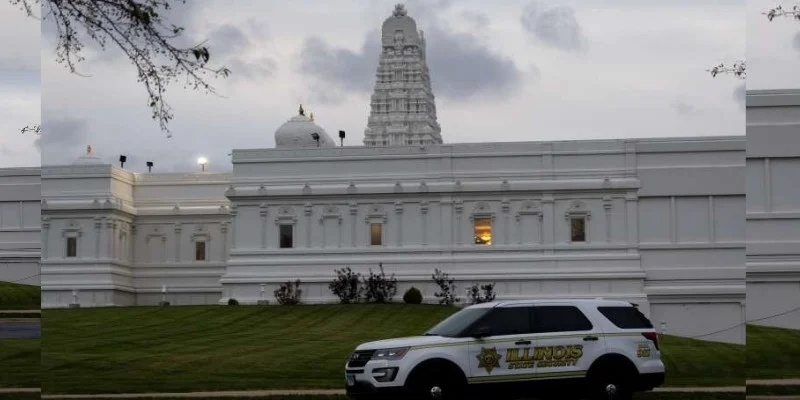
Illinois Teen Arrested Over Alleged Mass Shooting Plot Targeting Hindu Temple Near Chicago
A 19-year-old man from Palatine, Illinois, has been arrested over an alleged mass shooting plot targeting a Hindu temple in Aurora, near Chicago. Prosecutors say Alexandros Paporakis shared a white supremacist manifesto and messages indicating that his rifle had malfunctioned. Police recovered a rifle, loaded magazines, hundreds of rounds of ammunition and body armor from his home. He faces felony charges of making a terrorist threat and unlawful weapon possession.
Pakistan: Three Killed, Five Injured in Separate Blast and Shooting Incidents in Balochistan
Three people, including two children, were killed and five others injured in separate incidents in Pakistan’s Balochistan province. Two children died and three were injured when an unidentified object exploded in Panjgur district, while a Hazara Shia man was killed and two others wounded in a shooting on Quetta’s Western Bypass, police said.
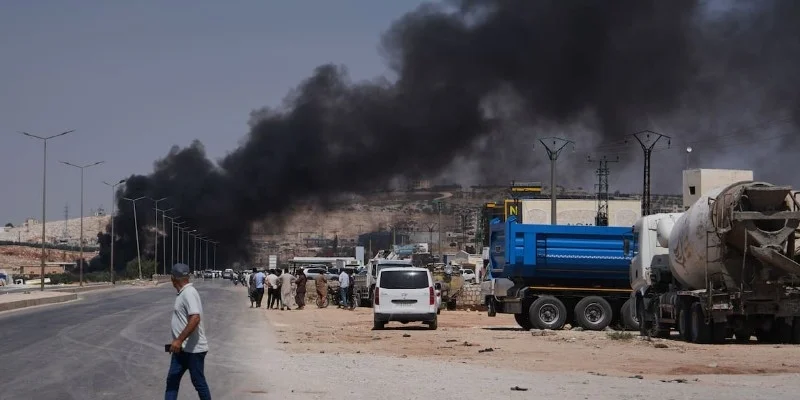
Gunmen Kill Seven Alawite Civilians in Bus Attack in Syria’s Homs Province
At least seven people were killed and four injured when unidentified gunmen opened fire on a minibus carrying workers in Syria’s Homs province. The UK-based Syrian Observatory for Human Rights said the victims belonged to the Alawite minority. No group has claimed responsibility, and the motive remains unclear.
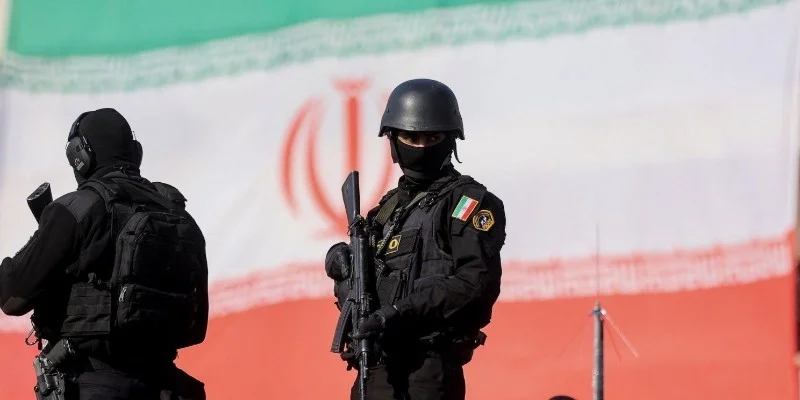
Iran’s Baha’is Under Fire: Homes Raided, Assets Seized in Widening Crackdown
Human rights groups say Iranian authorities are intensifying the confiscation of assets belonging to members of the Baha’i community, amid a broader crackdown on religious minorities, dissidents and government critics. Rights organizations report arrests, home and business raids, and seizures of property, while Amnesty International says repression against Baha’is has intensified since the June 2025 Iran-Israel war.