
Iran’s Baha’is Under Fire: Homes Raided, Assets Seized in Widening Crackdown
· 29 views
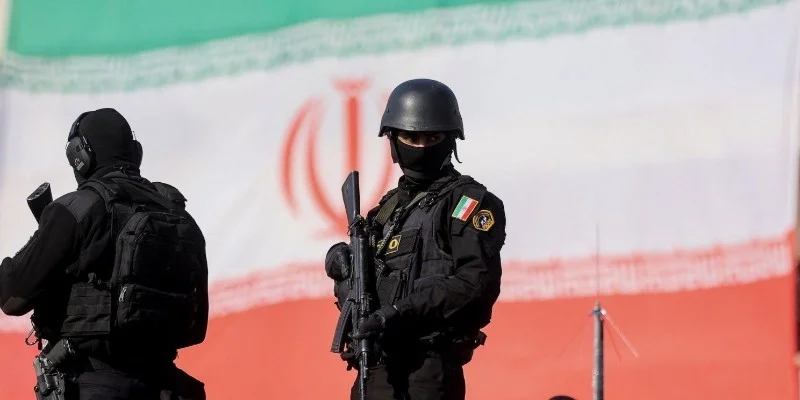
TEHRAN (Terror Monitor) — Human rights organizations say Iranian authorities are increasingly confiscating the assets of members of the Baha’i religious community, who have long faced discrimination and persecution in Iran.
Rights groups say Iranian authorities are expanding asset confiscations targeting religious minorities, dissidents and government critics. Iran’s Baha’i minority appears to be among the groups most affected by the crackdown.
Iranian authorities have also announced judicial orders to seize the assets of more than 400 people living abroad. The individuals reportedly include artists, athletes and journalists working outside Iran, whom authorities have described as “supporters of the enemy.”
The Baha’i faith emerged in 19th-century Persia, present-day Iran, but is not officially recognized by the Islamic Republic. Article 13 of Iran’s Constitution recognizes Christians, Jews and Zoroastrians as religious minorities, but does not include Baha’is. As a result, members of the Baha’i community have faced long-standing discrimination and persecution.
The U.S.-based Human Rights Activists News Agency in Iran (HRANA) reported that a “wave of arrests of Baha’i citizens, searches of homes and businesses, and confiscation of their property” emerged toward the end of August.
Amnesty International said measures against the Baha’i community have intensified since the 12-day war between Iran and Israel in June 2025. The organization described the crackdown as a “coordinated state campaign of hatred, violence, discrimination and disinformation,” including false allegations that Baha’is spy for or cooperate with Israel.
Padeh Sabiti, a spokesperson for the Baha’i International Community, said that people across Iran are facing economic hardship and extremely difficult living conditions, with many struggling to provide food for their families.
She said the Baha’i community faces additional economic pressure because “the government’s discriminatory measures deprive them of opportunities to earn a living.”
According to Sabiti, Iran’s judiciary also uses poverty as a means of exerting pressure by demanding large bail payments, which in some cases can be “equivalent to 100 years of an average citizen’s income.”
Paris-based journalist Sajjad Khodakarami said targeting government opponents sends a clear message of psychological pressure.
He said the method, which the Islamic Republic had previously used against sections of society, is now being deployed more broadly against its opponents.
Khodakarami added that the “weapon of repression” is no longer targeting only parts of the Baha’i community but is also affecting journalists, social and human rights activists, artists and others who oppose Iran’s ruling political system.
“When the Islamic Republic targets the assets of hundreds of people, it sends them a message that even though they are physically beyond our reach, we can continue to pressure you from every direction,” he said.
International human rights observers say security forces seized gold, electronic equipment, work tools, wedding rings and even children’s toys during recent home raids.
Khodakarami described the confiscation of ordinary household items as a troubling indication of the government’s policy.
“When government officials go as far as confiscating a couple’s wedding rings or even a child’s toys, it is a sign of brutality,” he said.
He said the practice sends a message not only to the Baha’i community but also serves as a broader warning to those who express dissent.
Analysts say confiscating personal assets can be used as a tool to create fear and potentially provide limited financial resources for the security apparatus. However, they say such measures cannot resolve Iran’s underlying economic problems or significantly ease the financial pressures facing ordinary Iranians.
Related Articles
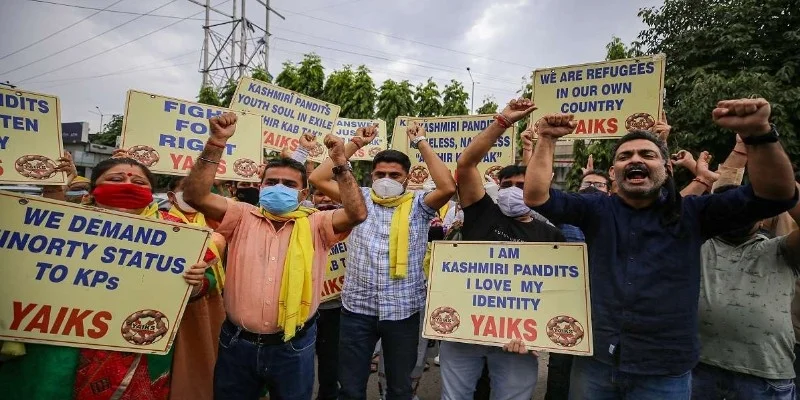
Fresh Threats to Kashmiri Pandits Raise Security Concerns in Indian-Administered Kashmir
New threats targeting Kashmiri Pandit government employees in Indian-administered Kashmir have renewed fears over the safety of those who returned to the Valley under a federal rehabilitation scheme. The threats included personal details such as home addresses, vehicle registration numbers and phone numbers.
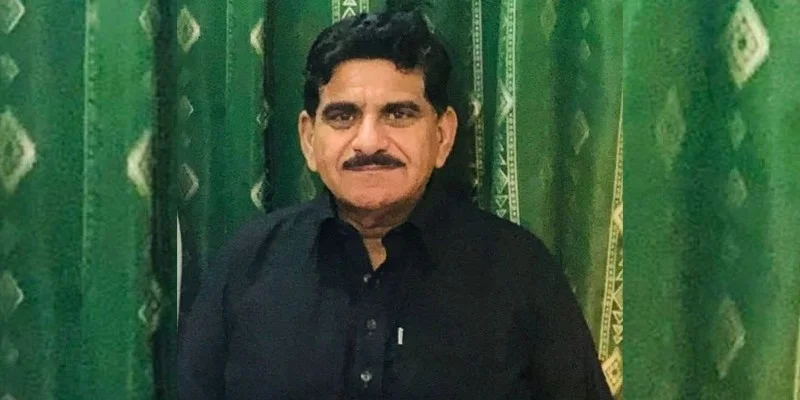
Religious Hatred: Ahmadiyya Community Official Shot Dead in Pakistan’s Mandi Bahauddin
An Ahmadiyya community official, Mirza Safdar Mahmood, was shot dead by unidentified assailants in Pakistan’s Mandi Bahauddin district, allegedly in a killing motivated by religious hatred. Police have registered a murder and anti-terrorism case and launched an investigation.

Canada: Two Injured in Knife Attack at Edmonton Gurdwara, Suspect Arrested
Two men were injured in a knife attack at a gurdwara in Edmonton, Canada, early Friday, with police arresting a 27-year-old suspect. The victims, aged 75 and 51, suffered non-life-threatening injuries.

Pakistan: Local ASWJ Leader Killed in Gun Attack in Hangu
A local leader of the banned Ahle Sunnat Wal Jamaat was killed and his 10-year-old son injured when unidentified gunmen opened fire in Hangu district of Pakistan’s Khyber Pakhtunkhwa province.