
Gaza Ceasefire One Year On: Israeli Strikes Continue as Trump’s Peace Plan Stalls
· 2,024 views
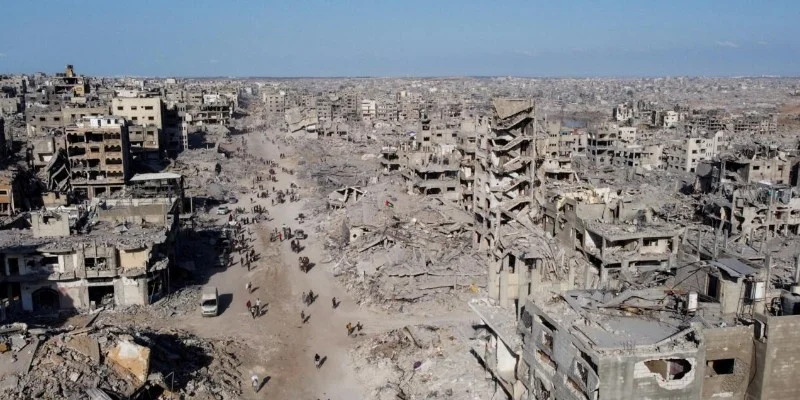
GAZA (Terror Monitor) — One year after a U.S.-brokered ceasefire raised hopes of ending the devastating war in Gaza, Israeli attacks continue, reconstruction remains largely stalled and nearly two million Palestinians face an uncertain future amid widespread destruction, displacement and a deepening political deadlock.
The ceasefire, announced on October 10, 2025, under a 20-point plan promoted by U.S. President Donald Trump and backed by Arab partners, halted major military operations and secured the release of the remaining living Israeli hostages held by Hamas. It also facilitated an increase in humanitarian assistance to the Palestinian territory.
However, the agreement has failed to deliver several of its central promises, including the disarmament of Hamas, the establishment of a new Palestinian administration, the deployment of an international stabilization force and a broader Israeli military withdrawal from Gaza.
With disagreements between Israel, Hamas and the Trump administration persisting, the ceasefire has increasingly become a fragile arrangement rather than a pathway to a lasting peace.
Recent reporting by The Associated Press, Reuters and Agence France-Presse has highlighted the continued violence, stalled political negotiations and worsening living conditions in the devastated enclave.
Israeli Attacks Continue Despite Ceasefire
Although the intensity of the fighting has declined compared with the height of the war, Israeli forces have continued conducting attacks in Gaza, with Palestinian health authorities reporting more than 1,400 Palestinians killed since the ceasefire took effect.
The Palestinian Health Ministry in Gaza has reported that the overall Palestinian death toll from the war has exceeded 74,000 since the conflict began in October 2023.
The ministry operates under the Hamas-run administration. United Nations agencies and independent experts have generally considered its casualty figures credible, although the figures do not distinguish between civilians and combatants.
The ministry has said that women and children account for approximately half of the Palestinians killed during the war.
Israel maintains that its military operations target security threats, including militants and individuals it accuses of violating the ceasefire or approaching restricted areas. However, Palestinian officials and residents say continued attacks have inflicted further casualties on civilians and undermined confidence in the truce.
According to Gaza health authorities, five Israeli soldiers have also been killed in incidents in the territory since the ceasefire began.
The continuing violence has left residents uncertain whether the agreement will hold or whether large-scale hostilities could resume.
Disarmament Dispute Threatens Peace Process
One of the most significant obstacles to implementing the ceasefire agreement is the dispute over Hamas's weapons and Israel's withdrawal from Gaza.
Under Trump's 20-point peace plan, the initial phase included a suspension of major military operations, the release of hostages and Palestinian prisoners, an increase in humanitarian assistance and an Israeli withdrawal from parts of the territory.
Subsequent phases were intended to establish a new governance structure, disarm Hamas, deploy international security personnel and facilitate reconstruction.
Israel has insisted that progress on other provisions depends on Hamas completely surrendering its weapons.
Hamas and the Trump administration, however, have argued that the different elements of the agreement should be implemented in parallel rather than making all progress conditional on the group's complete disarmament.
In July 2026, Trump announced a proposed arrangement for the gradual disarmament of Hamas, describing it as an important step toward advancing the stalled peace process.
The proposal envisaged a phased and time-bound process linked to a corresponding Israeli military withdrawal.
Hamas indicated a willingness to discuss disarmament under conditions that included an end to Israeli attacks and the withdrawal of Israeli forces from Gaza.
Israeli Prime Minister Benjamin Netanyahu subsequently rejected the prospect of withdrawing from any part of Gaza before Hamas had been completely disarmed.
The disagreement exposed an increasingly serious divide between Netanyahu and Trump, whose administration has invested considerable political capital in the ceasefire and the broader regional peace initiative.
Hamas, which does not recognize Israel's existence and is designated a terrorist organization by the United States and the European Union, remains armed despite the reduction in its military capabilities during the war.
The competing demands have left the next phase of the agreement largely stalled.
Netanyahu's Political Calculations
The dispute over Gaza has also become entangled in Israeli domestic politics, with Netanyahu facing mounting pressure over the country's security failures surrounding the Hamas-led attack of October 7, 2023.
Israeli opposition figures have criticized the government over the intelligence and security failures that preceded the attack, while opponents have also accused Netanyahu of pursuing policies that failed to prevent Hamas from becoming a major military threat.
With Israeli elections scheduled for October 27, Netanyahu faces competing pressures: maintaining support among nationalist and right-wing voters while managing relations with Washington and responding to international demands for progress on the ceasefire.
Concessions involving the withdrawal of Israeli forces or a compromise over Hamas's future could create political difficulties for Netanyahu among supporters who oppose relinquishing military control over Gaza.
At the same time, continued attacks and the absence of a functioning postwar administration threaten to undermine the central objectives of the U.S.-backed peace initiative.
The political confrontation has consequently become a major obstacle to translating the ceasefire into a sustainable settlement.
Hamas Relinquishes Government Role but Retains Influence
The ceasefire plan envisaged Hamas transferring administrative authority to a Palestinian committee composed of technocrats and other civilian administrators.
The proposed body would operate under an arrangement overseen by a Board of Peace chaired by Trump, which was intended to supervise implementation of the agreement and support Gaza's postwar transition.
Hamas formally announced the dissolution of its de facto government in July 2026. However, the existing administrative infrastructure and public employees have remained in place.
The group continues to exercise substantial influence in areas of Gaza not under Israeli military control, retaining an administrative and security presence despite the damage inflicted on its military capabilities.
Israel has opposed the transfer of authority under conditions that would allow Hamas to retain its weapons or influence over the territory's security arrangements.
The proposed Palestinian administrative committee has also faced obstacles in entering Gaza through Egypt, delaying the establishment of an alternative governing structure.
As a result, the planned transition has yet to produce a fully functioning administration capable of overseeing public services, coordinating reconstruction and managing the territory's humanitarian needs.
The absence of a clear governing arrangement has contributed to uncertainty over who will exercise authority in Gaza once the ceasefire's remaining provisions are implemented.
International Stabilization Force Remains Absent
The proposed international stabilization force, intended to help maintain security and support the transition to a new administration, has also failed to materialize.
Indonesia had pledged approximately 8,000 troops for the proposed deployment. However, the plans were put on hold as wider regional developments and the conflict involving Iran diverted international attention and complicated the security environment.
Without an operational international force, the proposed arrangements for maintaining order, supporting the Palestinian administration and facilitating an Israeli withdrawal remain incomplete.
The lack of progress has reinforced the stalemate between Israel and Hamas, with neither side accepting the other's conditions for moving forward.
It has also left international partners without the security mechanism originally envisaged as part of the postwar settlement.
Israeli Military Control Expands
Another major point of contention is the extent of Israeli military control over Gaza.
Under the ceasefire framework, Israel was expected to withdraw its forces in stages as the agreement progressed.
Instead, Israeli forces have maintained control over extensive areas of the territory, with Reuters reporting that Israel occupies roughly two-thirds of Gaza.
The military's deployment has been associated with a boundary known as the “Yellow Line,” which separates areas under Israeli military control from other parts of the enclave.
Reports indicate that Israeli forces have moved the line farther west toward the Mediterranean in some areas, expanding the territory under their control.
Israeli forces have continued to target individuals they accuse of approaching restricted areas, violating the ceasefire or participating in the October 7 attack.
Palestinian officials say these operations have also killed civilians, raising further questions about the effectiveness of the truce and the protection it provides to Gaza's population.
The continuing military presence has also complicated efforts to allow displaced Palestinians to return to their homes and begin rebuilding their communities.
Two Million Palestinians Remain Displaced
For Gaza's population, the failure to implement the agreement's political and reconstruction provisions has meant that the ceasefire has brought only limited relief.
Much of the territory's housing, infrastructure, roads, hospitals and public facilities has been destroyed or severely damaged by the war.
Large numbers of Palestinians continue to live in makeshift tent settlements, damaged buildings or temporary shelters constructed from the rubble of their former homes.
Many families face inadequate sanitation, shortages of essential services and the continuing threat posed by unstable structures and debris.
The lack of large-scale reconstruction has left residents unable to return to normal life, even in areas where major military operations have subsided.
In Jabalia in northern Gaza, Abdullah Abu Zubeida and his family have been living in a makeshift shelter assembled from the remains of their destroyed home.
Recalling the start of the ceasefire, Abu Zubeida said his family had expected the fighting to stop, deadly attacks to end and humanitarian assistance to reach those in need.
He said those expectations had largely gone unfulfilled.
His experience reflects the wider frustration among displaced families who hoped the agreement would mark the beginning of recovery but have instead faced continued insecurity and prolonged displacement.
In another example, Noman Abu Jarad, who fled Beit Lahia in northern Gaza for the southern city of Khan Younis, continues to live in a tent with his family, including five daughters.
He described the ceasefire as an agreement that existed largely on paper rather than one that had brought meaningful change to everyday life.
For many Palestinians, the absence of reconstruction and a clear political settlement has made the prospect of returning home increasingly uncertain.
Reconstruction Remains Largely Frozen
The ceasefire was intended to create the conditions necessary for rebuilding Gaza after two years of devastating conflict.
However, large-scale reconstruction has yet to begin, with disagreements over security, governance and Hamas's disarmament blocking progress.
The proposed Board of Peace and the planned Palestinian administration were intended to help coordinate reconstruction and oversee the territory's transition.
But without an agreed governing structure, a functioning international security force and a clear timetable for an Israeli withdrawal, major rebuilding projects remain stalled.
The continued Israeli military presence has further complicated the entry of personnel and resources required for the planned transition.
Meanwhile, the destruction of residential neighbourhoods and essential infrastructure means that even families able to return to their communities frequently find their homes uninhabitable.
The prolonged delay threatens to deepen Gaza's humanitarian crisis and increase the long-term economic and social consequences of the war.
The October 7 Attack and the Origins of the War
The current conflict began after the Hamas-led attack on southern Israel on October 7, 2023.
The attackers killed approximately 1,200 people and abducted 251 others, according to Israeli figures.
Israel responded with a large-scale military campaign involving airstrikes and ground operations across Gaza, resulting in extensive destruction and a humanitarian catastrophe.
The war displaced much of Gaza's population and devastated residential areas and essential infrastructure.
The ceasefire that took effect in October 2025 followed months of negotiations involving the United States and regional mediators during the administrations of former U.S. President Joe Biden and Trump.
The agreement's initial phase secured the release of the remaining living Israeli hostages held by Hamas, alongside the release of Palestinian prisoners and detainees under the exchange arrangements.
The return of the hostages was a central Israeli demand, while Palestinians had hoped the ceasefire would lead to an end to the war, the withdrawal of Israeli forces and the beginning of reconstruction.
Although the agreement delivered on some immediate objectives, its broader political and security provisions have remained largely unfulfilled.
Trump’s Promise of a New Regional Era Faces a Test
When the ceasefire agreement was announced, Trump presented it as an opportunity to move beyond decades of hostility and establish a more stable regional order.
The agreement was intended not only to halt the fighting but also to establish a framework for postwar governance, security and reconstruction.
One year later, the continued attacks, the absence of a new Palestinian administration and the dispute over Hamas's weapons have exposed the limits of the arrangement.
The failure to establish an international stabilization force or agree on a timetable for Israeli withdrawal has further weakened prospects for progress.
The disagreement between Netanyahu and the Trump administration has also raised questions about Washington's ability to persuade its closest regional ally to implement the plan's remaining provisions.
For Palestinians, the immediate priorities remain an end to the attacks, reliable access to humanitarian assistance, safe shelter and the restoration of basic services.
For Israel, the future of Hamas's military capabilities and the security arrangements governing Gaza remain central concerns.
Bridging these competing demands will require agreement on disarmament, governance, security and the conditions for Israeli withdrawal.
For now, Gaza remains trapped between a ceasefire that has reduced the scale of the fighting and a peace process that has failed to deliver a lasting political settlement.
With reconstruction largely stalled, Israeli forces maintaining extensive control and Hamas retaining influence in parts of the territory, the prospect of a durable peace remains uncertain.
Related Articles

Russia Says Overnight Strikes Hit Ukraine’s Largest Steel Plant, Power Infrastructure and Cargo Ship
Russia said its forces struck Ukraine’s largest steel plant in Kryvyi Rih, power infrastructure and another steelworks overnight, along with a cargo vessel in the Black Sea allegedly carrying military supplies. Separately, a Ukrainian drone attack in Russia’s Belgorod region killed a woman and wounded a man, according to TASS.
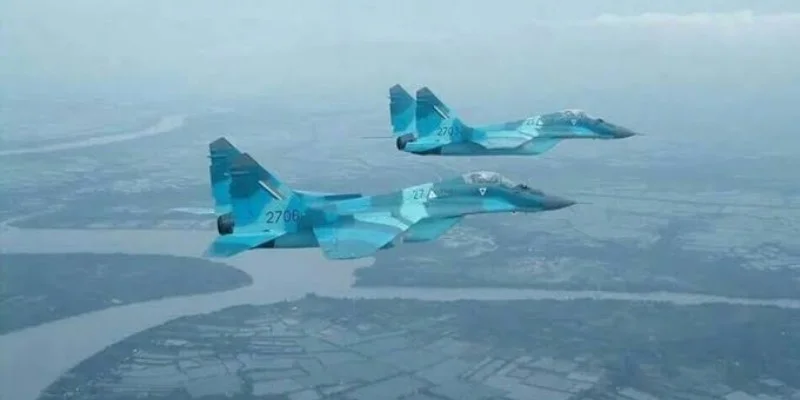
Myanmar Military Airstrike Kills 11 Civilians, Including Women and Children, in Rebel-Held Village
At least 11 people, including six women and two children, were killed in a Myanmar military airstrike in Yesagyo Township, southwest of Mandalay, according to a resistance fighter. The attack destroyed three houses as Myanmar’s civil war continues following the 2021 military coup.
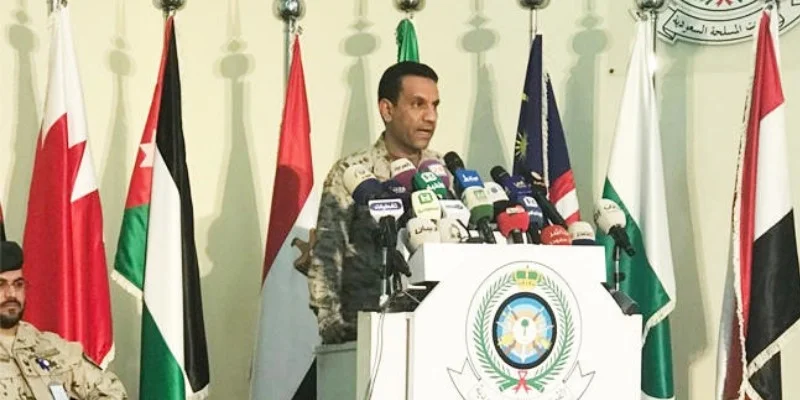
Saudi Arabia Intercepts Four Drones Over Riyadh and Other Regions as Egypt Offers to Defend Kingdom
Saudi Arabia said it intercepted and destroyed four drones over Riyadh, the Eastern Province and southern regions on Saturday amid continuing attacks attributed to Iran-backed Houthi rebels. Egyptian President Abdel Fattah al-Sisi said Cairo was ready to defend Saudi Arabia if requested, subject to parliamentary approval.
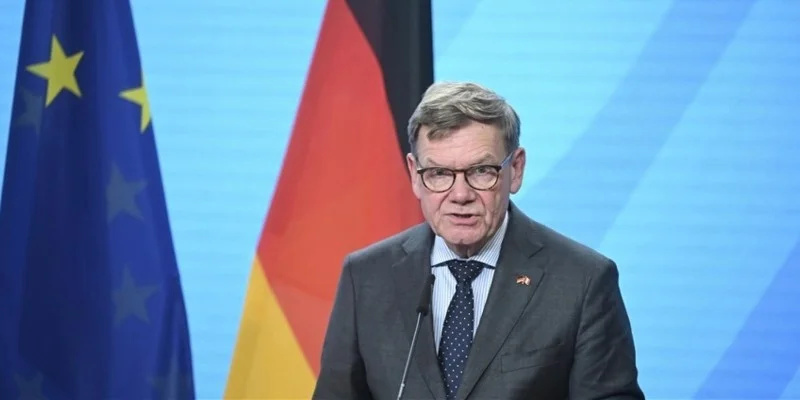
Germany Warns Europe Is in Iran’s Crosshairs, Vows to Counter Tehran’s Hostile Activities
German Foreign Minister Johann Wadephul warned that Europe is in Iran’s crosshairs following a court ruling that sentenced two men for plotting attacks against Jewish and pro-Israel figures on behalf of Iranian intelligence. He also warned of growing Russian threats and urged the European Union to maintain sanctions against Moscow.