
Saudi Arabia Intercepts Four Drones Over Riyadh and Other Regions as Egypt Offers to Defend Kingdom
· 32 views
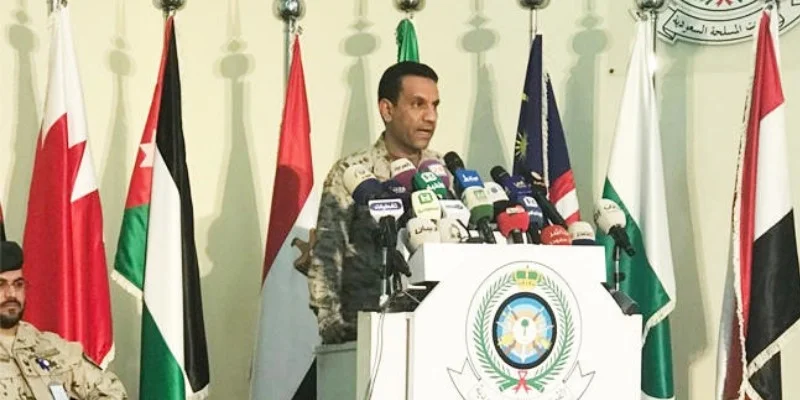
RIYADH (Terror Monitor) — Saudi Arabia said on Saturday that it had intercepted and destroyed four drones over different parts of the kingdom, including the capital, Riyadh, as the country continues to face attacks attributed to Yemen’s Iran-backed Houthi rebels.
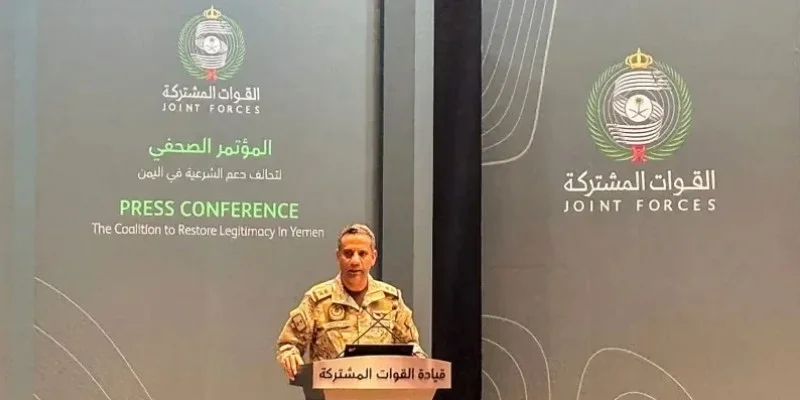
Turki Al-Maliki, spokesperson for the Saudi-led coalition operating against the Iran-backed Houthis, announced the interceptions in a post on X, saying the drones had been destroyed over Riyadh, the Eastern Province and southern regions of Saudi Arabia.
“Over the past few hours, four drones were intercepted and destroyed over Riyadh, the Eastern Province and the southern regions,” Al-Maliki wrote.
The announcement comes amid continuing security concerns over attacks targeting Saudi territory and the potential threat to the kingdom’s critical infrastructure, energy exports and regional stability.
The Saudi authorities did not provide further details about the drones’ intended targets, their launch locations or whether the interceptions caused any casualties or damage.
Egypt Offers to Defend Saudi Arabia if Requested
Meanwhile, Egyptian President Abdel Fattah al-Sisi said on Saturday that Egypt was prepared to defend Saudi Arabia if the government in Riyadh formally requested assistance.
Speaking at a graduation ceremony at Egypt’s military academy, Sisi stressed that Cairo was not seeking to become involved in regional conflicts but would not remain on the sidelines if Saudi Arabia’s security and stability came under threat.
He said Egypt could take the necessary measures to protect the kingdom, referring to Saudi King Salman bin Abdulaziz and Crown Prince Mohammed bin Salman.
“Egypt will certainly take any necessary measures to protect or defend you, in accordance with the directives of King Salman and Crown Prince Mohammed bin Salman,” Sisi said.
The Egyptian president emphasized that his remarks concerned defensive action rather than an intention to initiate hostilities against another country.
“I am not talking about fighting anyone or attacking anyone. I am talking only about defence,” he said.
Sisi also clarified that any deployment of Egyptian forces would require parliamentary approval. He expressed hope that, if Saudi Arabia formally requested military assistance, Egyptian lawmakers would convene an emergency session and authorize the necessary measures.
His remarks underscore Cairo’s willingness to support Riyadh amid growing regional security concerns, while leaving any potential military deployment subject to Egypt’s constitutional and political procedures.
Red Sea Security and Regional Trade at Risk
The latest developments highlight the strategic importance of the Red Sea, a vital international shipping corridor linking the Mediterranean Sea with the Indian Ocean through the Suez Canal.
Last month, during Crown Prince Mohammed bin Salman’s visit to Egypt, the Saudi and Egyptian leaders called for freedom of navigation and safe maritime passage through the Red Sea.
Both countries have significant economic and strategic interests in maintaining security along the waterway, which serves as a major route for international trade and energy shipments.
For Saudi Arabia, attacks attributed to the Iran-backed Houthis pose potential risks to national security, energy infrastructure and the movement of oil and other exports.
Egypt also faces considerable economic exposure to any escalation that disrupts shipping through the Red Sea. A sustained deterioration in maritime security could divert commercial vessels away from the Suez Canal, reducing transit traffic and further weakening revenues generated by one of Egypt’s most important sources of foreign currency.
The Suez Canal is a crucial component of the Egyptian economy, and prolonged disruptions to international shipping could place additional pressure on the country’s already strained finances.
Any further escalation involving Saudi Arabia and the Houthis could therefore have consequences extending beyond the immediate conflict, affecting regional trade, maritime security and the economic interests of several countries.
Egypt Remains Outside the Saudi-Turkish-Pakistani Defence Pact
Despite its longstanding military and political ties with Gulf Arab states, Egypt has not joined the defence agreement concluded by Saudi Arabia, Türkiye and Pakistan in August.
The agreement, referred to in the supplied account as the Mecca Agreement, was intended to strengthen cooperation among the participating countries in matters of mutual defence.
Cairo has traditionally pursued a cautious approach to regional military alliances, generally favouring diplomatic engagement and bilateral security cooperation over participation in broader military arrangements.
Sisi’s latest comments indicate that Egypt remains prepared to consider direct defensive assistance to Saudi Arabia if requested, even though Cairo has not joined the trilateral defence framework.
However, his remarks did not amount to an announcement of an immediate military deployment or confirmation that Saudi Arabia had formally requested Egyptian forces.
Instead, the Egyptian president outlined the conditions under which Cairo could consider providing military support, including a formal request from Riyadh and parliamentary authorization.
Longstanding Saudi-Egyptian Strategic Partnership
Saudi Arabia has been one of Egypt’s most important regional supporters, providing substantial financial assistance following the removal of Islamist President Mohamed Morsi in 2013 and during subsequent periods of economic difficulty.
The relationship has developed around shared political and security interests, economic cooperation and a common interest in maintaining stability across the Arab world.
Although the two governments have not always pursued identical policies on regional issues, their strategic partnership remains significant, particularly as tensions involving Iran and its regional allies continue to threaten security across the Middle East.
Saudi Arabia’s interception of the four drones and Sisi’s offer of defensive assistance reflect the growing importance of regional coordination as governments seek to protect critical infrastructure, secure international shipping routes and prevent further escalation.
For now, Egypt’s potential military role remains conditional on a formal Saudi request and approval by the Egyptian parliament. Nevertheless, Sisi’s statement sends a clear political signal that Cairo considers Saudi Arabia’s security closely linked to its own regional interests.
Related Articles
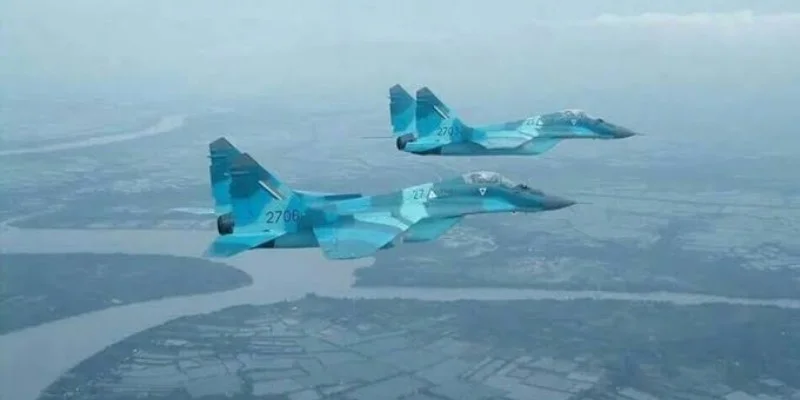
Myanmar Military Airstrike Kills 11 Civilians, Including Women and Children, in Rebel-Held Village
At least 11 people, including six women and two children, were killed in a Myanmar military airstrike in Yesagyo Township, southwest of Mandalay, according to a resistance fighter. The attack destroyed three houses as Myanmar’s civil war continues following the 2021 military coup.
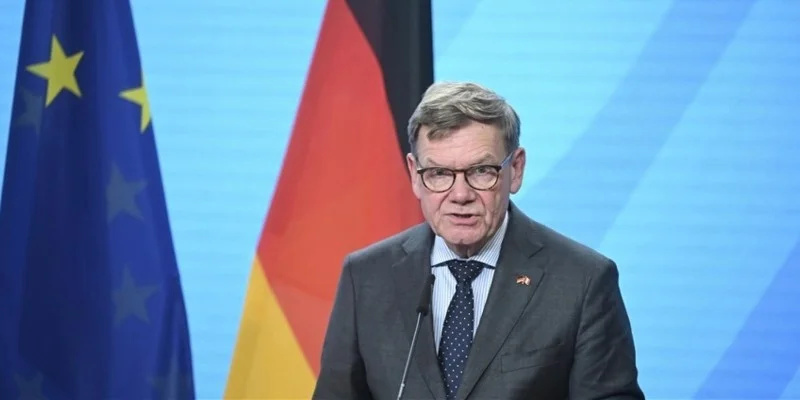
Germany Warns Europe Is in Iran’s Crosshairs, Vows to Counter Tehran’s Hostile Activities
German Foreign Minister Johann Wadephul warned that Europe is in Iran’s crosshairs following a court ruling that sentenced two men for plotting attacks against Jewish and pro-Israel figures on behalf of Iranian intelligence. He also warned of growing Russian threats and urged the European Union to maintain sanctions against Moscow.
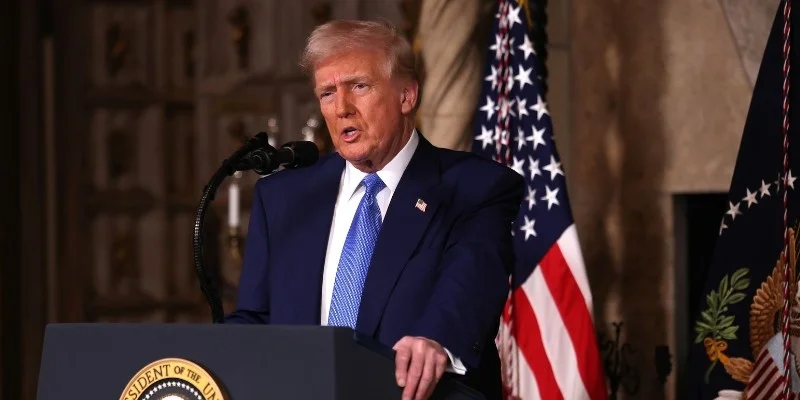
Trump Rules Out Nuclear Strike on Iran, Cites Russia-China Disarmament Talks
US President Donald Trump has ruled out using nuclear weapons against Iran and said he does not foresee deploying American ground troops. In a Newsmax interview, he also revealed that Washington is discussing nuclear disarmament with Russia and China, predicting that Beijing could match US nuclear capabilities within five years.
Saudi Arabia Intercepts Six Aerial Threats as Houthi Attacks Escalate; Riyadh Golf Tournament Postponed
Saudi Arabia’s Saudi-led coalition says it has intercepted six aerial threats, including drones, cruise missiles and a ballistic missile, amid escalating Iranian-backed Houthi attacks. The PIF Saudi International golf tournament has been postponed indefinitely following a deadly attack on Riyadh’s international airport. Pakistan strongly condemned the attacks and reaffirmed its support for Saudi Arabia’s sovereignty and security.