
Iran Executes Ali Sina Mostafavi Over Alleged Ties to Israel and Reza Pahlavi
· 91 views

TEHRAN (Terror Monitor) — Iranian authorities have executed Ali-Sina Mostafavi, a man accused of maintaining links with Israel and supporting exiled opposition figure Reza Pahlavi, the son of Iran’s last shah, according to Mizan, the judiciary-affiliated news agency.
Mizan reported on Wednesday that Mostafavi was executed after Iran’s Supreme Court upheld his death sentence. The authorities accused him of participating in armed attacks in the southeastern city of Kerman during the war involving the United States and Israel, as well as supporting what Tehran describes as the “American-Zionist enemy.”
According to Mizan, Mostafavi was associated with Iranian monarchist circles supporting Reza Pahlavi, whose father, Shah Mohammad Reza Pahlavi, was overthrown during Iran’s 1979 Islamic Revolution.
Allegations of Armed Attacks and Links to Foreign Media
Iranian judicial authorities accused Mostafavi of involvement in armed activities in Kerman and alleged that he had participated in attacks against civilians and security personnel.
According to reports published by Iranian state media, the allegations included shootings in Kerman in March and April 2026 that allegedly injured civilians. Authorities also accused him of participating in the nationwide protests that took place in December 2025 and January 2026.
Mizan further alleged that Mostafavi had sent videos and photographs of the protests to Persian-language media outlets based outside Iran. Iranian authorities have repeatedly accused foreign-based Persian-language broadcasters of supporting opposition movements and encouraging unrest inside the country.
The Iranian judiciary portrayed Mostafavi as a supporter of the monarchist opposition and accused him of acting in support of Israel during the conflict.
However, the allegations and account of the case published by Iranian state media have not been independently verified in their entirety.
Execution Amid Intensifying Crackdown on Dissent
Mostafavi’s execution comes amid an intensified campaign by Iranian authorities against people accused of participating in anti-government protests, collaborating with foreign governments or supporting banned opposition groups.
The nationwide demonstrations in January 2026 were met with a severe security crackdown. Human rights organizations have raised concerns about the use of capital punishment in cases connected to the protests, particularly where defendants face national security charges or are accused of cooperating with foreign entities.
Amnesty International has warned that Iranian authorities are using executions to intimidate opponents and deter further protests. The organization has also raised concerns about trials in which defendants allegedly faced torture, coerced confessions or inadequate legal safeguards.
Iranian authorities, meanwhile, maintain that prosecutions involving armed attacks and alleged cooperation with foreign adversaries are necessary to protect national security.
Human Rights Groups Raise Concerns Over Death Penalty
Iran has long faced international criticism over its extensive use of capital punishment. Human rights organizations have repeatedly called on Tehran to halt executions, particularly in politically sensitive cases involving protesters and government critics.
According to Amnesty International, Iran was the world’s second-largest known executioner in 2025, behind China, where the number of executions is not publicly disclosed and reliable totals are difficult to establish.
Human rights advocates argue that the death penalty is used not only as a punishment for serious crimes but also as a means of instilling fear among dissidents and discouraging political opposition.
The execution of Mostafavi adds to concerns over the treatment of individuals accused of challenging Iran’s political system, particularly amid heightened tensions following the conflict involving Iran, the United States and Israel.
The Iranian judiciary has announced that Mostafavi’s death sentence was carried out after being upheld by the Supreme Court. Questions about the fairness of the proceedings and the treatment of the accused have been raised by human rights organizations, although the full evidentiary record and details of the judicial proceedings have not been independently established.
Related Articles
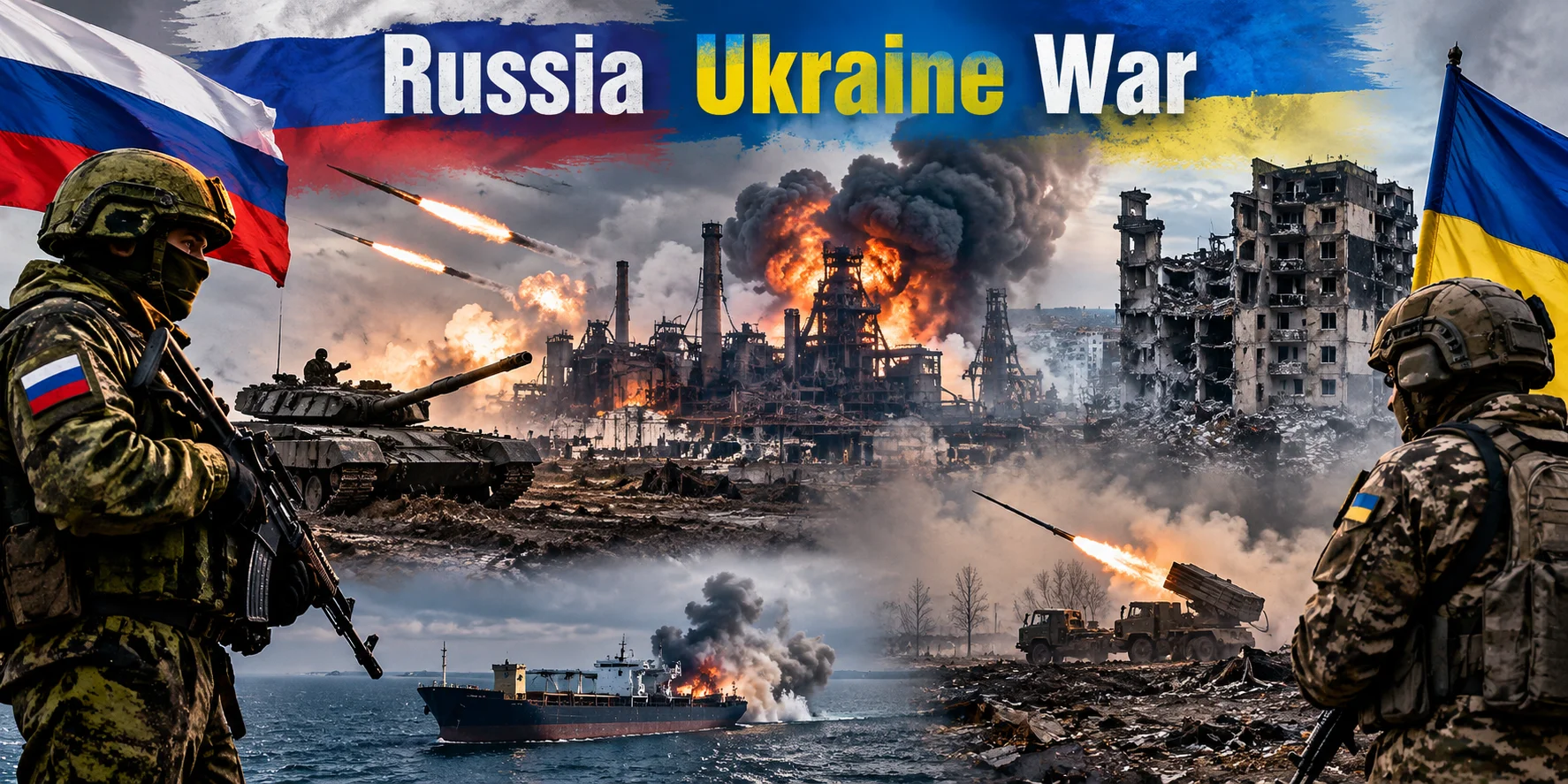
Russia Says Overnight Strikes Hit Ukraine’s Largest Steel Plant, Power Infrastructure and Cargo Ship
Russia said its forces struck Ukraine’s largest steel plant in Kryvyi Rih, power infrastructure and another steelworks overnight, along with a cargo vessel in the Black Sea allegedly carrying military supplies. Separately, a Ukrainian drone attack in Russia’s Belgorod region killed a woman and wounded a man, according to TASS.
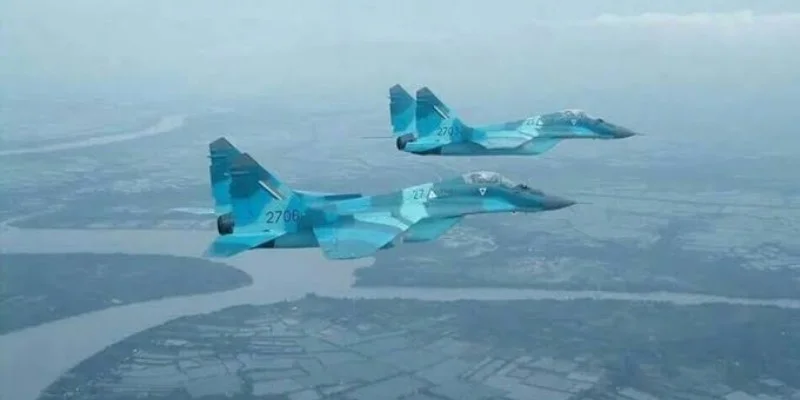
Myanmar Military Airstrike Kills 11 Civilians, Including Women and Children, in Rebel-Held Village
At least 11 people, including six women and two children, were killed in a Myanmar military airstrike in Yesagyo Township, southwest of Mandalay, according to a resistance fighter. The attack destroyed three houses as Myanmar’s civil war continues following the 2021 military coup.
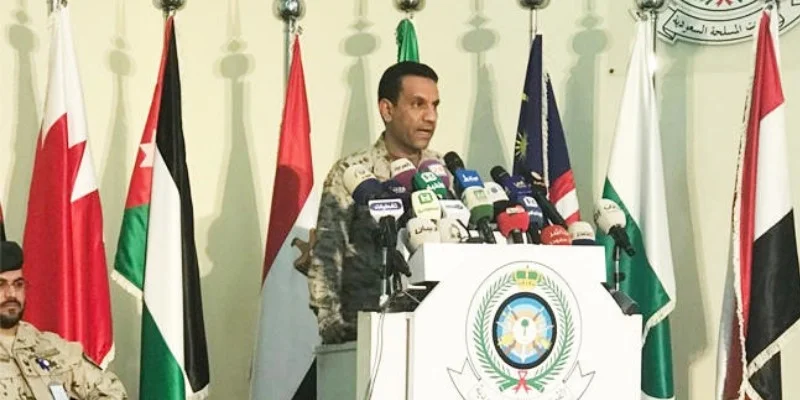
Saudi Arabia Intercepts Four Drones Over Riyadh and Other Regions as Egypt Offers to Defend Kingdom
Saudi Arabia said it intercepted and destroyed four drones over Riyadh, the Eastern Province and southern regions on Saturday amid continuing attacks attributed to Iran-backed Houthi rebels. Egyptian President Abdel Fattah al-Sisi said Cairo was ready to defend Saudi Arabia if requested, subject to parliamentary approval.
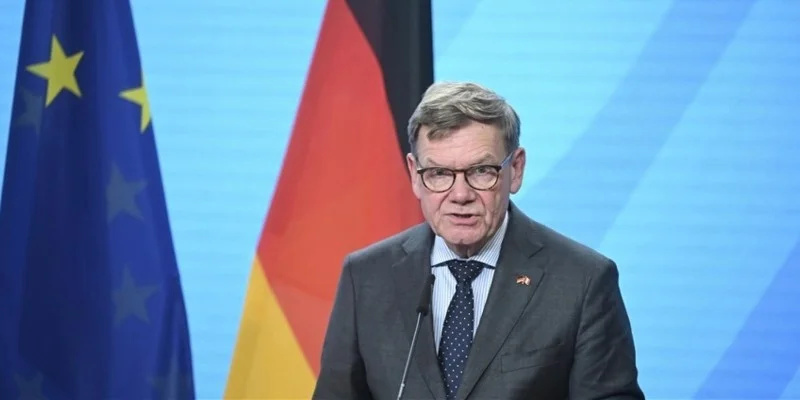
Germany Warns Europe Is in Iran’s Crosshairs, Vows to Counter Tehran’s Hostile Activities
German Foreign Minister Johann Wadephul warned that Europe is in Iran’s crosshairs following a court ruling that sentenced two men for plotting attacks against Jewish and pro-Israel figures on behalf of Iranian intelligence. He also warned of growing Russian threats and urged the European Union to maintain sanctions against Moscow.