
Iran Says Mojtaba Khamenei Granted Government Powers for US Peace Talks as Qatar-Led Diplomacy Intensifies
· 380 views
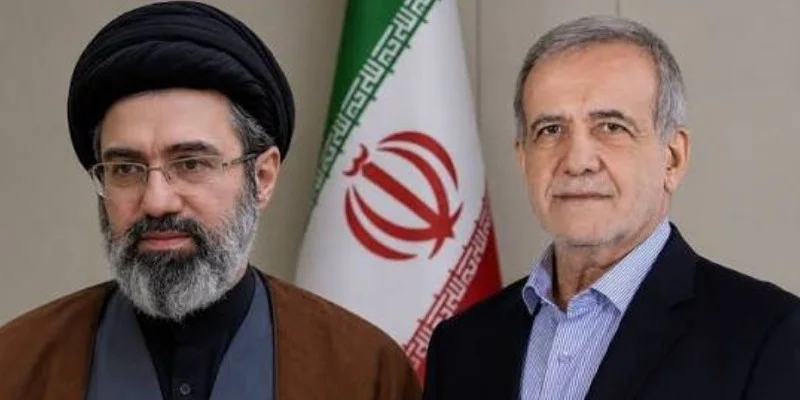
TEHRAN (Terror Monitor) — Iranian President Masoud Pezeshkian said on Monday that Supreme Leader Mojtaba Khamenei had granted the government certain powers to pursue negotiations aimed at ending the conflict with the United States, as diplomatic efforts involving Qatar and Pakistan intensified and Tehran indicated it could reopen the strategically important Strait of Hormuz within two days if Washington accepts its conditions.
Pezeshkian made the remarks while addressing a gathering of governors and mayors from major Iranian cities. According to the state-run IRNA news agency, he said the government was seeking to resolve the crisis through dialogue and had received additional authority from the supreme leader for that purpose.
"We are trying to solve the problem through dialogue; in this regard, the Supreme Leader has also given the government certain powers," Pezeshkian said.
He did not specify the nature or scope of the authority granted to the government, or explain whether it covered particular negotiating concessions or decisions.
The statement was seen as a significant indication of support from Iran's highest political authority for the government's diplomatic efforts, although major differences remain between Tehran and Washington.
Qatar-mediated talks continue without breakthrough
The latest diplomatic activity follows several days of discussions between Iranian negotiators and Qatari mediators in Doha.
Reuters reported on Monday that Iranian negotiators had left Qatar on Sunday after meetings aimed at finding a way to end the conflict with the United States. An official briefed on the discussions said their departure was not caused by difficulties in the negotiations.
A draft proposal was reportedly being circulated, with the possibility of another meeting under consideration.
Iranian Foreign Ministry spokesman Esmaeil Baghaei said Deputy Foreign Minister Kazem Gharibabadi had travelled to Doha to facilitate the exchange of messages between Tehran and Washington through Qatari intermediaries.
Baghaei said Iran's position remained based on a seven-point diplomatic plan originally presented in September. Tehran has since shortened the proposed implementation timetable, saying the revised arrangement could be carried out within two days if its demands were accepted.
The Iranian spokesman stressed that no final agreement could be reached, and the Strait of Hormuz could not be reopened or secured, unless the United States ended its naval blockade of Iranian ports and addressed Tehran's demands.
Iran has described the proposal as the basis for indirect negotiations, while Washington has not publicly accepted its conditions.
Iran sets conditions for reopening the Strait of Hormuz
Foreign Minister Abbas Araghchi said consultations with Qatar and Pakistan had helped refine Iran's proposal for restoring navigation through the Strait of Hormuz.
In remarks reported by Iranian media and discussed in an interview with Al Jazeera, Araghchi said the original plan envisaged reopening the waterway on the sixth day, followed by the resumption of negotiations on the seventh day. The revised proposal could reduce the process to two days.
Araghchi said the conditions put forward by Tehran included an end to the US naval blockade, the lifting of recently imposed sanctions, arrangements concerning Iranian oil exports and a reduction in the American military presence in the region.
He described the conditions as achievable if Washington demonstrated genuine willingness to reach a peaceful agreement.
The foreign minister also warned that Iran would respond forcefully if the United States resorted to military action or what Tehran considered deception during the diplomatic process.
"The ball is in Washington's court," Iranian officials have repeatedly said in describing the next stage of negotiations.
Araghchi's comments underline Tehran's position that the reopening of the waterway and broader negotiations must be linked to an agreement addressing its demands.
Tehran rejects US proposal as insufficient
At his Monday press briefing, Baghaei also addressed a letter reportedly sent by US Vice President JD Vance to Iran's Supreme National Security Council Secretary Mohsen Rezaei.
The Iranian spokesman said the letter did not constitute a new proposal and that any indirect exchanges through mediators remained based on Tehran's seven-point plan.
Baghaei added that, because the letter was addressed to Rezaei, the decision on how and when to respond rested with the secretary of the Supreme National Security Council.
Reports by US media outlets, including Axios and The Wall Street Journal, said Vance had contacted Rezaei in an effort to revive negotiations. The letter was reportedly intended to explore a framework for renewed talks, with the nuclear issue among Washington's concerns.
US President Donald Trump previously said the vice president's outreach was related to helping Iran obtain essential supplies, including medicines. The full text of the letter has not been made public.
The reported communication represents another channel of contact between the two sides, but the public statements indicate that substantial differences remain over the sequence and terms of any agreement.
China joins diplomatic efforts
Iran's diplomatic outreach has also extended to Beijing.
Ali Bagheri Kani, deputy secretary for international affairs of Iran's Supreme National Security Council, met Chinese Foreign Minister Wang Yi in Beijing on Monday to discuss the conflict, regional security and possible diplomatic solutions.
According to Reuters, Wang urged all parties to prioritise political solutions and avoid returning to armed confrontation. He also said China supported Iran in safeguarding its sovereignty and security.
China announced that its special envoy for Middle Eastern affairs would visit Iran, Oman and Saudi Arabia during November as part of wider diplomatic efforts to reduce regional tensions.
The meeting came as Qatar and Pakistan continued their mediation efforts, highlighting the growing involvement of regional and international actors seeking to prevent a renewed escalation.
Oil prices fall on hopes for diplomatic progress
The diplomatic developments triggered a sharp decline in international oil prices on Monday, as traders assessed the possibility of an agreement that could restore shipping through the Strait of Hormuz.
Reuters reported that Brent crude futures fell around six percent to approximately $106.65 a barrel, while US West Texas Intermediate crude dropped about 6.1 percent to $97.75.
The decline followed Pezeshkian's announcement that the supreme leader had granted the government additional authority for peace negotiations, alongside reports that a draft agreement was being circulated through Qatari mediation.
Market analysts said the possibility of a diplomatic breakthrough had eased some concerns about prolonged disruptions to oil supplies from the Middle East.
However, the price movement did not mean that an agreement had been reached. The Strait of Hormuz remained at the centre of the dispute, and the future of regional energy shipments continued to depend on the outcome of negotiations.
Economic pressures inside Iran
In his address to governors and mayors, Pezeshkian also referred to Iran's domestic economic and social challenges.
He acknowledged that some citizens continued to struggle to meet their basic needs, while praising residents of border and underprivileged regions for what he described as their continued support for the country during the crisis.
The president said disadvantaged communities deserved greater government attention and assistance, while calling for efforts to address public concerns and improve living conditions.
The remarks came as the conflict and restrictions on trade and energy exports continued to place pressure on Iran's economy.
Major obstacles remain
Despite the intensified diplomatic contacts, neither side has announced a final agreement or a confirmed date for the next round of talks.
Iran insists that the US naval blockade must end and its demands must be addressed before the Strait of Hormuz can be reopened. Washington, meanwhile, has maintained that any broader negotiations must address Iran's nuclear programme and other security concerns.
The circulation of a draft proposal and the reported authority granted by Mojtaba Khamenei to the government suggest that diplomatic channels remain active. However, the absence of an agreed framework and the continued disagreement over the order of concessions leave the outcome uncertain.
For now, Qatar and Pakistan remain central to efforts to keep communication open, while China is seeking a wider diplomatic role as regional governments face the economic and security consequences of the continuing conflict.
Related Articles
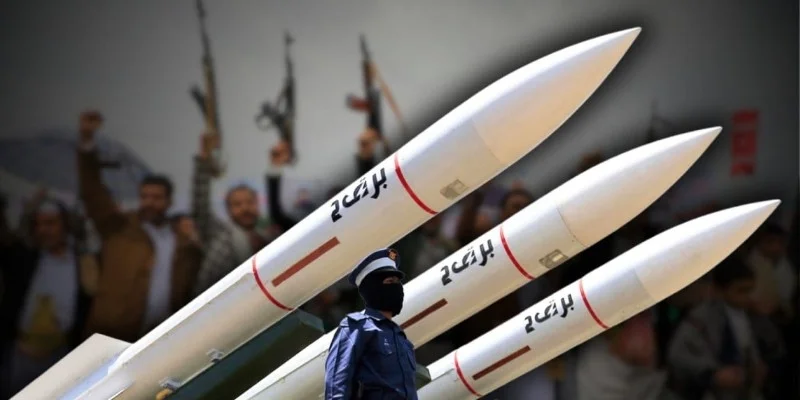
Houthi Ballistic Missile Strike on Yemen Health Centre Kills Five, Wounds 15, Government Says
Yemen’s internationally recognised government accused Iran-backed Houthi rebels of striking a health centre in Lahj province with a ballistic missile, killing five people and injuring 15 others, including medical workers. Separately, government-aligned National Shield Forces said their drones had targeted Houthi positions near the strategic Bab al-Mandab Strait.
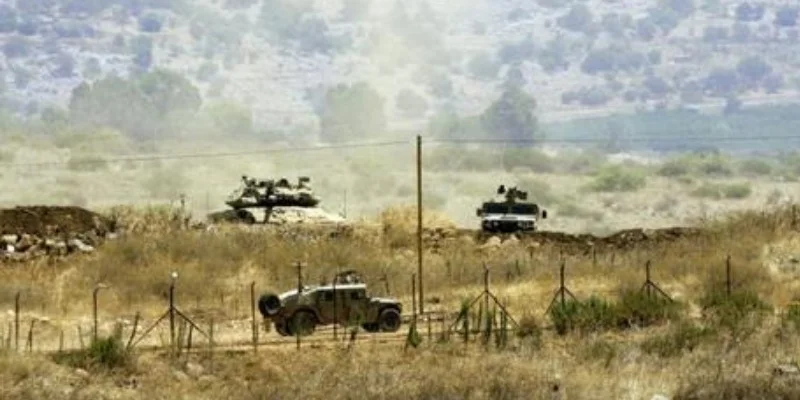
Israeli Forces Withdraw from Hebron After 10-Day Operation That Displaced Thousands of Palestinians
Israeli forces have withdrawn from parts of the occupied West Bank city of Hebron after a 10-day military operation that displaced more than 3,000 Palestinians. Palestinian authorities said residents had begun returning to their homes, while Israeli officials confirmed that operations against what they described as militant threats would continue across the West Bank.
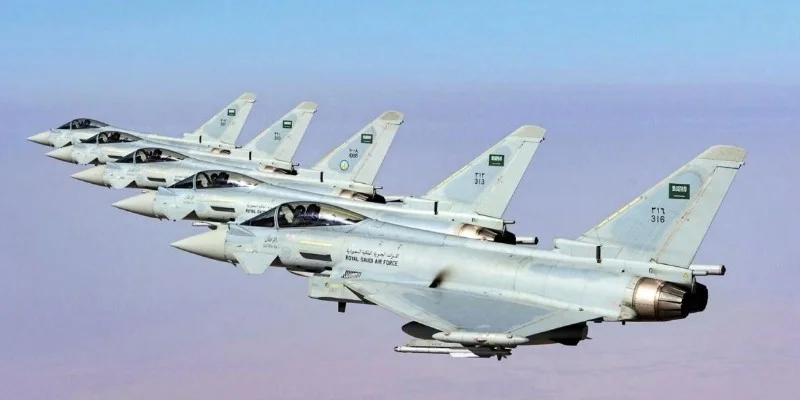
Saudi-Led Coalition Strikes Yemen’s Ras Isa Port and Oil Facility, Houthis Say Seven Wounded
Yemen’s Iran-backed Houthis said Saudi-led coalition airstrikes hit the Red Sea port of Ras Isa and an oil facility in Hodeidah province on November 2, injuring at least seven people. The group accused the coalition of targeting critical infrastructure, while the strikes reportedly followed the interception of Houthi missiles launched towards Saudi Arabia.
Russia Resumes Attacks in Ukraine’s Kherson Region After Six-Day Local Ceasefire Ends
Russian forces have resumed attacks in Ukraine’s Kherson region following the expiration of a six-day local ceasefire, Ukrainian authorities said. A Russian drone strike on a civilian car in Kherson wounded a 62-year-old woman and a 73-year-old man, while the Kremlin ruled out an immediate resumption of Russian gas transit to Europe through Ukraine.