
Netanyahu Denies Trump Blocked Planned Israeli Strike on Iran Ahead of US Midterm Elections
· 28 views
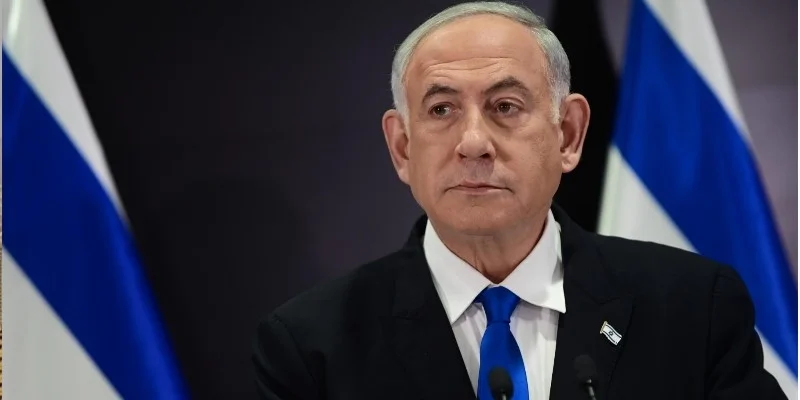
JERUSALEM (Terror Monitor) — Israeli Prime Minister Benjamin Netanyahu has rejected reports that US President Donald Trump prevented Israel from launching a planned military attack on Iran earlier this month, describing a report by the Financial Times as incorrect while declining to disclose details of his recent discussions with the American president.
In an interview with Israel's Channel 7, Netanyahu dismissed the British newspaper's account, which reported that Israel had prepared for renewed strikes against Iran on October 10 and 11 but abandoned the operation after Trump opposed restarting the conflict before the US midterm elections.
“That report is incorrect,” Netanyahu said, adding that he would not comment on the details of his recent conversations with Trump concerning Iran.
The Israeli prime minister's remarks came amid renewed speculation over the possibility of another military confrontation with Iran, as diplomatic efforts between Washington and Tehran have largely stalled and both the United States and Israel approach important elections.
Financial Times Report Details Planned Israeli Offensive
The Financial Times, citing three people familiar with the matter, reported on Wednesday that Netanyahu had instructed the Israeli military to prepare for a new campaign of strikes against Iran during the weekend of October 10.
According to the report, the proposed operation would have targeted Iranian nuclear facilities, sites associated with the country's leadership and civilian infrastructure, including energy installations.
The sources told the newspaper that Trump opposed restarting the conflict before the US midterm elections scheduled for November 3.
The report suggested that the proposed campaign could have been more intense than the US-Israeli strikes carried out against Iran earlier in the year.
However, it remained unclear whether the United States would have participated directly in the proposed operation or whether Israel would have carried it out independently.
Netanyahu's denial does not establish which specific elements of the Financial Times report he disputes. His office has not publicly provided a detailed alternative account of the reported military preparations.
Trump Previously Ruled Out Attacking Iran Before Midterms
Trump has publicly stated that the United States would not launch new attacks against Iran before the November 3 midterm elections.
On October 8, the US president said Washington was engaged in productive discussions with Tehran and ruled out military action before the elections.
In a statement published on his Truth Social platform, Trump said the United States would not attack Iran before Americans voted in the midterm congressional elections.
His announcement came amid reports that US and Israeli military officials were preparing for the possibility of renewed hostilities.
According to Reuters, Washington and Tehran had exchanged proposals aimed at ending the conflict and reopening the Strait of Hormuz, a strategically important waterway for global energy shipments.
However, significant disagreements remained, particularly over Iran's nuclear programme and the conditions required for a broader settlement.
Trump's public commitment not to attack Iran before the elections has become a central element of the debate over whether the conflict could resume in the coming weeks.
Reports of Military Preparations Continue
Netanyahu's denial follows earlier reports that he had pressed Trump to consider renewed military action against Iran before the Israeli and US elections.
A separate report by Axios on October 13 said the two leaders had discussed the possibility of launching a major new operation against Iran.
Citing US and Israeli officials and other people familiar with the discussions, Axios reported that Israeli and US military forces remained prepared for the possibility of renewed operations.
The report also said Netanyahu had expressed concerns about Iran's nuclear activities and the possibility that Tehran was rebuilding elements of its nuclear programme.
However, the White House rejected claims that Trump had committed to authorising a new attack before the elections.
Netanyahu's office also denied that the Israeli prime minister was seeking to initiate another war with Iran before the votes.
The conflicting accounts highlight uncertainty over the extent of coordination between Washington and Jerusalem and whether military preparations are intended to facilitate a future operation or increase pressure on Tehran during negotiations.
Iran's Nuclear Programme Remains at the Centre of Dispute
Iran's nuclear programme remains the principal obstacle to a lasting diplomatic agreement with the United States and Israel.
Washington has demanded restrictions on Iran's nuclear activities to prevent the country from developing nuclear weapons. Tehran maintains that its nuclear programme is peaceful and has rejected demands it considers unacceptable.
Disagreements also concern uranium enrichment, the future of Iran's enriched uranium stockpile, international inspections and restrictions on its missile capabilities.
Recent diplomatic efforts have failed to resolve these differences, while military pressure and economic restrictions have further complicated negotiations.
The dispute has also raised concerns about the potential consequences of renewed attacks on Iranian nuclear facilities and energy infrastructure, including the possibility of retaliatory strikes against Israel and US interests in the Middle East.
Netanyahu's Denial Leaves Questions Unanswered
Netanyahu's rejection of the Financial Times report has not resolved questions about whether Israel was preparing to attack Iran on October 10 and 11 or whether Trump intervened to prevent the operation.
The Israeli prime minister declined to disclose the details of his discussions with Trump, leaving the precise nature of their exchanges unclear.
Meanwhile, Trump has recently indicated that a significant development concerning Iran could occur soon, while suggesting that negotiations with Tehran may not resume.
His remarks have added to uncertainty over whether Washington will pursue another diplomatic initiative or consider renewed military action after the US midterm elections.
For now, neither the reported cancellation of the proposed Israeli offensive nor the possibility of renewed strikes after the elections has been independently established as a final military decision.
Related Articles
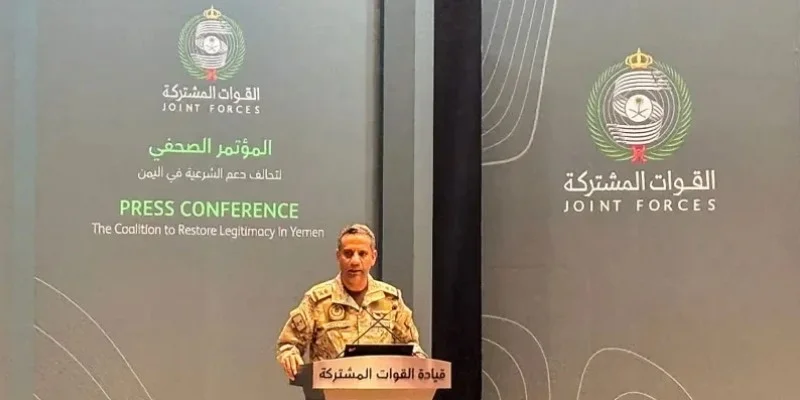
Iran-Backed Houthis Claim Four Military Operations Inside Saudi Arabia as Coalition Intercepts Drones
Iran-backed Houthi rebels have claimed four military operations inside Saudi Arabia targeting the Ministry of Defense in Riyadh, King Fahd International Airport, an Aramco facility in Yanbu and Abha International Airport. The Saudi-led coalition said it intercepted and destroyed four drones as attacks left people dead and injured.
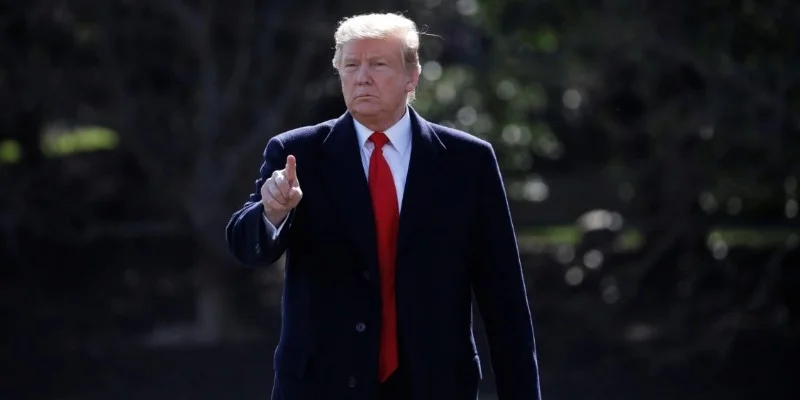
US President Trump Signals Imminent Development on Iran
US President Donald Trump has signaled that a major development concerning Iran could occur soon, saying negotiations may not resume. The remarks come amid reports that the United States and Israel are preparing plans for possible renewed strikes against Iran after the November 3 midterm elections.
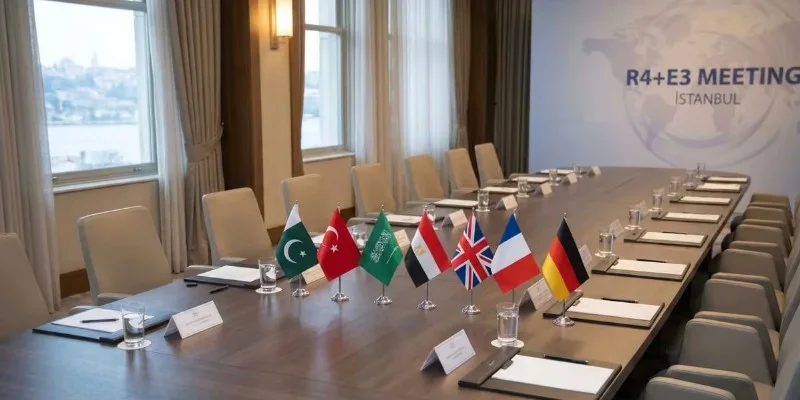
Türkiye to Host First Joint Meeting of R4 and E3 Groups on Regional Security, Yemen and Ukraine War
Türkiye will host the first joint meeting of the R4 and E3 groups, bringing together Türkiye, Saudi Arabia, Pakistan, Egypt, Britain, France and Germany to discuss Palestine, Yemen, Strait of Hormuz security and efforts to end the Russia-Ukraine war.
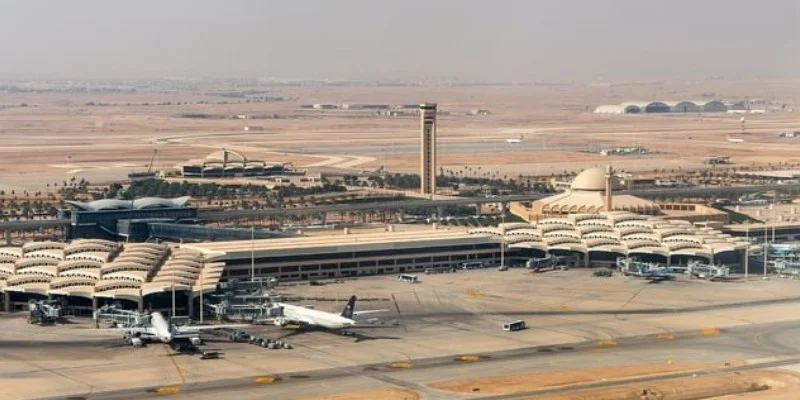
Houthi Attacks on Saudi Arabia Kill Three at Airport, Injure Eight as US Orders Embassy Staff to Leave
Three people were killed and eight injured in an attack on King Fahd International Airport in Dammam, Saudi Arabia. Separately, debris from an intercepted drone near Aramco’s Shaybah oil field killed two foreign workers and injured two others. Amid escalating attacks, the US has ordered non-emergency embassy staff and their families to leave Saudi Arabia.