
Iran-Backed Houthis Claim Attacks on Saudi Aramco Facility, Oil Field and Airports as Yemen Fighting Intensifies
· 202 views

Sanna (Terror Monitor) — Iran-backed Houthi rebels have claimed responsibility for multiple attacks targeting Saudi Arabia’s energy infrastructure, airports and military installations, as fighting between the Houthis and Yemen’s internationally recognized government forces intensifies.
According to the Houthi spokesperson, the targets included a Saudi Aramco facility in Yanbu, the Shaybah oil field, King Khalid International Airport in Riyadh and Abha International Airport.
However, Saudi authorities had not issued an official response to these latest claims at the time of reporting, and it was not immediately clear whether all the reported targets had been struck or what damage, if any, had been caused.
The latest developments come amid a sharp escalation in hostilities between the Iran-backed Houthis and Saudi Arabia, which supports Yemen’s internationally recognized government. Recent Houthi attacks on Saudi airports have caused civilian casualties, disrupted air travel and heightened concerns about the security of critical infrastructure across the kingdom.
Houthis Claim Attacks on Strategic Saudi Infrastructure
The Houthi spokesperson identified several strategic locations in Saudi Arabia as targets of the group’s latest operations.
These reportedly included a Saudi Aramco facility in Yanbu, the Shaybah oil field, King Khalid International Airport in Riyadh and Abha International Airport.
The reported targets span Saudi Arabia’s energy sector and civil aviation infrastructure, both of which are strategically important to the kingdom’s economy and regional connectivity.
The claims could not immediately be independently verified, and Saudi officials had not publicly confirmed the latest reported strikes.
The latest announcement follows a series of Houthi-claimed missile and drone attacks on Saudi airports during October, including attacks on King Khalid International Airport in Riyadh and Abha International Airport that Saudi aviation authorities said had caused civilian deaths and injuries.
17 Pakistanis Injured in Riyadh Airport Attacks
Meanwhile, Pakistan’s Ambassador to Saudi Arabia, Ahmad Farooq, said that 17 Pakistani nationals had been injured in Houthi attacks on King Khalid International Airport in Riyadh.
Speaking to Saudi media in Riyadh, the ambassador said the injured included five women.
According to Pakistani diplomatic sources, the casualties resulted from two separate attacks on the airport on October 10 and 11.
Fifteen of the injured Pakistanis had been discharged from hospitals after receiving medical treatment, while two remained under treatment in Riyadh.
The October 10 attack initially killed 12 people and injured 309 others, according to information provided by Pakistani diplomatic sources. A subsequent attack on October 11 killed a Pakistani national and injured 11 other people.
The attacks have raised concerns about the safety of foreign nationals working and travelling in Saudi Arabia, particularly as the Houthis continue to target locations deep inside the kingdom.
The repeated strikes have also disrupted airport operations and intensified security concerns surrounding Saudi Arabia’s civilian aviation network.
Yemeni Government Forces Launch Airstrikes Near Taiz
Separately, the armed forces of Yemen’s internationally recognized government said they had carried out three airstrikes against Houthi positions in and around the southwestern city of Taiz.
According to the military statement, two airstrikes targeted Houthi rebels in the Najd Qasim area, south of Taiz, while a third strike hit a weapons storage facility in Jabal Habashi, west of the city.
The Yemeni military said the operations were part of continuing efforts to target Houthi positions and military infrastructure as fighting intensifies across several front lines in the country.
The government forces also reported ongoing clashes in multiple areas of western Yemen.
These included the southern fronts around Al-Masrakh district, Al-Shaqb and Al-Aqrood, as well as areas around Dhubab and Jabal Hanan to the west of Taiz.
The military statement indicated that fighting remained active across several locations, highlighting the continuing struggle for control of strategically important areas in southwestern Yemen.
Yemeni Army Reports 129 Houthis Killed, 176 Wounded
The Yemeni government forces further claimed that 129 Houthi fighters had been killed and 176 others wounded during the preceding 48 hours.
The figures were provided by the Yemeni military, but independent confirmation of the reported casualties was not immediately available.
The statement did not provide a detailed breakdown of the reported deaths and injuries or clarify whether all the casualties resulted directly from the three airstrikes or from fighting across multiple fronts.
The latest reported operations underscore the intensifying confrontation between the Houthis and forces aligned with Yemen’s internationally recognized government.
Regional Conflict Raises Concerns Over Energy and Civilian Infrastructure
The reported attacks on Saudi energy facilities and airports come as the conflict between the Houthis and the Saudi-backed Yemeni government enters another period of escalation.
Saudi Arabia has faced repeated attacks on its airports and other strategic sites, while government-aligned forces have intensified military operations against Houthi positions inside Yemen.
The targeting of oil infrastructure has raised additional concerns about the security of energy facilities and the potential consequences for regional oil supplies.
Meanwhile, attacks on airports have resulted in civilian casualties, including foreign nationals, and disrupted commercial aviation.
The latest Houthi claims remain unconfirmed by Saudi authorities. Further official statements are expected to clarify whether the reported energy facilities, airports and military installations were struck and whether the attacks caused damage or casualties.
Terror Monitor will continue to follow developments in Saudi Arabia and Yemen as further information becomes available.
Related Articles
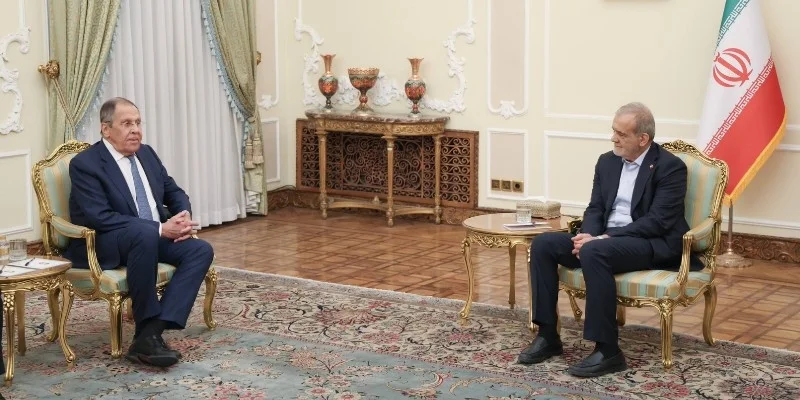
Russia Pledges Continued Cooperation With Iran as Lavrov Meets Pezeshkian
Russian Foreign Minister Sergey Lavrov met Iranian President Masoud Pezeshkian, Foreign Minister Abbas Araghchi and Supreme National Security Council Secretary Mohsen Rezaei in Tehran on Monday. Moscow reaffirmed its strategic partnership with Iran as both sides called for diplomatic solutions to regional tensions, including the crisis in the Strait of Hormuz.
Trump Threatens Devastating Strike on Iran’s Nuclear Sites as Pentagon Weighs ‘Mother of All Bombs’
President Donald Trump has threatened to strike Iran’s deeply buried Pickaxe Mountain nuclear facility as the Pentagon reportedly considers using the massive non-nuclear “Mother of All Bombs.” Tehran has dismissed the threats and warned that further U.S. attacks could trigger retaliation and escalate the regional conflict.
US Embassies Issue Urgent Middle East Security Alert Amid Houthi Attacks
US embassies across the Middle East have urged American citizens to remain vigilant amid escalating regional hostilities, warning of possible flight cancellations, airspace closures and travel disruptions. The alerts come as Iran-backed Houthi rebels intensify attacks on Saudi Arabia, with deadly strikes disrupting operations at Riyadh’s international airport and raising fears that the conflict could spread further across the region.
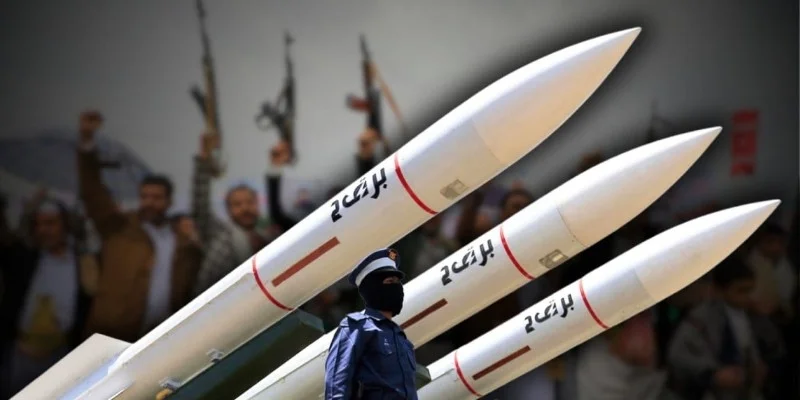
Iran-Backed Houthis Kill 53, Wound 200 in Ballistic Missile Attack on Yemen Military Camp
Iran-backed Houthi rebels killed at least 53 people and wounded around 200 in a three-missile attack on a military training camp in Yemen’s Shabwa province on Monday. The escalation comes as the Houthis intensify attacks on Saudi Arabia, prompting Egypt to consider military assistance to Riyadh and the United States to warn its citizens of growing security risks across the Middle East.