
US President Trump Signals Imminent Development on Iran
· 45 views
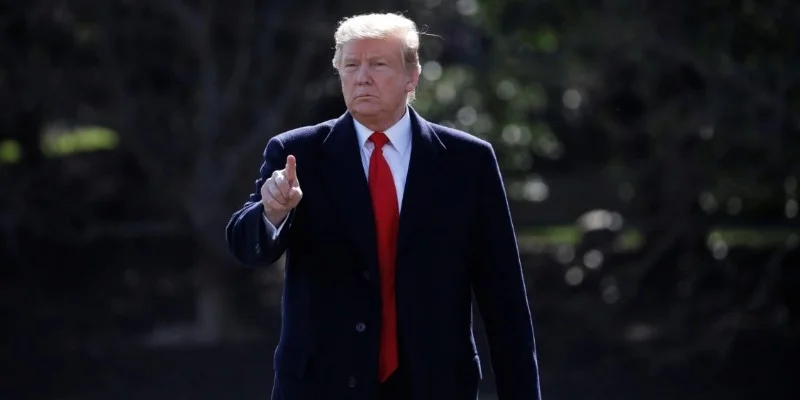
Washington, D.C. (Terror Monitor) — US President Donald Trump has signaled that a significant development concerning Iran could occur soon, suggesting that Washington may no longer pursue negotiations with Tehran as reports emerge that the United States and Israel are preparing plans for renewed military strikes against Iran following the November 3 midterm elections.
Speaking to reporters at Joint Base Andrews in Maryland, Trump was asked about diplomatic contacts with Iran and the possibility of further developments in the conflict.
“Something one way or another will happen, fairly soon,” Trump said, adding that most people believed it would happen after the US midterm elections.
When asked whether he had abandoned negotiations with Iran, Trump indicated that diplomatic talks might not resume.
“I think we’re not going to be negotiating, but something will happen fairly soon,” he said.
His remarks come amid growing uncertainty over the future of the conflict, with Washington weighing its diplomatic and military options while tensions continue to affect regional security and international energy supplies.
US and Israel reportedly prepare plans for fresh strikes
The New York Times, citing unidentified US officials and other people familiar with the discussions, reported on Wednesday that the United States and Israel had developed plans for renewed military strikes against Iran after the US midterm elections on November 3.
According to the report, the two countries have intensified military exercises in preparation for a possible short but intensive military operation. The exercises reportedly include flights over Iraq to rehearse potential strike manoeuvres.
Potential targets could include Iranian nuclear facilities, energy infrastructure, and the country's missile and drone arsenals.
The reported planning also follows discussions between US Defense Secretary Pete Hegseth and Israeli Prime Minister Benjamin Netanyahu during Hegseth's recent visit to Israel.
However, it remains unclear whether Trump will authorise another military campaign. The US president has previously considered renewed strikes but has also postponed or rejected proposals to escalate military operations.
A White House official told the New York Times that the administration would not comment on military plans that may or may not exist, while reiterating that Trump was keeping all options available to prevent Iran from obtaining nuclear weapons.
The report does not establish that a final decision to launch new attacks has been made.
US midterm elections emerge as a key factor
The November 3 congressional elections appear to be an important factor in Washington's calculations regarding Iran.
Earlier this month, Trump explicitly stated that the United States would not attack Iran before the midterm elections, citing what he described as productive discussions with Tehran.
His latest remarks, however, have raised fresh questions about whether the administration intends to pursue a diplomatic settlement after the elections or move towards renewed military action.
A report by NPR on Thursday also indicated that US and Israeli officials were preparing for the possibility of an attack in early November. A person familiar with the military planning told the broadcaster that the preparations could also serve as a means of pressuring Iran into accepting a diplomatic agreement.
The distinction is significant because military preparations do not necessarily mean that an attack is imminent or that the decision to proceed has been taken.
Iran warns it is prepared for different scenarios
Iranian officials have maintained that Tehran is prepared to respond to renewed military action while keeping the possibility of diplomacy open under acceptable conditions.
Iranian Foreign Minister Abbas Araghchi said on Thursday, according to NPR's reporting, that Iran was prepared for both diplomacy and war.
Tehran's position reflects the deep mistrust that has developed between the two countries following repeated military confrontations and the collapse of previous diplomatic efforts.
Iran has also resisted key US demands concerning its nuclear programme and has insisted on addressing issues it considers essential to any agreement.
The dispute over Iran's nuclear activities remains one of the central obstacles to a lasting settlement.
Washington has sought restrictions that would prevent Iran from developing nuclear weapons, while Tehran maintains that its nuclear programme is peaceful and rejects demands it considers unacceptable.
Strait of Hormuz and regional security remain concerns
The continuing confrontation has also raised concerns about maritime security and the potential consequences for global energy markets.
The Strait of Hormuz is a critical international shipping route through which substantial volumes of the world's oil supplies pass. Disruptions to commercial shipping in the Persian Gulf have heightened concerns about oil prices, transportation costs and the wider economic impact of the conflict.
The United States has maintained pressure on Iranian oil exports and sought to protect maritime traffic, while Iran has continued to challenge US actions in the region.
According to Stars and Stripes, citing maritime security reporting, attacks on commercial shipping around the Strait of Hormuz have intensified during October, adding to the risks facing vessels operating in the area.
Any renewed US-Israeli military campaign against Iran could further complicate efforts to restore maritime security and prevent the conflict from spreading.
Iran has also warned that a new attack could prompt a broader response against US interests in the region.
Military escalation remains uncertain
Although Trump's latest comments suggest that an important development could be approaching, they do not confirm that Washington has decided to resume military operations.
Reporting by The New York Times, NPR and other international news organisations indicates that military planning is advancing, but the US administration has not publicly confirmed an order for new strikes.
Trump's decision could depend on several factors, including the prospects for an agreement with Tehran, the military situation in the region, the security of international shipping and the domestic political consequences of further escalation.
For now, the US president's remarks have intensified speculation that the period immediately following the November 3 midterm elections could prove decisive for the future course of the US-Iran confrontation.
Sources: The New York Times, NPR, Stars and Stripes and the Associated Press.
Related Articles
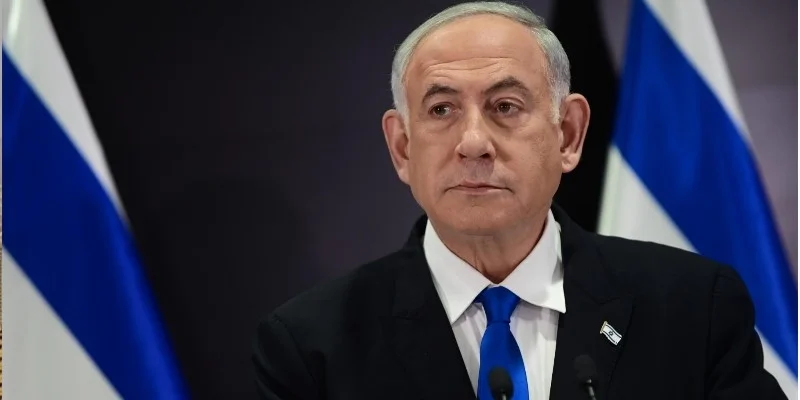
Netanyahu Denies Trump Blocked Planned Israeli Strike on Iran Ahead of US Midterm Elections
Israeli Prime Minister Benjamin Netanyahu has denied reports that US President Donald Trump blocked a planned Israeli attack on Iran on October 10 and 11 ahead of the US midterm elections. Netanyahu dismissed the Financial Times report as incorrect but declined to disclose details of his recent discussions with Trump about Iran.
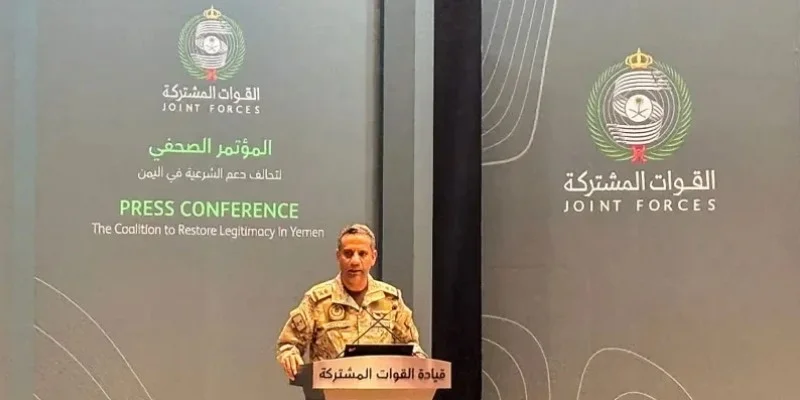
Iran-Backed Houthis Claim Four Military Operations Inside Saudi Arabia as Coalition Intercepts Drones
Iran-backed Houthi rebels have claimed four military operations inside Saudi Arabia targeting the Ministry of Defense in Riyadh, King Fahd International Airport, an Aramco facility in Yanbu and Abha International Airport. The Saudi-led coalition said it intercepted and destroyed four drones as attacks left people dead and injured.
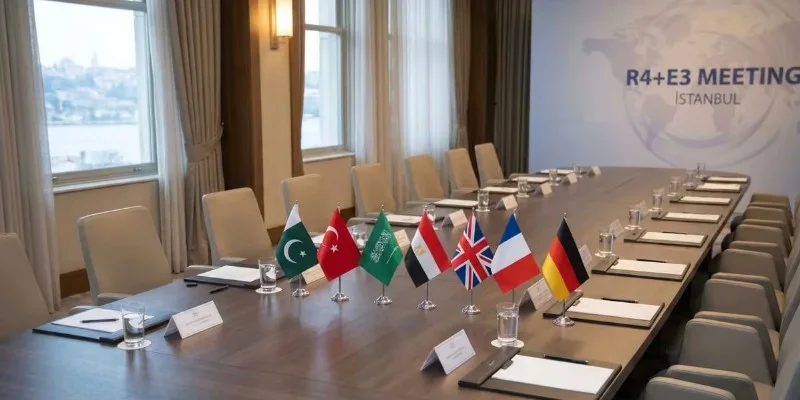
Türkiye to Host First Joint Meeting of R4 and E3 Groups on Regional Security, Yemen and Ukraine War
Türkiye will host the first joint meeting of the R4 and E3 groups, bringing together Türkiye, Saudi Arabia, Pakistan, Egypt, Britain, France and Germany to discuss Palestine, Yemen, Strait of Hormuz security and efforts to end the Russia-Ukraine war.
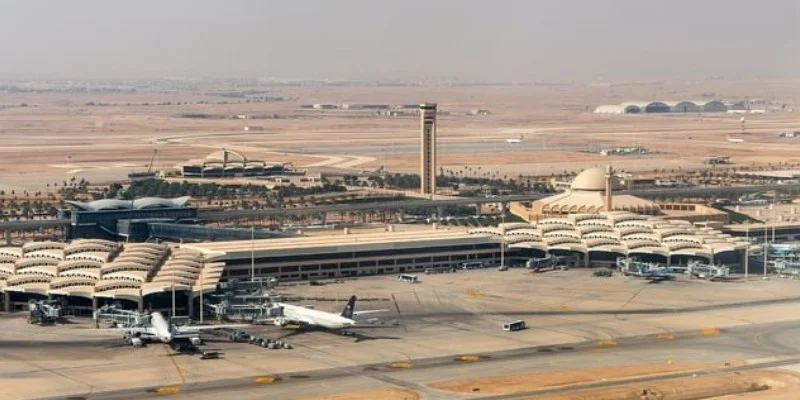
Houthi Attacks on Saudi Arabia Kill Three at Airport, Injure Eight as US Orders Embassy Staff to Leave
Three people were killed and eight injured in an attack on King Fahd International Airport in Dammam, Saudi Arabia. Separately, debris from an intercepted drone near Aramco’s Shaybah oil field killed two foreign workers and injured two others. Amid escalating attacks, the US has ordered non-emergency embassy staff and their families to leave Saudi Arabia.