
Rubio Says Iran Missed Multiple Chances for Nuclear Deal, Demands End to Nuclear Weapons Ambitions
· 48 views
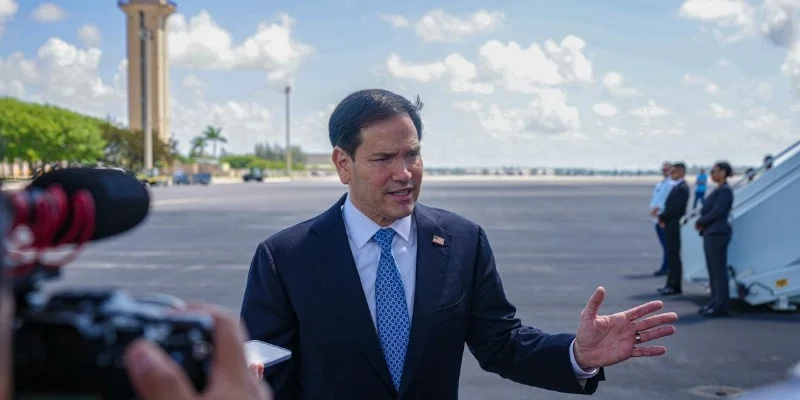
Washington, D.C. (Terror Monitor) — U.S. Secretary of State Marco Rubio said Wednesday that Iran has missed multiple opportunities to reach an agreement with Washington over its nuclear program, as the United States continues to demand concrete limits on Tehran’s uranium-enrichment activities as part of any deal to end the ongoing conflict.
Speaking to reporters in Athens, Rubio said Washington’s position remained clear: any agreement must ensure that Iran can never obtain a nuclear weapon.
“Iran cannot have a nuclear weapon, simple, period, end of story,” Rubio said, stressing that any agreement acceptable to the United States must provide guarantees that Tehran will never acquire such weapons.
Rubio accused Tehran of passing up repeated opportunities for an agreement, suggesting that Washington believes a diplomatic solution remains possible if Iran is prepared to make significant concessions on its nuclear program.
His comments came a day after U.S. Vice President JD Vance told Reuters that Iran would have to make a “meaningful” reduction in its uranium-enrichment capacity to meet U.S. demands and help bring the seven-month war to an end.
Vance questioned why Iran would need to maintain highly enriched uranium if it does not intend to build a nuclear weapon.
“If you don’t want a nuclear weapon, then why do you need 60% enriched fuel?” Vance said. He added that Washington was looking for concrete actions rather than assurances from Tehran.
Washington demands concrete nuclear concessions
The comments indicate that the nuclear issue remains central to U.S. efforts to negotiate an end to the conflict.
Reuters reported that Washington wants Iran to reduce its enrichment capacity and potentially eliminate or substantially reduce its stockpile of highly enriched uranium. Vance said the United States remained open to an agreement but would not accept promises without corresponding action.
The issue is particularly significant because Iran had previously accumulated uranium enriched to 60 percent purity, well above the level normally required for civilian nuclear power but below the roughly 90 percent level generally associated with weapons-grade uranium. Reuters reported that the current status of Iran’s enrichment infrastructure remains uncertain following attacks on its nuclear facilities and restrictions on international inspections.
Iran, however, has rejected giving up its right to uranium enrichment. A senior Iranian official told Reuters that Tehran would not abandon what it considers its right to enrich uranium, although the level and other technical details could potentially be discussed.
Rubio says Iran's economy is in freefall
Rubio also sharply criticized Iran’s economic situation, saying the country’s economy was in “total and complete freefall” as a result of U.S. sanctions and the broader impact of the conflict.
He argued that Washington’s pressure campaign has significantly weakened Tehran’s ability to operate economically and maintain control over key strategic assets.
Rubio specifically pointed to oil shipments through the Strait of Hormuz, one of the world’s most important energy corridors.
“The Strait of Hormuz is open,” Rubio said, adding that almost as much oil was now flowing through the waterway as before the conflict. He argued that Iran had therefore “lost complete control” of the strategic strait.
The Strait of Hormuz connects the Persian Gulf with the Gulf of Oman and is a critical route for global energy supplies. Any prolonged disruption has the potential to affect international oil prices and global energy markets.
Iran disputes U.S. claims over Hormuz
Iranian officials have disputed Washington’s characterization of the situation.
A senior adviser to the commander-in-chief of Iran’s Revolutionary Guard said Wednesday that the Strait of Hormuz remained closed and that Iranian armed forces retained full control of it. He said the situation would continue until what Tehran considers its legitimate demands are met.
The conflicting claims underscore the continuing uncertainty surrounding commercial shipping through the waterway. Although oil flows have recovered substantially from earlier levels, attacks and security incidents involving vessels have continued, according to international reporting.
Tehran says enrichment remains a red line
Iranian officials have also pushed back against Washington’s nuclear demands.
A senior Iranian official told Reuters that there had been no formal negotiations specifically on Tehran’s nuclear program and described the U.S. position as a set of “ideas and requests.” The official said recognition of Iran’s right to uranium enrichment remained a red line for Tehran.
Iranian President Masoud Pezeshkian has previously questioned the usefulness of negotiations with Washington, while Foreign Minister Abbas Araghchi has indicated that diplomacy could still provide a path toward ending the conflict if negotiations are conducted on what Tehran considers fair terms.
The latest exchanges suggest that significant differences remain between Washington and Tehran over both the nuclear program and the conditions required to end the conflict.
For Washington, a major reduction in Iran’s enrichment capability and firm guarantees against the development of nuclear weapons remain central demands. Tehran, meanwhile, continues to insist that its right to peaceful uranium enrichment cannot simply be eliminated.
With the conflict entering its seventh month and the Strait of Hormuz remaining a major point of contention, the nuclear dispute, economic pressure and control of regional shipping routes are increasingly intertwined in efforts to determine how the war will end.
Related Articles
Pakistan Confirms Troops Already in Saudi Arabia as Houthi War Escalates
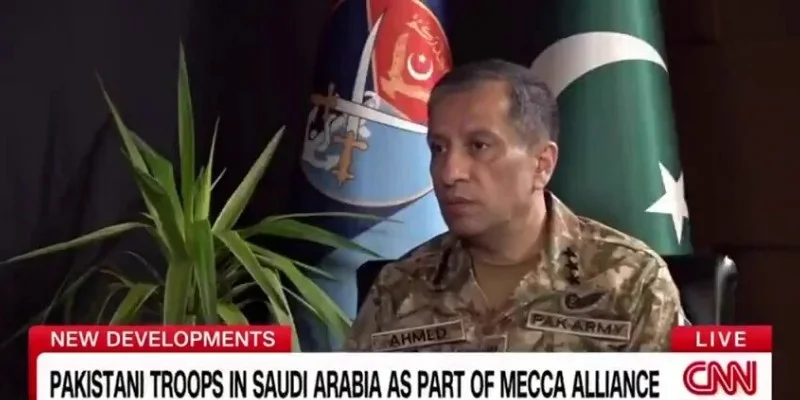
Pakistan’s military has confirmed that Pakistani forces are already stationed in Saudi Arabia in various capacities, but has not disclosed their number, capabilities or whether they are involved in cross-border operations against the Iran-backed Houthis in Yemen.
Houthi Attacks on Saudi Airports Kill Three, Injure 36 Amid Escalating Yemen War
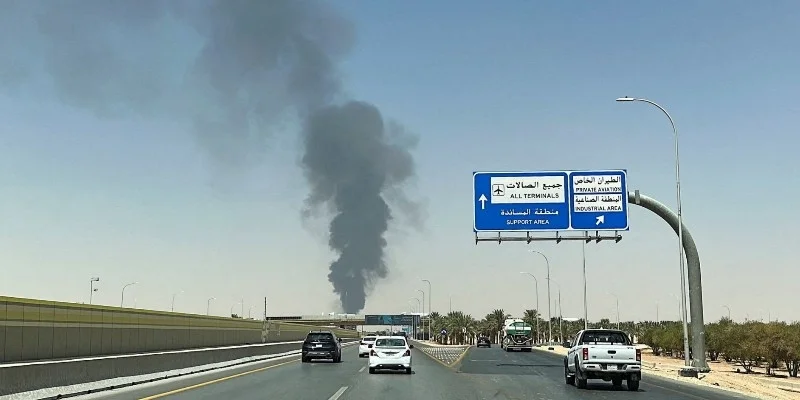
Iran-backed Houthis claimed responsibility for attacks targeting Saudi airports, with three people killed and 36 injured in Abha and Riyadh. The escalation came as Saudi-backed Yemeni forces launched a major counteroffensive against Houthi positions near the strategic Bab el-Mandeb strait.
Yemen War Escalates as Houthis Attack Saudi Arabia and Government Forces Launch Counteroffensive
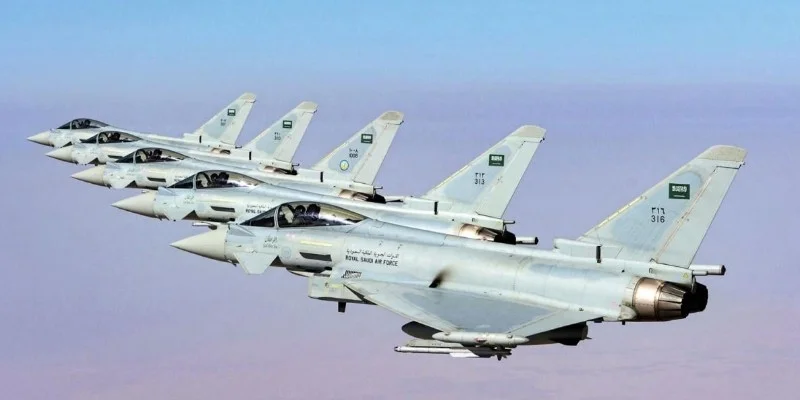
Yemen’s civil war has sharply escalated as Iran-backed Houthis claim attacks on Saudi Arabia, while Saudi-backed government forces launch a major counteroffensive to retake territory from the group. The Saudi-led coalition says around 100 fighter jets are supporting the operation, as fighting intensifies around the strategic Bab al-Mandab Strait.
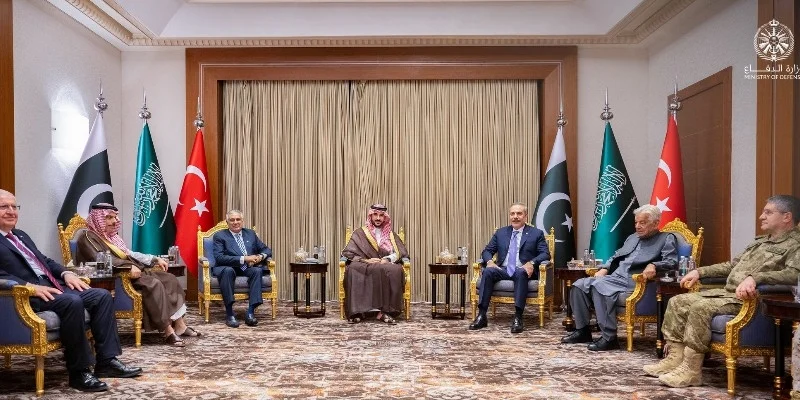
Pakistan, Türkiye Activate Makkah Defence Pact as Saudi Arabia Battles Iran-Backed Houthis
Saudi Arabia, Pakistan and Türkiye have activated the collective-defence mechanism of the Makkah Defence Alliance amid escalating fighting with Iran-backed Houthis in Yemen. The three countries agreed to provide and rapidly deploy agreed military forces and defence capabilities to Saudi Arabia, while Pakistan and Türkiye are currently playing supporting roles rather than taking part in direct combat operations.