
Saudi Arabia Says Six Houthi Ballistic Missiles Intercepted Near Taif and Yanbu
· 38 views
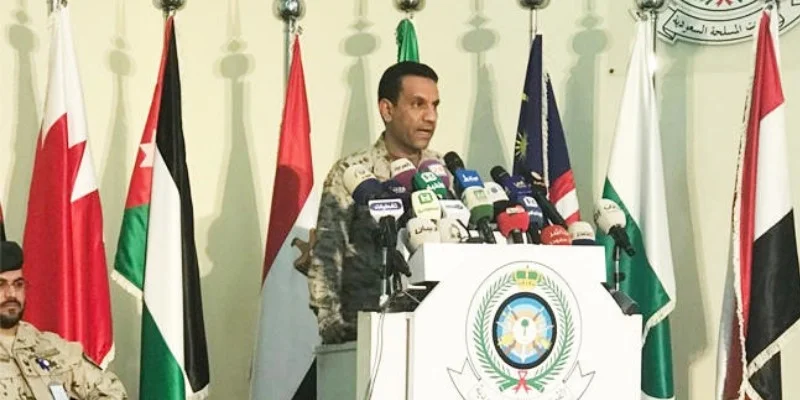
RIYADH (Terror Monitor) — Saudi air defenses intercepted and destroyed six ballistic missiles launched toward the kingdom, thwarting an alleged attempt by Iran-backed Houthis to target the Saudi cities of Taif and Yanbu, the Saudi-led coalition said Thursday.
Coalition spokesman Major General Turki al-Malki said the missiles were intercepted before reaching their intended targets and warned that further Houthi escalation would be met with a firm response. The Saudi Press Agency reported the statement, while the Associated Press said it could not independently verify the Saudi military’s account.
Saudi civil defense authorities issued alerts earlier Thursday for several areas, including Yanbu, Jeddah, Tabuk, Makkah and Taif, before later announcing that the danger had passed.
Reuters, citing security sources, separately reported that a Greek-operated air-defense system in the wider Yanbu area intercepted a ballistic missile and a drone on Thursday. The Greek Patriot system reportedly launched two interceptor missiles, although the sources did not identify who launched the incoming weapons.
There was no immediate claim of responsibility from the Houthis for the six missiles. The group has, however, intensified attacks against Saudi Arabia in recent days as fighting has escalated across Yemen and the wider region.
Yanbu’s Importance to Saudi Oil Exports
The latest reported attacks are particularly significant because Yanbu is one of Saudi Arabia’s key energy hubs on the Red Sea.
Saudi Aramco Chief Executive Amin Nasser told Japan’s Nikkei Asia that the company expects to be able to restore operations affected by disruptions within days and is examining additional export routes and overseas storage capacity to strengthen the resilience of its supply network.
Nasser said Aramco currently has three major export routes and is examining the possibility of developing a fourth and fifth route. The company is also considering increasing oil-storage capacity outside Saudi Arabia, including in countries such as Japan.
The comments come after attacks disrupted Saudi oil infrastructure and reduced shipments through Yanbu. Reuters reported that Aramco has increased exports from the Gulf port of Ras Tanura, using ship-to-ship transfers near Oman’s Sohar port to help offset reduced shipments from Yanbu.
Reuters also reported that no crude loadings from Yanbu had been observed since September 16, while Saudi Arabia has continued moving oil through alternative routes amid disruptions around the Strait of Hormuz.
Wider Regional Escalation
The latest missile interceptions come amid a broader escalation involving the Houthis, Saudi Arabia and the wider regional conflict.
The Houthis have in recent days been accused of targeting Saudi cities and energy infrastructure with ballistic and cruise missiles and drones. Saudi Arabia has also sought additional air-defense assistance from several countries as the attacks have intensified.
The security situation has also affected shipping through the Red Sea and Bab el-Mandeb, a major maritime chokepoint connecting the Red Sea with the Gulf of Aden and the wider global trade network.
At the same time, traffic through the Strait of Hormuz has fallen sharply amid the wider U.S.-Iran conflict. Reuters reported that only 17 commodity vessels crossed the strait over one recent weekend, compared with 37 the previous week and an average of about 125 vessels per day before the conflict.
With both the Strait of Hormuz and the Red Sea facing heightened security risks, disruptions to Saudi oil exports could have wider consequences for international energy markets. Aramco says it is therefore examining additional export routes and overseas storage options to reduce the impact of potential future disruptions.
Related Articles

France to Send Troops and Defense Systems to Protect Saudi Arabia’s Yanbu
France will deploy military personnel, radar systems and air-defense equipment to Saudi Arabia to help protect the strategic Red Sea port of Yanbu, President Emmanuel Macron said. Macron stressed that the deployment is defensive and is not intended to involve France in the wider conflict, while Paris continues diplomatic efforts with Iran and Oman to reopen the Strait of Hormuz.
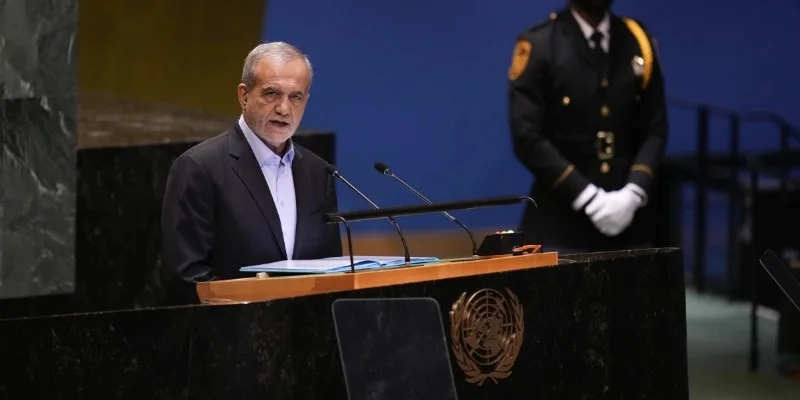
Pezeshkian Rejects Trump’s ‘Language of Force,’ Says Iran Is Ready for Diplomacy
Iranian President Masoud Pezeshkian rejected U.S. President Donald Trump’s threats during his address to the U.N. General Assembly, saying Tehran was ready for dialogue and diplomacy but would not accept the “language of force.” Pezeshkian also defended Iran’s nuclear program and navigation rights in the Strait of Hormuz while calling for regional cooperation on security.
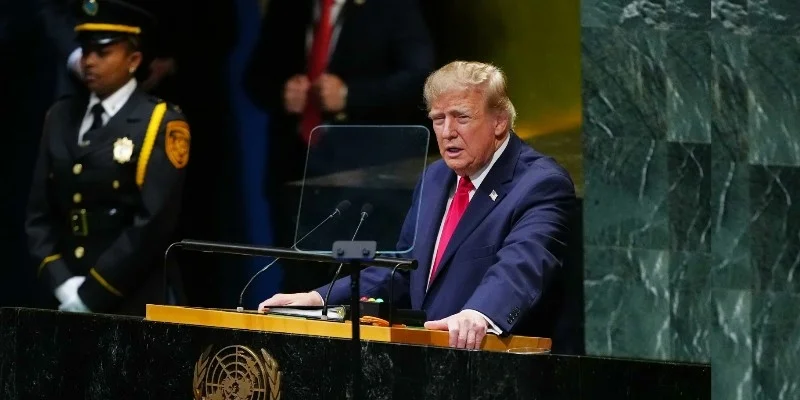
US President Trump Warns He Could ‘Annihilate’ Iran in UN Address
U.S. President Donald Trump warned that he could “annihilate” Iran if Tehran refuses to reach a deal with Washington, while saying he believes an agreement could be reached after the U.S. midterm elections. Addressing the U.N. General Assembly, Trump also demanded that ICC member states withdraw from the court and defended U.S. sovereignty against international institutions.
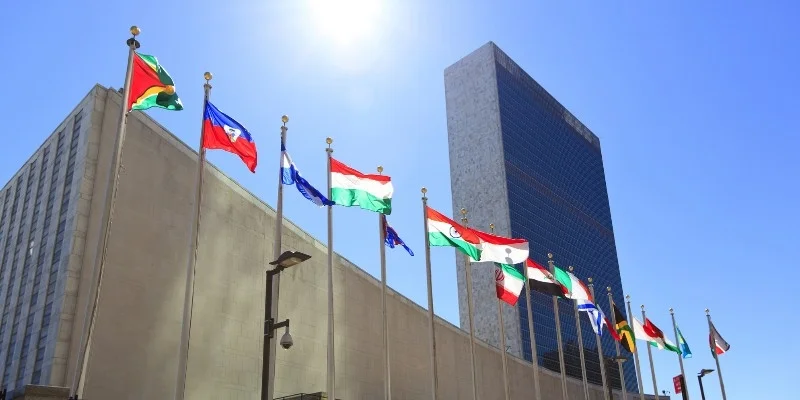
High-Level U.S.-Iran Talks Held in New York, Tehran Confirms
Trump said U.S. and Iranian officials held a three-hour meeting in New York on Tuesday, with Steve Witkoff and Jared Kushner representing the U.S. and Iranian Foreign Minister Abbas Araghchi attending for Tehran. No agreement or ceasefire was announced, but both sides indicated that further discussions could continue.