
Sri Lankan Court Convicts 15 Over 2019 Easter Sunday Bombings
· 46 views
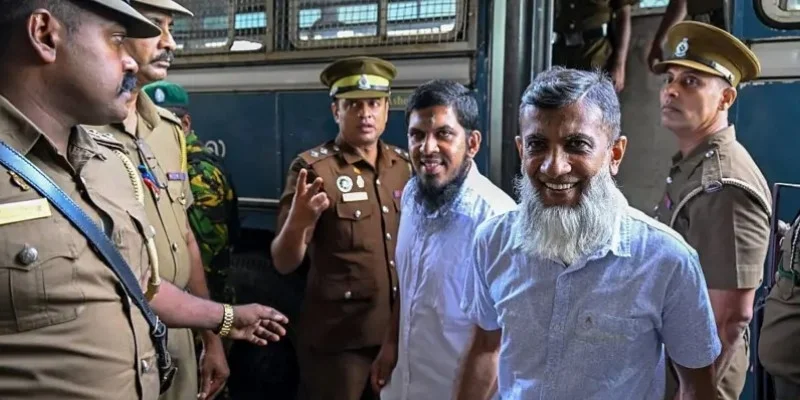
COLOMBO (Terror Monitor) — A Sri Lankan High Court has convicted 15 men over their alleged involvement in the coordinated Easter Sunday bombings of 2019, bringing a major criminal case stemming from one of the country’s deadliest attacks to a verdict.
The Colombo Permanent High Court Trial-at-Bar delivered the verdict on Tuesday, September 22, after a trial that lasted nearly five years. The case involved 24 defendants facing a total of 23,270 charges, including allegations of conspiracy, aiding and abetting the attacks, murder and terrorism-related offenses. Nine defendants were acquitted and ordered released. One of the original accused died during the proceedings.
Among those convicted is Mohamed Ibrahim Mohamed Naufer, also known as Naufar Moulavi, whom prosecutors identified as a key planner behind the attacks. Naufer had denied the allegations during the trial and told the court in August that he had played no role in the bombings.
The court later sentenced each of the 15 convicted defendants to 220 years of rigorous imprisonment and ordered the confiscation of their movable and immovable assets.
The attacks took place on April 21, 2019, when suicide bombers targeted three churches and three tourist hotels in Colombo, Negombo and Batticaloa. More than 260 people were killed and around 500 others were injured. The victims included dozens of foreign nationals.
The bombings were attributed by investigators to local Islamist groups inspired by the Islamic State. All of the suicide bombers died in the attacks. Separate investigations and legal proceedings have continued into individuals accused of supporting or facilitating the perpetrators.
The prosecution presented extensive evidence during the lengthy trial. According to court reporting, 2,309 prosecution witnesses testified, while 2,076 items of evidence were submitted, including explosives, chemicals, swords and firearms.
The attacks also triggered intense scrutiny of Sri Lanka’s security and intelligence agencies. A parliamentary inquiry found that authorities had received advance intelligence warnings about a possible attack but failed to act effectively on the information.
In January 2023, Sri Lanka’s Supreme Court ruled that former President Maithripala Sirisena and four senior security officials had violated the fundamental rights of victims by failing to take adequate action despite receiving intelligence warnings. Sirisena was ordered to pay 100 million Sri Lankan rupees in compensation, while the other officials were ordered to make additional payments from their personal funds.
In July 2026, former Police Chief Pujith Jayasundara and former Defence Secretary Hemasiri Fernando were separately sentenced to death after being convicted of criminal negligence and failing to act on intelligence warnings ahead of the attacks. Sri Lanka has maintained a moratorium on executions since 1976, meaning death sentences have generally not been carried out.
The latest convictions mark a significant development in the long-running legal proceedings surrounding the Easter Sunday attacks, while separate investigations continue into broader questions surrounding the perpetrators, their support networks and the security failures that preceded the bombings.
Related Articles
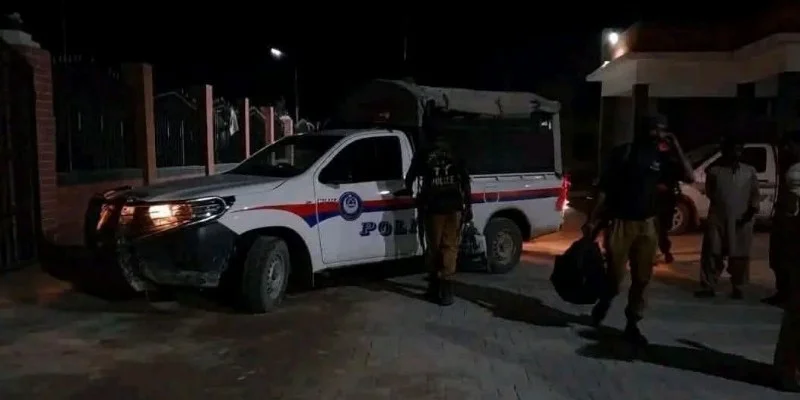
Pakistan: Two Policemen Killed in Attack on Polio Team in Balochistan’s Nushki
Two policemen escorting a female polio vaccination team were killed when unidentified armed terrorists opened fire in Nushki district of Pakistan’s Balochistan province. Police said the vaccination workers remained safe, while the attackers fled with the policemen’s weapons.
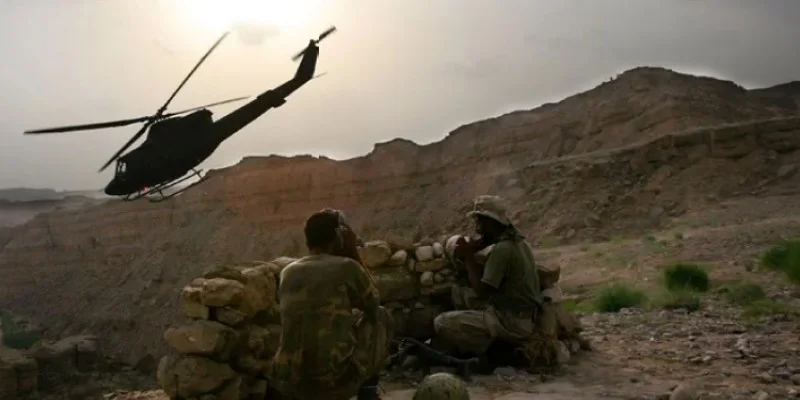
Pakistan Says 37 TTP Terrorists Killed in Operations in Khyber Pakhtunkhwa, Border Areas
Pakistan says its security forces killed 37 TTP terrorists in intelligence-based operations and airstrikes across Khyber Pakhtunkhwa and areas near the Pakistan-Afghanistan border.
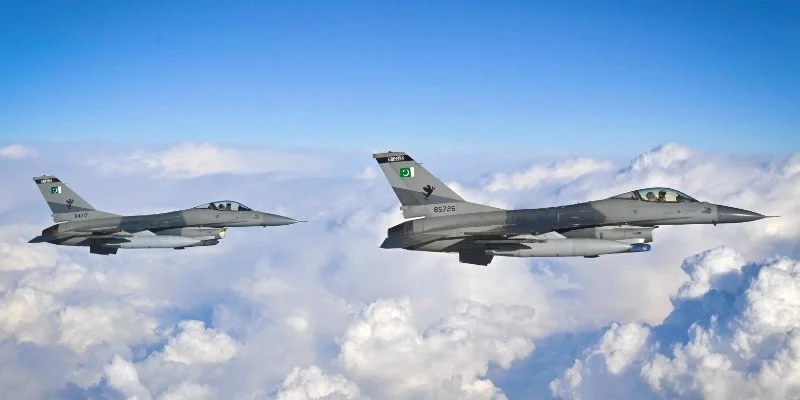
Pakistan Says Airstrikes in Afghanistan Killed 28 Militants; Kabul Reports Civilian Deaths
Pakistan said its military carried out airstrikes on suspected militant hideouts in eastern Afghanistan, killing 28 militants. Afghan Taliban authorities said the strikes killed three civilians and wounded four others, as tensions between Islamabad and Kabul continued to escalate.

Six Pakistani Soldiers, Including Two Officers, Killed in Hangu Clash
Six Pakistani military personnel, including two officers, were killed in a clash with TTP terrorists in Hangu district of Khyber Pakhtunkhwa, while eight terrorists were also killed. The military said a clearance operation is underway to eliminate remaining terrorists in the area.