
Syria Under Israeli Grip: Expanding Military Presence Raises Fears of Permanent Occupation
· 61 views
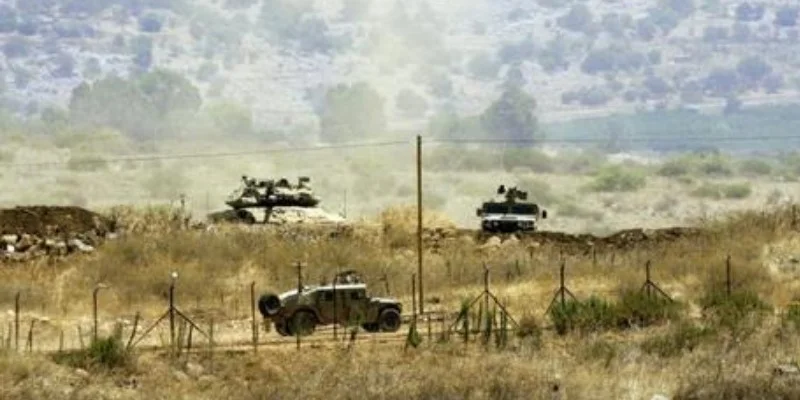
Syria (Terror Monitor) — The continued expansion of Israeli military activity in Syria has raised fresh questions about Israel’s long-term ambitions and security strategy in the region. The Israeli government maintains that southern Syria should remain a demilitarized zone.
In April 2024, Israeli forces detained Saddam, the 16-year-old son of Syrian farmer Ahmad Hassan al-Din, near the Golan Heights. According to Ahmad, Saddam had gone to the family’s agricultural land to feed their livestock.
The Israeli military said Saddam had “illegally entered the territory of the State of Israel,” while his family maintains that the land belongs to them and that they had permission from the United Nations to work there.
The Golan area is part of Syria and has been occupied by Israel since 1967. Under the 1974 ceasefire agreement, a buffer zone was established in which Syrian farmers and shepherds are required to obtain special permission from the United Nations Disengagement Observer Force (UNDOF) to enter.
After the fall of former President Bashar al-Assad’s government in December 2024, Israel took control of the demilitarized zone. Israeli leaders said the military presence there was temporary and intended to protect Israel from cross-border attacks.
However, Israel’s presence has gradually expanded since then. According to UNDOF, by November 2025 Israel had established 10 military bases in the area, from which operations were carried out almost daily in Daraa and Quneitra.
The operations have included armored patrols, temporary checkpoints, searches of civilians, mobile-phone inspections and, in some cases, the collection of biometric information. Israeli forces have also raided homes, businesses and schools.
Local authorities say agricultural land and water sources have been damaged, while incidents have been reported involving the seizure of hundreds of sheep and the destruction of water wells.
Mousa Khalil, a 65-year-old resident of Hamidiya, said Israeli forces completely destroyed his two-story house last year. The building contained four apartments. He said he now has to take any available work to support his eight-member family and rebuild his home.
According to Syria’s Sijil Center, 818 Israeli military incursions were recorded between August 25 and December 31 last year. Since the beginning of this year, the number has risen to 1,632. The center says nearly 200 Syrians have been detained since December 2024, while between 40 and 50 people remain in Israeli prisons.
Human rights organizations have described some of the operations as potential war crimes. Experts say that entering another country’s territory, detaining civilians and transferring them to prisons inside Israel raise serious questions under international law.
The Israeli government maintains that southern Syria should remain demilitarized and that its military operations are aimed at preventing terrorist attacks, smuggling and the activities of armed groups against Israel.
The Israeli military has also said some arrests were carried out on suspicion of involvement in terrorist activities.
However, experts say Israel’s objectives may extend beyond security concerns. Elizabeth Tsurkov, an analyst at the Washington-based New Lines Institute, said fears of cross-border attacks had increased in Israel following the Hamas attacks. Israel also views Syria’s new government as a potential threat and considers it close to jihadist groups and Turkey.
In recent days, Israel also struck the Abu al-Zuhur military airbase in northern Syria, shortly after a Turkish delegation visited the site. Israeli leaders have also warned of the possibility that Israel could face a future war with Syria or Turkey.
Experts say Israel’s operations in Syria may also be driven by strategic and water-related interests in addition to security concerns. Control of Jabal al-Sheikh, also known as Mount Hermon, gives Israel an advantageous position for monitoring large parts of Lebanon and Syria.
Research by the Etana think tank indicates that Israel’s presence has also provided direct or indirect access to areas of Quneitra and western Daraa containing important water resources.
Experts say it remains unclear how long Israel’s so-called “security zones” will remain temporary. H.A. Hellyer of the Royal United Services Institute said that in the past, some security zones established by Israel had eventually become permanent occupations or annexed territories.
The Syrian government is currently pursuing a diplomatic approach because of Israel’s military superiority. According to Hellyer, the authorities in Damascus understand that a direct military confrontation with Israel is not a viable option for them.
Related Articles
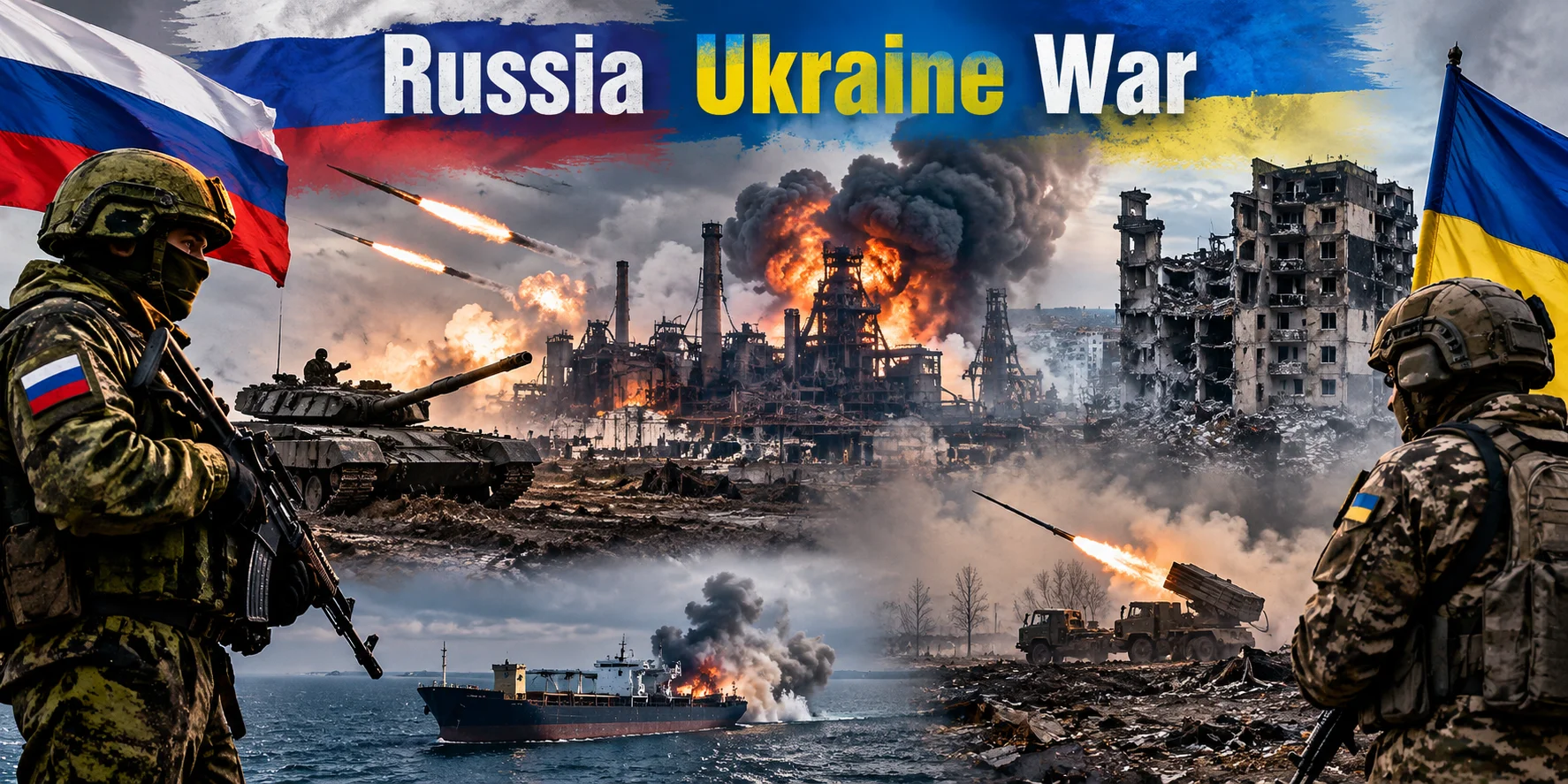
Russia Says Overnight Strikes Hit Ukraine’s Largest Steel Plant, Power Infrastructure and Cargo Ship
Russia said its forces struck Ukraine’s largest steel plant in Kryvyi Rih, power infrastructure and another steelworks overnight, along with a cargo vessel in the Black Sea allegedly carrying military supplies. Separately, a Ukrainian drone attack in Russia’s Belgorod region killed a woman and wounded a man, according to TASS.
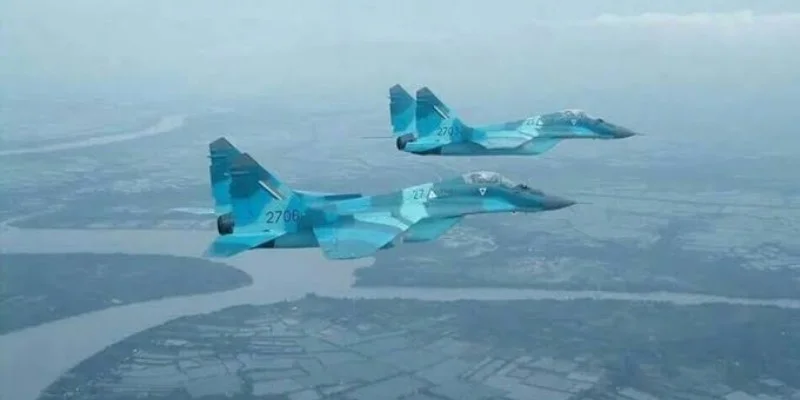
Myanmar Military Airstrike Kills 11 Civilians, Including Women and Children, in Rebel-Held Village
At least 11 people, including six women and two children, were killed in a Myanmar military airstrike in Yesagyo Township, southwest of Mandalay, according to a resistance fighter. The attack destroyed three houses as Myanmar’s civil war continues following the 2021 military coup.
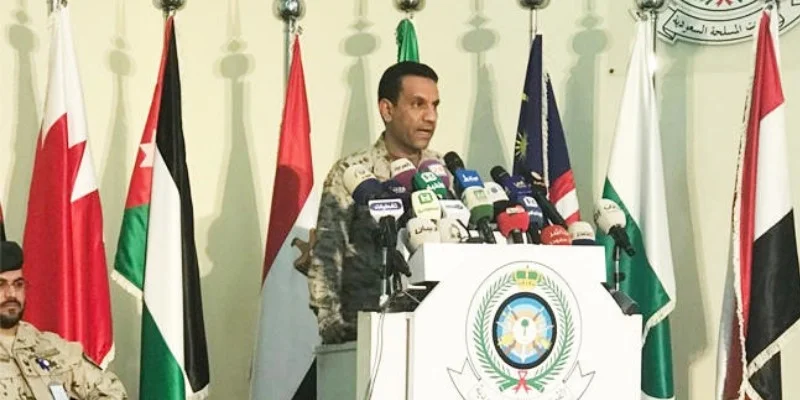
Saudi Arabia Intercepts Four Drones Over Riyadh and Other Regions as Egypt Offers to Defend Kingdom
Saudi Arabia said it intercepted and destroyed four drones over Riyadh, the Eastern Province and southern regions on Saturday amid continuing attacks attributed to Iran-backed Houthi rebels. Egyptian President Abdel Fattah al-Sisi said Cairo was ready to defend Saudi Arabia if requested, subject to parliamentary approval.
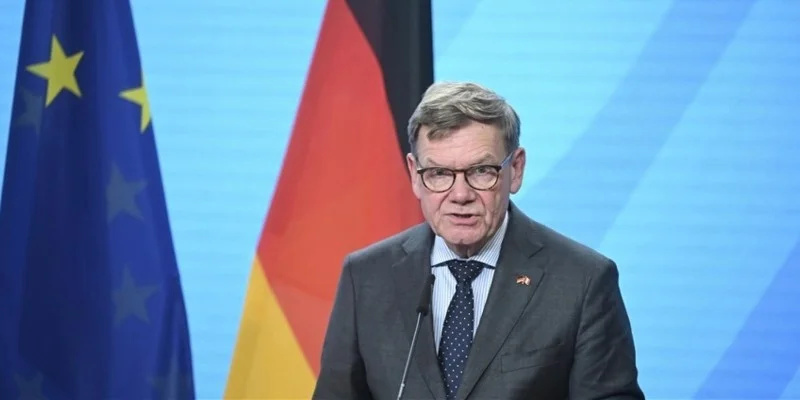
Germany Warns Europe Is in Iran’s Crosshairs, Vows to Counter Tehran’s Hostile Activities
German Foreign Minister Johann Wadephul warned that Europe is in Iran’s crosshairs following a court ruling that sentenced two men for plotting attacks against Jewish and pro-Israel figures on behalf of Iranian intelligence. He also warned of growing Russian threats and urged the European Union to maintain sanctions against Moscow.