
Trump Defends Iran War, Says Israel and Middle East Would Not Exist Without US Military Action, Warns of Further Strikes
· 109 views
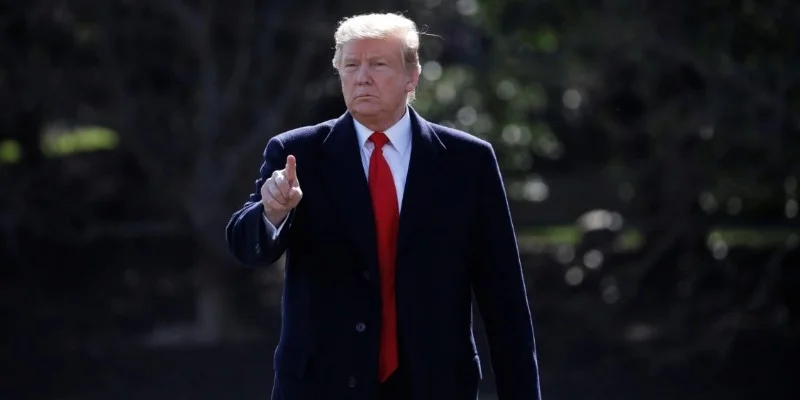
Washington, D.C. (Terror Monitor) — US President Donald Trump has once again defended his decision to launch military action against Iran, claiming that Israel and the entire Middle East would no longer exist if he had failed to prevent Tehran from acquiring nuclear weapons. He has also warned that further military operations against Iran could be significantly more destructive, saying that the United States has yet to begin hitting the country as hard as it intends to.
In a statement published on his social media platform Truth Social on Friday, Trump said his decision to confront Iran had prevented what he described as a threat to the existence of Israel and other countries across the Middle East.
“Israel and, in fact, the entire Middle East, WOULD NOT EXIST TODAY if I did not stop Iran from having a Nuclear Weapon,” Trump wrote.
“Nobody wants to say that, but everybody knows it’s true,” he added.
Trump's comments came amid growing political pressure on his administration following the Republican Party's losses in the US midterm elections, with the war against Iran and its economic consequences becoming major subjects of debate in American politics.
The president's latest remarks also followed comments by Vice President JD Vance, who acknowledged that the conflict had played a major role in the Republican Party's electoral setback.
Vance blames Iran war for Republican election losses
In a detailed social media post discussing the election results, Vance directly attributed the Republican Party's defeat to the war against Iran.
“The reason we lost is the war,” Vance wrote, adding that Trump had expressed a similar assessment.
“Everybody knows why we lost, and any honest conversation about where we go from here must start there,” he said.
Vance's remarks highlighted the political difficulties facing the Trump administration as the military confrontation with Iran continues to affect fuel prices and the wider American economy.
Trump subsequently said he agreed with several of his vice president's observations, although he maintained that launching military action against Iran had been the right decision.
He argued that the conflict had contributed to an increase in diesel and fuel prices, angering American voters over the rising cost of living.
However, Trump insisted that he would make the same decision again if given another opportunity.
The president maintained that preventing Iran from acquiring nuclear weapons was important enough to justify the economic and political consequences of the military campaign.
According to Reuters, Trump has acknowledged the domestic political impact of the conflict while continuing to defend his administration's decision to confront Tehran.
Trump warns Iranians to remain indoors
In a separate telephone interview with CNN anchor Jake Tapper, Trump reportedly advised people in Iran to remain inside their homes, warning that going outdoors was becoming increasingly dangerous.
Tapper said he had spoken directly with the US president, who warned that the security situation inside Iran was expected to deteriorate further.
According to Tapper, Trump said that people should avoid going outside because the situation was about to become even more dangerous as American military operations intensified.
The president also indicated that the most extensive phase of the US military campaign had yet to begin.
“We haven't even started hitting them hard. The big wave hasn't even happened. The big one is coming soon,” Trump told Tapper.
The comments suggested that Washington was considering further military action against Iran beyond the operations already conducted.
Trump's warning has raised further questions about the scale and potential targets of any additional American strikes, as well as the risks facing Iranian civilians amid the continuing confrontation.
Iran rejects accusations over nuclear weapons programme
Iranian officials have repeatedly rejected American and Israeli allegations that Tehran is seeking to develop nuclear weapons.
The Iranian government maintains that its nuclear programme is intended for peaceful purposes, including scientific research, energy production and other civilian applications.
Tehran has also argued that it has the right to pursue peaceful nuclear activities under international agreements.
Washington and Israel, however, have maintained that preventing Iran from developing nuclear weapons remains a central security objective.
Trump has repeatedly presented the military campaign as necessary to eliminate what his administration considers an existential threat posed by Iran's nuclear programme.
Political and regional consequences of the conflict
The war has had consequences beyond the immediate military confrontation, contributing to uncertainty in international energy markets and increasing concerns about regional security.
Higher fuel prices have also become a domestic political issue in the United States, where the economic impact of military operations has intensified criticism of the administration.
Vance's admission that the Iran war contributed to Republican electoral losses has further exposed the political challenges facing Trump's administration.
Despite these pressures, Trump has shown no indication that he regrets ordering military action against Iran. Instead, he continues to argue that the operation was necessary to protect Israel and prevent Tehran from acquiring nuclear weapons.
His latest warning that the most extensive phase of the military campaign has yet to take place has added to concerns about another escalation, with the possibility of further American strikes threatening to deepen an already serious regional crisis.
Related Articles
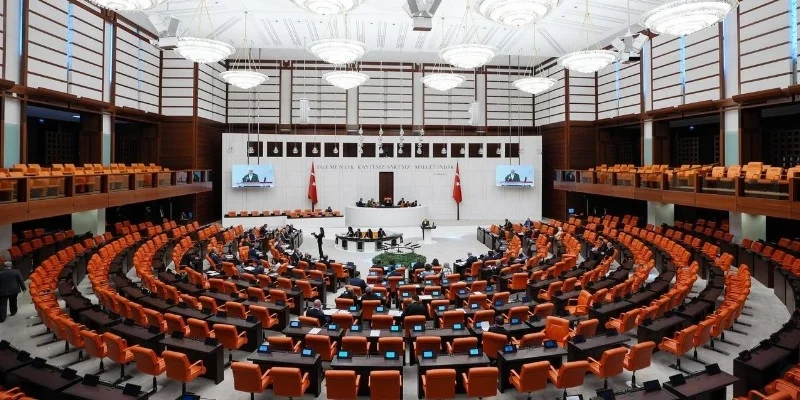
Turkish Parliament Ratifies Mecca Defence Pact with Pakistan and Saudi Arabia
Türkiye’s parliament has ratified the Mecca Joint Defence Agreement with Pakistan and Saudi Arabia by 279 votes to 119, formalising a trilateral pact under which an armed attack against one member would be treated as an attack against all three. The agreement provides for military coordination, intelligence sharing and mutual defence assistance, while any deployment of Turkish troops to Saudi Arabia would require separate parliamentary approval.
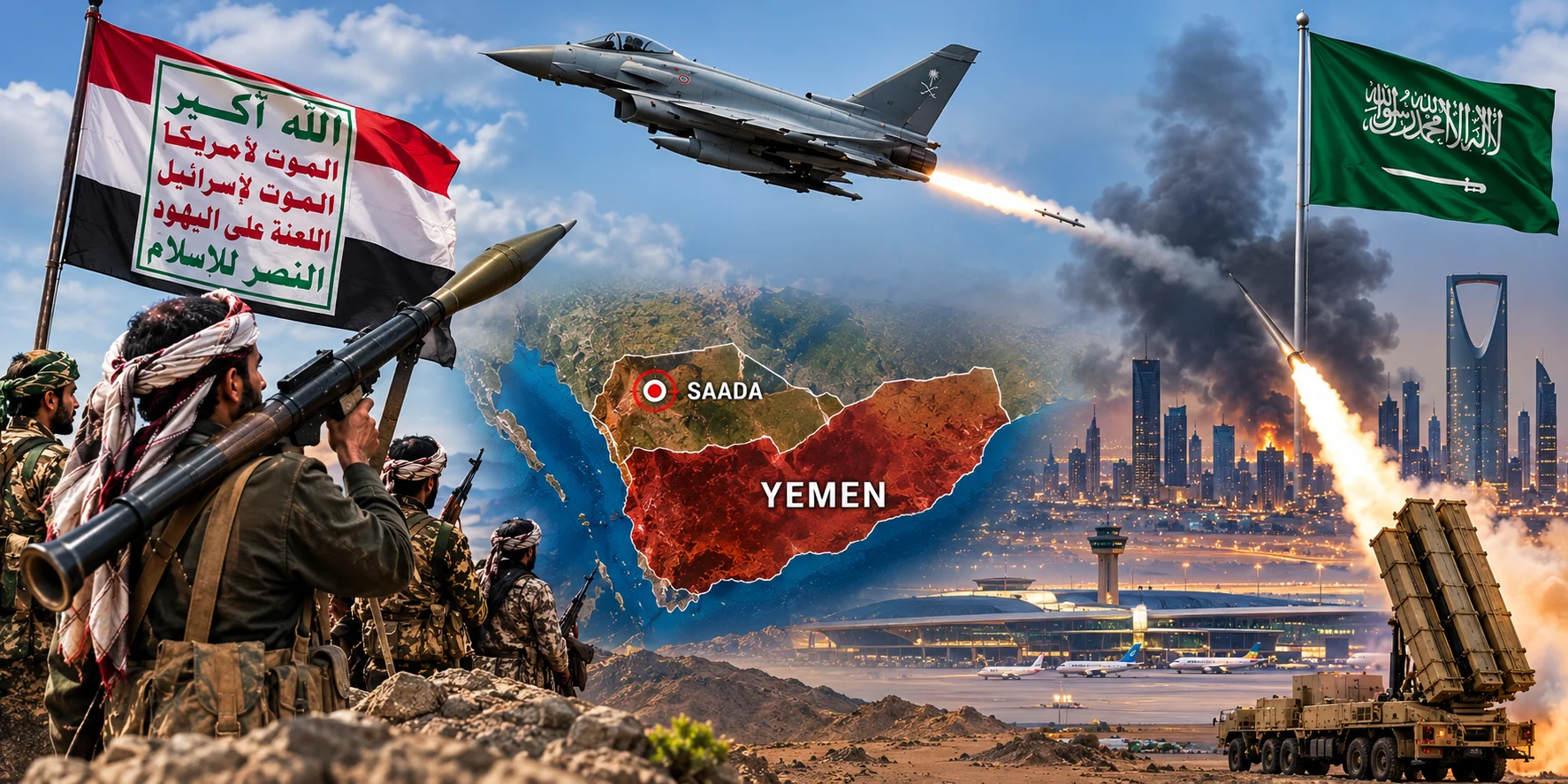
Houthis Claim Saudi Airstrikes Kill 30 at Busy Market in Yemen's Taiz Province
Iran-backed Houthi rebels claim Saudi-led coalition airstrikes killed at least 30 people and wounded eight others at a crowded market in Yemen's Taiz province. Yemeni government-aligned authorities have disputed the Houthis' account, while the Associated Press says it could not independently verify responsibility for the attack.
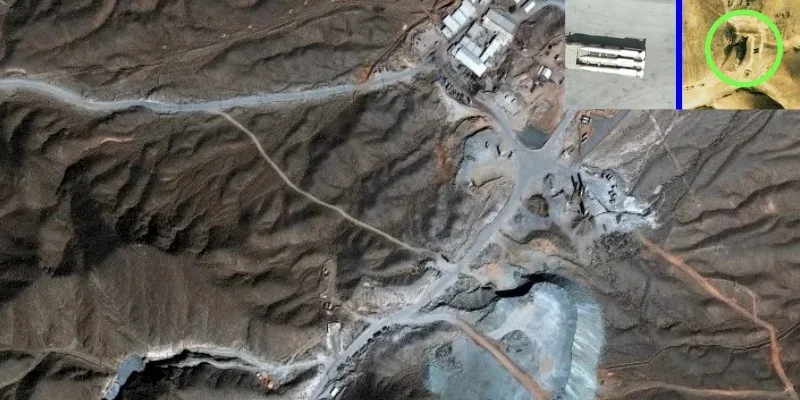
Iran Rebuilds Missile Bases and Moves Military Infrastructure Underground Amid Fears of Renewed US-Israeli Strikes
Satellite imagery shows Iran rebuilding damaged missile bases and expanding underground military facilities as Tehran prepares for possible renewed US-Israeli airstrikes. The reconstruction comes amid growing speculation about further American military action and political divisions in Washington over the war's consequences.
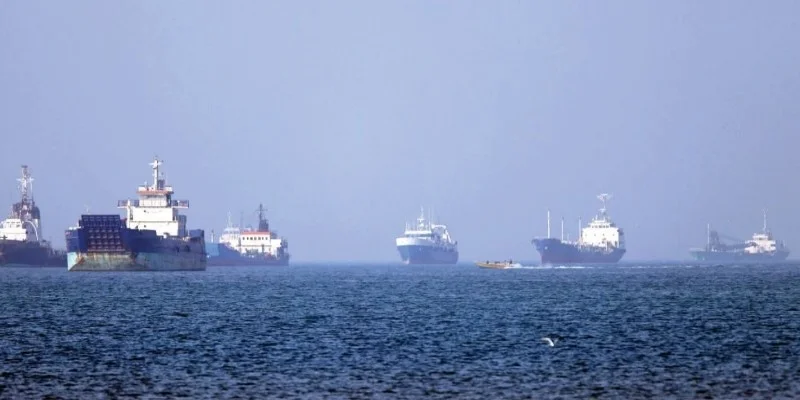
US Sanctions Indian Couple and Companies Over Alleged Support for Iran’s Shadow Tanker Fleet
The US has sanctioned an Indian couple and several companies for allegedly operating fraudulent maritime registries and helping Iran’s shadow tanker fleet transport oil while evading international sanctions.