
UK Moves Warplanes Into Hangars at Night Amid Fears of Russian and Iranian Drone Attacks
· 92 views
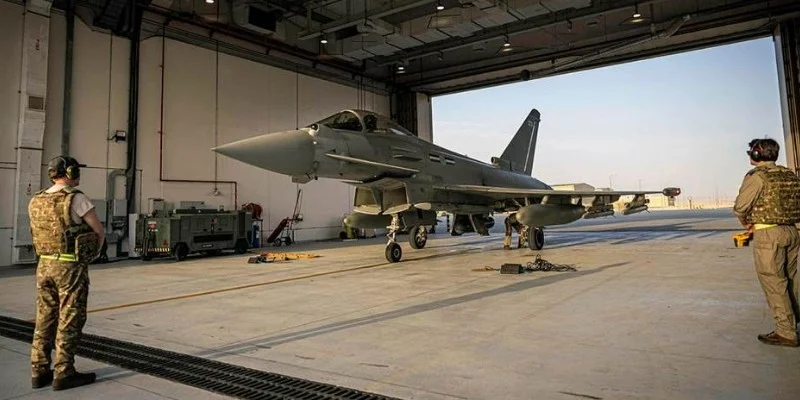
London (Terror Monitor) — Britain's Royal Air Force (RAF) has begun moving military aircraft into hangars and reinforced protective shelters overnight amid growing concerns about potential drone attacks on military airbases, while also considering the installation of anti-drone netting around aircraft that must remain parked in exposed areas.
According to British media reports, the measures are intended to reduce the vulnerability of military aircraft to unmanned aerial vehicle (UAV) attacks. Aircraft that cannot be moved into hangars or protected shelters and must remain on runways or at military installations without adequate security arrangements could be surrounded by specialised anti-drone nets.
The protective measures are similar to those already being used in Ukraine, where military authorities have installed extensive netting systems to protect military equipment, critical infrastructure, roads and other strategic facilities against Russian drone attacks.
The developments come amid heightened concerns about Russian sabotage activities targeting British defence-related facilities and companies supporting Ukraine.
Britain's domestic intelligence agency MI5 and the Ministry of Defence reportedly warned British companies supplying military equipment to Ukraine on Tuesday that they faced an increased risk of Russian sabotage.
The warning reflects growing concerns that Moscow could target defence contractors and companies involved in supporting Ukraine's military operations as part of a wider campaign of covert activities and disruption.
Meanwhile, Iran has also been suspected of planning a potential drone attack against RAF Fairford, a military airbase in Gloucestershire that has been used by the United States for strategic bomber operations.
According to reports, the Pentagon relocated American bomber aircraft from the base following intelligence indicating a possible Iranian threat. In a separate development, American military aircraft were also moved from another British airbase after reports of an additional potential threat linked to Iran.
Reuters reported on October 6, citing two US officials, that intelligence had indicated a suspected complex drone attack targeting RAF Fairford. The officials linked the alleged threat to Iran's Islamic Revolutionary Guard Corps (IRGC).
The reported security concerns prompted the relocation of US B-1 bombers from RAF Fairford to bases in the United States.
Iran has denied involvement in the alleged operation.
In another development, the United States relocated several aircraft from RAF Mildenhall in November following reports of a further potential Iran-related threat. According to British media reports, aerial refuelling tankers were transferred to military bases in Germany, Spain and Scotland, while other aircraft were moved to RAF Lakenheath.
The reported movements underline increasing concerns about the security of American military assets stationed in Britain.
Against this backdrop, Britain's Chief of the Air Staff, Air Chief Marshal Sir Harv Smyth, has emphasised the importance of preparing the RAF to operate from multiple locations across the country during a potential conflict.
Smyth said Britain must be prepared for a future war in which no location on its territory could be considered completely safe.
He stressed that the RAF needed to develop the capability to move aircraft between different locations while maintaining military operations from British soil.
The air force chief pointed to the recent reconstruction of the runway at RAF Brize Norton, the RAF's principal air transport hub, as an example of the service's ability to maintain operations despite the temporary closure of a major military installation.
During the runway construction work this summer, aircraft were dispersed to several alternative locations, including Prestwick in Scotland and MOD Boscombe Down in Wiltshire.
Smyth said the exercise demonstrated that aircraft could be distributed across different parts of the United Kingdom rather than concentrated at one or a few military airbases, while operational activities continued without interruption.
He added that the RAF would need to conduct further exercises to prepare for situations in which aircraft might have to operate from alternative locations during a conflict.
The strategy is particularly significant as the increasing use of drones in modern warfare has exposed the vulnerability of military aircraft and infrastructure, even at locations far from active battlefields.
The war in Ukraine has demonstrated how relatively inexpensive drones can threaten expensive military equipment, airfields, fuel facilities and other strategically important installations.
However, Britain's ability to disperse its aircraft could be constrained by the declining number of available military airbases following years of defence spending cuts.
The reduction in military infrastructure has limited the number of suitable locations available for relocating aircraft during emergencies or potential attacks.
The latest developments highlight a growing shift in Britain's military planning, with greater emphasis on aircraft dispersal, reinforced shelters, anti-drone protection and the ability to sustain air operations from multiple locations.
They also reflect wider concerns among Western military planners that future conflicts could involve attacks on military installations and critical infrastructure deep inside national territory, rather than being confined to conventional battlefields.
Related Articles
US Approves $621.9 Million F-16 Support Package for Ukraine, Funded by Four European Allies
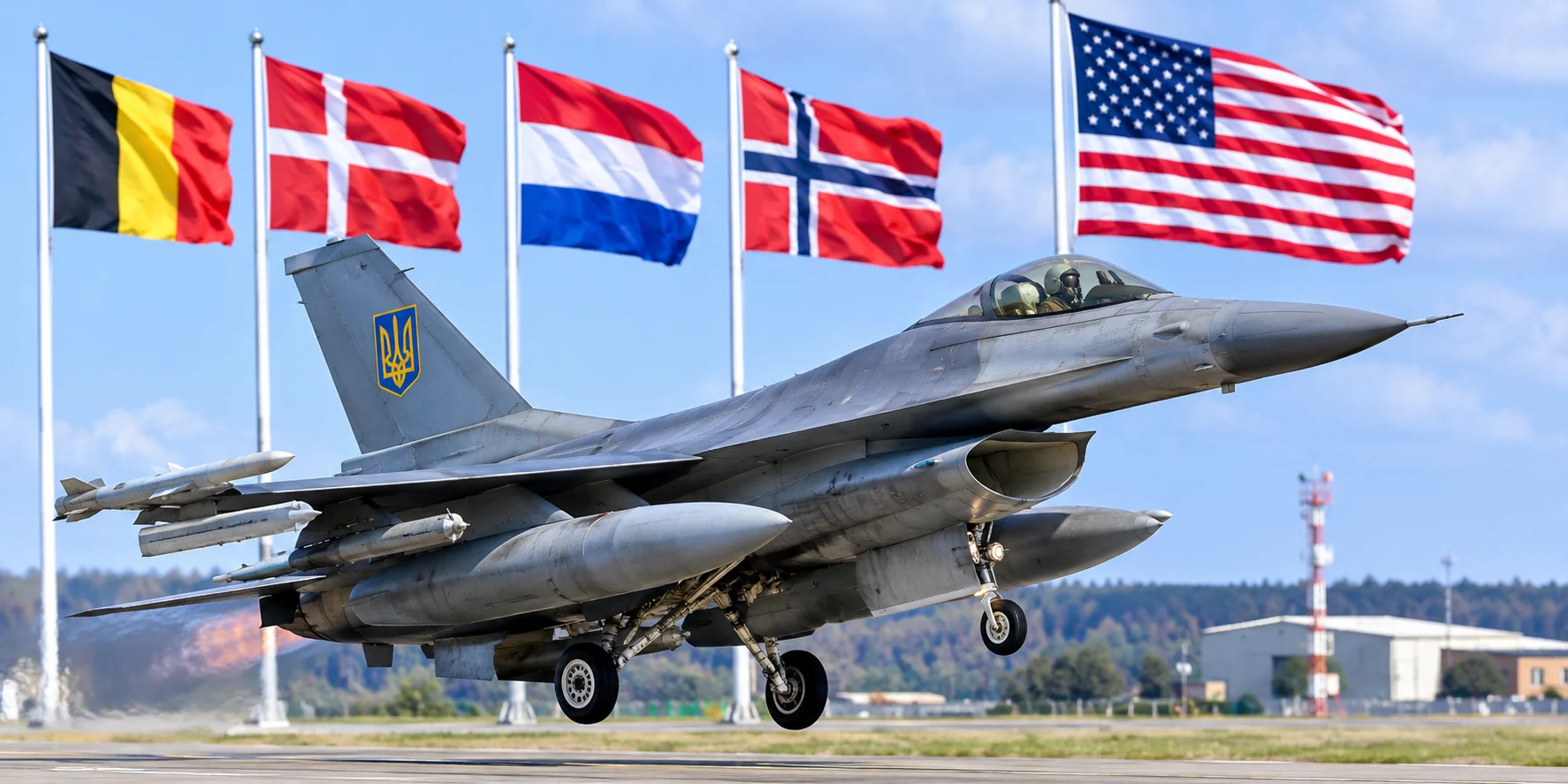
The United States has approved a potential $621.9 million support package for Ukraine’s F-16 fighter jets, covering maintenance, spare parts, technical assistance and logistics. Belgium, Denmark, the Netherlands and Norway will finance the entire package, with no US government funds involved.
Two Italian Rheinmetall Experts Killed in Iranian Drone Attack in Kuwait, Pakistani National Injured
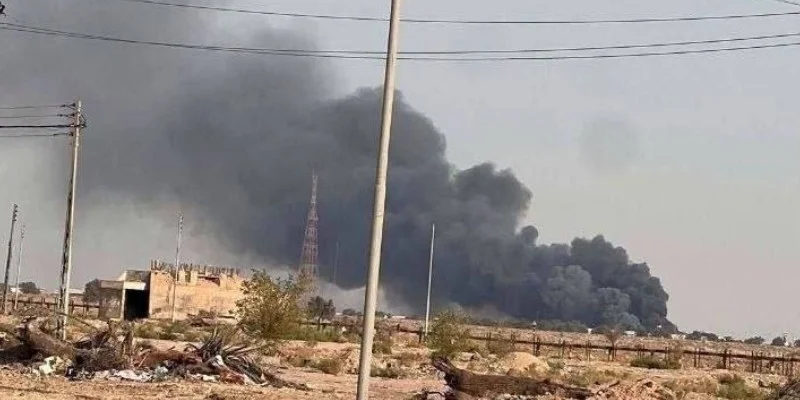
Two Italian Rheinmetall Experts Killed in Iranian Drone Attack in Kuwait, Pakistani National Injured KUWAIT CITY (Terror Monitor) — Two Italian nationals working for German defence manufacturer Rheinmetall were killed in an Iranian drone attack on a military installation in Kuwait on Thursday, while a Pakistani national and a Kuwaiti citizen were injured, according to Kuwaiti and Italian officials. Kuwait's Ministry of Defence said in a statement posted on the social media platform X that its

Trump, NATO Chief Discuss Ukraine and Iran Wars at Mar-a-Lago
US President Donald Trump and NATO Secretary General Mark Rutte discussed the wars in Ukraine and Iran, European defence spending and Ukraine's future security guarantees during a closed-door meeting at Trump's Mar-a-Lago residence in Florida.
Houthi Attack on Saudi Arabia’s Jazan Oil Refinery Kills Nepalese Worker, Injures Several Others
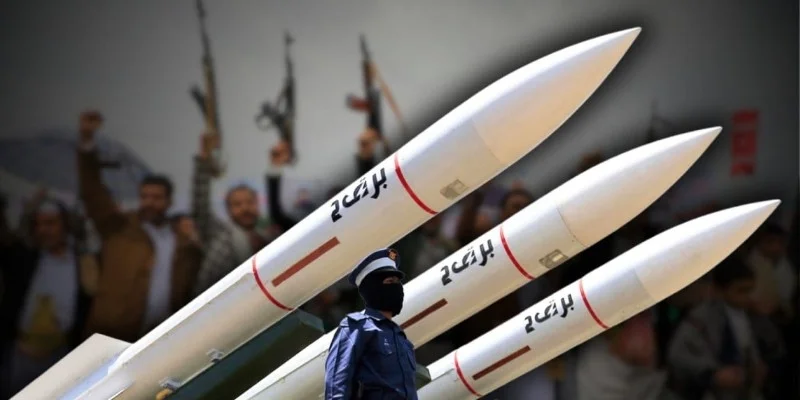
An Iranian-backed Houthi attack on Saudi Arabia’s Jazan oil refinery killed a Nepalese worker and injured several others, triggering a fire and temporarily disrupting operations. The Saudi-led coalition has threatened a decisive military response and said it destroyed a Houthi missile-launch platform in Yemen.