
US Has Lost or Damaged 81 Military Aircraft in Iran War, With Costs Reaching $3.3 Billion
· 1 views
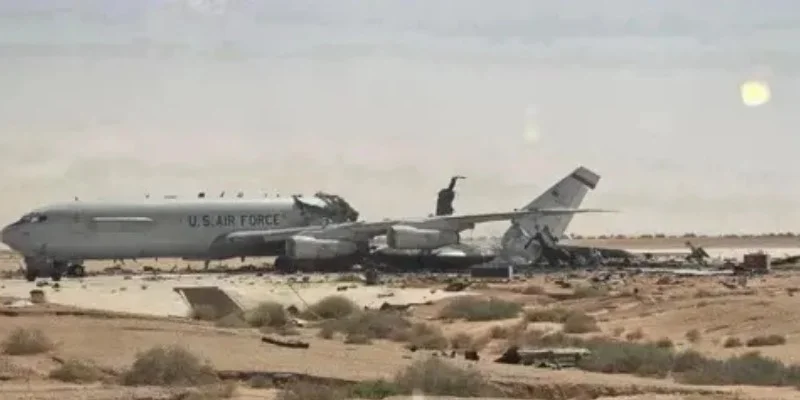
Washington, D.C. (Terror Monitor) — The United States has lost or suffered damage to at least 81 military aircraft and drones during its war against Iran, with estimated equipment replacement costs ranging from $1.9 billion to $3.3 billion, according to congressional reports, highlighting the growing military and financial toll of Operation Epic Fury.
The findings were detailed in an updated Congressional Research Service (CRS) report released in October, drawing on military statements, congressional testimony, news reports and information from the US Department of Defense. The Congressional Budget Office (CBO) separately estimated the cost of replacing the damaged and destroyed equipment as of August 1, depending on the Pentagon’s plans for repairs and replacements.
The conflict began on February 28, when the United States and Israel launched military operations against Iran. It has since developed into a prolonged regional confrontation, involving missile and drone attacks, strikes against military installations and disruptions to vital energy and shipping routes.
The reported aircraft losses include advanced fighter jets, aerial refuelling tankers, surveillance platforms, helicopters and unmanned aerial vehicles. The CRS cautioned that the total could change as further information becomes available and noted that some damaged aircraft may have returned to active service.
F-15 fighters, an F-35 and dozens of Reaper drones affected
Among the aircraft identified in the reporting are 12 F-15E Strike Eagle fighter jets, one F-35A Lightning II stealth fighter, seven KC-135 aerial refuelling tankers and 45 MQ-9 Reaper drones.
The MQ-9 Reaper losses account for more than half of the reported aircraft total, underlining the scale of the drone attrition during the conflict.
The F-15E is a multirole combat aircraft designed for air-to-air and air-to-ground missions, while the F-35A is a fifth-generation stealth fighter equipped with advanced sensors and electronic warfare capabilities. The KC-135 plays a critical role in extending the range and endurance of combat aircraft by refuelling them in flight.
The MQ-9 Reaper is a remotely piloted aircraft used for surveillance, intelligence gathering and precision strikes. Although significantly less expensive than many crewed combat aircraft, Reapers provide persistent monitoring and operational capabilities that can be difficult to replace quickly.
The losses have raised questions about the ability of relatively inexpensive drones and precision weapons to threaten sophisticated military platforms and force major military powers to divert resources to protecting their bases and aircraft.
The CRS report draws on publicly available information, official statements and media reporting rather than a comprehensive Pentagon assessment of every aircraft incident. Consequently, the figures should not be interpreted as a confirmed count of aircraft permanently destroyed. The total includes damaged aircraft, and the circumstances of individual incidents vary.
Analysts warn of the growing threat from low-cost drones
Harlan Ullman, a former US naval officer and defence analyst, said the conflict illustrates how comparatively inexpensive weapons can inflict damage on technologically advanced militaries.
Ullman argued that modern warfare increasingly allows countries with smaller military budgets to impose significant costs on stronger opponents by exploiting vulnerabilities in airfields, military installations and other critical infrastructure.
He pointed to the threat posed by drone attacks and the need for the United States to relocate high-value aircraft when bases or operating locations become vulnerable.
The experience of the Russia-Ukraine war has reinforced similar concerns. Ukraine’s use of relatively small drones to strike Russian military assets demonstrated how unmanned systems can damage expensive equipment without requiring an opponent to possess a conventional air force of comparable strength.
The Iran conflict has further highlighted the difficulty of defending extensive military infrastructure across the Middle East against missiles and drones, particularly when attackers can employ comparatively inexpensive weapons against costly aircraft and air-defence systems.
For Washington, the challenge is not limited to replacing lost aircraft. It also involves protecting deployed forces, maintaining operational readiness and ensuring that the military retains sufficient equipment for other potential contingencies.
Iran war costs reach $38 billion, CBO estimates
The aircraft losses form part of a much larger financial burden. In a separate report released in September, the CBO estimated that US military operations against Iran had cost the Department of Defense approximately $38 billion as of August 1.
The estimate includes the replacement of expended munitions and equipment lost in combat, increased flying hours, operational expenses and higher fuel costs. It does not cover every economic consequence of the conflict or all costs incurred elsewhere in the federal government.
The CBO estimated that continued fighting could cost an additional $2 billion per month if hostilities remained relatively limited, rising to approximately $3 billion monthly if combat intensity increased. The agency warned that costs could climb further if the conflict escalated.
The growing expenditure has also intensified concerns about depleted American weapons stockpiles. The CBO said replacing expended munitions accounts for a substantial share of the war’s direct costs, raising questions about how quickly the US military can replenish its inventories while meeting other national security commitments.
The Pentagon has sought additional funding to cover the conflict and replenish weapons supplies. However, lawmakers remain divided over the administration’s spending priorities and the level of information being provided about military operations.
$1.5 trillion defence budget faces scrutiny
The escalating costs have placed additional political pressure on President Donald Trump’s administration, which has proposed a record $1.5 trillion defence budget for fiscal year 2027.
The administration has argued that increased military spending is necessary to strengthen American deterrence, replenish weapons inventories and support national security requirements. The proposal would represent a substantial increase over previous defence spending levels.
However, the request has faced resistance in Congress, including concerns among some Republicans about the scale of the proposed budget, Pentagon leadership and the financial consequences of the war with Iran.
On September 17 and 18, Democratic senators called on Defence Secretary Pete Hegseth to provide a comprehensive accounting of the conflict’s costs.
Senator Elissa Slotkin said she had led 45 colleagues in demanding greater transparency about military expenditure, casualties and the administration’s requests for additional funding. The senators argued that Congress and the public needed a clearer picture of the financial and human consequences of the war.
The dispute reflects broader concerns about whether lawmakers have received sufficient information to assess the operation’s objectives, costs and long-term implications.
Pentagon declines further comment on aircraft losses
The Pentagon has not published a comprehensive public assessment covering every aircraft lost or damaged during Operation Epic Fury.
According to Stars and Stripes, the Pentagon referred questions about the updated aircraft-loss report to US Central Command, which declined to provide further details.
The lack of a comprehensive official accounting has left congressional researchers relying partly on public reports and individual military announcements to establish the scale of the losses.
The aircraft figures may therefore be revised as additional information becomes available, including details about damage assessments, repairs and the circumstances of individual incidents.
The findings nevertheless illustrate the substantial demands that the conflict has placed on US military resources. Beyond the immediate financial cost, Washington must consider the time required to replace sophisticated aircraft, replenish precision munitions and restore operational capacity.
As the war continues, the financial burden and the vulnerability of high-value military assets are likely to remain central issues in congressional debates over defence spending, military readiness and the future direction of US policy toward Iran.
Related Articles

US President Trump Rules Out Attack on Iran Before Midterm Elections as Tehran Talks Continue
U.S. President Donald Trump has ruled out an attack on Iran before the November 3 midterm elections, saying Washington and Tehran are engaged in “constructive negotiations” while the U.S. blockade remains in place. Meanwhile, rising tensions around the Strait of Hormuz have pushed Brent crude above $104 a barrel, as Russian President Vladimir Putin pledges to help end the war.

Pakistan Says Troops in Saudi Arabia Will Remain on Defensive Mission Amid Houthi Attacks
Pakistan says its troops in Saudi Arabia will perform defensive duties and will not enter Yemen to attack Iran-backed Houthis, amid rising regional tensions and questions over additional deployments under a trilateral defence pact with Saudi Arabia and Türkiye.

Three Killed in Houthi Attack on Riyadh Airport, Including Saudi Pilot
Three Saudi nationals, including Saudia Airlines pilot Captain Hamoud bin Ali Al-Kalthami, were killed in attacks on Riyadh’s King Khalid International Airport and an aircraft belonging to the national carrier. Several people of different nationalities were injured. Yemen’s Iran-backed Houthi rebels claimed responsibility for a ballistic missile attack on the airport, while the Saudi-led coalition said it had destroyed three Houthi rocket-launching platforms.
Nine Syrian Sailors Missing After Drone Strike Sinks Cargo Ship Off Bulgaria
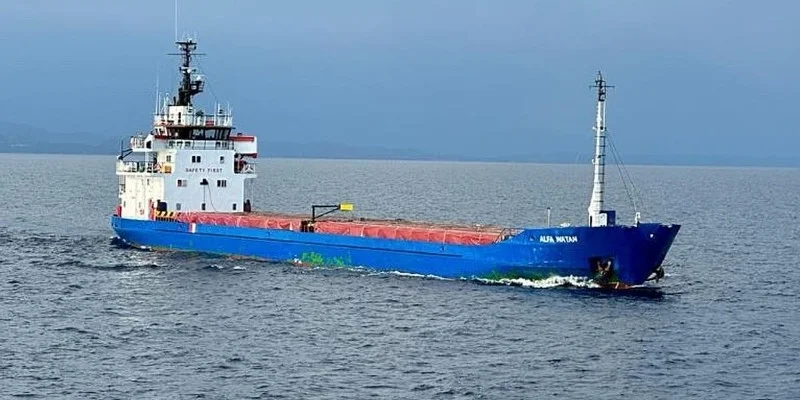
Nine Syrian sailors and one Egyptian crew member remain missing after the Togo-flagged cargo ship Alfa Watan sank following a drone attack in Bulgaria’s exclusive economic zone in the Black Sea. Bulgarian authorities found no survivors and suspended the search, prompting Syria to demand an independent investigation into the incident and the decision to halt rescue operations.