
US President Trump Rules Out Attack on Iran Before Midterm Elections as Tehran Talks Continue
· 1 views
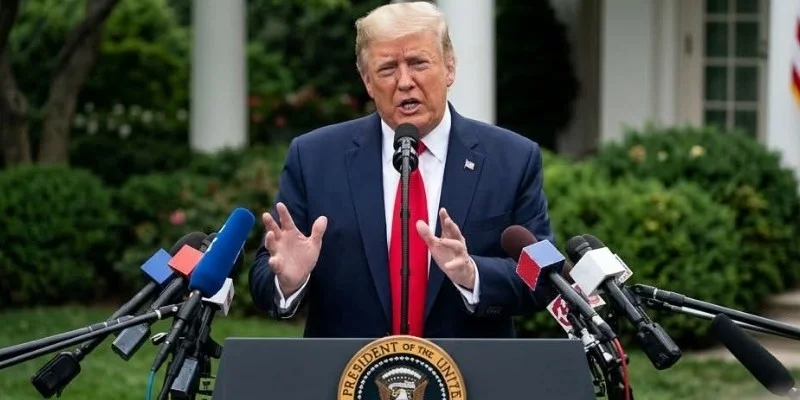
Washington, D.C. (Terror Monitor) — U.S. President Donald Trump has said the United States will not attack Iran before the November 3 midterm elections, while emphasizing that the American blockade against Tehran will remain in place and negotiations between the two countries are continuing.
In a statement posted Thursday on his social media platform, Truth Social, Trump said Washington and Tehran were engaged in “constructive negotiations.” He described Iran as weakened economically and militarily but indicated that the United States would refrain from launching another attack before the midterm vote.
Trump’s remarks came amid media reports about possible U.S. military action against Iran, which contributed to a rise in global oil prices as energy markets weighed the risk of renewed escalation in the Middle East.
The statement appeared to signal an effort to reassure markets and voters that the administration would avoid a new military confrontation in the run-up to the elections, even as pressure on Tehran continues through the blockade and diplomatic negotiations.
Reports of Military Planning
The U.S. magazine The Atlantic reported that the White House had asked the Pentagon to prepare options for possible military action against Iran that could be used before the midterm elections.
The New York Times reported that planning related to the oil market was continuing, despite uncertainty surrounding Trump’s position on Iran.
The reports highlighted the competing pressures facing the administration: maintaining pressure on Tehran, preventing Iran from acquiring nuclear weapons, avoiding a wider regional conflict and limiting the economic consequences of higher energy prices for American consumers.
Trump has also sought to clarify controversial remarks about the potential economic costs of confronting Iran. He said his comments had been misrepresented and argued that a temporary increase in gasoline prices would be an acceptable price to pay if it prevented Iran from obtaining nuclear weapons.
According to Trump, the cost of allowing a potential Iranian attack could be considerably higher than the short-term economic burden of more expensive fuel.
Strait of Hormuz Tensions Support Oil Prices
Tensions surrounding the Strait of Hormuz, one of the world's most important routes for international oil shipments, have added to uncertainty in global energy markets. Continued friction involving Iran-backed Houthi forces in Yemen and Saudi Arabia has also contributed to concerns about regional security and the stability of oil supplies.
Brent crude, the international benchmark, climbed to $105.88 a barrel on Thursday before retreating slightly to $104.28.
Higher fuel prices have become a politically sensitive issue in the United States. Opinion polls indicate that voters are increasingly concerned about rising gasoline costs, which have increased significantly amid the conflict that began with U.S. and Israeli attacks on Iran on February 28.
With the midterm elections approaching, sustained increases in energy prices could create additional political difficulties for the administration and Republican candidates seeking to retain congressional control.
Putin Pledges Efforts to End the War
Meanwhile, Russian President Vladimir Putin has pledged to make every possible effort to help end the war in the Middle East during a meeting with Iranian President Masoud Pezeshkian.
According to Russian news agencies, Putin made the remarks in the Caspian Sea coastal city of Avaza in Turkmenistan ahead of a summit of the Commonwealth of Independent States (CIS).
Putin said Russia was prepared to use all its capabilities to help resolve the crisis and reduce regional tensions. He also said Iran had made genuine efforts to bring the war to an end.
His comments underscored Moscow's stated willingness to play a role in efforts to de-escalate the conflict, although the prospects for a diplomatic settlement remain uncertain.
Pezeshkian, for his part, said Tehran was willing to negotiate but expressed deep mistrust of Washington's approach. He argued that every time Iran engaged in talks with the United States, new military action followed.
The Iranian president said his country wanted a definitive framework for ending the war rather than a temporary arrangement that could be undermined by renewed hostilities.
Pezeshkian also accused Washington of attempting to impose its policies on other countries. He warned that a lasting resolution would be difficult to achieve if the United States continued to pursue what he described as a unilateral approach.
Midterm Elections Raise Political Stakes for Trump
The November 3 midterm elections are expected to shape the political direction of the final two years of Trump's presidency.
Although Trump is not personally running for office in the elections, he has been campaigning to strengthen the Republican Party's position in Congress. He has warned that Democrats could seek to impeach him for a third time if they regain control of the House of Representatives.
The White House is also preparing for the possibility of investigations should Democrats win control of the chamber, adding to the political stakes surrounding the vote.
The elections will take place against a backdrop of economic uncertainty, rising fuel costs and an ongoing conflict with Iran. For Republicans, the administration's handling of the war and its impact on household expenses could become important issues for voters.
Trump's latest statement appears to draw a distinction between maintaining economic and strategic pressure on Tehran and launching another military attack before voters go to the polls. By ruling out an attack before the elections while keeping the blockade in place, he has signaled that Washington intends to continue pressuring Iran without committing to immediate military escalation.
However, the continuation of negotiations alongside reports of Pentagon contingency planning leaves questions about the longer-term course of U.S. policy unresolved. The positions expressed by Putin and Pezeshkian also suggest that any durable settlement will depend on whether diplomatic efforts can overcome Tehran's mistrust of Washington and prevent another round of military action.
For now, Trump's pledge not to attack Iran before the midterms offers a degree of clarity about his stated intentions in the immediate run-up to the vote, while the blockade, regional tensions and uncertainty over negotiations continue to weigh on the outlook for the conflict and global oil markets.
Related Articles
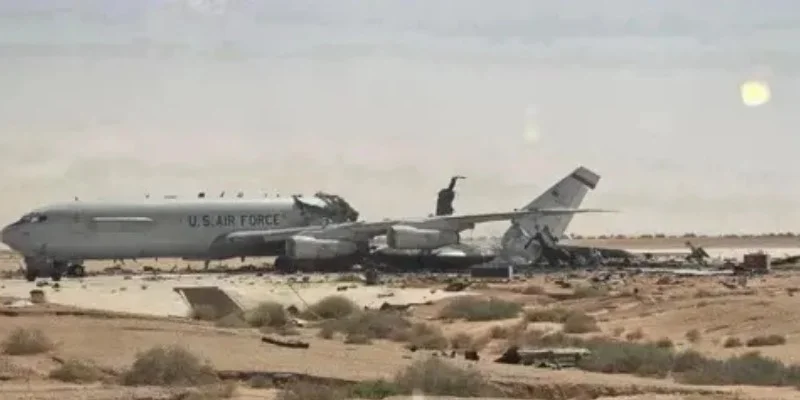
US Has Lost or Damaged 81 Military Aircraft in Iran War, With Costs Reaching $3.3 Billion
A new congressional report says at least 81 US military aircraft and drones were destroyed or damaged during Operation Epic Fury against Iran, with estimated replacement costs of $1.9 billion to $3.3 billion. Separately, the Congressional Budget Office estimated the war had cost approximately $38 billion by August 1, with monthly expenses potentially reaching $2 billion to $3 billion.
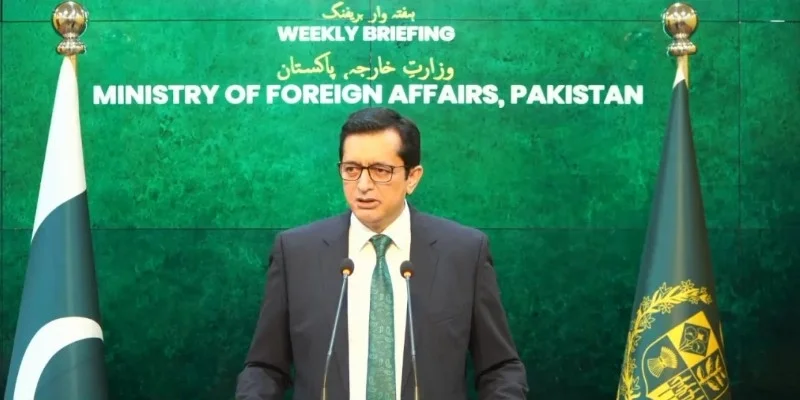
Pakistan Says Troops in Saudi Arabia Will Remain on Defensive Mission Amid Houthi Attacks
Pakistan says its troops in Saudi Arabia will perform defensive duties and will not enter Yemen to attack Iran-backed Houthis, amid rising regional tensions and questions over additional deployments under a trilateral defence pact with Saudi Arabia and Türkiye.

Three Killed in Houthi Attack on Riyadh Airport, Including Saudi Pilot
Three Saudi nationals, including Saudia Airlines pilot Captain Hamoud bin Ali Al-Kalthami, were killed in attacks on Riyadh’s King Khalid International Airport and an aircraft belonging to the national carrier. Several people of different nationalities were injured. Yemen’s Iran-backed Houthi rebels claimed responsibility for a ballistic missile attack on the airport, while the Saudi-led coalition said it had destroyed three Houthi rocket-launching platforms.
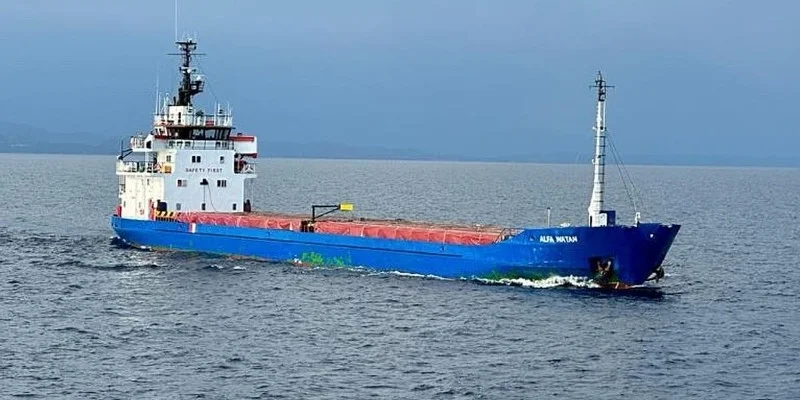
Nine Syrian Sailors Missing After Drone Strike Sinks Cargo Ship Off Bulgaria
Nine Syrian sailors and one Egyptian crew member remain missing after the Togo-flagged cargo ship Alfa Watan sank following a drone attack in Bulgaria’s exclusive economic zone in the Black Sea. Bulgarian authorities found no survivors and suspended the search, prompting Syria to demand an independent investigation into the incident and the decision to halt rescue operations.