
U.S. Strikes Iranian Launchers on Larak Island, Tehran Vows Retaliation
· 482 views
Tehran (Terror Monitor) — U.S. forces have struck two Iranian launchers on Larak Island, according to Reuters, in what is being described as the first direct U.S. attack on Iran since late July.
The strike came as direct military confrontations between the United States and Iran had eased in recent weeks, with the nearly six-month-old conflict appearing to have entered a period of relative stalemate.
A U.S. official said the strike was carried out after Islamic Revolutionary Guard Corps (IRGC) personnel were preparing the launchers to fire rockets carrying naval mines toward the Strait of Hormuz.
U.S. President Donald Trump said last week that all mines in the international waters of the Strait of Hormuz had either been neutralized or seized. He warned that any vessel attempting to lay new mines would be destroyed.
Explosions Reported Near Larak Island
Iran’s semi-official Fars News Agency, citing local residents, reported that an explosion was heard near Larak Island.
U.S. news website Axios and Al Jazeera, citing American officials, reported that U.S. forces had targeted two Iranian launchers on the island.
Iran’s Tasnim News Agency initially reported, citing unconfirmed information, that two people had been killed and two others injured in the attack.
The IRGC’s public relations department later confirmed that Larak Island had been attacked, saying that several IRGC personnel and local residents were reportedly killed or wounded.
The IRGC blamed the United States and Israel for the attack.
Iranian authorities have not yet provided a final casualty figure or detailed information about the exact location and circumstances of the strike. U.S. Central Command (CENTCOM) has also not issued an official statement confirming the attack.
Strait of Hormuz at the Center of Tensions
Larak Island is located near the Strait of Hormuz, one of the world’s most important energy transit routes. Around one-fifth of global oil and gas consumption passes through the strategic waterway.
Control of the strait and its accessibility to international shipping have become major points of contention between Washington and Tehran during the ongoing conflict.
The United States maintains that the Strait of Hormuz remains open to international maritime traffic. The IRGC, however, has said commercial vessels should not pass through the waterway without coordination and communication with Iran.
Reports indicate that energy shipments through the strait have been severely disrupted since the conflict began in late February, contributing to concerns in global energy markets.
IRGC Threatens U.S. With ‘Heavy Price’
Following the strike, the IRGC threatened retaliation against the United States.
Hossein Mohebbi, head of the IRGC’s public relations department, said the United States would face consequences on both the economic and military fronts.
He described the attack as a “fatal strategic mistake” by the Trump administration during what he called Washington’s “so-called economic war” against Iran.
In a statement posted on X, Mohebbi said the attack would alter the balance of power against those who planned it and warned that the United States would pay a “heavy price.”
The IRGC later said that the “terrorist enemy’s aggression” against Larak Island would be met with punishment for the attacker.
Iranian Parliament Committee Also Vows Response
Ebrahim Azizi, chairman of Iran’s Parliament’s National Security and Foreign Policy Committee, also said the attack would receive a response.
In a post on X, Azizi said attempts by the United States and Israel to “test Iran’s will” would result in an even heavier price for them.
He warned that Iran would deliver what he described as a “devastating, painful and instructive” response.
Iran Accuses U.S. of Psychological Warfare
Hours before the reported strike, the IRGC’s intelligence wing said the “enemy” was attempting to use psychological warfare to weaken national stability and public resilience after what it called “200 days of resistance by the Iranian people.”
The statement accused Iran’s adversaries of seeking to undermine public confidence and create internal instability, while insisting that Iranians would continue their resistance.
The reported attack comes as direct military confrontations between Washington and Tehran have declined in recent weeks. However, disagreements over the Strait of Hormuz, Iranian oil exports and U.S. military activity in the region remain unresolved.
With the U.S. military yet to officially confirm the strike, the full circumstances and consequences of the operation remain unclear.
Related Articles
Russia Says Overnight Strikes Hit Ukraine’s Largest Steel Plant, Power Infrastructure and Cargo Ship
Russia said its forces struck Ukraine’s largest steel plant in Kryvyi Rih, power infrastructure and another steelworks overnight, along with a cargo vessel in the Black Sea allegedly carrying military supplies. Separately, a Ukrainian drone attack in Russia’s Belgorod region killed a woman and wounded a man, according to TASS.
Myanmar Military Airstrike Kills 11 Civilians, Including Women and Children, in Rebel-Held Village
At least 11 people, including six women and two children, were killed in a Myanmar military airstrike in Yesagyo Township, southwest of Mandalay, according to a resistance fighter. The attack destroyed three houses as Myanmar’s civil war continues following the 2021 military coup.
Saudi Arabia Intercepts Four Drones Over Riyadh and Other Regions as Egypt Offers to Defend Kingdom
Saudi Arabia said it intercepted and destroyed four drones over Riyadh, the Eastern Province and southern regions on Saturday amid continuing attacks attributed to Iran-backed Houthi rebels. Egyptian President Abdel Fattah al-Sisi said Cairo was ready to defend Saudi Arabia if requested, subject to parliamentary approval.
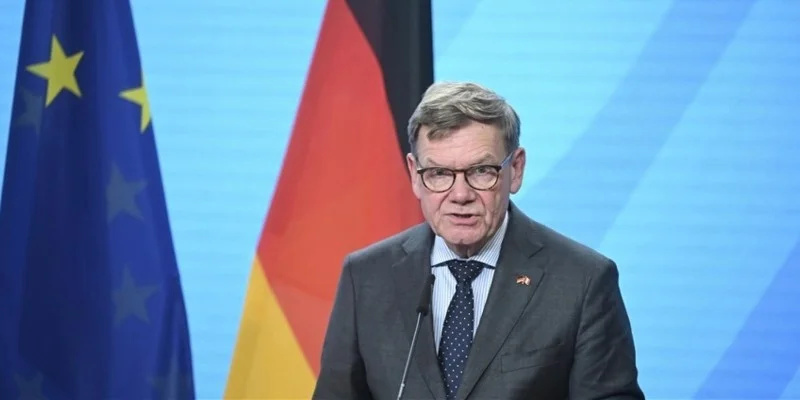
Germany Warns Europe Is in Iran’s Crosshairs, Vows to Counter Tehran’s Hostile Activities
German Foreign Minister Johann Wadephul warned that Europe is in Iran’s crosshairs following a court ruling that sentenced two men for plotting attacks against Jewish and pro-Israel figures on behalf of Iranian intelligence. He also warned of growing Russian threats and urged the European Union to maintain sanctions against Moscow.