
Yemen’s Iran-Backed Houthis Claim Attacks on Saudi Arabia’s Largest Oil Refinery and Riyadh Financial District
· 101 views
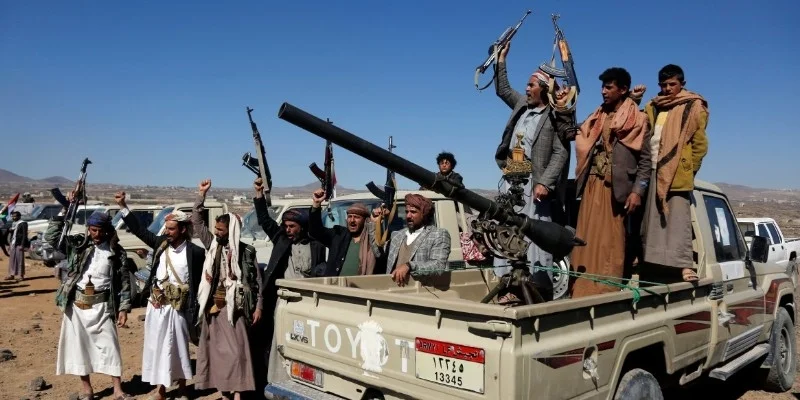
Riyadh (Terror Monitor) — Yemen’s Iran-backed Houthi rebels have claimed responsibility for attacks targeting Saudi Arabia’s Ras Tanura oil refinery, the kingdom’s largest refining facility, and the financial district in the capital, Riyadh, as satellite imagery showed thick black smoke rising over the strategic energy complex.
Houthi military spokesperson Yahya Saree said on Wednesday that the group had carried out attacks on Ras Tanura refinery, triggering fires at the facility. He also claimed that Riyadh’s financial district had been targeted in three separate phases, with the strikes accurately hitting their intended targets.
The claims came hours after the Saudi-led coalition announced that its air defence systems had intercepted and destroyed four drones over the Ras Tanura area in the kingdom’s Eastern Province.
The coalition did not confirm that the refinery itself had been directly hit, leaving the extent of the damage unclear.
However, satellite imagery provided by NASA and Planet Labs showed thick black smoke over the industrial complex, according to Reuters. A source familiar with the matter also confirmed to Reuters that the refinery had been attacked.
Reuters reported that the smoke plume covered an area of approximately 600 square kilometres (230 square miles), highlighting the scale of the incident around one of Saudi Arabia’s most strategically important energy facilities.
NASA’s satellite-based fire monitoring system also recorded elevated temperatures in the Ras Tanura industrial area, providing additional evidence of unusual thermal activity in the vicinity.
Neither the Saudi government nor state-owned oil giant Saudi Aramco had immediately issued a detailed statement confirming damage to the refinery.
Strategic Importance of Ras Tanura
Ras Tanura, located on Saudi Arabia’s Gulf coast in the Eastern Province, is the kingdom’s largest and oldest oil refinery, with a processing capacity of approximately 550,000 barrels of crude oil per day.
The refinery is part of a much larger energy complex that includes one of the world's major crude oil export terminals, making it a critical component of Saudi Arabia’s oil infrastructure and international energy supply network.
The adjoining export terminal has the capacity to load approximately 6.5 million barrels of crude oil per day, with shipments primarily destined for major Asian markets, including China, Japan, South Korea and India.
The facility has previously been targeted during the ongoing regional conflict. An attack in March this year forced Saudi Aramco to temporarily shut down the refinery after debris from intercepted drones caused a fire in the area.
Oil-loading operations at the adjoining terminal were also disrupted for several months before gradually resuming in June.
Another attack was reported near the complex in October, when the Houthis claimed to have launched a ballistic missile targeting the facility.
Riyadh Financial District Targeted Again
Separately, the Houthis claimed to have launched attacks against Riyadh’s financial district in three phases.
The latest claim came after Saudi Civil Defence reported that 11 people had been injured in an attack on a prominent tower in the financial district on Tuesday.
The building houses the headquarters of Saudi Arabia’s Public Investment Fund (PIF), the kingdom’s sovereign wealth fund and one of the world's largest investment funds.
According to Reuters and other international media reports, the tower was targeted for the second time in less than a week.
An earlier attack on November 19 damaged the building but caused no reported injuries.
Saudi Civil Defence released an image showing damage to a section of the tower’s exterior façade, approximately halfway up the building.
The repeated attacks have raised concerns over the security of Saudi Arabia’s capital and its key economic and financial infrastructure.
Wider Escalation of Attacks on Saudi Infrastructure
The latest incidents are part of an escalating campaign by the Houthis against Saudi airports, oil facilities, ports and major commercial buildings.
The group has intensified its attacks since fighting in Yemen's long-running civil war reignited in July, amid the wider regional confrontation involving the United States, Iran and their respective allies.
Previous Houthi attacks have temporarily disrupted Saudi Aramco operations and contributed to the cancellation of international flights to Riyadh.
Saudi Arabia has also faced attacks on its East-West oil pipeline, which transports crude from the kingdom's Eastern Province to export facilities on the Red Sea coast.
On Wednesday, the Saudi-led coalition separately reported that a Houthi projectile had fallen at Jazan port on the Red Sea, causing minor damage but no civilian casualties.
The Houthis subsequently claimed attacks on the ports of Jeddah and Jazan, although there was no immediate independent confirmation that Jeddah port had been struck.
The developments have heightened concerns over the security of Saudi Arabia's energy infrastructure and the potential consequences for international oil supplies and regional maritime trade.
The latest attacks also recall the September 2019 strikes on Saudi Aramco's Abqaiq processing facility and Khurais oil field, which temporarily knocked out approximately 5.7 million barrels of daily crude production, nearly half of Saudi Arabia's output at the time.
While the full extent of the damage from the latest attacks remains unclear, the reported smoke over Ras Tanura and the repeated targeting of Riyadh's financial district underscore the growing security challenges facing the kingdom.
Related Articles
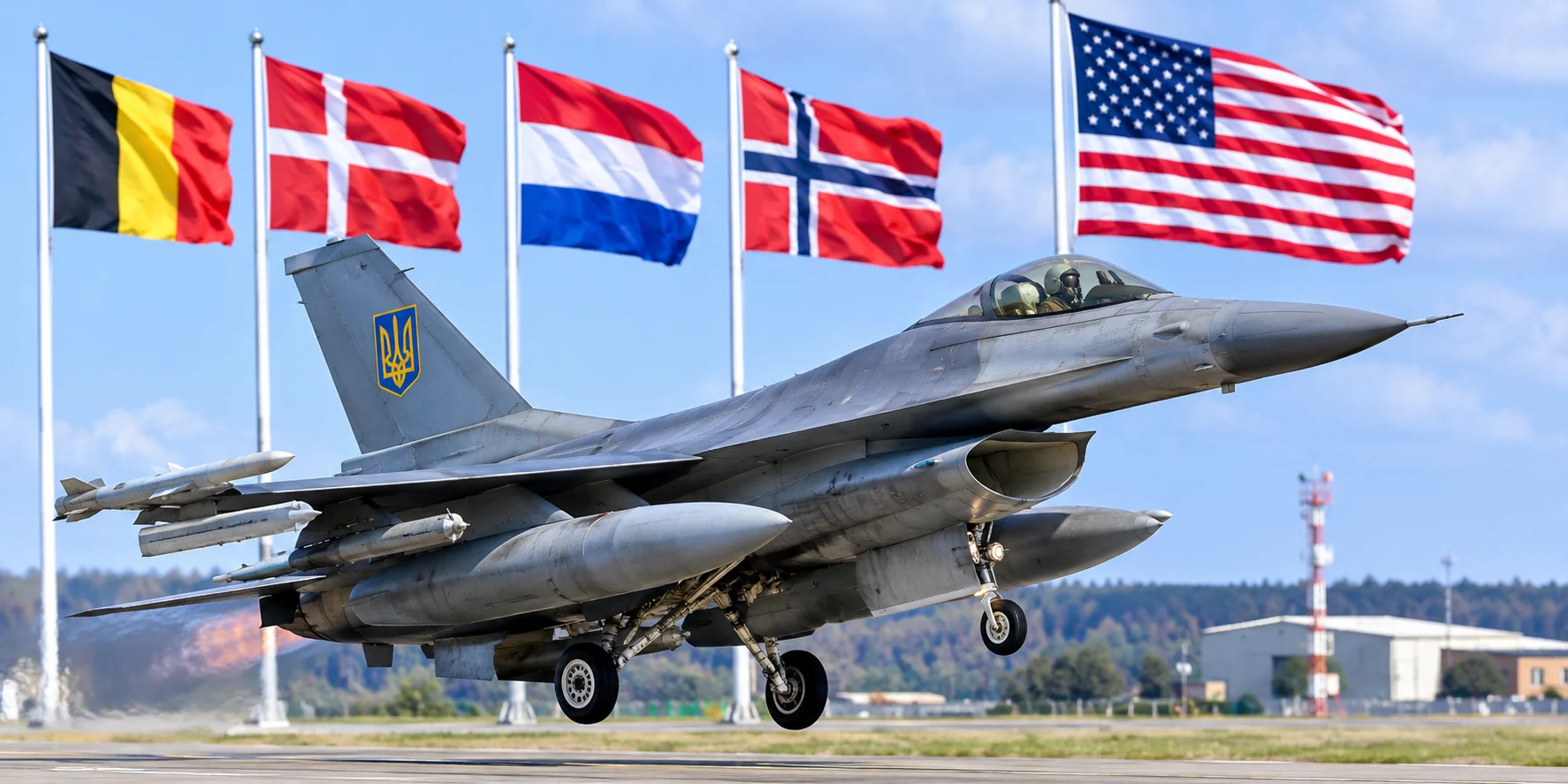
US Approves $621.9 Million F-16 Support Package for Ukraine, Funded by Four European Allies
The United States has approved a potential $621.9 million support package for Ukraine’s F-16 fighter jets, covering maintenance, spare parts, technical assistance and logistics. Belgium, Denmark, the Netherlands and Norway will finance the entire package, with no US government funds involved.
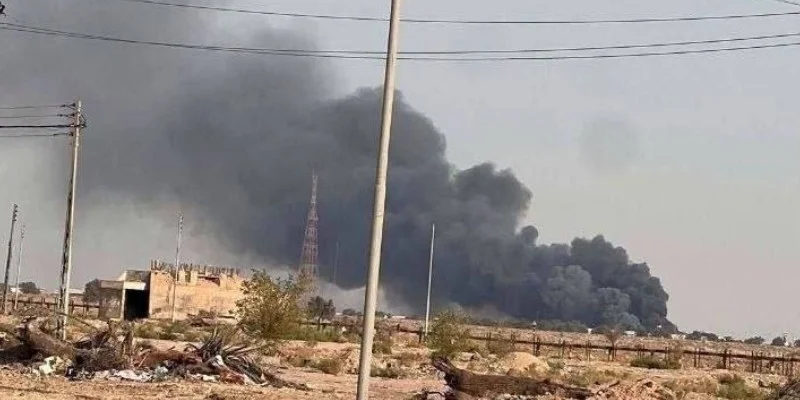
Two Italian Rheinmetall Experts Killed in Iranian Drone Attack in Kuwait, Pakistani National Injured
Two Italian Rheinmetall Experts Killed in Iranian Drone Attack in Kuwait, Pakistani National Injured KUWAIT CITY (Terror Monitor) — Two Italian nationals working for German defence manufacturer Rheinmetall were killed in an Iranian drone attack on a military installation in Kuwait on Thursday, while a Pakistani national and a Kuwaiti citizen were injured, according to Kuwaiti and Italian officials. Kuwait's Ministry of Defence said in a statement posted on the social media platform X that its

Trump, NATO Chief Discuss Ukraine and Iran Wars at Mar-a-Lago
US President Donald Trump and NATO Secretary General Mark Rutte discussed the wars in Ukraine and Iran, European defence spending and Ukraine's future security guarantees during a closed-door meeting at Trump's Mar-a-Lago residence in Florida.
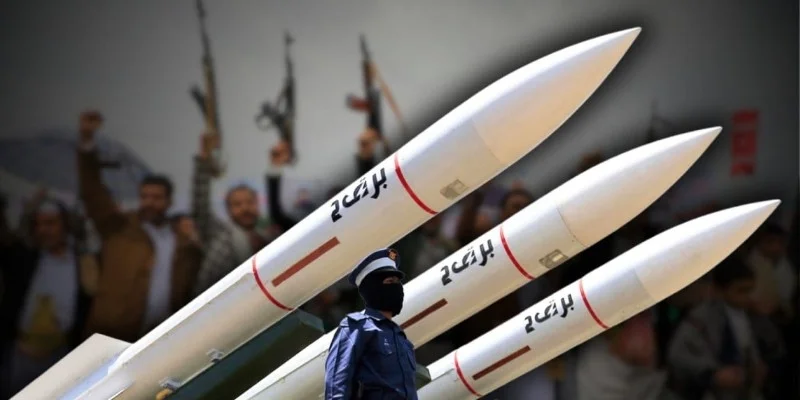
Houthi Attack on Saudi Arabia’s Jazan Oil Refinery Kills Nepalese Worker, Injures Several Others
An Iranian-backed Houthi attack on Saudi Arabia’s Jazan oil refinery killed a Nepalese worker and injured several others, triggering a fire and temporarily disrupting operations. The Saudi-led coalition has threatened a decisive military response and said it destroyed a Houthi missile-launch platform in Yemen.