
CENTCOM Says Iran ‘No Longer Has a Navy,’ Rejects Iranian Commander’s Claims About U.S. Carrier and Strait of Hormuz
· 193 views
Washington, D.C. (Terror Monitor) — The U.S. military’s Central Command (CENTCOM) has rejected a series of claims made by a senior Iranian military commander concerning Iran’s naval capabilities, maritime operations and alleged attacks on American warships, describing his account as fabricated and insisting that Iran no longer has a navy.
In a statement posted on the social media platform X on Saturday, November 28, CENTCOM said Iranian Navy Commander Rear Admiral Shahram Irani had made multiple false claims about U.S. military operations over the previous 24 hours.
“Iran no longer has a navy. The entire situation the Iranian military commander described is another fabricated lie based on falsehoods,” CENTCOM said.
The statement appeared to respond to an interview Irani gave to Iran’s state broadcaster, Islamic Republic of Iran Broadcasting (IRIB), in which he claimed that Iranian ports remained operational, naval vessels were providing maritime protection and efforts to break through the U.S. naval blockade were continuing.
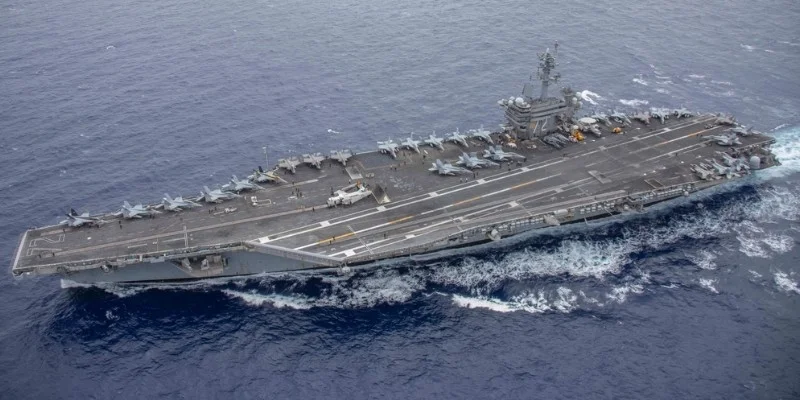
CENTCOM also rejected Iranian claims that the USS Abraham Lincoln aircraft carrier had been struck by Iranian forces during the opening phase of the war between Iran, the United States and Israel, which began on February 28.
The U.S. military command said the Abraham Lincoln Carrier Strike Group had been adequately defended and was never hit by Iran.
According to CENTCOM, the carrier strike group completed what it described as a historically successful combat deployment in the Middle East before safely returning to the United States last month.
Iranian Navy Chief Claims U.S. Forces Pushed Back
In his interview with IRIB, Rear Admiral Shahram Irani claimed that Iran’s armed forces had successfully prevented enemy forces from advancing in the Arabian Sea and the northern Indian Ocean.
He said Iranian forces had pushed their adversaries away from the country's maritime approaches and would continue forcing them to retreat further.
Speaking on the occasion of Iran's Navy Day, Irani also claimed that the situation in the Strait of Hormuz had changed dramatically in Iran's favour.
“The enemy, which was trying to reach Iran's internal waters, is now asking for permission to pass through the Strait of Hormuz,” he said.
Irani maintained that Iran's ports remained fully operational despite the U.S. blockade and that the country's navy continued providing protection and assistance to commercial vessels and maritime operators.
He further said that efforts to break through the American naval blockade were already underway, although he did not provide operational details.
Tehran Vows Not to Accept U.S. Blockade
Meanwhile, Mohammad Mokhber, an adviser to Iran's Supreme Leader Mojtaba Khamenei, vowed that Tehran would neither accept the continued U.S. blockade nor allow the Strait of Hormuz to be reopened under Washington's terms.
“Neither will the Strait of Hormuz be reopened, nor will we allow the blockade to remain in place,” Iranian state media quoted Mokhber as saying.
He did not elaborate on how Iran intended to challenge the American blockade.
His remarks came as both countries continued to assert control over the strategically important waterway, through which a substantial proportion of the world's oil and liquefied natural gas supplies normally passes.
U.S. Disables Commercial Ship Leaving Bandar Abbas
The latest exchange of statements came after CENTCOM announced that American forces had disabled a commercial vessel in the Gulf of Oman on November 26.
According to the U.S. military, the Palau-flagged bulk carrier M/V Pacific Archer had departed from the Iranian port of Bandar Abbas and attempted to breach the American naval blockade.
CENTCOM said a U.S. military aircraft fired precision-guided munitions at the vessel's stern, disabling its propulsion system. The civilian crew was not injured.
The command said American forces had redirected 158 commercial vessels that complied with blockade instructions and disabled six others that refused to comply.
Reuters reported that Washington had reimposed its naval blockade on Iranian ports in July following the collapse of an earlier agreement with Tehran.
The United States had also announced Task Force Iron Gate to restrict the movement of weapons and sanctioned materials across Iran's land borders and the Caspian Sea.
IRGC Reports Decline in Tanker Traffic
Separately, Iran's Islamic Revolutionary Guard Corps (IRGC) claimed that the number of oil tankers attempting to use what it described as unauthorised routes through the Strait of Hormuz had declined in recent days.
The IRGC has previously warned commercial vessels against using routes that Tehran considers unauthorised.
However, independent verification of the Iranian military's latest claims about tanker movements and its ability to enforce restrictions on shipping remains limited.
The United Kingdom Maritime Trade Operations (UKMTO) has continued issuing warnings about maritime security incidents in and around the Strait of Hormuz.
Its November 20 maritime security reporting documented attacks on tankers transiting the waterway, while its subsequent assessments highlighted continuing risks to commercial shipping.
Strategic Importance of the Strait of Hormuz
The Strait of Hormuz remains one of the world's most strategically important maritime chokepoints, connecting the Persian Gulf with the Gulf of Oman and the Arabian Sea.
The escalating confrontation between Washington and Tehran has severely disrupted commercial shipping and increased concerns about the security of international energy supplies.
While Iran continues to claim that its armed forces retain the ability to control maritime movements through the strait, Washington maintains that its naval forces and regional partners are enforcing maritime security and restricting access to Iranian ports.
The competing claims highlight the continuing uncertainty surrounding control of the waterway, with both sides seeking to demonstrate military superiority as diplomatic efforts to end the conflict remain stalled.
Related Articles
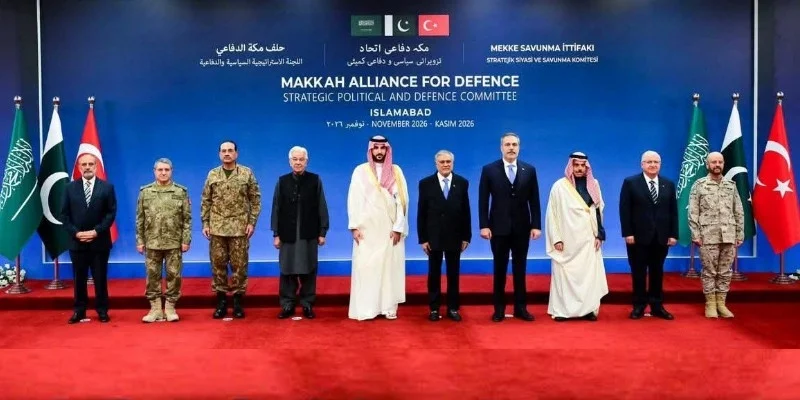
Pakistan, Saudi Arabia and Türkiye Reaffirm Collective Defence Commitment, but Key Military Arrangements Remain Unclear
Pakistan, Saudi Arabia and Türkiye have reaffirmed their commitment to collective defence under the Makkah Joint Defence Agreement during a high-level meeting in Islamabad. However, the three countries have yet to publicly define the alliance’s military response procedures, force deployment arrangements and joint command structure, as officials and defence experts continue consultations on implementing the pact.
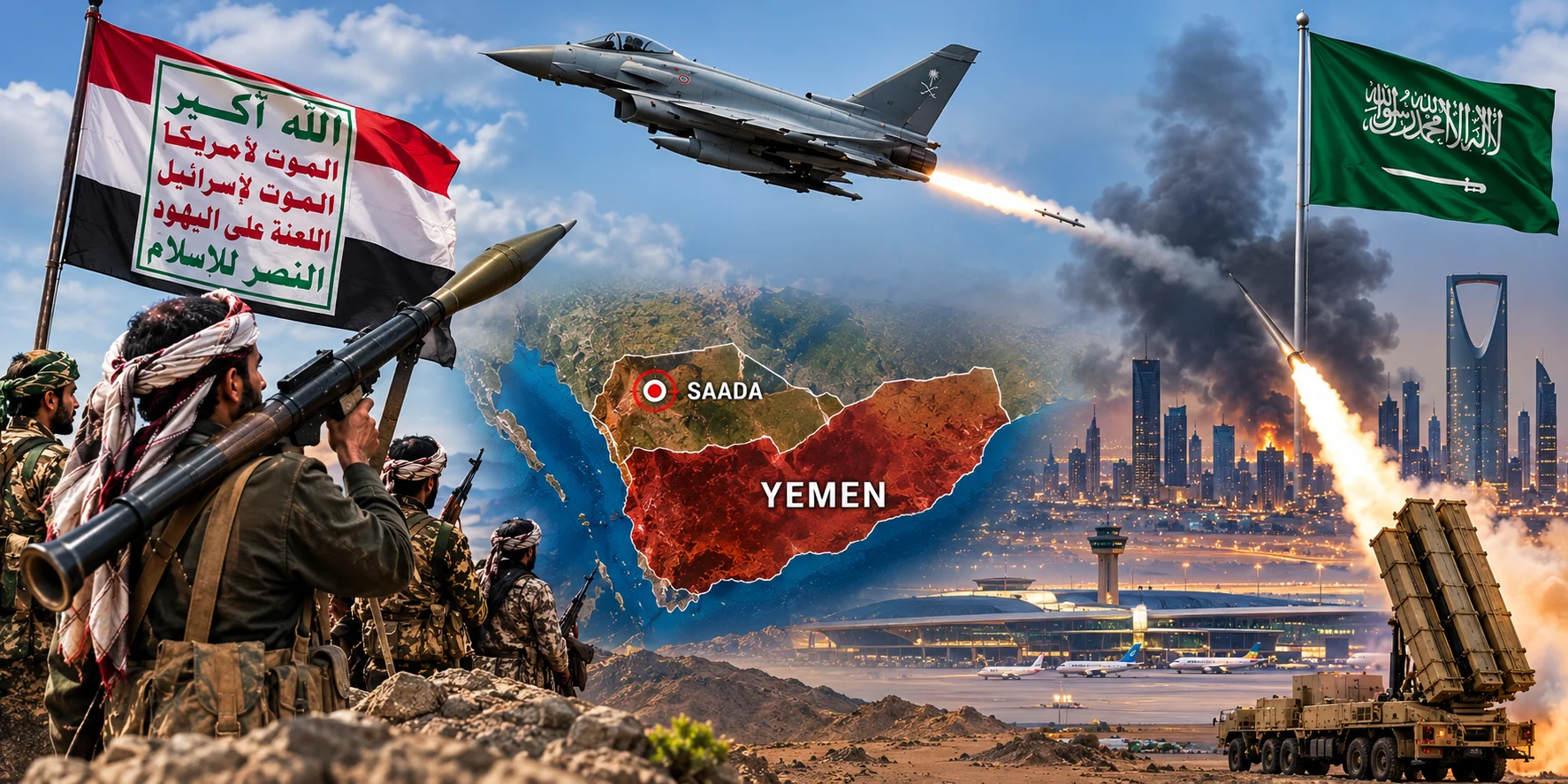
Saudi Arabia Intercepts Cruise Missile Targeting Riyadh as Houthis Report Airstrikes on Sanaa
Saudi Arabia says its air defences intercepted a Houthi cruise missile targeting Riyadh, while the Iran-backed group reports Saudi airstrikes on Sanaa that allegedly wounded 13 people. The latest exchange comes amid escalating cross-border attacks on Saudi cities, airports and energy infrastructure.
Israeli Strike Kills Two Doctors Without Borders Staff at Gaza Clinic; MSF Demands Accountability
An Israeli drone strike on an MSF clinic in Gaza City killed two unarmed staff members working as watchmen, according to the humanitarian organization. MSF said the facility was clearly marked and its location had been shared with the Israeli military, while Israel alleged the men were Hamas members posing as humanitarian workers.
Saudi Coalition Intercepts Houthi Cruise Missile Targeting Riyadh as Yemen Conflict Escalates
Saudi Arabia’s military coalition says it intercepted a Houthi cruise missile heading toward Riyadh, as renewed hostilities between the two sides intensify. The latest escalation follows a Houthi attack on the Jazan oil refinery that killed a worker and injured several others, while Houthi-affiliated media have reported 11 deaths in alleged Saudi airstrikes in Yemen, including children.