
Saudi Coalition Intercepts Houthi Cruise Missile Targeting Riyadh as Yemen Conflict Escalates
· 290 views
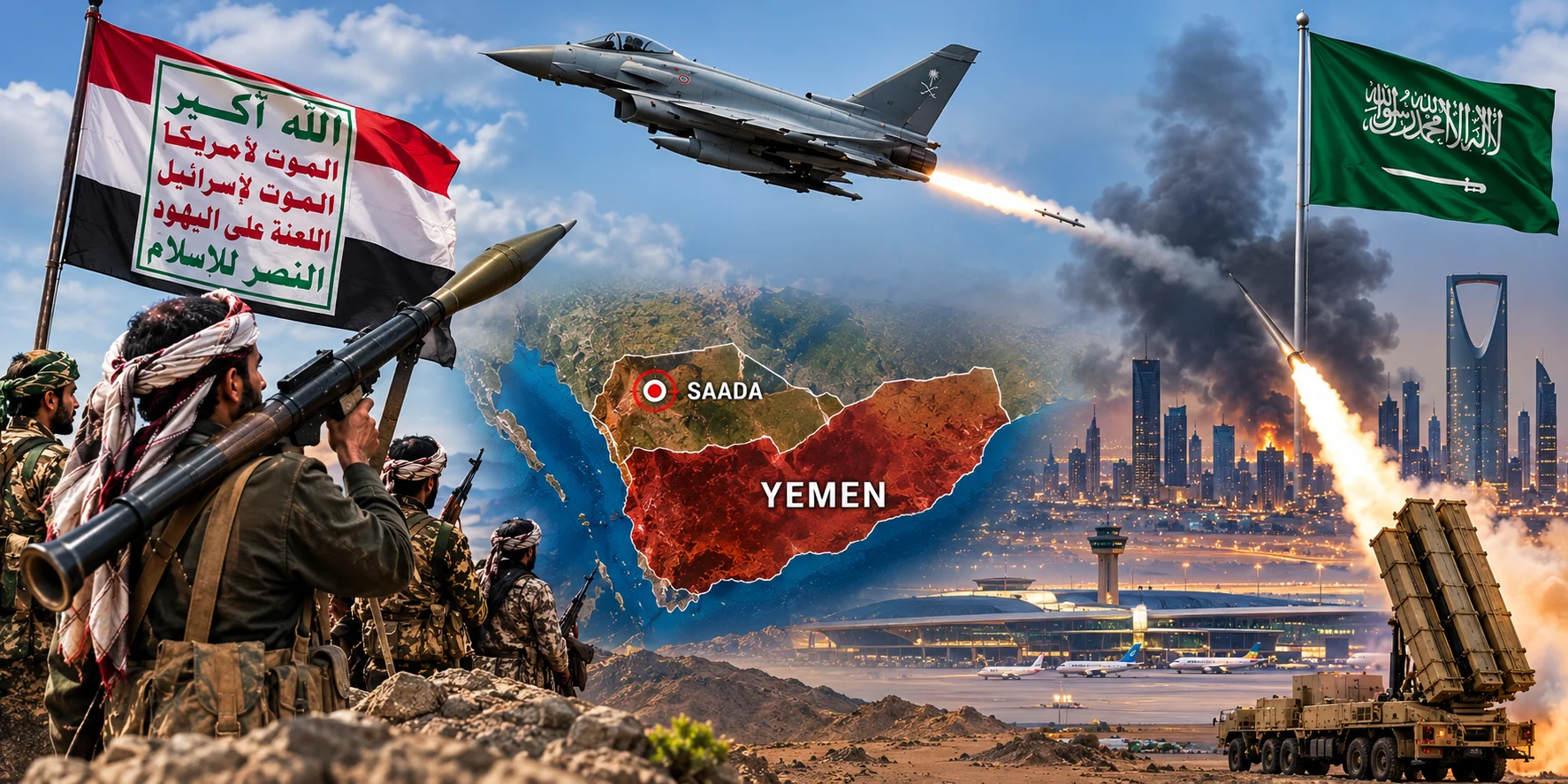
Riyadh/ Sanna (Terror Monitor) — Saudi Arabia’s military coalition said its air defence systems intercepted and destroyed a cruise missile launched by Yemen’s Iran-backed Houthi rebels toward the Saudi capital, Riyadh, on Friday, November 27, amid escalating military confrontations between the two sides.
Coalition spokesperson Major General Turki al-Maliki announced the interception in a statement posted on the social media platform X, saying that air defence systems had successfully engaged and destroyed a cruise missile approaching the Riyadh region.
He did not provide further details about the missile’s launch location, the exact timing of the interception or whether the incident caused any damage or casualties.
The announcement came amid renewed hostilities between the Saudi-led coalition and the Houthis, with both sides reporting attacks on strategic infrastructure and military targets in Yemen and Saudi Arabia.
The latest interception follows a series of Houthi attacks against Saudi territory and reported Saudi-led airstrikes in Yemen, raising concerns about a further escalation of the conflict.
Meanwhile, Houthi-affiliated media outlets have accused Saudi-led coalition forces of carrying out airstrikes in Yemen, claiming that an attack on a residential building in the al-Turbah area of Taiz province killed 11 people, most of them children.
The Houthi-run Saba News Agency, citing local sources, reported that Saudi warplanes struck a residential building in al-Turbah on Friday, resulting in the deaths of 11 civilians.
The agency also reported that fuel storage facilities in Saada province, a major Houthi stronghold in northern Yemen, were targeted in separate strikes.
In another reported incident, Houthi-affiliated media said an alleged Saudi strike on the Bair Abu Shamlah residential neighbourhood in Sanaa’s Tahrir district damaged eight houses and three shops, leaving 13 people injured.
However, the Saudi-led coalition did not mention the reported strikes in its announcement confirming the missile interception. The casualty figures and responsibility for the alleged attacks have not been independently verified.
The latest reports have also highlighted the growing risks to civilians as military operations and cross-border attacks intensify.
The escalation follows a Houthi attack on Saudi Arabia’s Jazan oil refinery on Thursday, November 26, which killed one person and injured several others, according to Saudi authorities.
Saudi Arabia’s Ministry of Energy said a hostile aerial projectile struck the refinery, causing a fire that was subsequently brought under control. The incident also forced a temporary suspension of some operations at the facility.
Saudi authorities did not initially disclose the precise type of weapon used in the attack. However, the Saudi-led coalition blamed the Houthis for the assault and subsequently announced the destruction of a ballistic missile launch platform in Yemen’s western coastal province of Al Hudaydah, which it said had been used in the attack.
Reuters reported that the incident disrupted operations at the refinery, which has a processing capacity of approximately 400,000 barrels of crude oil per day.
The Jazan refinery is strategically located in southwestern Saudi Arabia, close to the Yemeni border, making it particularly vulnerable to attacks originating from Houthi-controlled areas.
The Houthis have repeatedly targeted Saudi energy infrastructure, airports, ports and other strategic facilities using drones and missiles. Saudi Arabia, in turn, has relied on its air defence systems to intercept incoming projectiles and has carried out military operations against Houthi positions in Yemen.
The latest developments come amid renewed fighting between Houthi forces and troops supporting Yemen’s internationally recognised government, which is backed by Saudi Arabia.
The Saudi-led military coalition intervened in Yemen in March 2015 after the Houthis seized the capital, Sanaa, in 2014 and expanded their control over large parts of the country.
A United Nations-brokered truce in April 2022 significantly reduced large-scale fighting, although sporadic clashes and military incidents continued.
The renewed confrontations have raised concerns about the possible collapse of efforts to stabilise Yemen and the wider implications for regional security, particularly the safety of commercial shipping and energy infrastructure around the Red Sea and Arabian Peninsula.
International news agencies, including Reuters, Associated Press and AFP, have reported on the wider escalation and the risks posed by attacks on critical infrastructure. However, claims made by the opposing sides about individual strikes and casualty figures remain subject to independent verification.
With the Houthis continuing to threaten Saudi territory and the Saudi-led coalition maintaining military pressure on Houthi-controlled areas, the latest missile interception over Riyadh underscores the fragile security situation and the growing possibility of further cross-border escalation.
Related Articles
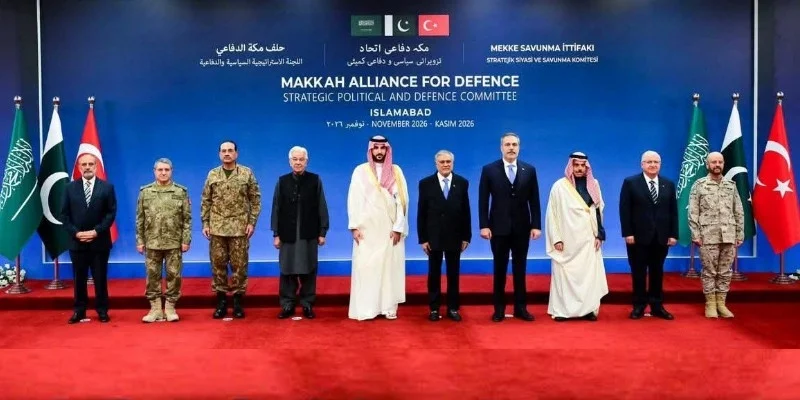
Pakistan, Saudi Arabia and Türkiye Reaffirm Collective Defence Commitment, but Key Military Arrangements Remain Unclear
Pakistan, Saudi Arabia and Türkiye have reaffirmed their commitment to collective defence under the Makkah Joint Defence Agreement during a high-level meeting in Islamabad. However, the three countries have yet to publicly define the alliance’s military response procedures, force deployment arrangements and joint command structure, as officials and defence experts continue consultations on implementing the pact.
Saudi Arabia Intercepts Cruise Missile Targeting Riyadh as Houthis Report Airstrikes on Sanaa
Saudi Arabia says its air defences intercepted a Houthi cruise missile targeting Riyadh, while the Iran-backed group reports Saudi airstrikes on Sanaa that allegedly wounded 13 people. The latest exchange comes amid escalating cross-border attacks on Saudi cities, airports and energy infrastructure.
Israeli Strike Kills Two Doctors Without Borders Staff at Gaza Clinic; MSF Demands Accountability
An Israeli drone strike on an MSF clinic in Gaza City killed two unarmed staff members working as watchmen, according to the humanitarian organization. MSF said the facility was clearly marked and its location had been shared with the Israeli military, while Israel alleged the men were Hamas members posing as humanitarian workers.
CENTCOM Says Iran ‘No Longer Has a Navy,’ Rejects Iranian Commander’s Claims About U.S. Carrier and Strait of Hormuz
The U.S. Central Command has dismissed a series of claims by Iranian Navy Commander Rear Admiral Shahram Irani as false, insisting that Iran no longer has a functioning navy and that the USS Abraham Lincoln aircraft carrier was never struck by Iranian forces. The exchange comes as Washington and Tehran continue to challenge each other’s control over the strategically vital Strait of Hormuz amid an ongoing naval blockade.