
Death Toll from Houthi Missile Attack on Riyadh Airport Rises to 14 After Another Indian National Dies
· 336 views
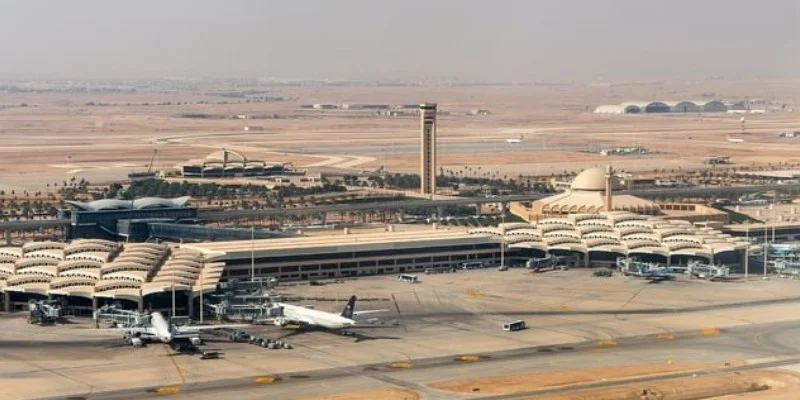
RIYADH (Terror Monitor) — The death toll from a missile attack on Saudi Arabia’s King Khalid International Airport in Riyadh on October 10 has risen to 14 after another Indian national critically injured in the strike died while receiving treatment in a hospital, the Indian Embassy in Saudi Arabia announced on Wednesday.
In a statement posted on its official X account on November 4, the Indian Embassy confirmed that the victim had died in the intensive care unit of a Riyadh hospital after spending more than three weeks battling his injuries.
"With a heavy heart, we share that another Indian national, critically injured in the 10 October attack on Riyadh airport, has passed away in ICU," the embassy said.
The diplomatic mission expressed condolences to the victim's family and friends, adding that it had remained in contact with the family throughout his treatment and would continue providing assistance.
The embassy also pledged to facilitate the transportation of the deceased's remains to India or arrange a funeral in Riyadh, depending on the family's wishes.
The latest fatality marks the second Indian national to die from injuries sustained in the October 10 attack. The first Indian victim, identified as Mohammed Yousuf Ali, died shortly after the incident, with his funeral held in Riyadh on October 12.
According to Saudi Arabia's General Authority of Civil Aviation (GACA), the October 10 attack initially killed 12 people and injured 309 others, including several who sustained critical injuries.
With the deaths of the two Indian nationals, the overall death toll has now reached 14.
The Indian Embassy had previously reported that several other Indian nationals were among those injured. In an update issued on October 23, it said that two injured Indians remained in intensive care, while others were receiving treatment in general hospital wards.
Saudi Arabia intercepts more Houthi drones and missiles
The latest death comes amid an escalation in missile and drone attacks attributed to Yemen's Iran-backed Houthi movement against Saudi Arabia.
Saudi air defences have intercepted several missiles and unmanned aerial vehicles targeting different parts of the kingdom in recent days, including areas around the capital Riyadh and the holy city of Makkah.
On Tuesday, November 3, the Saudi-led Coalition to Restore Legitimacy in Yemen announced that its air defences had intercepted and destroyed an unmanned aerial vehicle in the Makkah region.
Coalition spokesperson Major General Turki Al-Maliki confirmed the interception in an official statement carried by the Saudi Press Agency (SPA).
The announcement followed earlier interceptions involving drones and a ballistic missile directed towards other Saudi regions.
On Monday, November 2, the coalition said its air defences had intercepted and destroyed two drones over the Riyadh region. It also reported intercepting a ballistic missile launched towards the kingdom's southern region.
The Houthis, meanwhile, claimed responsibility for separate drone operations targeting King Fahd International Airport in Dammam, an early-warning radar installation in Jizan and a military transport aircraft at Jizan airport. These claims had not been independently verified.
Early Wednesday, Saudi Civil Defence also issued an emergency warning in the Riyadh region before subsequently announcing that the threat had passed.
The continuing interceptions have raised concerns about the security of Saudi Arabia's civilian infrastructure, particularly airports and other strategic facilities.
Escalating conflict in Yemen
The attacks are part of the wider conflict in Yemen, where the Iran-backed Houthi movement has been fighting the internationally recognised Yemeni government and forces supported by the Saudi-led military coalition.
The Houthis seized the capital, Sanaa, in 2014, prompting a Saudi-led military intervention in March 2015 in support of the internationally recognised government.
Over the years, the conflict has expanded beyond Yemen's borders, with repeated Houthi missile and drone attacks targeting Saudi territory, including airports, military installations and energy infrastructure.
The October 10 strike on King Khalid International Airport was among the deadliest attacks on Saudi civilian infrastructure in recent years. Saudi authorities condemned the incident, while the Saudi-led coalition described the targeting of civilian facilities and passengers as a serious violation of international humanitarian law.
The attack also prompted international condemnation and renewed diplomatic efforts to prevent further escalation in the region.
As Saudi air defences continue intercepting incoming threats, the growing number of attacks has raised concerns about the potential impact on regional security, civilian aviation and the wider conflict in the Arabian Peninsula.
Related Articles
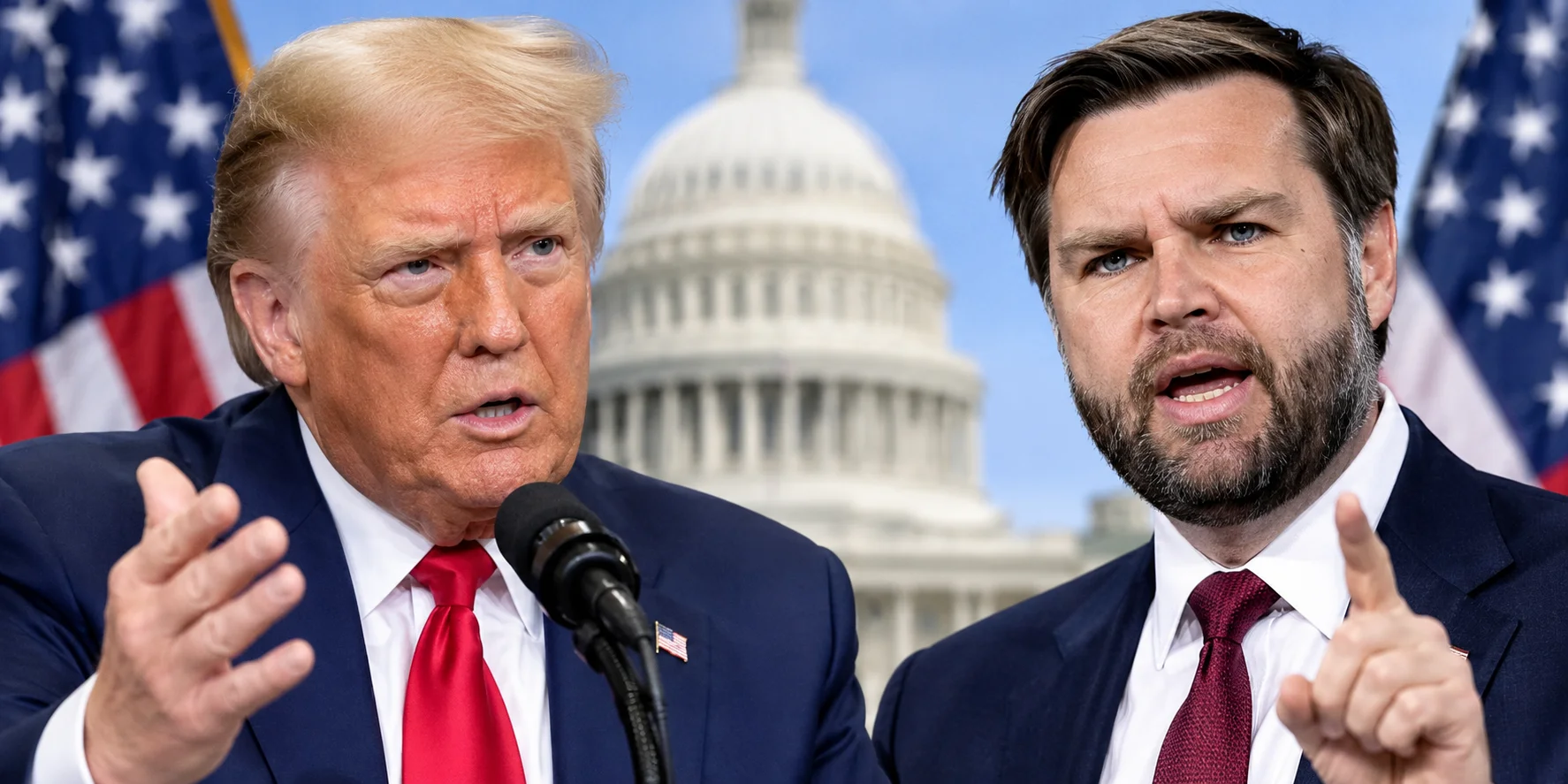
Trump Links Iran War to Republican Midterm Defeat as Vance Blames Conflict
Trump acknowledges that the Iran war and rising gasoline prices contributed to the Republican Party’s defeat in the 2026 midterm elections, while Vice President JD Vance directly blames the conflict for the party’s loss of congressional control, raising questions about the future of US foreign policy and Vance’s potential 2028 presidential ambitions.
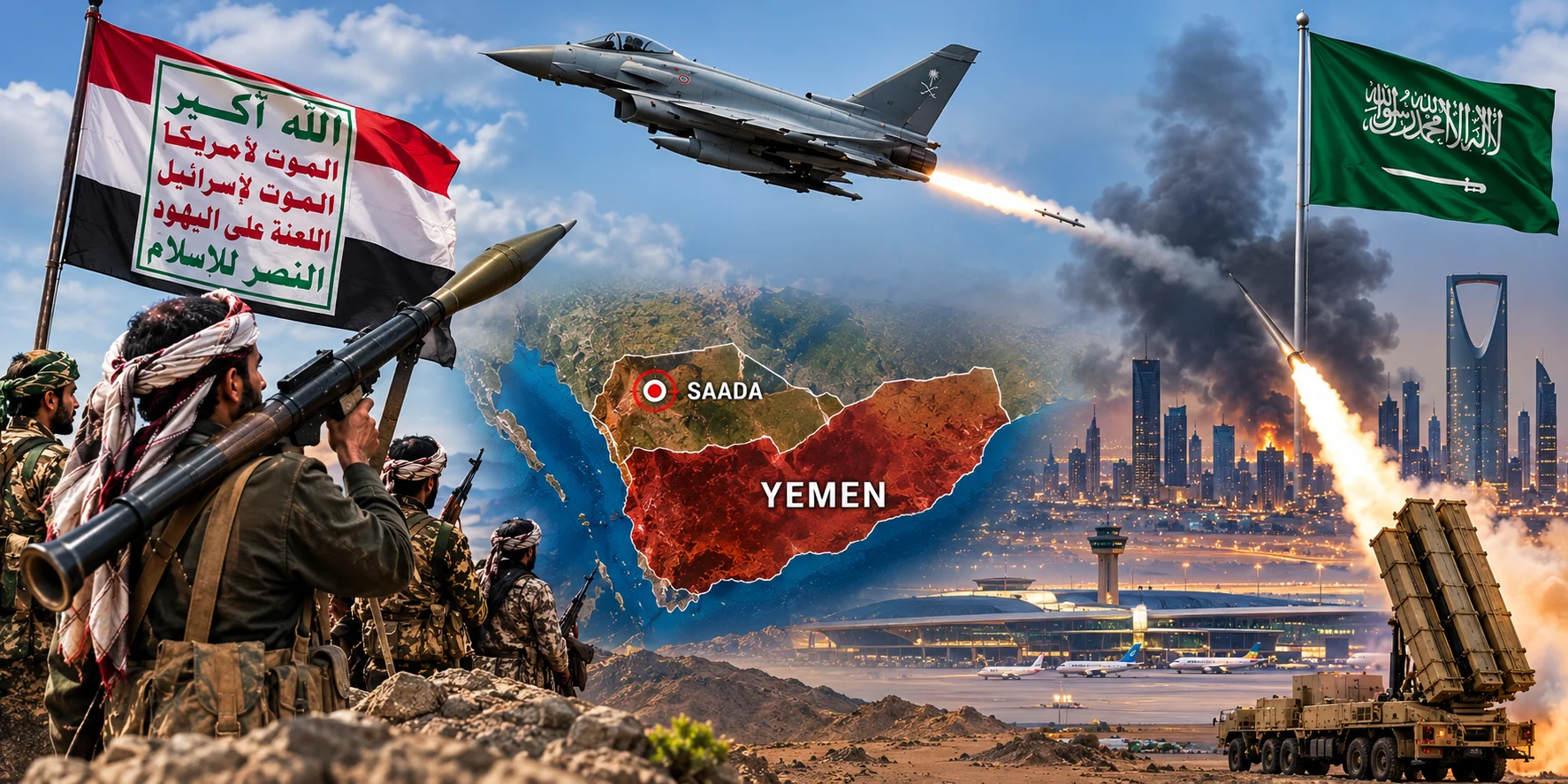
Houthis Say 119 Saudi-Led Airstrikes Killed 17 Civilians in Yemen Over Two Days
Yemen’s Iran-backed Houthis said Saudi-led coalition airstrikes killed at least 17 civilians, mostly children, across several provinces on Monday and Tuesday. The group also claimed Saudi warplanes carried out 109 airstrikes within 24 hours, as cross-border drone and missile attacks intensified.
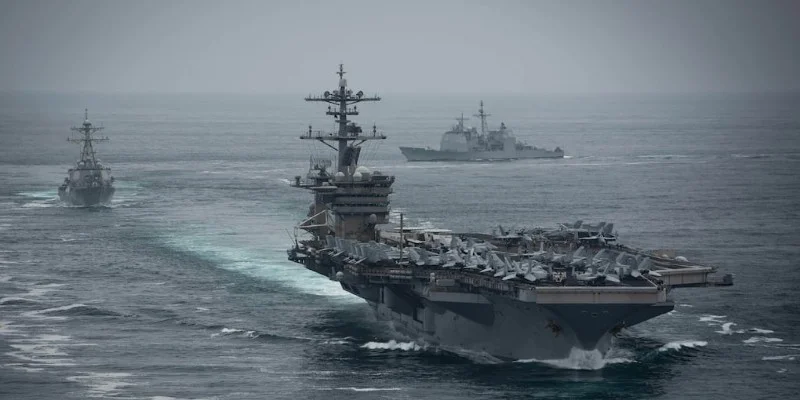
Trump Confirms US Strikes on Iran’s Qeshm Island as Pezeshkian Calls for Dialogue
US President Donald Trump confirmed American strikes on an Iranian air defence installation on Qeshm Island, describing the operation as a “minor attack.” Iranian President Masoud Pezeshkian warned that renewed war would benefit no one and said Supreme Leader Mojtaba Khamenei had authorised the government to negotiate on previously restricted issues.
Iran Issues Nuclear Emergency Guidelines as Trump Confirms US Strikes on Qeshm Island
Iran has published public safety instructions covering shelter, radioactive contamination and emergency medication as tensions with Washington escalate. US President Donald Trump confirmed strikes on an Iranian air defence installation on Qeshm Island, describing the operation as a “minor attack.”