
Trump Confirms US Strikes on Iran’s Qeshm Island as Pezeshkian Calls for Dialogue
· 50 views
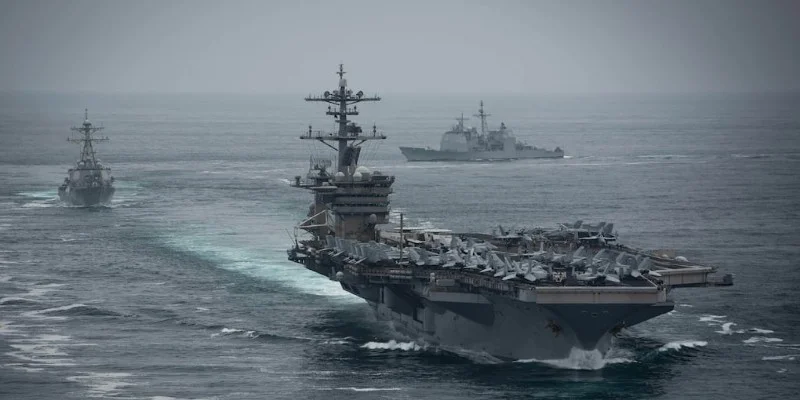
Washington, D.C./Tehran (Terror Monitor) — US President Donald Trump has confirmed that American forces carried out strikes against Iranian targets, including an air defence installation on Qeshm Island in the Strait of Hormuz, describing the operation as a “minor attack” as Iranian President Masoud Pezeshkian warned that a renewed war between Washington and Tehran would benefit no one.
In a telephone interview with Fox News on Tuesday, Trump said the United States had targeted an Iranian anti-aircraft facility shortly after its construction was completed.
“They built an anti-aircraft facility, and as soon as it was completed, we hit it last night very nicely,” Trump said, characterising the operation as a “minor attack”.
The remarks followed reports of explosions on Qeshm Island late Monday. Iran’s state news agency IRNA reported that five explosions were heard in quick succession, while residents said they had seen aircraft flying over the island.
US describes operation as defensive
US officials described the strikes as limited and defensive, saying they were intended to counter threats to American forces and assets in the region.
Reuters reported, citing US officials, that the operation targeted Iranian forces using surface-to-air missiles against US assets. An official said the strikes did not represent a return to major combat operations.
The Associated Press also reported that Iranian state media had reported explosions on Qeshm and Hengam islands, as well as in the nearby mainland area of Bandar Abbas.
Fox News, citing a US official, reported that the operation followed Iranian fire directed at an American aircraft. The official said the strikes were not intended to signal a broader escalation.
The Pentagon referred questions about the operation to US Central Command, which had not publicly provided further details.
Pezeshkian says renewed war would benefit no one
Meanwhile, Iranian President Masoud Pezeshkian said a renewed conflict between the United States and the Islamic Republic would serve neither side's interests.
Addressing a government meeting, Pezeshkian said Tehran was continuing efforts to resolve the dispute through diplomatic negotiations.
“No one will benefit from this war,” he said, according to remarks reported by international news agencies.
His comments came as diplomatic efforts continued to prevent another escalation in the Middle East following the latest US military action.
Mojtaba Khamenei grants government wider negotiating authority
Pezeshkian also said Iran's Supreme Leader, Mojtaba Khamenei, had authorised the government to negotiate on issues that had previously been considered off-limits.
The Iranian president did not specify which issues were covered by the new authority or outline the precise scope of the negotiating mandate.
The announcement could provide Tehran's negotiating team with greater flexibility in discussions with Washington, although the main points of disagreement between the two countries remain unresolved.
Iran warns it remains prepared to respond
Iranian parliamentary speaker Mohammad Bagher Ghalibaf, who is leading Tehran's negotiating efforts, said the country remained prepared for a military confrontation while pursuing diplomacy.
According to AFP, Ghalibaf said Iran was ready for battle but had also made its position clear to the United States.
Iranian Deputy Foreign Minister Kazem Gharibabadi also maintained that Tehran retained the right to legitimate self-defence following the American strikes.
Diplomatic efforts continue
Qatar, which has been facilitating indirect negotiations between Washington and Tehran, said it remained hopeful that an interim agreement could be reached.
Qatari Foreign Ministry spokesman Majed Al Ansari said both sides were reviewing proposals exchanged through the mediation process and that Doha was continuing its efforts to facilitate an understanding.
Iranian Foreign Minister Abbas Araghchi has also confirmed that indirect negotiations are taking place, describing consultations as intensive given the sensitivity of the situation.
US Vice President JD Vance said Washington and Tehran had made some progress towards a possible agreement, while expressing caution about the outcome.
The latest developments have left the region facing a delicate situation, with the United States confirming a new military operation while both governments continue to signal an interest in avoiding a wider confrontation.
Related Articles
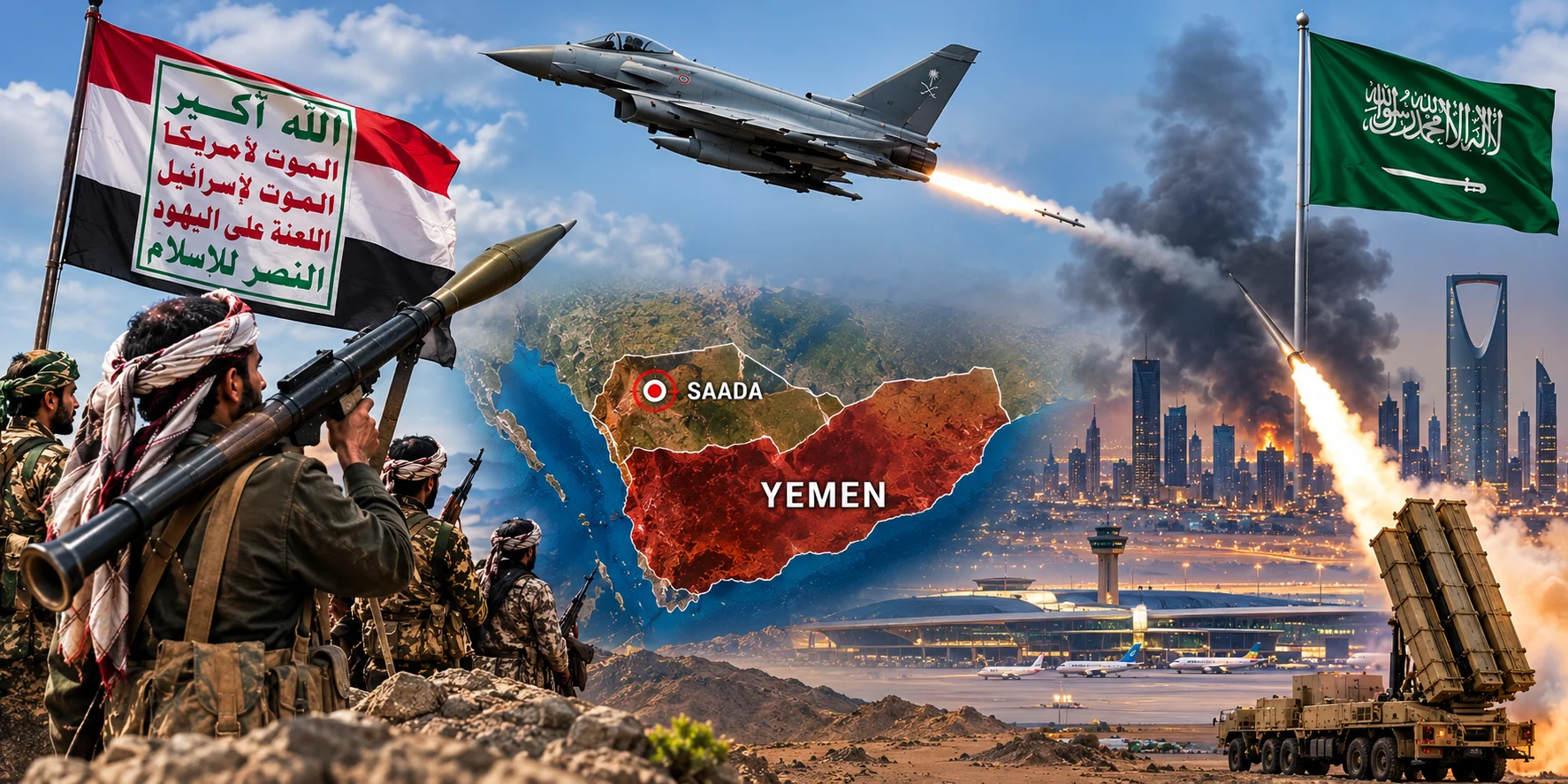
Houthis Say 119 Saudi-Led Airstrikes Killed 17 Civilians in Yemen Over Two Days
Yemen’s Iran-backed Houthis said Saudi-led coalition airstrikes killed at least 17 civilians, mostly children, across several provinces on Monday and Tuesday. The group also claimed Saudi warplanes carried out 109 airstrikes within 24 hours, as cross-border drone and missile attacks intensified.
Iran Issues Nuclear Emergency Guidelines as Trump Confirms US Strikes on Qeshm Island
Iran has published public safety instructions covering shelter, radioactive contamination and emergency medication as tensions with Washington escalate. US President Donald Trump confirmed strikes on an Iranian air defence installation on Qeshm Island, describing the operation as a “minor attack.”
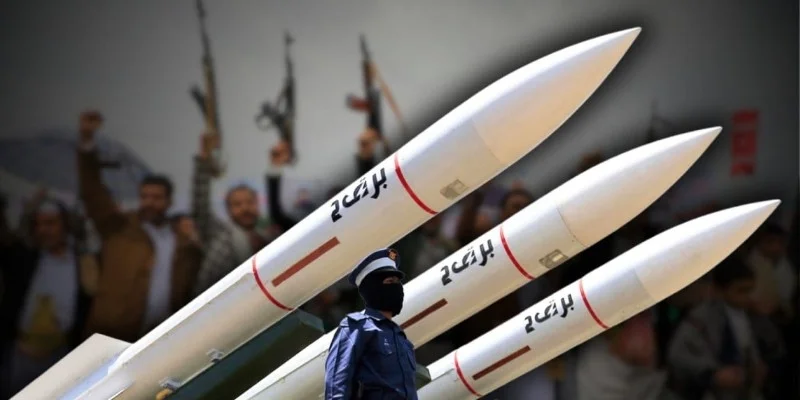
Houthi Ballistic Missile Strike on Yemen Health Centre Kills Five, Wounds 15, Government Says
Yemen’s internationally recognised government accused Iran-backed Houthi rebels of striking a health centre in Lahj province with a ballistic missile, killing five people and injuring 15 others, including medical workers. Separately, government-aligned National Shield Forces said their drones had targeted Houthi positions near the strategic Bab al-Mandab Strait.
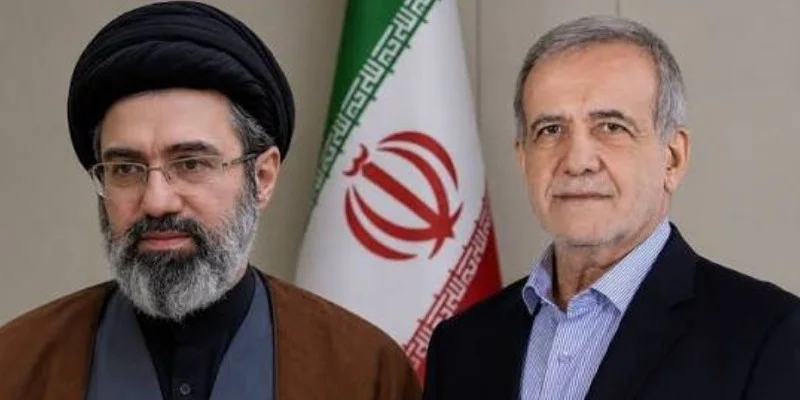
Iran Says Mojtaba Khamenei Granted Government Powers for US Peace Talks as Qatar-Led Diplomacy Intensifies
Iranian President Masoud Pezeshkian said Supreme Leader Mojtaba Khamenei had granted the government additional authority to pursue peace negotiations with the United States. Tehran says its revised seven-point proposal could allow the Strait of Hormuz to reopen within two days if Washington lifts its naval blockade and accepts Iran’s conditions, as Qatar and Pakistan continue mediation efforts.