
Iran Issues Nuclear Emergency Guidelines as Trump Confirms US Strikes on Qeshm Island
· 27 views
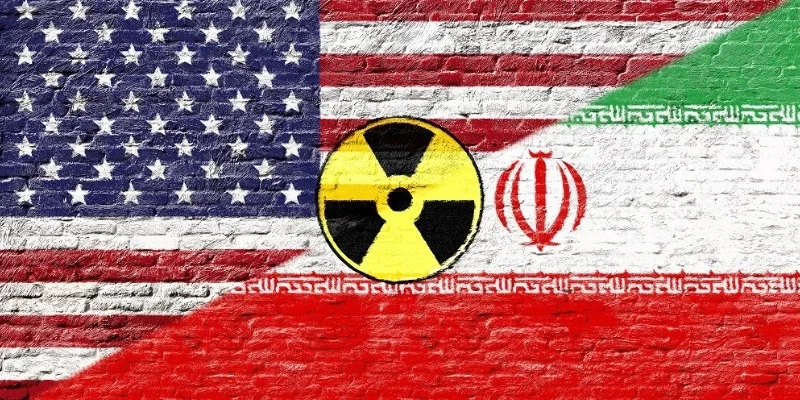
TEHRAN (Terror Monitor) — Iranian authorities have published detailed emergency instructions explaining how civilians should protect themselves in the event of a nuclear explosion, as tensions with the United States escalate following American strikes on Iran’s Qeshm Island in the Strait of Hormuz.
The guidance, published by Iran’s state-run IRNA news agency, outlines precautions against the immediate effects of a nuclear blast and the danger of radioactive contamination. It advises people to seek shelter inside sturdy buildings, close windows and ventilation systems, remove potentially contaminated clothing and follow official emergency instructions.
The publication comes amid renewed threats by US President Donald Trump against Iranian military and nuclear-related facilities, raising concerns about the possibility of further military escalation.
Trump confirms US strikes on Qeshm Island
Trump confirmed on Tuesday that American forces had struck an Iranian air defence installation on Qeshm Island.
Speaking in a telephone interview with Fox News, Trump said Iran had completed construction of an anti-aircraft facility shortly before it was targeted by US forces.
"They built an anti-aircraft facility, and as soon as it was completed, we hit it last night very nicely," Trump said, describing the operation as a "minor attack".
The confirmation followed reports of explosions on Qeshm Island late Monday. Iranian media reported that several blasts were heard in the area, while additional explosions were reported near the coastal city of Bandar Lengeh.
US officials described the operation as limited and defensive, saying it was intended to protect American assets against potential Iranian attacks. They indicated that the strikes did not represent the resumption of large-scale military operations against Iran.
The Pentagon has not publicly provided a comprehensive account of the damage or the full scope of the operation.
Trump renews threats against Iranian nuclear facilities
The Qeshm strikes came amid Trump's renewed warnings that the United States could target Iran's nuclear-related facilities, including the deeply buried site known as Pickaxe Mountain near Natanz.
Trump previously told Fox News that the United States might have to strike the facility, suggesting that an operation could be carried out within an hour. He described the potential action as relatively straightforward.
Meanwhile, allegations have circulated in American media and political commentary that Israeli Prime Minister Benjamin Netanyahu has been pressing Trump to launch further attacks against Iran.
Political commentator Tucker Carlson has alleged that Netanyahu was urging the US president to consider using nuclear weapons against Iran, with Pickaxe Mountain mentioned as a possible target.
However, no publicly verified evidence has established that Netanyahu made such a request or that Washington is considering a nuclear strike. Israeli officials had not publicly commented on the specific allegation at the time of reporting.
Pezeshkian says renewed war would benefit no one
Iranian President Masoud Pezeshkian has warned that renewed fighting between Tehran and Washington would serve neither country's interests.
Addressing a government meeting, Pezeshkian said Iran was continuing to pursue a diplomatic solution to the crisis.
"This war will benefit no one," he said, reiterating that efforts to resolve the dispute through negotiations were continuing.
The comments reflect Tehran's stated preference for diplomacy despite the latest military developments. However, the two sides remain divided over security arrangements, Iran's nuclear programme and the conditions required to end the confrontation.
Iran's nuclear emergency instructions
The emergency guidance was explained by Ebrahim Adelzadeh, deputy director of education and research at the Isfahan Red Crescent Society, in an interview published by IRNA.
Adelzadeh stressed that people must follow official emergency announcements and seek shelter inside buildings if authorities instruct them to remain indoors.
He advised residents to:
- Close all doors and windows.
- Switch off air-conditioning and ventilation systems that bring outside air indoors.
- Move to a basement or an interior room away from windows and external walls, if safely accessible.
- Remain inside until authorities announce that it is safe to leave.
He also warned people not to look directly at the intense flash of a nuclear explosion.
If caught outdoors, people should seek cover behind a solid barrier, remain close to the ground and protect their heads and faces while the initial blast wave passes. They should then move to a suitable building as soon as it is safe.
How to reduce radioactive contamination
The guidance places particular emphasis on preventing radioactive dust and particles from entering buildings or spreading through contact with contaminated clothing.
People who suspect they have been exposed to radioactive dust should carefully remove their outer clothing without shaking it, place the garments in a sealed plastic bag and keep the bag away from other people.
They should then wash exposed skin and hair with lukewarm water and soap to remove radioactive particles.
Adelzadeh said radioactive material could travel through the atmosphere and affect people far from the location of an explosion. Residents should therefore take official warnings seriously even if they are not close to the targeted area.
If evacuation becomes necessary, people should use only routes designated by emergency authorities.
Those travelling by car should keep windows closed and switch the ventilation system to internal air circulation to reduce the amount of outside air entering the vehicle. A cloth covering the nose and mouth may also help reduce the inhalation of dust particles while moving through contaminated areas.
Officials warn against taking iodine tablets without medical advice
Abbas Abedi, a spokesperson for Isfahan's pre-hospital emergency services, has also warned against taking iodine tablets without instructions from health authorities.
He explained that potassium iodide can reduce the thyroid gland's absorption of radioactive iodine in certain circumstances. However, it does not protect against other radioactive materials or radiation produced by a nuclear explosion.
Abedi said the tablets should only be taken when recommended by health authorities, with the dosage determined according to a person's age, medical condition and the nature of the exposure.
The emergency video also discusses Prussian Blue, a medicine that doctors may prescribe in certain cases of internal contamination involving radioactive caesium.
Abedi stressed that Prussian Blue is not a substitute for iodine tablets because the two medicines are used to address different forms of radioactive contamination.
The guidance advises people not to use either medicine as a precaution without medical or official instructions.
Authorities urge residents to rely on official information
Iranian emergency officials have emphasised the importance of remaining inside protective buildings after a nuclear incident and avoiding unnecessary movement outdoors.
Residents are advised to monitor official announcements, conserve essential supplies and wait for instructions before leaving shelters.
If a building becomes unsafe because of fire or structural damage, people should move to another suitable shelter while avoiding areas where radioactive dust may be present.
The publication of the guidance comes as the US strikes on Qeshm Island and Trump's renewed threats against Iranian facilities have heightened concerns about a wider confrontation.
Although Iranian officials continue to emphasise diplomacy, the latest developments demonstrate the continuing security risks facing the region and the potential consequences of further military escalation.
Related Articles
Houthi Ballistic Missile Strike on Yemen Health Centre Kills Five, Wounds 15, Government Says
Yemen’s internationally recognised government accused Iran-backed Houthi rebels of striking a health centre in Lahj province with a ballistic missile, killing five people and injuring 15 others, including medical workers. Separately, government-aligned National Shield Forces said their drones had targeted Houthi positions near the strategic Bab al-Mandab Strait.
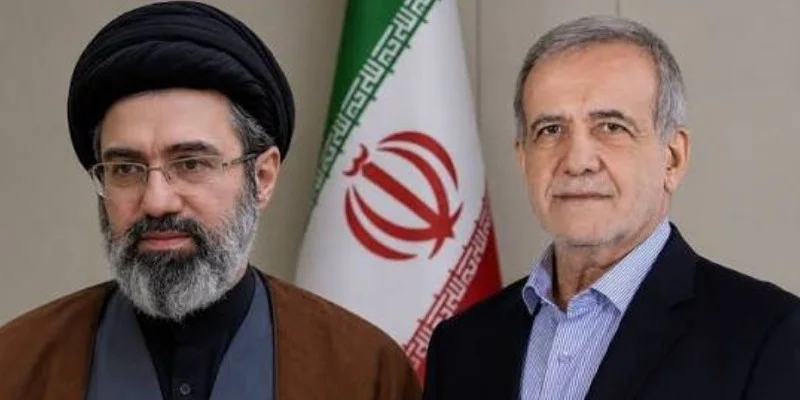
Iran Says Mojtaba Khamenei Granted Government Powers for US Peace Talks as Qatar-Led Diplomacy Intensifies
Iranian President Masoud Pezeshkian said Supreme Leader Mojtaba Khamenei had granted the government additional authority to pursue peace negotiations with the United States. Tehran says its revised seven-point proposal could allow the Strait of Hormuz to reopen within two days if Washington lifts its naval blockade and accepts Iran’s conditions, as Qatar and Pakistan continue mediation efforts.
Israeli Forces Withdraw from Hebron After 10-Day Operation That Displaced Thousands of Palestinians
Israeli forces have withdrawn from parts of the occupied West Bank city of Hebron after a 10-day military operation that displaced more than 3,000 Palestinians. Palestinian authorities said residents had begun returning to their homes, while Israeli officials confirmed that operations against what they described as militant threats would continue across the West Bank.
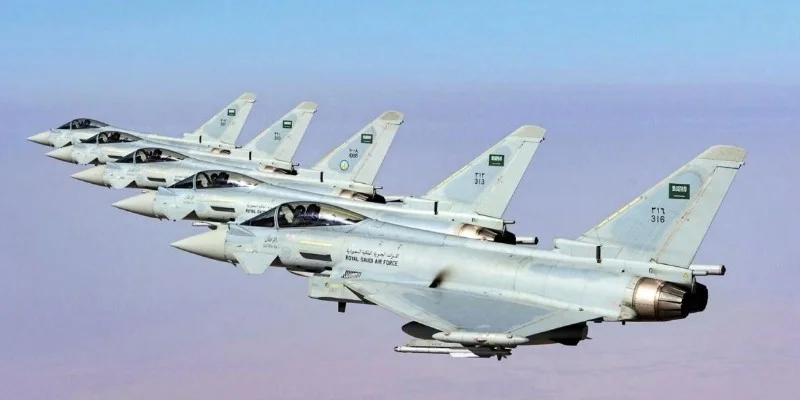
Saudi-Led Coalition Strikes Yemen’s Ras Isa Port and Oil Facility, Houthis Say Seven Wounded
Yemen’s Iran-backed Houthis said Saudi-led coalition airstrikes hit the Red Sea port of Ras Isa and an oil facility in Hodeidah province on November 2, injuring at least seven people. The group accused the coalition of targeting critical infrastructure, while the strikes reportedly followed the interception of Houthi missiles launched towards Saudi Arabia.