
Hezbollah Re-Arming for Possible Renewed War With Israel After Receiving Iranian Funds
· 80 views
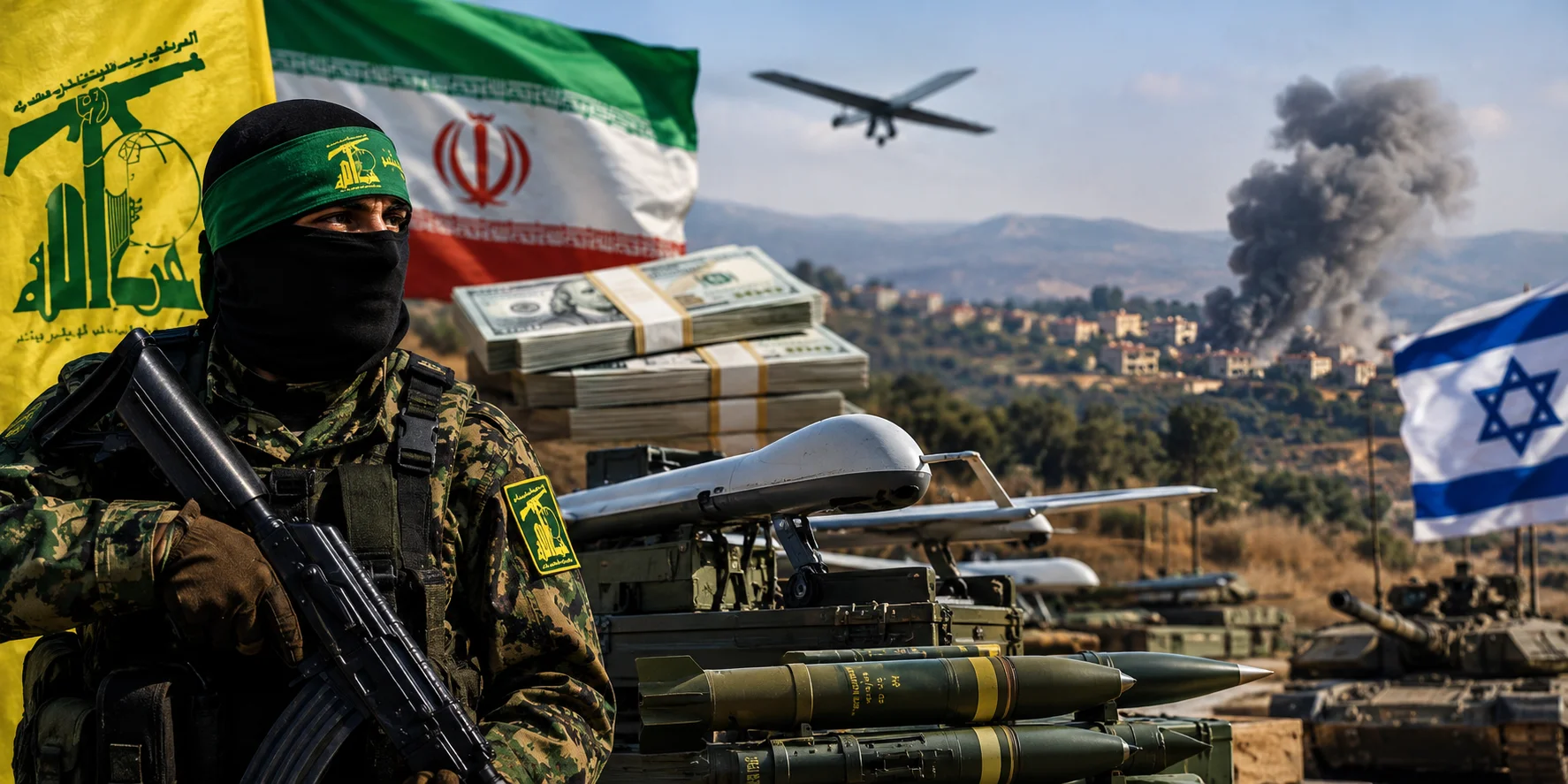
BEIRUT (Terror Monitor) — Lebanon-based Hezbollah has spent the past three months preparing for a possible resumption of hostilities with Israel after receiving tens of millions of dollars in military funding from Iran, according to Lebanese security sources cited by Reuters.
The group, which has suffered heavy losses in two wars with Israel since 2024, has reportedly focused on acquiring explosives, producing attack drones, replenishing its weapons stockpiles and rebuilding command-and-control structures damaged during the fighting.
The reported preparations come amid continuing tensions along the Israel-Lebanon border, Israel’s presence in parts of southern Lebanon and growing pressure on the Lebanese government to disarm Hezbollah.
Iranian Funding for Military Preparations
Two Lebanese security sources told Reuters that Hezbollah had used a lull in hostilities since June to strengthen its military capabilities, particularly its capacity to manufacture and deploy explosive-laden drones against Israeli positions.
One of the sources and another person familiar with the group’s activities said Iran had provided Hezbollah with tens of millions of dollars to support its military rebuilding efforts.
The funding was reportedly separate from approximately $200 million that Iran had provided to assist families displaced by the conflict, particularly in Hezbollah’s traditional support areas in Lebanon.
The reported financial assistance comes as Tehran and Washington face the possibility of renewed confrontation, raising concerns that a wider regional escalation could reignite fighting on the Lebanese front.
Heavy Losses and Damaged Command Structures
Hezbollah has suffered significant setbacks in its confrontations with Israel since 2024. Thousands of its fighters and several senior leaders have been killed, while much of its weapons arsenal has been destroyed, according to the Reuters report.
Three additional security officials familiar with Hezbollah’s operations said the group was working to restore its command-and-control network, which had been damaged during major battles.
The sources also described difficulties faced by Hezbollah units operating on key fronts, including the southern Lebanese town of Bint Jbeil and the strategic Ali al-Taher ridge. According to the report, some units became isolated while attempting to confront Israeli remotely operated systems, including armed drones and remote-controlled vehicles.
Hezbollah’s use of smaller units and limited deployment of anti-tank rockets reportedly complicated its ability to respond effectively to Israel’s technological and operational advantages.
Israel has maintained a military presence in parts of southern Lebanon, while its forces continue operations aimed at dismantling Hezbollah infrastructure. Beirut has faced increasing political pressure to ensure the group is disarmed.
Explosives Intended for Attack Drones
Hezbollah is continuing efforts to replenish its weapons supplies. Earlier this month, the group acknowledged that explosives seized by Lebanese authorities belonged to it and were intended for use against Israel.
A Hezbollah official and a Lebanese security source told Reuters that the seized material was specifically intended for explosive drones.
The development highlights the group’s reported focus on unmanned aerial systems as it attempts to rebuild its capabilities following substantial battlefield losses.
Despite the reported progress, Lebanese security sources said Hezbollah had not yet fully restored its weapons stockpiles or brought its fighting force back to the level required for a potential renewed conflict.
Hezbollah Says Resistance to Israeli Occupation Is Legitimate
Responding to Reuters’ questions, Hezbollah’s media office said Israel’s occupation of Lebanese territory made resistance a legitimate right.
The group has not explicitly stated whether it would enter any new regional conflict if tensions between the United States and Iran escalate. Its reported state of alert, however, raises concerns that a wider confrontation could trigger renewed fighting between Hezbollah and Israel.
According to Reuters, Hezbollah is also concerned that another escalation could lead to further displacement among its supporters and communities already affected by previous rounds of fighting.
Hezbollah’s International Terrorist Designations
Hezbollah is designated as a terrorist organisation in its entirety by the United States, the United Kingdom, Canada, Germany, Australia, Israel, the Netherlands, Austria, Argentina, Paraguay, Colombia, Honduras, Guatemala, Kosovo, Serbia, Slovenia, Switzerland, the Czech Republic, Estonia, Lithuania, Bahrain, Japan, the United Arab Emirates and Venezuela, among others.
The Gulf Cooperation Council has also designated the group as a terrorist organisation. The Arab League adopted such a designation in 2016, although its position has since been qualified in efforts to restore dialogue.
The European Union lists Hezbollah’s military wing rather than the entire organisation. New Zealand also designates its military wing, while Australia’s listing cited in an Australian parliamentary report covers Hezbollah’s External Security Organisation.
Hezbollah is not listed as an organisation on the United Nations Security Council’s consolidated sanctions list.
The international designations reflect differences among governments over how to classify Hezbollah, which operates as an armed organisation and political party in Lebanon.
Source: Terror Monitor; Reuters; Australian Parliament; UK government.
Related Articles
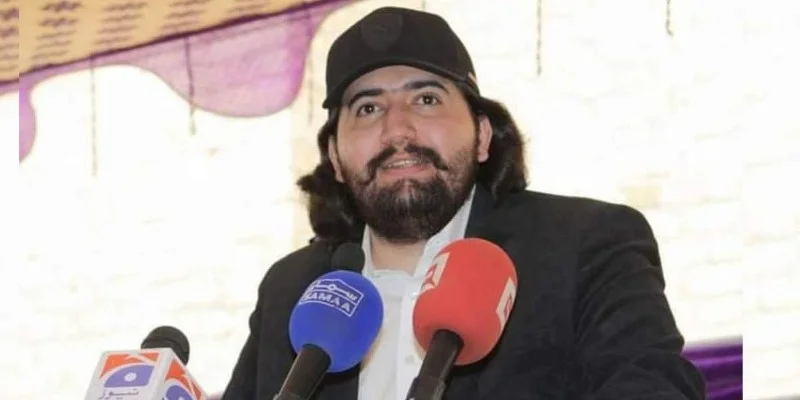
Heir to Khan of Kalat, Prince Muhammad Khan, Abducted With Three Companions in Balochistan
Prince Muhammad Khan, the eldest son and heir apparent of Khan of Kalat Mir Suleman Dawood, has allegedly been abducted along with his driver and two personal security guards while travelling from Khuzdar to Kalat. Authorities are investigating the incident and efforts to recover the four men are underway.
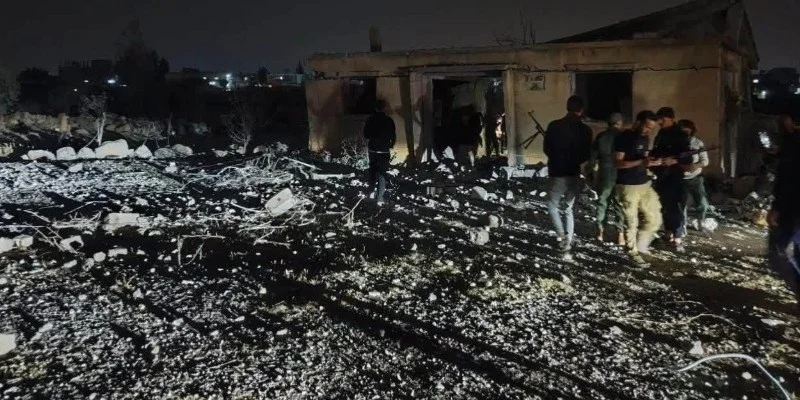
Syrian Government Says Jordanian Airstrikes Killed Seven Civilians in Southern Syria
Syria says Jordanian airstrikes in Daraa province killed seven civilians, including three children and a woman, and injured three others. Jordan maintains that the operation targeted terrorist hideouts linked to the deadly church attack in Karak, while Damascus says the strikes were carried out without prior coordination.
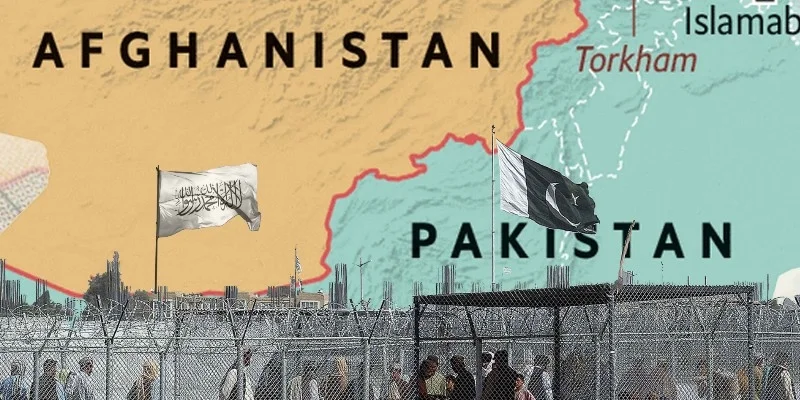
Pakistan Rejects Afghan Taliban’s Civilian Casualty Claims, Reaffirms Right to Self-Defence
Pakistan has rejected Afghan Taliban allegations that its cross-border operations killed or injured 1,119 Afghan civilians since 2022, calling the claims baseless. Islamabad says terrorist attacks originating from Afghanistan have caused more than 3,500 casualties in Pakistan this year and insists its operations target terrorist networks and their logistical bases.
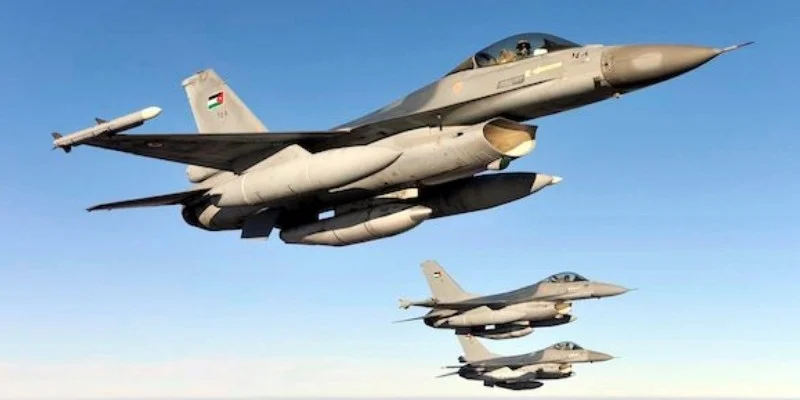
Jordanian Airstrikes Target Suspected Terrorist Sites in Southern Syria After Church Attack
Jordanian Air Force Strikes Suspected Terrorist Sites in Southern Syria After Church Attack Jordan says its Royal Air Force struck suspected terrorist positions in southern Syria in retaliation for a church attack in Karak that killed nine people and injured nearly 40. Separately, Syrian state television reported that an international coalition strike killed Abu Abdul Rahman al-Libi, described in subsequent reports as a former commander of al-Qaeda-linked Hurras al-Din.