
Jordanian Airstrikes Target Suspected Terrorist Sites in Southern Syria After Church Attack
· 152 views
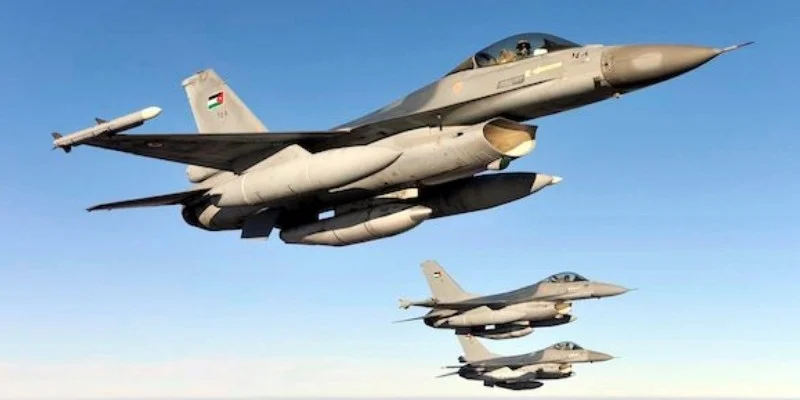
AMMAN (Terror Monitor) — Jordan’s Royal Air Force carried out airstrikes against suspected terrorist group positions in southern Syria on Monday in what the Jordanian military described as a retaliatory operation following a deadly attack on a church in the kingdom’s southern Karak province.
The Jordanian military said the operation, named “Jordanian Deterrence – Hammoud,” targeted several locations associated with groups it identified as terrorist organizations. According to the military, the operation was coordinated with Damascus, although further details about the coordination were not immediately disclosed.
The strikes were intended to target individuals and facilities allegedly connected to the church attack in the village of Hammoud, where three armed men reportedly attacked a church, killing nine people and injuring nearly 40 others.
In a statement, the Jordanian military said Royal Air Force fighter jets destroyed several terrorist positions during the operation. It added that multiple militants were killed or wounded and several vehicles belonging to the targeted groups were destroyed.
The military said the operation was named after Hammoud, the village where the church attack took place, as a direct reference to the victims of the assault.
Jordanian authorities described the operation as a security response to the attack, asserting that those involved had links to terrorist organizations. However, further independently verified information about the identities of the alleged perpetrators, the groups to which they belonged and the full extent of the damage caused by the airstrikes was not immediately available.
Separate Strike Reported on Damascus–Homs Highway
Separately, Syrian state television reported that an international coalition strike targeted a vehicle on the Damascus–Homs highway, killing a man identified as Abu Abdul Rahman al-Libi.
Initial reports identified al-Libi as an Islamic State (ISIS) operative. Subsequent reports, however, described him as a former commander of Hurras al-Din, an al-Qaeda-linked militant organization that operated in Syria.
The circumstances of the strike, including the identity of the aircraft involved and the precise affiliation of the individual killed, had not been independently confirmed.
Reports circulating online suggested that the vehicle may have been struck with an AGM-114R9X Hellfire missile, commonly known as the “Ninja” missile. The weapon is designed to strike targets using deployable metal blades rather than a conventional explosive warhead, reducing the potential for blast damage to surrounding areas.
Other accounts placed the vehicle strike on the road between Homs and Hassia. Images shared following the incident appeared to show a burning vehicle and possible missile debris, but the weapon used and the operational details remained unverified.
It was not immediately clear whether the reported coalition strike was connected to Jordan’s operation in southern Syria or represented a separate counterterrorism action.
Regional Counterterrorism Operations
The two reported incidents highlight continuing counterterrorism activity in Syria, where Islamic State remnants and al-Qaeda-linked factions have remained security concerns despite years of military operations against militant organizations.
Jordan has repeatedly expressed concern over threats originating from southern Syria, including cross-border arms and drug smuggling and the presence of armed groups near its frontier. Amman has previously conducted military operations against targets it considers a threat to Jordanian national security.
The reported church attack in Karak has added a new dimension to those concerns, with Jordanian authorities linking their latest operation to the alleged affiliations of the attackers.
The reported airstrikes also underscore the complex security environment in Syria, where Syrian government forces, international coalition forces and regional militaries have conducted operations against different armed groups.
Further details are expected to clarify the results of Jordan’s operation, the identities of those targeted and whether the reported strike against al-Libi formed part of a broader campaign against ISIS and al-Qaeda-linked organizations.
Related Articles
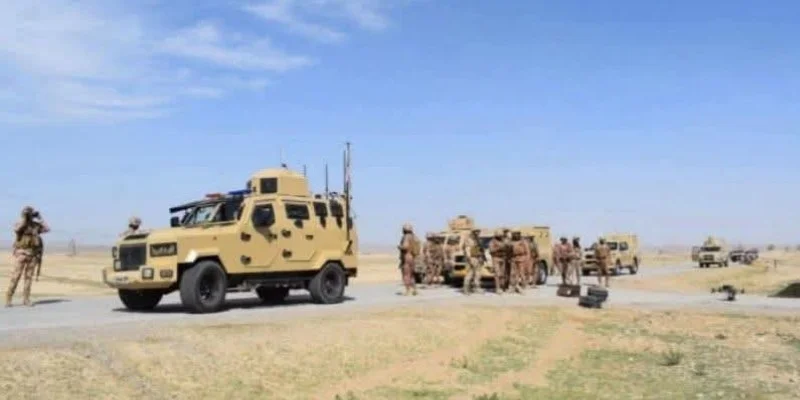
Pakistan Security Forces Kill Wanted TTP Commander Adil Shah in Balochistan Operation
Pakistani security forces killed highly wanted TTP commander Adil Shah, alias Darvesh, during an intelligence-based operation in Qila Saifullah district of Balochistan. Security sources said he managed the group’s finances, facilitated accommodation for militants and was allegedly involved in attacks on security forces and kidnappings for ransom.
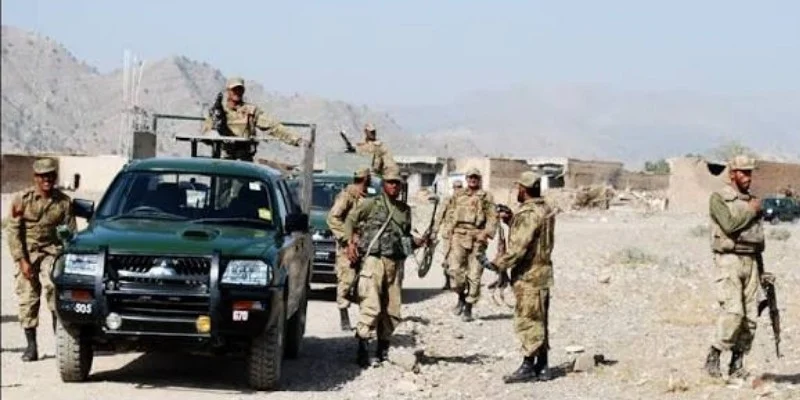
Six TTP Terrorists Killed, Two Pakistani Soldiers Killed in Dera Ismail Khan Operation
Pakistani security forces killed six TTP terrorists during an intelligence-based operation in Dera Ismail Khan, Khyber Pakhtunkhwa, while two soldiers, Naik Ghulam Murtaza and Sepoy Taseer Ahmed, were killed in an intense exchange of fire. The banned TTP claimed responsibility for the incident, as clearance operations continued in the area.

Pakistan Rejects Zalmay Khalilzad’s Allegations of Arming Afghans to Fight Taliban
Pakistan has rejected Zalmay Khalilzad’s allegations that it is arming and recruiting Afghans for fighting against the Taliban and anti-Pakistan armed groups, calling the claims baseless and misleading.

UK Teenager Jailed for Providing Cybersecurity and Cryptocurrency Support to al-Qaeda and TTP
An 18-year-old man in the UK has been jailed for four years and two months for providing cybersecurity and cryptocurrency assistance to al-Qaeda and the Pakistani Taliban (TTP).