
Iran Did Not Start the Recent War, President Pezeshkian Says
· 46 views
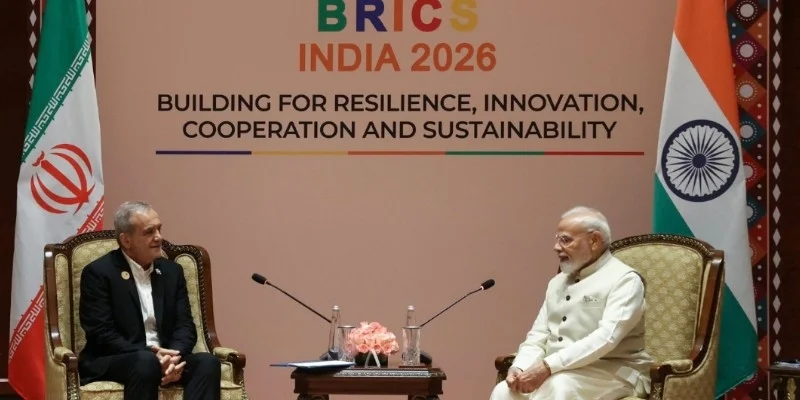
New Delhi (Terror Monitor) — Iranian President Masoud Pezeshkian has said Iran did not initiate the recent war and was instead forced to defend itself against what he described as aggression by the United States and Israel.
According to Iran’s official IRNA news agency, Pezeshkian made the remarks in an interview with India Today, in which he accused the United States and Israel of violating international law and humanitarian principles through their military attacks on Iran.
The Iranian president said that despite the attacks, the Iranian people had become more united and determined to defend the country.
Pezeshkian also rejected American and Israeli objections to Iran’s nuclear program, insisting that Tehran was not seeking to acquire nuclear weapons.
He said Iran’s nuclear facilities had been subject to extensive monitoring and argued that the country’s nuclear activities should not be portrayed as an effort to develop nuclear weapons.
Ceasefire and Negotiations
Discussing the circumstances surrounding the ceasefire, Pezeshkian accused the United States and Israel of attacking Iran while negotiations were underway.
He said Tehran had been close to reaching an agreement when the attacks took place. According to the Iranian president, Iran subsequently agreed to a framework for resolving the dispute, but U.S. President Donald Trump rejected it.
Pezeshkian portrayed the episode as evidence that Iran had been seeking a diplomatic solution while facing continued military pressure from Washington and Tel Aviv.
Criticism of U.S. Sanctions
The Iranian president also criticized U.S. sanctions against Iran, accusing Washington of targeting the country’s infrastructure and obstructing imports of food and medicine.
Pezeshkian said such measures were inconsistent with U.S. claims regarding human rights and humanitarian principles.
He argued that economic restrictions had placed additional pressure on the Iranian population and said the United States should not present itself as a defender of human rights while imposing measures that, according to Tehran, affect ordinary civilians.
Iran-India Relations
Turning to relations with India, Pezeshkian highlighted the longstanding historical and cultural ties between the two countries.
He said Iranian and Indian officials had discussed opportunities to expand bilateral trade and investment, including cooperation involving the strategically important Chabahar Port in southeastern Iran.
The Iranian president indicated that Tehran viewed India as an important regional economic partner and said the two countries could further expand cooperation in transportation, trade and investment.
Relations With Regional Powers
Pezeshkian also described Iran’s relations with neighboring and regional countries, including the United Arab Emirates, Saudi Arabia, Pakistan, Qatar, Russia and China, as friendly.
He argued that the presence of U.S. military bases in the region represented one of the fundamental sources of instability and tension.
According to Pezeshkian, regional countries should strengthen cooperation among themselves rather than relying on outside military powers.
Iran's Position on BRICS
Speaking about BRICS, Pezeshkian said the grouping was intended to challenge what he described as U.S. dominance in the international system.
He said BRICS could promote greater economic cooperation among its members by facilitating free trade and expanding mutual economic relations.
The Iranian president's comments come amid heightened tensions between Tehran and Washington and continued disputes over Iran's nuclear program, regional security and the role of U.S. military forces in the Middle East. Tehran continues to maintain that its nuclear program is peaceful, while the United States and Israel have repeatedly raised concerns over Iran's nuclear capabilities and regional activities.
Related Articles
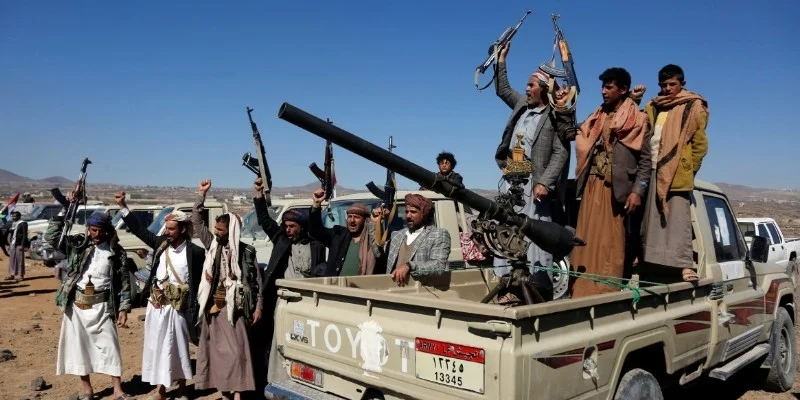
Houthis Claim Saudi Arabia Carried Out Airstrikes on Taiz and Saada
The Iran-backed Houthis claim Saudi warplanes carried out airstrikes on Houthi-held areas in Taiz and Saada, while also reporting artillery fire near the northern border. The claims come amid escalating fighting, threats to Saudi oil infrastructure and a rapidly worsening displacement crisis in Yemen.
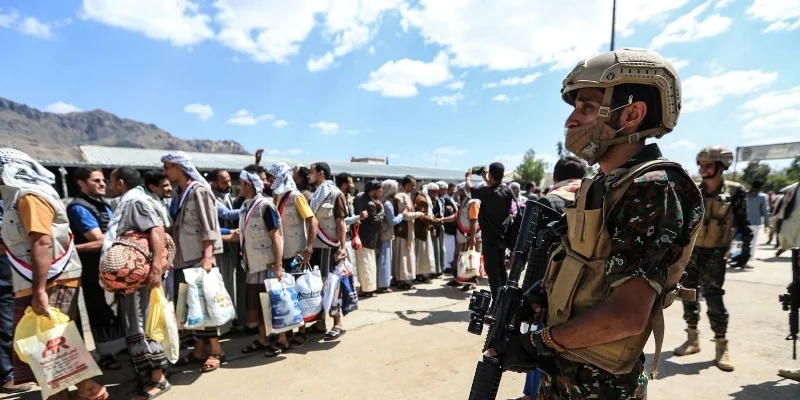
76,000 Displaced in Yemen Since Houthi Maritime Blockade Announcement, UN Says
Around 76,000 people have been displaced across Yemen since the Houthis announced a maritime blockade against Saudi Arabia in July, according to the UN. The IOM says displacement has surged fourfold in the past week, with Taiz province accounting for nearly 50,000 displaced people amid intensifying fighting.
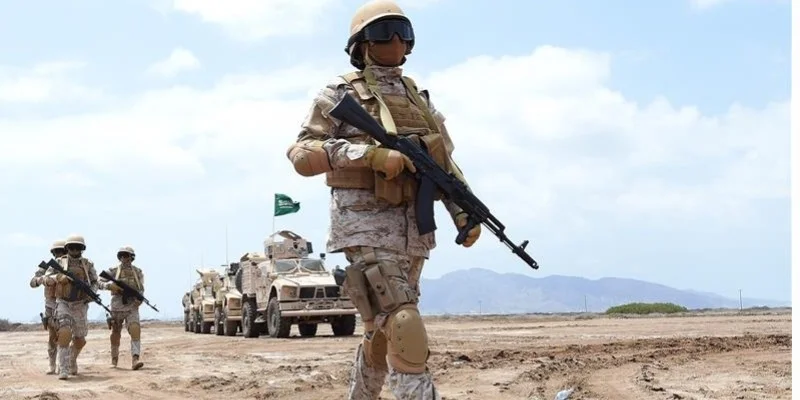
Saudi Arabia Warns Residents in Two Border Areas of Possible Attacks
Saudi Arabia has warned residents in areas near Abha and Khamis Mushait of possible attacks amid escalating fighting between Iran-backed Houthis and Saudi-backed Yemeni government forces. The warning was later withdrawn, as tensions intensified along the Yemen-Saudi border and around the strategic Bab al-Mandab Strait.
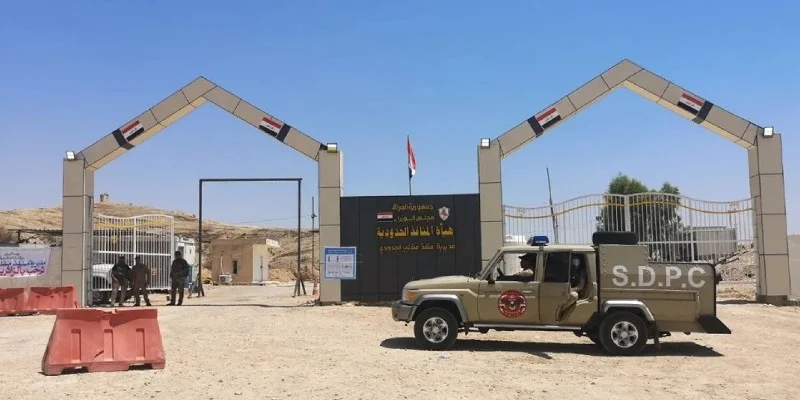
Saudi Oil Pipeline Hit by Drones, Iraq Shuts Iran Border Crossings
Iraq has confirmed that a drone attack targeting Saudi Arabia’s major East-West oil pipeline was launched from Maysan province, prompting Baghdad to remove a military commander and launch an investigation. Saudi Arabia has temporarily shut the pipeline, while pressure mounts on Iraq to act against Iranian-backed militias.