
Pakistan Rejects Zalmay Khalilzad’s Allegations of Arming Afghans to Fight Taliban
· 47 views

ISLAMABAD (Terror Monitor) — Pakistan has rejected allegations by former US special representative for Afghanistan Zalmay Khalilzad that the Pakistani military is arming Afghan nationals to fight the Taliban and recruiting Afghans to combat anti-Pakistan armed groups, describing the claims as baseless, misleading and unsubstantiated.
In a statement posted on social media platform X on Saturday, October 24, the Fact Check account of Pakistan’s Ministry of Information and Broadcasting said Khalilzad’s allegations relied on speculative narratives and reflected what it described as a personal agenda to support the Afghan Taliban government.
The ministry said it was misleading to link Pakistan’s counterterrorism operations against armed groups operating from areas under the control of Afghanistan’s Taliban administration with allegations that Islamabad was recruiting Afghan nationals or sponsoring armed groups inside Afghanistan.
“Pakistan categorically rejects the baseless and misleading allegations by Khalilzad of arming Afghans to fight the Taliban and their supporter terrorist groups,” the ministry said in its statement.
The response came a day after Khalilzad, who served as the US special representative for Afghanistan reconciliation during the first administration of President Donald Trump, raised the allegations in a post on X.
Khalilzad Warns of Further Deterioration in Pakistan-Afghanistan Relations
On October 23, Khalilzad said reports had circulated suggesting that Pakistan was arming Afghans to fight the Taliban inside Afghanistan. He also referred to reports alleging that the Pakistani military was recruiting Afghan nationals to fight armed groups hostile to Pakistan.
Khalilzad did not publicly provide supporting evidence for the allegations or identify the sources of the reports cited in his post.
He warned that the alleged developments could further deteriorate relations between Pakistan and Afghanistan, which have been strained by cross-border attacks, militant activity and disagreements over security responsibilities.
Islamabad has repeatedly accused the Afghan Taliban administration of allowing militant groups, particularly the Tehreek-e-Taliban Pakistan (TTP), to operate from Afghan territory and launch attacks inside Pakistan. Kabul has denied responsibility for Pakistan’s security problems and rejected allegations that it supports anti-Pakistan armed groups.
Khalilzad’s latest remarks have added to the public dispute over the origins of militant violence and the security policies pursued by Islamabad and Kabul.
Pakistan Cites Counterterrorism Operations and UN Reports
In its response, Pakistan’s Ministry of Information and Broadcasting maintained that its military operations were directed against armed groups it considers a threat to the country’s security, rather than against Afghan citizens.
The ministry said Pakistan had remained at the forefront of international efforts to combat terrorism and had made significant sacrifices in protecting regional peace and security.
It also cited successive United Nations monitoring reports documenting the presence and activities of terrorist organisations, including the TTP and al-Qaeda, in Afghanistan.
According to the ministry, these reports support Pakistan’s longstanding concerns about militant organisations operating from Afghan territory.
The ministry argued that allegations about Pakistan recruiting Afghan nationals or supporting armed groups inside Afghanistan should not be conflated with its operations against organisations it says are responsible for attacks on Pakistani territory.
It further accused Khalilzad of diverting attention from the Afghan Taliban government’s responsibility to prevent Afghanistan’s territory from being used to plan or carry out terrorist attacks against Pakistan.
The ministry said the former US diplomat’s repetition of unsubstantiated allegations reflected what it described as a biased, agenda-driven position. These characterisations represent the Pakistani government’s assessment of Khalilzad’s remarks.
Dispute Over Militant Sanctuaries Deepens
The latest exchange comes amid deteriorating security relations between Pakistan and Afghanistan, with Islamabad repeatedly demanding verifiable action against militant organisations it says are operating from Afghan territory.
Pakistan has particularly raised concerns about the TTP, which has intensified attacks against Pakistani security forces and other targets in recent years. Although the TTP is separate from Afghanistan’s ruling Taliban, the two groups have longstanding ideological and organisational links.
Pakistani officials have also raised concerns about the presence of other armed organisations in Afghanistan, including the Balochistan-based Baloch Liberation Army (BLA).
The Afghan Taliban government has repeatedly denied allowing Afghan territory to be used for attacks against neighbouring countries and has accused Pakistan of blaming Afghanistan for its internal security challenges.
The competing allegations have complicated efforts to improve bilateral relations, with border security, militant sanctuaries and cross-border military operations remaining major sources of tension.
Pakistan maintains that its security operations are necessary to protect its citizens from armed groups operating near the Afghan border. Kabul, meanwhile, disputes Islamabad’s accusations and has called for Pakistan to address its security challenges without attributing responsibility to Afghanistan.
Regional Security Implications
The allegations raised by Khalilzad and Pakistan’s subsequent rejection highlight the growing dispute over whether Afghan nationals are being recruited or armed for operations against different groups in the region.
While Khalilzad warned that the reported activities could further damage relations between Islamabad and Kabul, Pakistan has insisted that its operations are aimed at countering terrorist threats and should not be interpreted as support for armed groups inside Afghanistan.
Neither the allegations about Pakistan arming Afghan nationals nor those concerning the recruitment of Afghans to fight anti-Pakistan armed groups were substantiated in Khalilzad’s public post.
The exchange underscores the lack of trust between Pakistan and Afghanistan at a time when militant violence, border tensions and disagreements over responsibility for cross-border attacks continue to threaten regional stability.
Related Articles
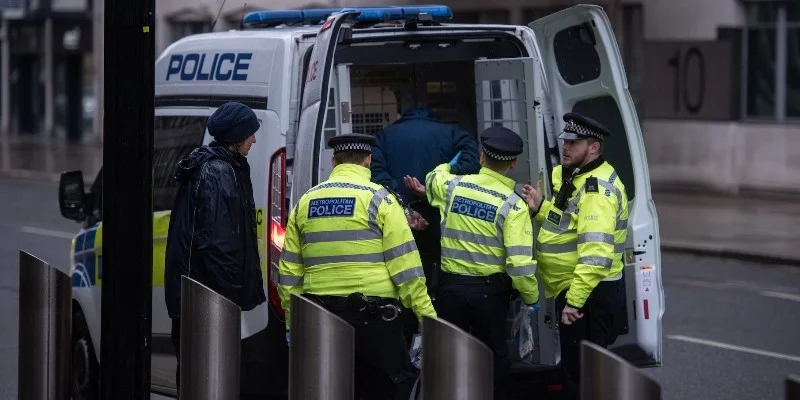
UK Teenager Jailed for Providing Cybersecurity and Cryptocurrency Support to al-Qaeda and TTP
An 18-year-old man in the UK has been jailed for four years and two months for providing cybersecurity and cryptocurrency assistance to al-Qaeda and the Pakistani Taliban (TTP).
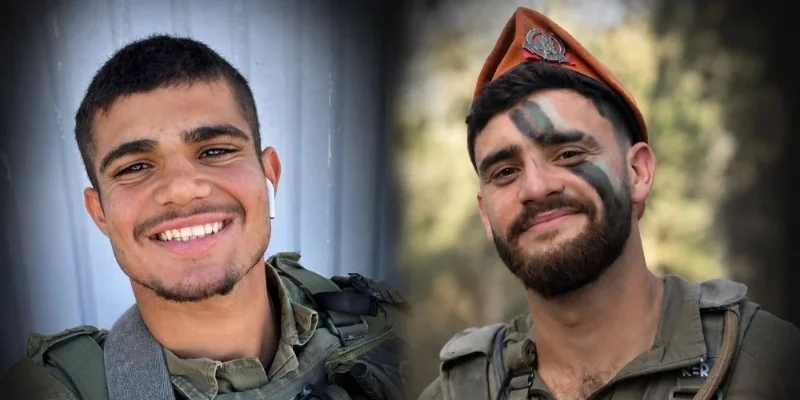
Netanyahu Threatens Major West Bank Operation After After Two Israeli Soldiers Killed Near Hebron
Israeli Prime Minister Benjamin Netanyahu threatens an unprecedented military operation in the occupied West Bank after two Israeli soldiers were killed and three wounded near Hebron.
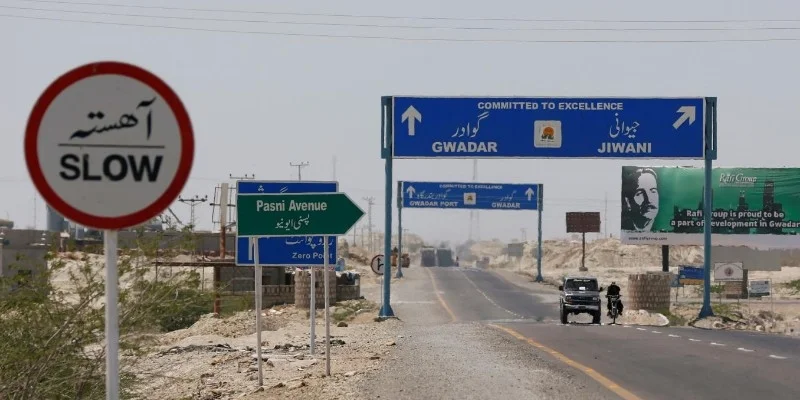
10 Militants, Including a Suicide Bomber, Killed After Three Attacks in Pakistan’s Gwadar
Pakistan’s military says 10 militants were killed in operations following attacks at three locations in Gwadar. The BLF claimed responsibility and named seven members allegedly killed in clashes with security forces.
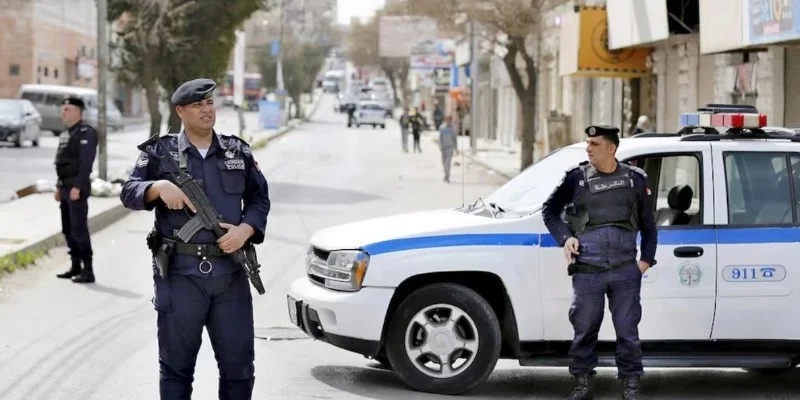
Seven Killed, 34 Injured in Church Shooting by Unknown Armed Terrorists in Jordan
At least seven people were killed and 34 injured in a shooting during a funeral at a church in southern Jordan. King Abdullah II condemned the attack and vowed to punish those responsible as security forces launched a manhunt.