
NATO Allies to Discuss Future of US Troop Presence in Europe as Pentagon Reviews Deployment
· 64 views
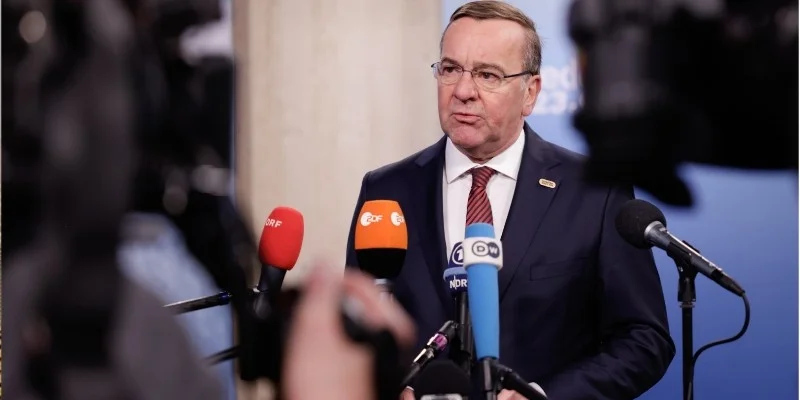
Brussels (Terror Monitor) — European allies in NATO are holding talks with Pentagon policy chief Elbridge Colby in Brussels on Tuesday over the future deployment of American troops in Europe, as Washington reviews its military presence on the continent amid growing pressure on European governments to assume greater responsibility for their own defence.
German Defence Minister Boris Pistorius said the discussions would focus on the implications of the Pentagon’s ongoing review of US troop levels and the need to prevent potential gaps in Europe’s military capabilities if Washington decides to reduce its forces.
Speaking ahead of a meeting of European Union defence ministers in Brussels, Pistorius said European governments expected changes to the number and deployment of American troops but had not yet received concrete details from Washington.
“We expect changes in troop levels, but we don't know anything concrete yet,” Pistorius said, according to Reuters.
He stressed that European allies needed to maintain open discussions with the Trump administration to ensure that any adjustment to the American military presence did not create dangerous gaps in the continent’s defence arrangements.
The talks with Colby, who serves as the Pentagon’s policy chief, come as the US Department of Defense conducts a review of American military deployments worldwide, including its forces stationed across Europe.
Pentagon review raises questions over US military presence
The Pentagon’s review follows growing demands from President Donald Trump’s administration that European NATO members increase defence spending and take greater responsibility for their security.
US Defence Secretary Pete Hegseth announced the six-month review in June, with the aim of assessing how American forces should be distributed to meet Washington’s global military priorities.
The review has fuelled speculation that the United States could reduce some of its military presence in Europe or redirect forces towards other strategic regions, particularly the Indo-Pacific.
According to Reuters, the United States currently has approximately 80,000 troops stationed across Europe, including around 35,000 in Germany.
Officials have discussed the possibility that a US Army brigade, or approximately 5,000 troops, could be relocated from Germany to Asia or NATO’s eastern flank, although no final decision has been announced.
Pistorius said a shift in American military priorities towards the Indo-Pacific was likely regardless of who occupies the White House, making it important for European governments to prepare for changes in the US force posture.
He argued that discussions with Washington were necessary to coordinate any future adjustments and ensure that European countries could maintain the military capabilities required to defend the continent.
Germany and Norway announce new Ukraine weapons package
Alongside discussions about NATO’s future military posture, Pistorius announced that Germany and Norway would jointly finance another package of American weapons for Ukraine, with a particular focus on strengthening Kyiv’s air defence capabilities.
Germany will contribute $300 million, approximately €272 million, to the latest package under NATO’s Prioritised Ukraine Requirements List (PURL) initiative, which enables European allies to finance the purchase of US-made weapons for Ukraine.
The package will primarily include PAC-2 and PAC-3 interceptor missiles for Patriot air defence systems, which Ukraine needs to protect its cities and critical infrastructure against Russian missile attacks.
Pistorius said the new contribution marked Germany’s fifth participation in the PURL initiative.
He stressed that the additional military assistance was urgently needed as Russia intensified its aerial attacks against Ukrainian cities and infrastructure ahead of winter.
“Russia is intensifying its aerial attacks because it is failing to make progress on the battlefield,” Pistorius said, according to Anadolu Agency.
The German defence minister said the package would also complement previously announced deliveries of IRIS-T air defence systems and missiles.
Berlin is also working to integrate IRIS-T missiles into NASAMS air defence systems supplied to Ukraine by Norway.
In addition, Germany plans to provide Ukraine with further radar systems for monitoring its airspace, ammunition for F-16 fighter jets and drones.
Ukraine faces growing pressure on air defences
The latest military assistance comes as Ukraine continues to face repeated Russian missile and drone attacks, particularly against energy infrastructure and civilian facilities.
Kyiv has repeatedly appealed to its Western partners for additional air defence interceptors, especially missiles for the US-made Patriot systems, which are among the few systems capable of intercepting Russian ballistic missiles.
Germany has previously transferred Patriot equipment and missiles to Ukraine but has warned that its own military stockpiles are under pressure and that it cannot continue supplying additional systems without affecting its national defence capabilities.
The new package is therefore focused largely on purchasing additional US-made weapons rather than transferring more German Patriot launchers.
According to reporting by the Associated Press, carried by Euronews, Germany and Norway’s latest initiative is intended to help Ukraine obtain urgently needed Patriot missiles as Russia increases attacks on Ukrainian cities and infrastructure.
NATO has said that allied countries have collectively spent more than $10 billion on American weapons for Ukraine through the PURL mechanism and other procurement arrangements, according to the figures cited in the reports.
European allies seek greater coordination with Washington
The Brussels discussions reflect broader concerns among European NATO members about the long-term implications of a possible reduction in American military commitments to Europe.
Although Washington has not announced a final decision on troop withdrawals, European governments are seeking clarity on how any changes could affect NATO’s deterrence posture, particularly along the alliance’s eastern borders.
For Germany and other European allies, the challenge is to increase their own defence capabilities while ensuring that any adjustment to the American military presence does not leave critical gaps in NATO’s collective security arrangements.
The talks with Colby are expected to provide European officials with a clearer understanding of Washington’s strategic priorities as the Pentagon moves towards completing its review of US military deployments.
Related Articles
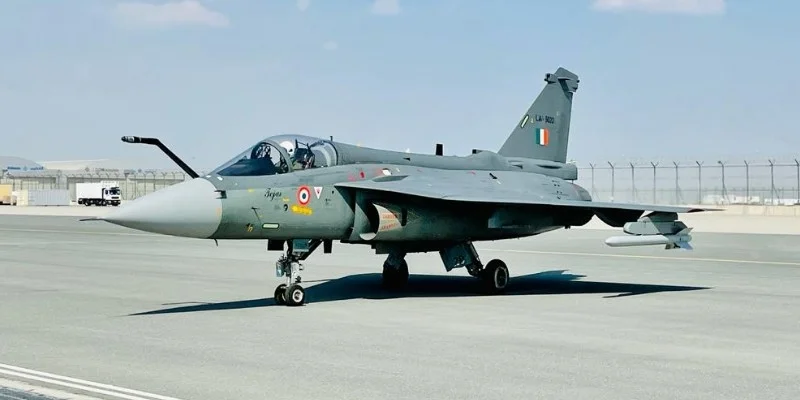
India to induct first Tejas Mk1A fighter squadron by March 2027, Air Force chief says
India's Air Force chief says the long-delayed indigenous Tejas Mk1A fighter jet will enter service with a full squadron by March 2027, as New Delhi seeks to address a shortage of combat aircraft and modernise its ageing fighter fleet.
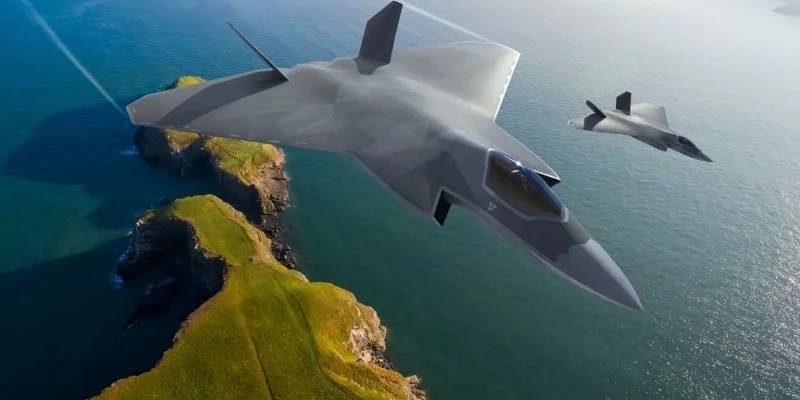
Italy Backs Germany’s Participation in Next-Generation Fighter Jet Programme
Italy has reaffirmed its support for Germany joining the UK-Italy-Japan Global Combat Air Programme (GCAP), rejecting reports that Rome sought to block Berlin’s participation. Italy said its proposal for initial observer status was intended to accelerate Germany’s path to full membership while protecting the programme’s development schedule and its target of delivering a next-generation fighter by 2035.
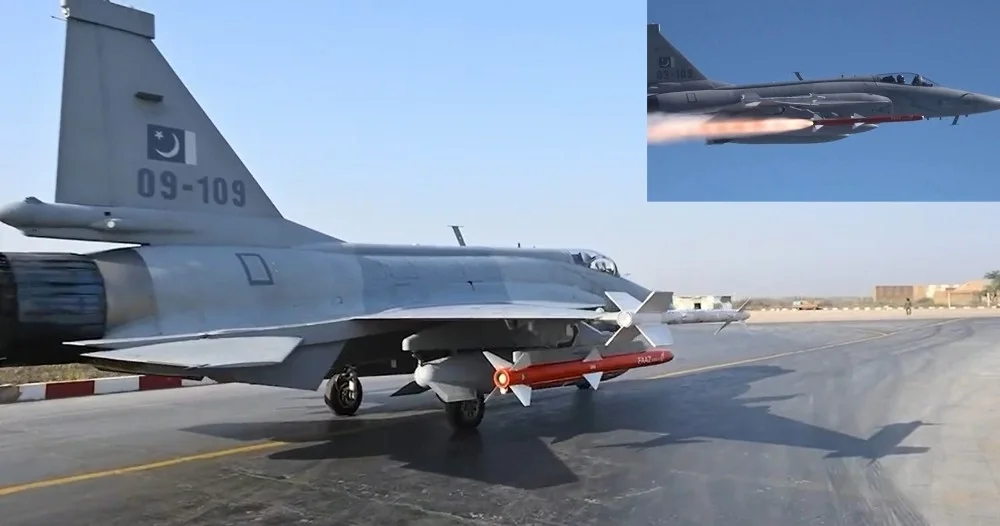
Pakistan Successfully Tests First Indigenous FAZ Air-to-Air Missile: ISPR
Pakistan has successfully tested its first indigenously developed FAZ air-to-air missile, with the ISPR saying the advanced weapon will enhance the Pakistan Air Force's operational capabilities and strengthen the country's defense posture.
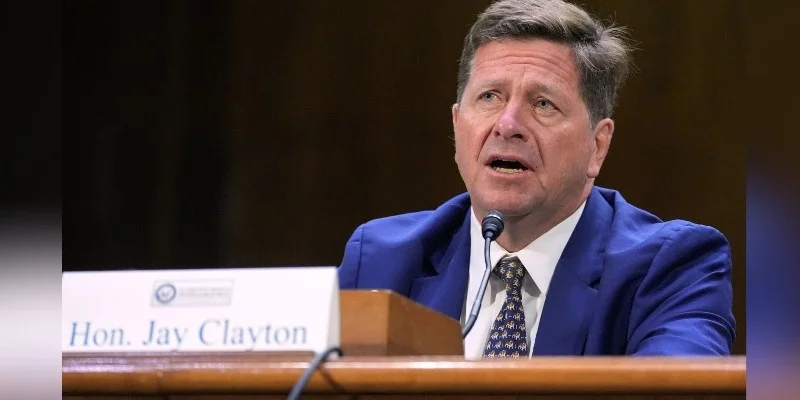
US Intelligence Chief Warns Iran Has Intensified Plots Against Americans Abroad
US intelligence chief Jay Clayton has warned that Iran has significantly intensified efforts to target American personnel in the Middle East and other countries. In a memo to Secretary of State Marco Rubio, Clayton said alleged lethal plots had reached advanced stages. The warning comes as Washington orders nonessential diplomatic personnel to leave Saudi Arabia amid growing concerns over Iranian threats and Houthi attacks across the region.