
US Intelligence Chief Warns Iran Has Intensified Plots Against Americans Abroad
· 91 views
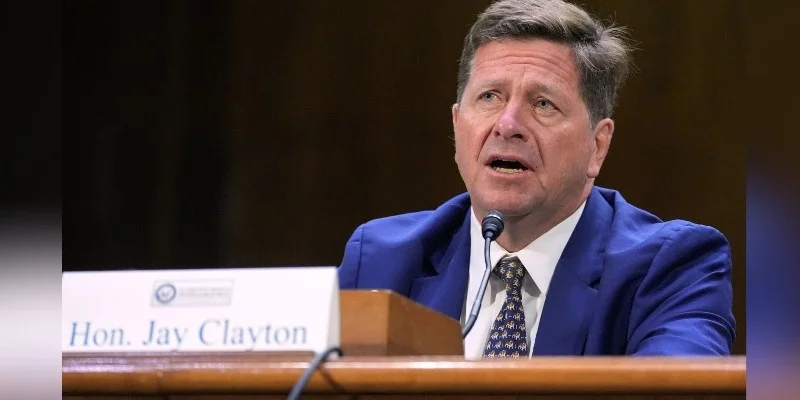
Washington, D.C. (Terror Monitor) — US Director of National Intelligence Jay Clayton has warned that Iran has substantially increased efforts to target American personnel overseas, with alleged lethal plots against US citizens reaching advanced stages in the Middle East and certain other countries, according to an intelligence memo sent to Secretary of State Marco Rubio.
The warning, dated Friday, October 23, comes as Washington reassesses security arrangements at its diplomatic missions across the Middle East amid escalating regional hostilities, attacks attributed to Iran-backed Houthi forces and concerns about potential Iranian operations against American officials.
In the memo, Clayton said US intelligence agencies had received information through multiple channels indicating that Iran had significantly intensified efforts to target US personnel.
“The lethal plotting efforts by the Iranians against US citizens have reached advanced stages in both the Middle East and certain other countries,” Clayton wrote, according to Reuters and CBS News, which reviewed accounts of the document.
Clayton said he was working to declassify as much of the intelligence as possible so Rubio could share the information more widely with State Department personnel who might face potential threats.
CIA Director John Ratcliffe was also copied on the memo, according to US media reports.
The document does not identify specific intended targets, name the countries outside the Middle East where the alleged plots are taking place, or provide details about the methods involved. It also does not establish that an attack is imminent.
US Orders Nonessential Personnel to Leave Saudi Arabia
The intelligence warning comes days after the US State Department ordered nonessential government personnel and their family members to leave American diplomatic missions in Saudi Arabia because of deteriorating security conditions.
The order affected the US Embassy in Riyadh and consulates in Jeddah and Dhahran. The missions had already been operating under heightened security restrictions following attacks against American facilities and regional infrastructure during the wider conflict.
A US official said Washington was continually assessing new intelligence and reviewing staffing levels at diplomatic posts to protect American personnel.
“The threat of Houthi attacks and of Iranian terror plots targeting US officials are informing our decisions on staffing adjustments for embassies on RO Status in the region,” the official said, according to reports by Reuters and CBS News.
The State Department has also reduced staffing at several other diplomatic missions in the region, including those in the United Arab Emirates, Lebanon, Qatar and Jordan, according to US media reports.
The measures do not necessarily mean that all diplomatic operations have been suspended. Under the department’s restricted-operations arrangements, missions can reduce staffing and services in response to security threats without formally ordering all personnel to leave.
The department has also updated travel advisories for several countries in the Middle East and Gulf region, warning American citizens about the risks associated with missile and drone attacks, armed conflict and threats against US interests.
Houthi Attacks Add to Regional Security Concerns
The intelligence warning has emerged amid a reported increase in attacks by Yemen’s Iran-backed Houthi movement against Saudi Arabia, including strikes affecting civilian aviation and other critical infrastructure.
Saudi authorities have reported casualties from attacks on airports and other locations since the beginning of October. The incidents have caused deaths and injuries, disrupted air travel and heightened concerns about the vulnerability of civilian infrastructure.
A particularly deadly missile attack on Riyadh’s King Khalid International Airport on October 10 reportedly killed 13 people and injured hundreds, according to figures cited in regional reporting. The attack was described in reports as one of the deadliest incidents affecting Saudi Arabia in more than a decade.
Other attacks have reportedly affected airports and energy facilities, further complicating the security situation across the kingdom.
The precise overall casualty toll from the various incidents should be treated cautiously because figures may differ depending on the incidents included and subsequent updates from Saudi authorities.
The Houthi threat has become a significant factor in Washington’s assessment of security risks to American personnel and facilities. US officials are concerned that the group could expand its attacks beyond Saudi Arabia to other countries in the region.
Although the Houthis and Iran maintain close political and military ties, responsibility for individual attacks and the degree of direct Iranian involvement must be assessed on the basis of available evidence.
Houthis Cite Saudi Restrictions and Airstrikes
The Houthis have said their attacks against Saudi Arabia are retaliation for restrictions imposed on ports and airports in areas under their control, as well as an airstrike on Sanaa International Airport that the group has blamed on Saudi Arabia.
The group has repeatedly framed its military operations as responses to actions by Saudi Arabia and its allies. Saudi authorities and other parties have raised concerns about attacks on civilian infrastructure and the threat posed to residents and international travel.
The competing claims come against the backdrop of a broader regional conflict involving Iran, the United States and Israel, with hostilities extending to other countries and threatening commercial shipping and critical infrastructure.
The United States has accused Iran of supporting armed groups across the region, including the Houthis in Yemen. Tehran's relationships with these groups have remained a central issue in regional security disputes.
Washington Seeks Wider Distribution of Intelligence
Clayton’s memo also highlighted a concern within the US intelligence community that information about potential threats may need to reach a broader group of American personnel.
The intelligence chief said he was seeking to reduce the classification level of sensitive information wherever possible, allowing Rubio to share relevant details with State Department employees who may not currently have authorization to access the underlying intelligence.
The effort is intended to improve awareness among personnel potentially exposed to threats while maintaining necessary protections for sensitive intelligence sources and methods.
The warning reflects growing concern within the US administration about the security of American officials abroad as the regional conflict continues. However, the memo provides no public evidence establishing the details of the alleged plots or confirming that any particular operation is about to be carried out.
Diplomatic Security Amid a Wider Regional Conflict
The withdrawal of nonessential personnel from Saudi Arabia and staffing adjustments at other diplomatic missions demonstrate the precautions Washington is taking as it evaluates threats from Iran and Iran-aligned groups.
The measures could also affect consular services and other routine diplomatic activities, although individual missions may continue essential operations under restricted staffing arrangements.
For American officials, the immediate challenge is to balance the continued operation of diplomatic missions with the need to protect personnel against potential missile, drone and other security threats.
The latest warning comes as tensions over Iran's military activities, the role of regional armed groups and the possibility of further US military action remain unresolved.
For now, the central message of Clayton’s memo is that US intelligence agencies believe Iran has intensified efforts to target American personnel and that alleged lethal plotting has advanced significantly. Washington has responded by seeking to distribute threat information more widely and reviewing the security posture of its diplomatic missions.
The memo, however, does not publicly identify the alleged targets or establish when or where any potential attack might occur.
Related Articles

Russia Arrests German National Accused of Fighting for Ukraine as a Mercenary
Russia’s FSB has arrested a German national accused of fighting for Ukraine as a mercenary. Russian authorities claim he previously fought in Afghanistan and Syria and served as a sniper in Ukraine.
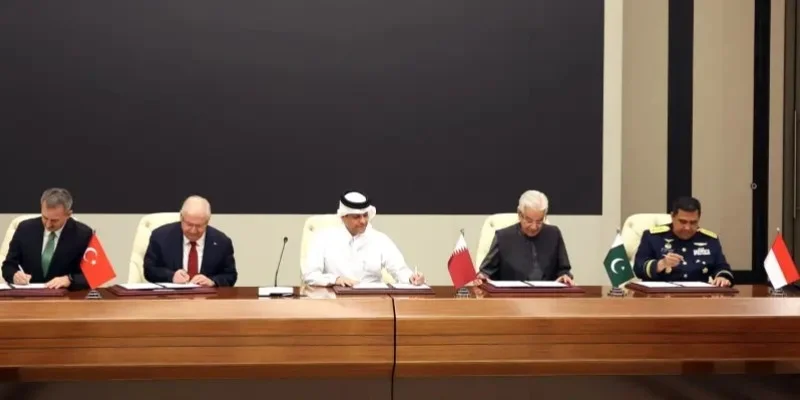
Turkey, Qatar, Pakistan and Indonesia Sign ‘Badr’ Defence Pact to Boost Military Production
Türkiye, Qatar, Pakistan and Indonesia have signed the Badr Memorandum of Understanding in Doha to strengthen defence industry cooperation, expand military production and promote collaboration in technology, training, research and development amid rising regional security concerns.
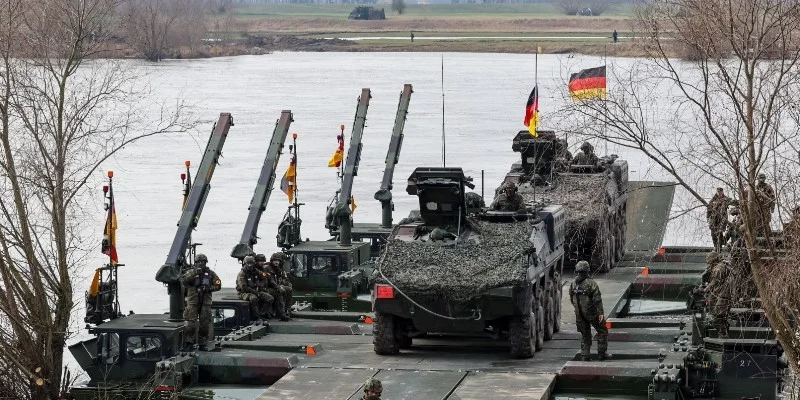
Germany Tests Secret NATO War Plan as Fears of Possible Russian Attack Grow
Germany is testing its classified NATO defense plan through military exercises simulating Russian threats, sabotage and troop movements. The plan envisages moving 800,000 soldiers and 200,000 military and support vehicles across Germany within six months during a major crisis.
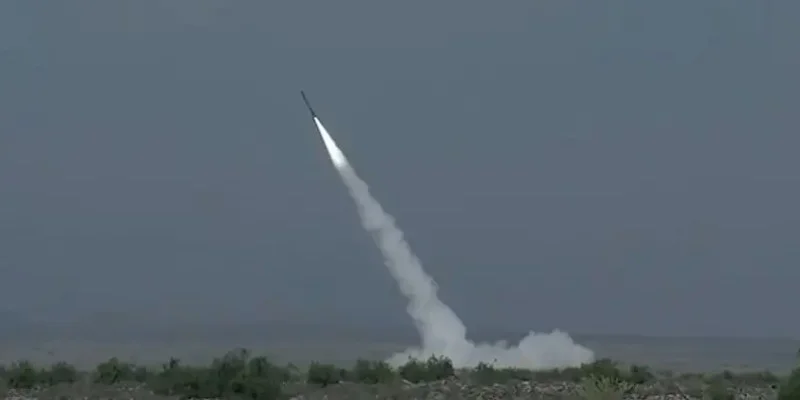
Pakistan Successfully Tests Fateh-II Hypersonic Ballistic Missile With Extended Range
Pakistan’s military has successfully tested the extended-range variant of its Fateh-II hypersonic ballistic missile, the ISPR announced Tuesday. The missile features advanced navigation and avionics systems, can change its trajectory during flight and is designed to strike designated targets with high precision, according to the military.