
Pakistan Vows Collective Military Response to Any Attack on Saudi Arabia Under Makkah Defence Alliance
· 66 views
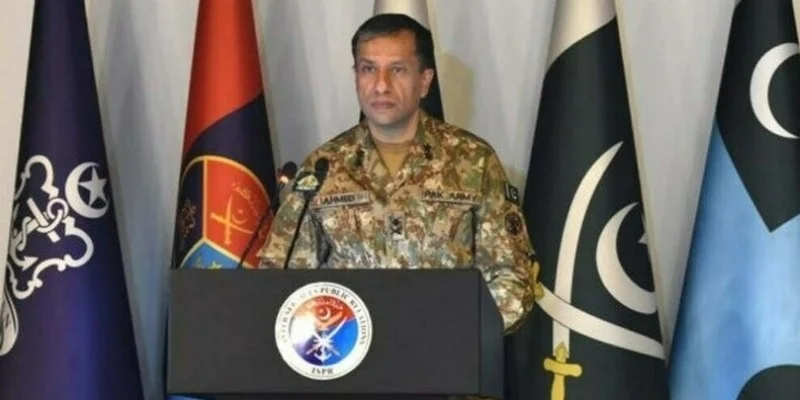
ISLAMABAD (Terror Monitor) — Pakistan has pledged to provide Saudi Arabia with all necessary military assistance to defend its sovereignty and territorial integrity, warning that any direct or indirect attack on a member of the Makkah Joint Defence Alliance could trigger a collective response from the participating countries.
Director General of Inter-Services Public Relations (ISPR), Lieutenant General Ahmed Sharif Chaudhry, made the remarks in an interview with Independent Arabia broadcast on Sunday, October 18, as Saudi Arabia faces escalating missile and drone attacks by Iranian-backed Houthi rebels in Yemen.
Chaudhry said Pakistan's commitment to Saudi Arabia's security was unequivocal, emphasising that the sovereignty of the kingdom, its territorial integrity and the protection of Islam's two holiest sites in Makkah and Madinah were paramount.
"Whatever support is needed to do that is being provided and will be provided," the military spokesman said, according to the interview reported by Anadolu Agency and Pakistani media outlets.
He declined to disclose the precise nature or extent of Pakistan's military assistance, explaining that countries involved in defence alliances do not publicly reveal all details of their security cooperation.
Any Attack Could Trigger a Collective Response
Warning Yemen's Iran-backed Houthi rebels against further attacks on Saudi Arabia, Chaudhry said the Makkah Joint Defence Alliance was established to strengthen collective deterrence and ensure that aggression against a member country would not be treated as an isolated incident.
He said an attack against any member of the alliance could prompt a joint response.
"If you directly or indirectly wage this war against any of these three countries, then the response will be collective," Chaudhry said, according to Pakistan Today.
The alliance brings together Pakistan, Saudi Arabia and Türkiye under a joint defence arrangement intended to strengthen regional security and deter attacks against its members.
Chaudhry described the arrangement as defensive in nature, stressing that it was not designed to pursue offensive military objectives.
The warning comes amid growing regional tensions following Houthi missile and drone attacks against Saudi cities and critical infrastructure, including airports and economic facilities.
Pakistan Says Military Assistance Is Already Being Provided
The ISPR director general confirmed that Pakistan was providing Saudi Arabia with the military support necessary to protect the kingdom against threats to its security.
He said the two countries had maintained close diplomatic, political and military relations for decades, adding that their defence cooperation predated the establishment of the Makkah alliance.
According to Pakistan's official broadcaster, Chaudhry said the alliance had made rapid progress, including the establishment of a general secretariat and a strategic political and defence committee.
He also indicated that the arrangement was already taking practical shape rather than remaining solely a diplomatic declaration.
Pakistan and Saudi Arabia have longstanding military ties, including defence cooperation and the presence of Pakistani military personnel in the kingdom. However, Chaudhry did not publicly specify the additional capabilities being provided under the new alliance or disclose details of any operational deployments directly related to the current Houthi attacks.
Pakistan May Consider Military Assistance to Yemen's Government
Asked whether Islamabad would provide direct military assistance to Yemen's internationally recognised government, Chaudhry said Pakistan would examine any formal request received from the Yemeni authorities.
He said he was unaware of whether a formal request for such assistance had already reached the Pakistani government.
Nevertheless, he made clear that Pakistan would assess any request through the appropriate channels and take a decision based on the circumstances.
The statement leaves open the possibility of a broader Pakistani role in the Yemen conflict, although it does not amount to a commitment to deploy forces or launch military operations against the Houthis inside Yemen.
Pakistan's potential involvement would also have to be considered alongside its existing defence commitments to Saudi Arabia and its stated position on Yemen's sovereignty and territorial integrity.
In a statement on October 16, Pakistan's Foreign Office said Islamabad supported Yemen's sovereignty, unity, territorial integrity and independence, maintaining that the conflict should ultimately be resolved through dialogue and negotiations leading to a political settlement.
The Foreign Office also condemned attacks against Saudi Arabia, including those targeting civilian and economic infrastructure, and reaffirmed Pakistan's commitment to the kingdom's security.
Chaudhry Says Attacks on Makkah and Madinah Provoked Anger in Pakistan
Addressing attacks and threats involving Saudi Arabia's two holiest cities, Makkah and Madinah, Chaudhry said the incidents had provoked widespread anger across Pakistan.
He said the reaction extended beyond the country's military and political leadership to ordinary citizens, including children and young people.
"We were surprised how any sensible person could attack Saudi Arabia or give the impression of threatening or endangering the holy sites," he said, describing the reaction to the attacks.
The military spokesman emphasised that the security of the two holy mosques was a fundamental concern for Pakistan and that Islamabad would not treat threats to their safety as an ordinary diplomatic or security issue.
His remarks reflect the political and religious significance of Saudi Arabia's custodianship of Islam's holiest sites in Pakistan, where public and official reactions to threats against Makkah and Madinah have been particularly strong.
The comments also reinforce Islamabad's position that protecting Saudi territory and preventing threats to the holy sites are central elements of its security relationship with Riyadh.
Makkah Alliance Expands Its Role Amid Houthi Attacks
The interview comes as the Makkah Joint Defence Alliance faces its first major test amid escalating hostilities involving Saudi Arabia and Yemen's Houthi movement.
The agreement, signed by Pakistan, Saudi Arabia and Türkiye in August 2026, provides a framework for collective defence and deterrence. The three countries have since taken steps to develop the alliance's institutional and security arrangements.
According to Reuters, Türkiye has been providing Saudi Arabia with technical and defensive assistance in response to the Houthi threat. The assistance includes military equipment, intelligence and air-defence-related support.
Reuters reported on October 7 that Ankara's support was initially being coordinated through bilateral arrangements, with the full scope of Türkiye's participation in the alliance dependent in part on further institutional and parliamentary steps.
Pakistan's latest statements suggest that Islamabad also considers the alliance's collective-deterrence provisions relevant to the current security crisis.
However, the precise circumstances under which the alliance would authorise a collective military operation, and the extent of each member's contribution, have not been fully disclosed publicly.
Deadly Attacks Increase Pressure on Saudi Arabia
The security commitments come after a series of deadly attacks attributed to Yemen's Iran-backed Houthi rebels against Saudi targets.
Reuters reported on October 14 that Houthi missile strikes on Riyadh's airport had killed 13 people and injured approximately 300, including foreign nationals and Muslim pilgrims.
The attacks have disrupted air travel and heightened concerns about the safety of civilians, visitors and critical infrastructure across the kingdom.
Saudi Arabia has also faced threats to energy facilities and other strategic sites as the conflict has intensified.
The growing threat has raised questions about the capacity of regional defence arrangements to protect Saudi territory against missiles and drones, particularly as the conflict becomes increasingly intertwined with wider regional tensions involving Iran, the United States and Israel.
Reuters reported on October 19 that Egypt was also considering the possibility of providing direct military assistance to Saudi Arabia. Egyptian President Abdel Fattah al-Sisi had sought parliamentary authorisation for a possible deployment if Riyadh requested assistance.
Such a development could widen regional involvement in the conflict, although Egypt's potential role and the nature of any deployment remained under consideration.
Pakistan Emphasises Deterrence While Leaving Yemen Deployment Open
Chaudhry's remarks send two distinct messages: Pakistan intends to help defend Saudi Arabia under its existing security commitments, while any direct military involvement in Yemen would depend on further decisions and the circumstances of a formal request.
His warning that attacks against an alliance member could trigger a collective response is intended to reinforce deterrence and discourage further escalation.
At the same time, Islamabad's stated support for Yemen's sovereignty and its preference for a negotiated political settlement indicate that a possible expansion of Pakistani military involvement is not automatic.
For now, Pakistan has confirmed that it is providing Saudi Arabia with the necessary support but has not publicly disclosed the precise scale of that assistance or announced a new deployment specifically targeting Houthi forces in Yemen.
The central question remains whether the Makkah Joint Defence Alliance's collective-defence commitments will lead to a coordinated military response if attacks on Saudi Arabia continue, or whether the members will prioritise defensive assistance and diplomatic efforts to contain the conflict.
Related Articles
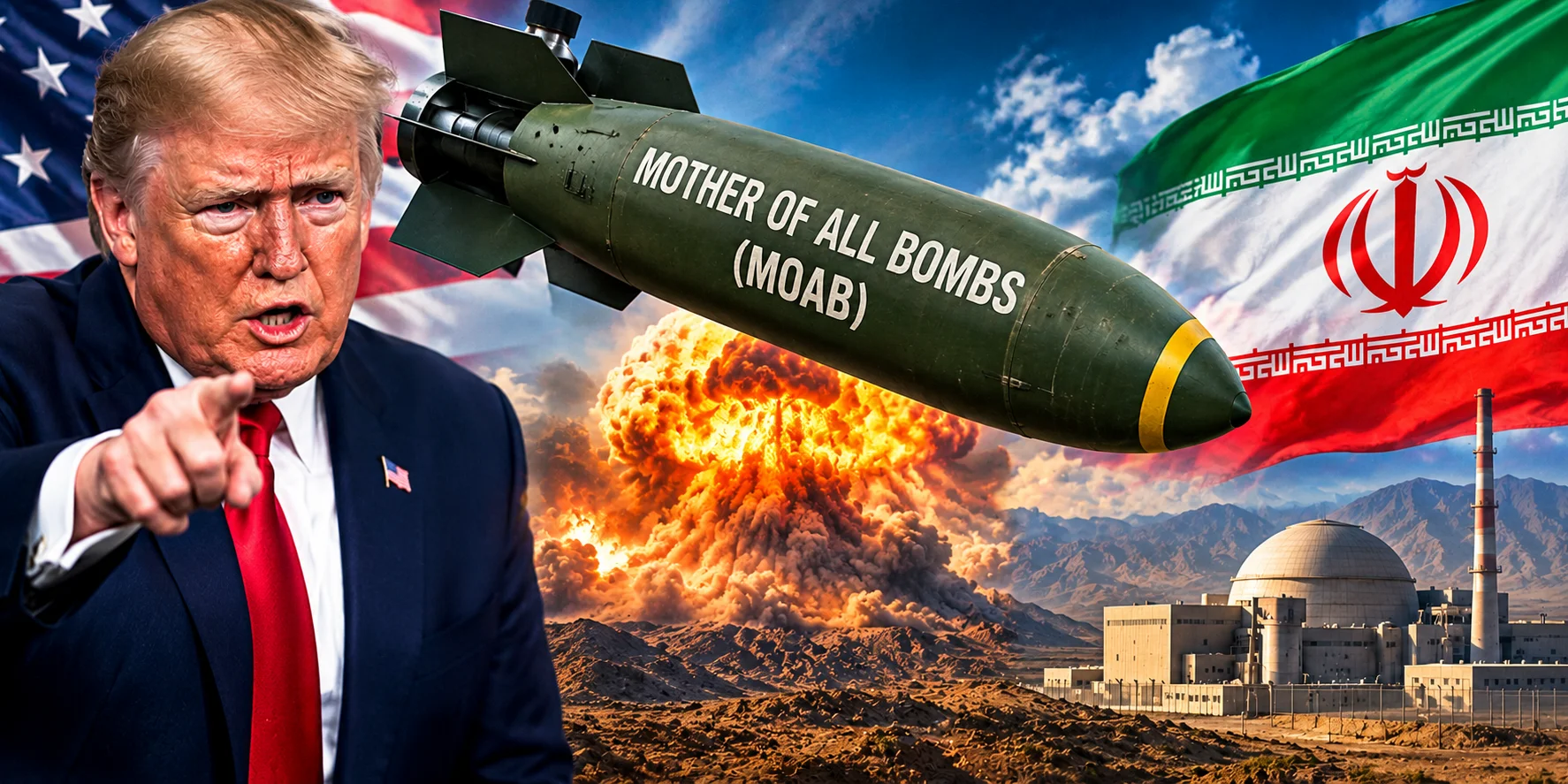
Trump Threatens Devastating Strike on Iran’s Nuclear Sites as Pentagon Weighs ‘Mother of All Bombs’
President Donald Trump has threatened to strike Iran’s deeply buried Pickaxe Mountain nuclear facility as the Pentagon reportedly considers using the massive non-nuclear “Mother of All Bombs.” Tehran has dismissed the threats and warned that further U.S. attacks could trigger retaliation and escalate the regional conflict.
US Embassies Issue Urgent Middle East Security Alert Amid Houthi Attacks
US embassies across the Middle East have urged American citizens to remain vigilant amid escalating regional hostilities, warning of possible flight cancellations, airspace closures and travel disruptions. The alerts come as Iran-backed Houthi rebels intensify attacks on Saudi Arabia, with deadly strikes disrupting operations at Riyadh’s international airport and raising fears that the conflict could spread further across the region.
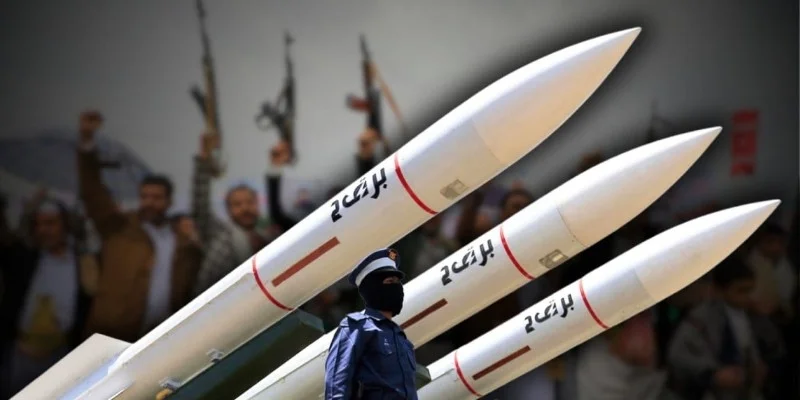
Iran-Backed Houthis Kill 53, Wound 200 in Ballistic Missile Attack on Yemen Military Camp
Iran-backed Houthi rebels killed at least 53 people and wounded around 200 in a three-missile attack on a military training camp in Yemen’s Shabwa province on Monday. The escalation comes as the Houthis intensify attacks on Saudi Arabia, prompting Egypt to consider military assistance to Riyadh and the United States to warn its citizens of growing security risks across the Middle East.
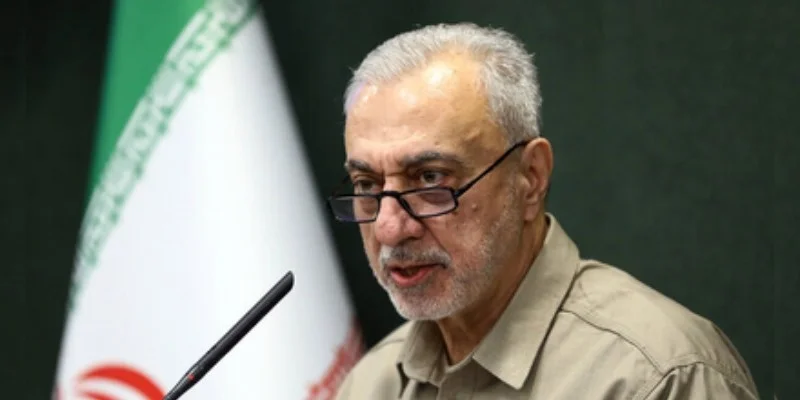
Iran’s New Defense Minister Warns US of ‘Enormous Damage’ if Military Attacks Resume
Iran’s new Defense Minister Mehrdad Akhlaghi warned that the United States and its regional allies would suffer “enormous damage” if Washington resumes military attacks against Tehran. His warning came after Iran’s parliament approved his appointment with 237 votes.