
Pakistan Vows Rapid Military Deployment to Saudi Arabia Under Makkah Defence Alliance
· 58 views
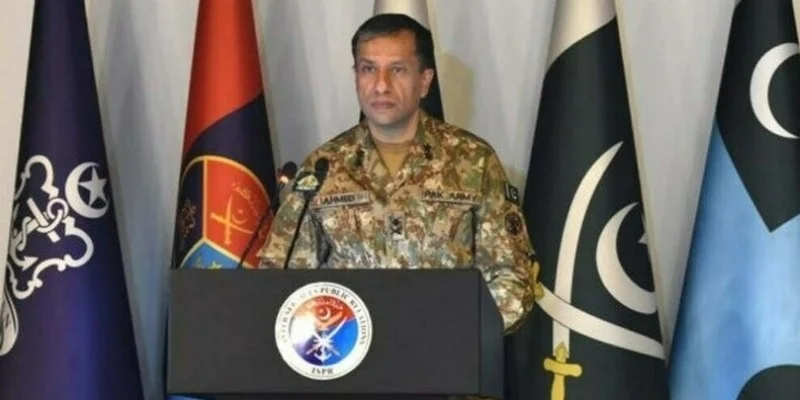
Islamabad (Terror Monitor) — Pakistan has reaffirmed its commitment to defending Saudi Arabia, declaring that its support for the Kingdom's security, sovereignty and territorial integrity is "absolute and non-negotiable", as the trilateral Makkah Joint Defence Alliance moves towards the practical implementation of its collective defence commitments.
Pakistani military spokesperson Lieutenant General Ahmed Sharif Chaudhry said arrangements were being made to facilitate the rapid deployment of agreed military forces and defence capabilities inside Saudi Arabia whenever required under the alliance.
In an interview with Saudi newspaper Asharq Al-Awsat, published on Wednesday, November 11, Chaudhry said the measures included increasing military readiness, strengthening military integration, sharing intelligence and coordinating exclusively defensive operations.
He said Pakistan was prepared to take all necessary defensive measures to protect Saudi Arabia under the existing bilateral Joint Strategic Defence Agreement between Islamabad and Riyadh, as well as the broader trilateral defence framework involving Türkiye.
"The security of Saudi Arabia and the Two Holy Mosques is a top, non-negotiable priority," Chaudhry said, reiterating Pakistan's longstanding commitment to protecting the Kingdom.
Pakistani Troops Already Stationed in Saudi Arabia
Chaudhry confirmed that Pakistani military personnel were already stationed in Saudi Arabia, performing various responsibilities primarily involving defensive support, training programmes, military exercises and manoeuvres.
He said Pakistan would continue providing whatever assistance Saudi Arabia required for defensive purposes, including military personnel, defence capabilities, training and logistical support.
Asked whether Islamabad intended to reinforce its existing military presence or provide additional capabilities, including air and missile defence systems and intelligence-sharing assistance, the military spokesperson said the necessary support would continue.
However, he declined to disclose the number of Pakistani troops currently stationed in Saudi Arabia, their deployment locations or details of possible additional deployments.
He explained that such operational information was generally not made public by military alliances.
His remarks indicate that the two countries are preparing to strengthen their existing military cooperation, although no specific troop reinforcement numbers or deployment timetable were announced in the interview.
Saudi Arabia's Security Situation and Recent Attacks
The Pakistani military spokesperson said the practical implementation of the Makkah Alliance's collective defence commitments followed recent attacks targeting Saudi Arabia.
He strongly condemned attacks against airports, cities and civilian and economic infrastructure, describing them as a direct threat to Saudi Arabia's sovereignty, security and territorial integrity.
According to Chaudhry, such attacks also threaten regional stability and civilian safety, making closer defence coordination among the alliance's members increasingly important.
His comments come amid renewed hostilities between Saudi Arabia and Yemen's Iran-backed Houthis, who have intensified missile and drone attacks against Saudi territory.
In its latest reporting on Thursday, November 12, Asharq Al-Awsat reported that Saudi air defences had intercepted and destroyed three cruise missiles fired towards Riyadh, along with two drones over the Makkah and southern regions.
Separately, Reuters reported on Thursday that debris from two ballistic missiles intercepted by Saudi air defences on Wednesday had fallen at two locations in the Makkah region.
The locations were identified as Sabuhah village, approximately 35 kilometres northeast of the Grand Mosque, and Wadi al-Maghmas, around 21 kilometres east of the mosque.
Saudi civil defence authorities said the missiles had been intercepted and destroyed before reaching their intended targets.
The Houthis have repeatedly denied targeting Makkah and Madinah, saying their military operations are directed against military and strategic targets elsewhere in Saudi Arabia.
The latest developments follow an attack on November 8, when debris from an attempted Houthi attack damaged windows across several floors of an Aramco Tower office building in Riyadh's financial district.
Reuters reported that the Saudi energy ministry described the damage as limited and confirmed that there were no casualties. The Houthis claimed responsibility for the attack.
Saudi authorities subsequently issued an alert in Riyadh on November 9 before announcing that the danger had passed.
The renewed confrontation has also seen Saudi Arabia conduct airstrikes against Houthi targets in Yemen, further undermining the relative calm established under a United Nations-brokered truce in 2022.
Pakistan, Saudi Arabia and Türkiye's Diplomatic Engagement With Iran
Despite growing military tensions, Chaudhry emphasised that Pakistan continued to support diplomatic engagement and efforts to prevent further escalation across the region.
He referred to the October 26 meeting in Tehran between representatives of the Makkah Joint Defence Alliance and Iranian officials, describing it as an effort to establish a framework for de-escalation and strengthen regional cooperation.
Pakistan's Chief of Defence Forces, Field Marshal Asim Munir, participated in the diplomatic engagement alongside Saudi Defence Minister Prince Khalid bin Salman and Türkiye's intelligence chief Ibrahim Kalin.
The Iranian side was represented by President Masoud Pezeshkian, Foreign Minister Abbas Araqchi and senior national security officials.
According to Reuters, the meeting marked the first high-level contact between Iran and the three countries since the regional conflict expanded to involve Saudi Arabia and Yemen.
The discussions focused on preventing renewed military escalation, establishing regional security arrangements and addressing tensions involving the United States, Iran and Yemen's Houthis.
Reuters reported that the participants agreed to continue discussions aimed at strengthening regional peace and security.
A senior Pakistani security official also told Reuters that the discussions focused on developing a regional non-aggression framework, while the agenda included Houthi attacks on Saudi Arabia, tensions surrounding the Strait of Hormuz and efforts to resume negotiations between Washington and Tehran.
Chaudhry said Field Marshal Munir's participation in the diplomatic process demonstrated Islamabad's commitment to dialogue and the peaceful resolution of regional disputes.
He also stressed the importance of restraint and diplomatic solutions, warning that further military confrontation would serve the interests of no country.
Difference Between the Bilateral and Trilateral Defence Agreements
Explaining the distinction between the two defence arrangements, Chaudhry said the Joint Strategic Defence Agreement between Pakistan and Saudi Arabia provides a bilateral framework for military and security cooperation.
The agreement, announced in September 2025, reflects the longstanding strategic partnership between the two countries and provides a mechanism for mutual support in the event of aggression.
The Makkah Joint Defence Alliance, meanwhile, is a separate trilateral framework involving Pakistan, Saudi Arabia and Türkiye.
Announced in August 2026, the alliance is designed to strengthen collective defence, improve military preparedness, facilitate coordination and develop integrated defence capabilities among the three countries.
Chaudhry emphasised that both arrangements were entirely defensive in nature and did not reflect aggressive intentions against any other country.
He said the three partners intended to strengthen collective deterrence, deepen military integration and contribute to regional stability.
Regional Security Implications
The movement towards the practical implementation of the Makkah Alliance comes at a particularly sensitive time for the Middle East, where renewed military confrontations, missile and drone attacks and tensions involving Iran have increased security concerns across the Gulf.
Saudi Arabia's strategic importance, particularly its energy infrastructure, international airports, maritime routes and the two holy cities of Makkah and Madinah, has made the security situation a major concern for regional governments.
The alliance's proposed arrangements for rapid military deployment, intelligence-sharing and integrated defensive capabilities could significantly strengthen the military coordination between Pakistan, Saudi Arabia and Türkiye.
Reuters previously reported on October 26 that the alliance's members had agreed during an emergency meeting in Riyadh to facilitate the rapid deployment of military forces and capabilities inside Saudi Arabia.
The report also noted that Pakistan had approved the agreement, while Türkiye's parliamentary ratification process was underway at the time.
For Islamabad, the challenge will be to maintain its longstanding strategic and defence commitments to Saudi Arabia while continuing diplomatic engagement with Iran and other regional actors to prevent a wider conflict.
Chaudhry's latest remarks appear to underline both aspects of Pakistan's policy: an unequivocal commitment to Saudi Arabia's defence and a continued preference for diplomatic solutions to regional disputes.
He reiterated that Pakistan, Saudi Arabia and Türkiye intended to strengthen their collective defence capabilities while ensuring that the alliance remained focused on deterrence, mutual security and regional stability rather than offensive military operations.
Related Articles
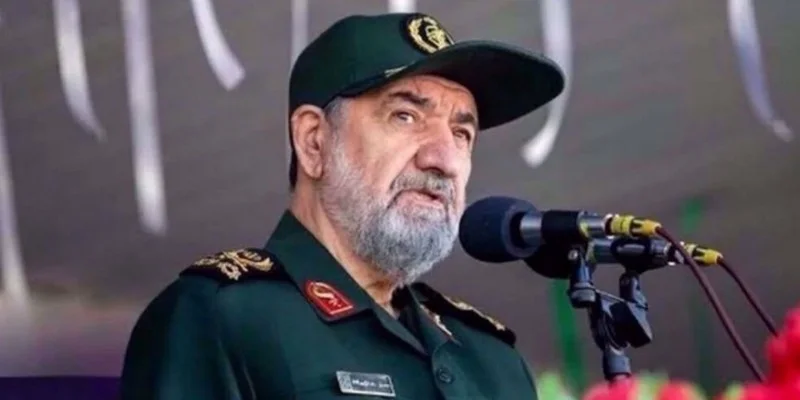
Iran Threatens to Strike US Military Bases Across Europe, Warns of Wider War Beyond Middle East
Iran has threatened to strike US military bases across Europe and other distant regions if Washington launches fresh attacks, warning that even islands previously considered beyond the reach of Iranian missiles could become targets. Tehran has also vowed to continue underground ballistic missile production and rejected transferring any enriched uranium abroad, as tensions with the United States remain high.
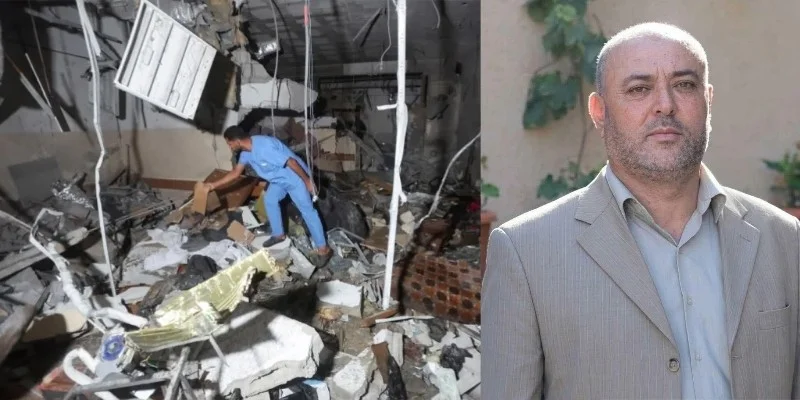
Israeli Airstrike on Gaza’s Nasser Hospital Kills Six, Including Surgeon
An Israeli airstrike on Nasser Hospital in southern Gaza has killed at least six Palestinians, including a surgeon and a 13-year-old boy, and wounded at least 28 others. Israel said it targeted a senior Hamas commander allegedly operating a military headquarters inside the hospital, but Palestinian reports said the commander was not among those killed.
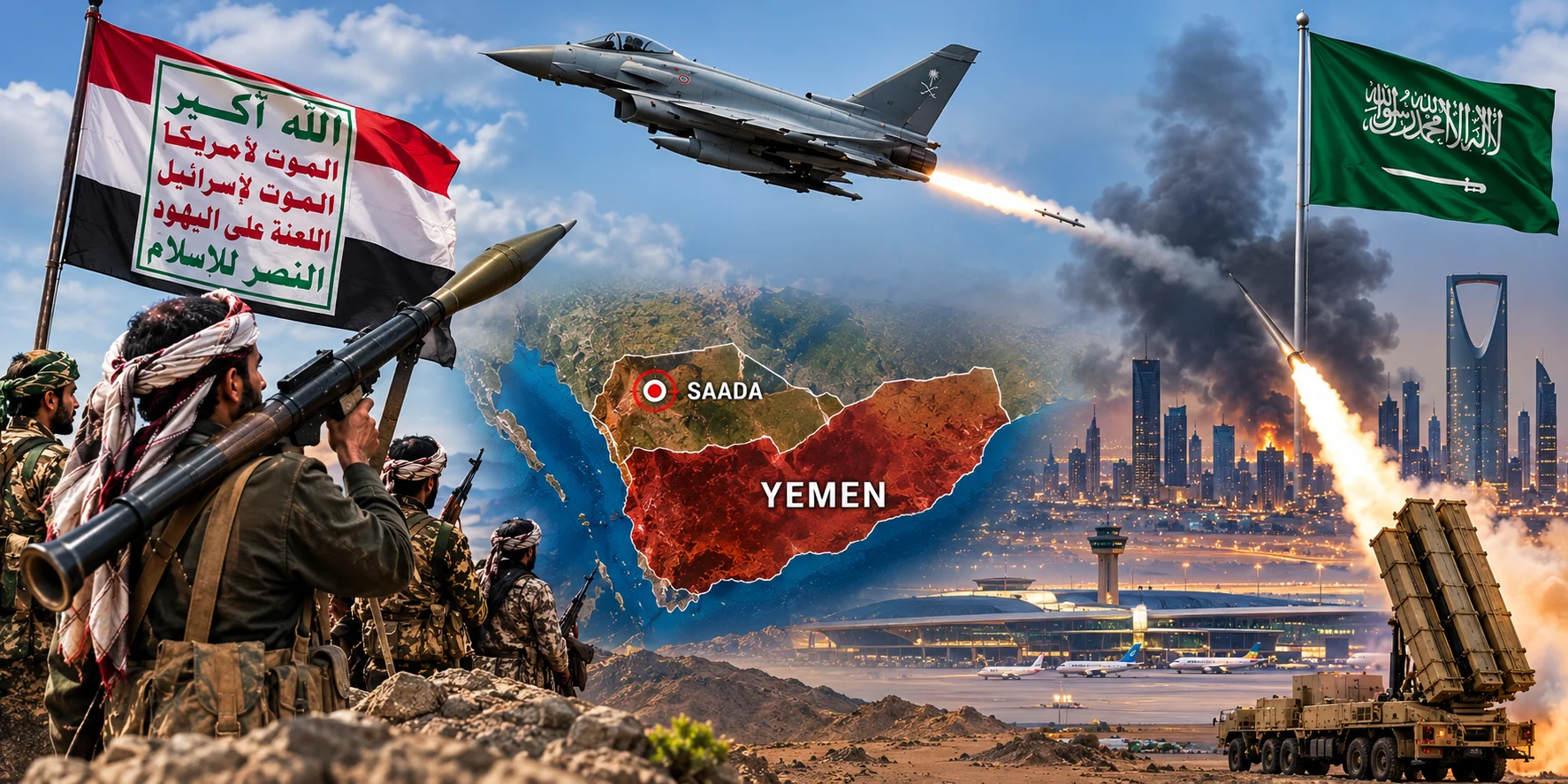
Houthis Launch Fresh Missile and Drone Attacks on Saudi Arabia as Missiles Strike Yemen’s Aden
Iran-backed Houthis Launch Fresh Missile and Drone Attacks on Saudi Arabia, Target Military Bases in Yemen’s Aden
Russia-Ukraine Talks in Abu Dhabi End Without Breakthrough, but Prisoner Swap Agreed
Russia and Ukraine Agree to Largest Prisoner Exchange After Abu Dhabi Peace Talks, No Breakthrough on War Ending