
Saudi Arabia Intercepts Five Houthi Ballistic Missiles as Rebels Claim Strike on Ras Tanura Oil Refinery
· 58 views
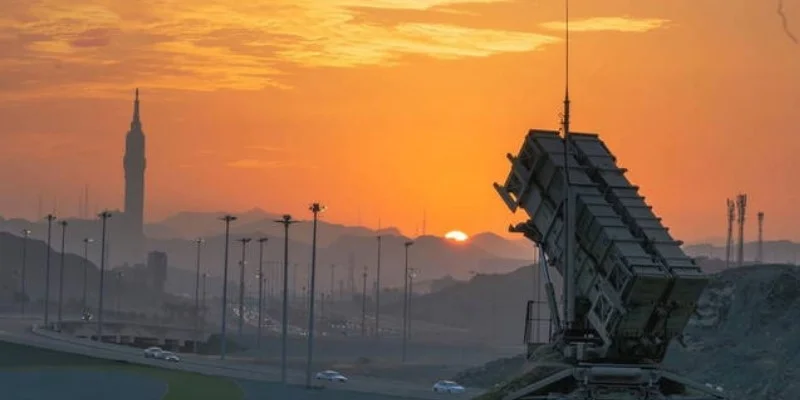
RIYADH (Terror Monitor) — Saudi Arabia said its air defences intercepted and destroyed five ballistic missiles launched by Yemen’s Iran-aligned Houthi group toward the kingdom on Tuesday, October 27, as cross-border attacks and fighting inside Yemen intensified. The missiles were aimed at the capital, Riyadh, and the Eastern Province, while the Houthis separately claimed to have struck the country’s defence ministry headquarters and the strategically important Ras Tanura oil refinery.
The reported interception of the missiles was confirmed by Saudi authorities. However, the Houthi claims that their missiles directly hit the Saudi Defence Ministry and Ras Tanura refinery could not be independently verified.
According to the Associated Press (AP), witnesses heard at least four explosions over Riyadh after authorities issued security warnings for the capital and other areas. The warnings were subsequently lifted.
Saudi Civil Defence said debris from two intercepted missiles fell in Riyadh, damaging a building, a construction site and a vehicle. No casualties were reported in the statement cited by Arab News.
The Saudi-led coalition also reported that air defences intercepted and destroyed three ballistic missiles directed toward the Eastern Province. It separately announced the interception of four drones heading toward southern Saudi Arabia. These drone interceptions were reported by Reuters and Al Jazeera.
Houthis claim direct hit on Saudi Defence Ministry
Houthi military spokesperson Brigadier General Yahya Saree said the group had launched a ballistic missile at the headquarters of Saudi Arabia’s Defence Ministry in Riyadh, claiming that the missile scored a direct hit.
The Associated Press said it could not independently verify the claim. Saudi authorities reported that the two missiles aimed at Riyadh had been intercepted and that falling debris caused property damage in the capital.
The competing accounts underline the difficulty of independently assessing battlefield claims during the escalating conflict. While Saudi Arabia has confirmed interceptions and damage caused by missile debris, the Houthi assertion of a direct strike on the ministry remains unverified.
Ras Tanura refinery attack raises concerns over oil supplies
The Houthis also claimed responsibility for a ballistic missile attack on the Ras Tanura oil refinery in Saudi Arabia’s Eastern Province.
Houthi military spokesperson Yahya Saree said the attack caused a fire at the complex, which includes a major oil refinery and export terminal on the Gulf coast. Saudi authorities had not publicly confirmed the reported refinery strike at the time of the Reuters report.
Reuters reported that Ras Tanura has a processing capacity of approximately 550,000 barrels per day and is one of Saudi Arabia’s key oil facilities. The complex is particularly significant because the kingdom relies heavily on its Gulf and Red Sea export routes to transport crude oil to international markets.
The refinery had previously been temporarily shut as a precaution during the wider Iran war, Reuters reported.
The latest claim has heightened concerns about the security of Saudi energy infrastructure at a time when regional conflict is already disrupting oil supplies and shipping routes.
In a separate Reuters report published on Wednesday, October 28, oil prices rose by more than 1% amid renewed concerns over global crude supplies following the reported attack. Brent crude futures rose 1.4% to $115.47 per barrel, while US West Texas Intermediate increased 1.4% to $101.33.
The price movement reflected market concern over the possibility of further attacks on critical energy infrastructure. However, the Houthi claim of a successful strike on Ras Tanura had not been independently confirmed in the reporting available at the time.
Saudi Arabia and Houthis exchange attacks
The missile interceptions on Tuesday followed several days of escalating attacks and counterstrikes between Saudi Arabia and the Houthis.
On Monday, October 26, the Houthis claimed to have attacked Saudi Arabia’s East-West crude oil pumping stations and King Khalid International Airport in Riyadh. Saudi authorities had not immediately confirmed those specific claims, according to Reuters.
The Saudi-led coalition, meanwhile, said it had intercepted a missile fired toward Riyadh and destroyed two missile launchers in Sanaa, including one it said had been used in the attempted attack on the Saudi capital.
The coalition also reported strikes against Houthi military infrastructure, including missile storage facilities and launchers. The developments reflect an increasingly direct confrontation between Saudi Arabia and the Houthis, who have expanded their attacks on Saudi territory amid the wider regional war involving Iran.
The Houthis have also threatened further attacks on Saudi airports and oil installations, describing such sites as legitimate targets in retaliation for Saudi military operations in Yemen.
Saudi Arabia, which intervened in Yemen’s civil war in 2015 in support of the internationally recognised government, has intensified its military campaign following Houthi advances along parts of the Red Sea coast.
Fighting intensifies near Bab al-Mandeb
The renewed fighting is also raising concerns about security around the Bab al-Mandeb Strait, a strategic maritime passage connecting the Red Sea with the Gulf of Aden and the wider Indian Ocean.
The Houthis claimed on Tuesday that they had repelled an advance by Saudi-backed forces near the strait. Reuters reported the claim but did not independently establish the outcome of the reported fighting.
The waterway is vital to international trade and maritime transport. Any sustained disruption could affect commercial shipping, increase insurance costs and complicate the movement of goods and energy supplies between Europe and Asia.
The strategic importance of Bab al-Mandeb has increased further because the wider regional conflict has placed additional pressure on alternative routes for Gulf oil exports.
Two killed in reported strike on fuel station near Taiz
Meanwhile, fighting continued inside Yemen, where the Houthi-run Health Ministry accused forces aligned with the internationally recognised government of attacking a petrol station in Taiz late on Monday.
The ministry said two people were killed and several others wounded in the incident. Its spokesperson, Anees al-Asbahi, accused government forces of deliberately targeting the fuel station.
The Yemeni military had separately announced on X that its forces had carried out airstrikes against Houthi positions. However, the available reporting did not independently establish responsibility for the reported attack on the petrol station.
Houthi-controlled Al-Masirah television broadcast images of two bodies and injured people receiving treatment at a hospital. The channel also reported airstrikes on Tuesday in the Houthi-controlled port city of Mokha and the Dhubab district near Bab al-Mandeb.
The Associated Press said it could not independently verify the reports of those additional strikes.
Taiz siege worsens humanitarian crisis
The latest violence comes as Taiz, Yemen’s third-largest city, faces worsening conditions after Houthi forces tightened their control over surrounding areas and disrupted important supply routes.
The Houthis have largely encircled the city, cutting or restricting roads connecting government-held areas with other parts of Yemen. Government forces have continued resisting the advances, while Saudi-backed forces have sought to recover territory and reopen routes.
Reuters reported earlier in October that the battle for Taiz had become one of the most important fronts in Yemen’s renewed civil war. The city’s strategic location makes it significant for control of southwestern Yemen and access toward Aden, the seat of the internationally recognised government.
A separate Associated Press report published on October 24 described a deepening humanitarian crisis, with more than one million residents facing dwindling drinking-water supplies. Restrictions on access to wells and water deliveries, fuel shortages and rising food prices have placed additional pressure on civilians.
The humanitarian situation is further complicated by displacement, shortages of essential goods and the disruption of public services.
Regional conflict threatens broader escalation
The escalation in Yemen is taking place against the backdrop of the wider US-Israeli war involving Iran, which has intensified regional tensions and increased the risk of attacks on energy infrastructure and shipping routes.
Saudi Arabia has increasingly found itself under pressure from Houthi missile and drone attacks while supporting government forces fighting the group inside Yemen.
The latest developments also coincide with diplomatic efforts involving regional powers to reduce tensions. Reuters and Al Jazeera reported that senior officials from Saudi Arabia, Türkiye and Pakistan were involved in regional discussions with Iranian officials in Tehran on October 27.
Despite those diplomatic efforts, the latest missile launches, reported attacks on oil infrastructure and intensified fighting around Taiz and Bab al-Mandeb indicate that the conflict remains volatile.
For now, Saudi Arabia has confirmed the interception of the five ballistic missiles aimed at Riyadh and the Eastern Province, along with four drones heading toward its southern region. The Houthi claims of direct hits on the Defence Ministry and Ras Tanura refinery remain unverified, while the situation on the ground in Yemen continues to deteriorate.
Related Articles
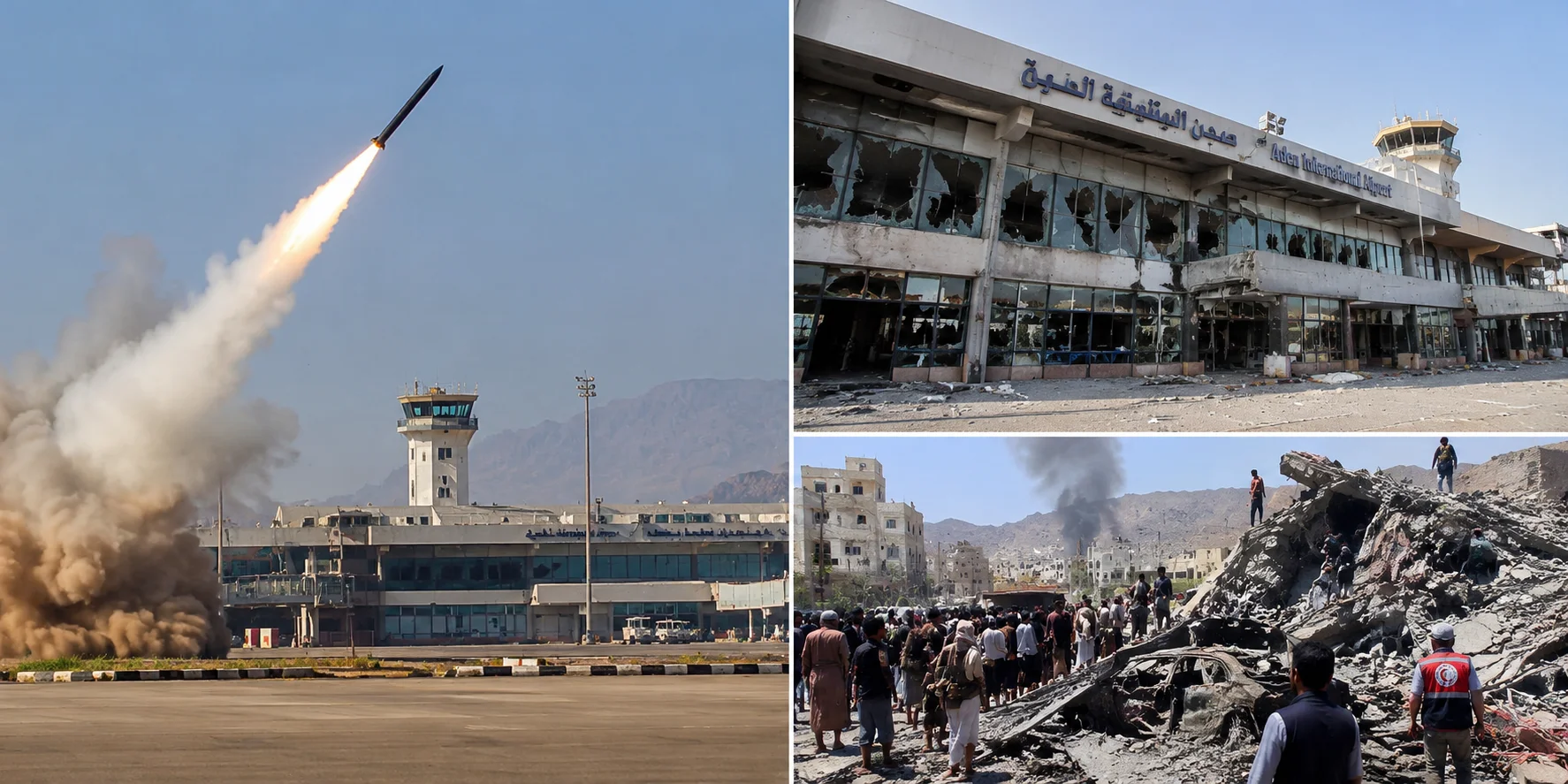
Houthis Strike Aden Airport With Ballistic Missiles as Reported Saudi Airstrikes Kill 14 in Yemen
Yemen’s internationally recognised government accused Iran-backed Houthi rebels of launching two ballistic missile attacks on Aden International Airport, disrupting flights and threatening civilian safety. Meanwhile, Houthi authorities reported that Saudi-led airstrikes killed 14 people and wounded 15 in Al-Jawf province, although the casualty figures have not been independently verified.
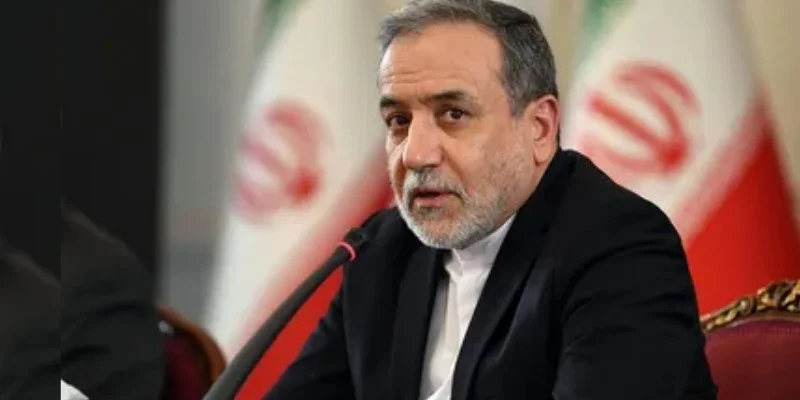
Iran Warns Israeli Attack Could Devastate Global Markets as Tehran Pursues 7 Day Peace Plan
Iranian Foreign Minister Abbas Araghchi warned that any Israeli military action in the Persian Gulf could have devastating consequences for global markets. Tehran says it remains in contact with mediators over a seven-day plan to end the war and reopen the Strait of Hormuz, but major disagreements with Washington remain unresolved.
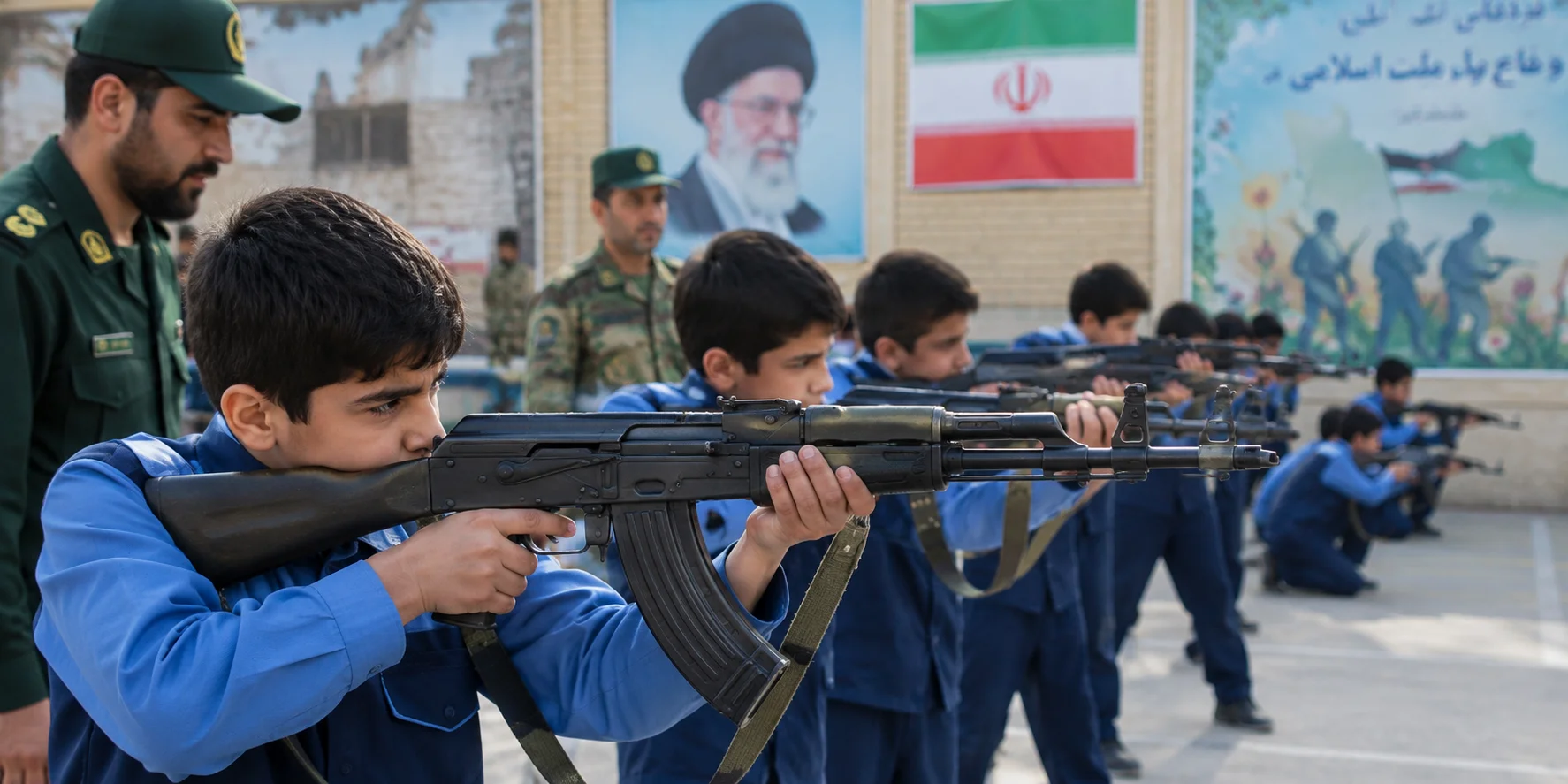
Iran Expands Military Training in Schools, Raising Concerns Over Children’s Recruitment and Security Role
Reports of firearms training for students, military-style identification tags and new youth programmes have raised concerns about the growing role of Iran’s military and security institutions in schools. Iranian authorities describe the initiatives as defensive and ideological education, while critics warn they risk exposing children to militarisation and security activities.
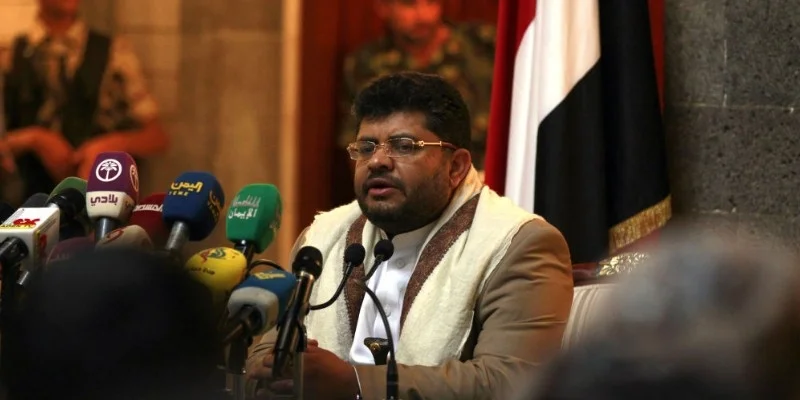
Houthi Leader Calls Egypt’s Military Support for Saudi Arabia a ‘Declaration of War’ Against Yemen
Houthi political bureau member Mohammed Ali al-Houthi has condemned Egypt’s authorization of military support for Saudi Arabia, calling it a “declaration of war” against Yemen. Cairo says its assistance would be limited to defending Saudi territory, as Riyadh reports intercepting three ballistic missiles and four drones.