
Trump Signals Possible Renewed Strikes on Iran as US Envoy Warns Attack Could Come This Weekend
· 33 views
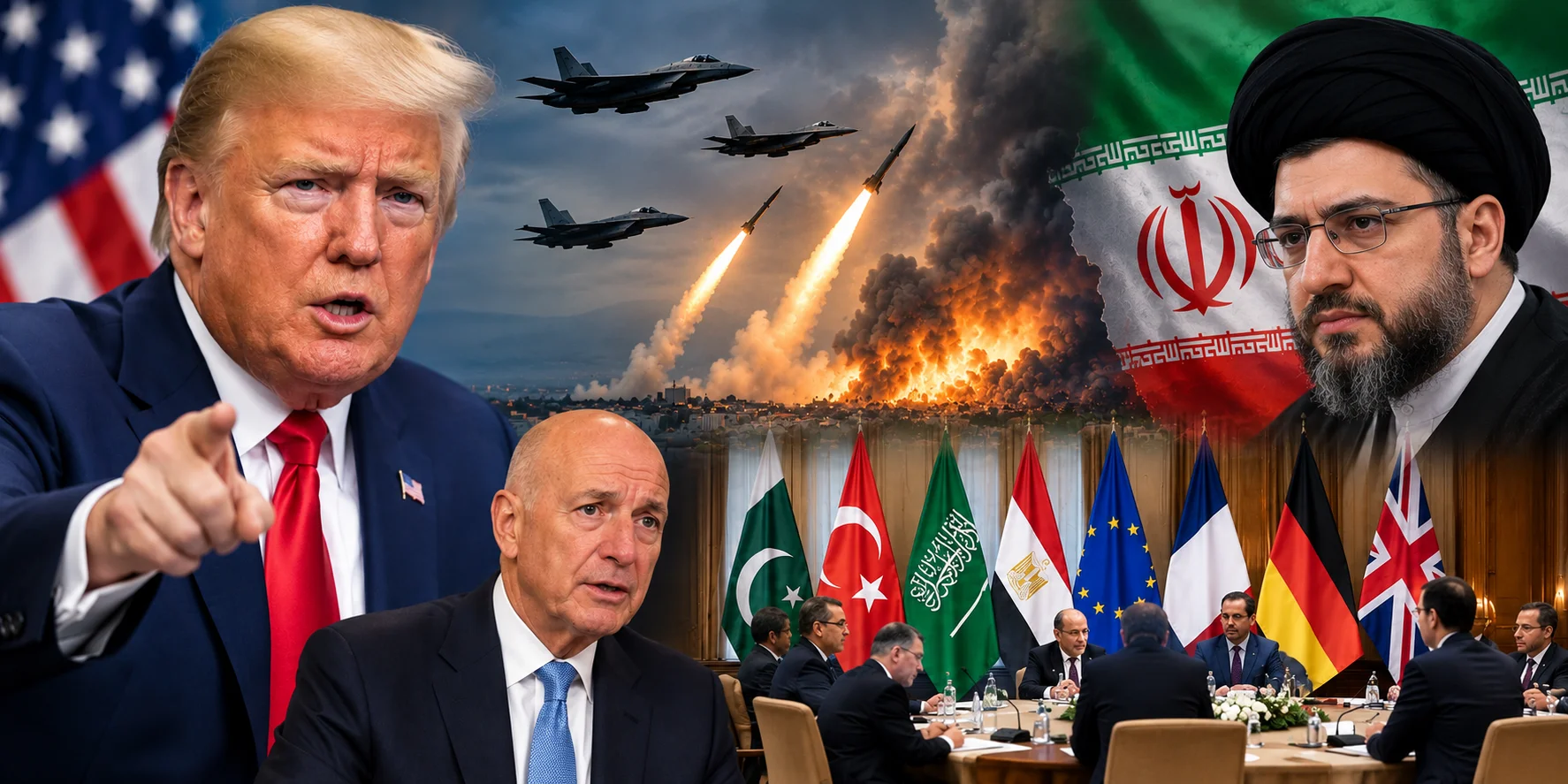
Washington, D.C. (Shabbir Turi) — US President Donald Trump has signalled that Washington could launch further military action against Iran, saying the United States has already inflicted severe damage on the country and may carry out additional strikes. Meanwhile, US Ambassador to Türkiye Tom Barrack has said an American attack could take place as soon as this weekend, while reports indicate that Washington and Israel are preparing plans for renewed strikes after the US midterm elections.
The statements come amid continuing tensions over Iran’s nuclear programme, the Strait of Hormuz and the future of diplomatic efforts to end the conflict. Türkiye, Pakistan, Saudi Arabia, Egypt and several European countries, meanwhile, have called for dialogue and diplomacy to prevent a further escalation.
Trump Signals Possibility of Another Military Operation
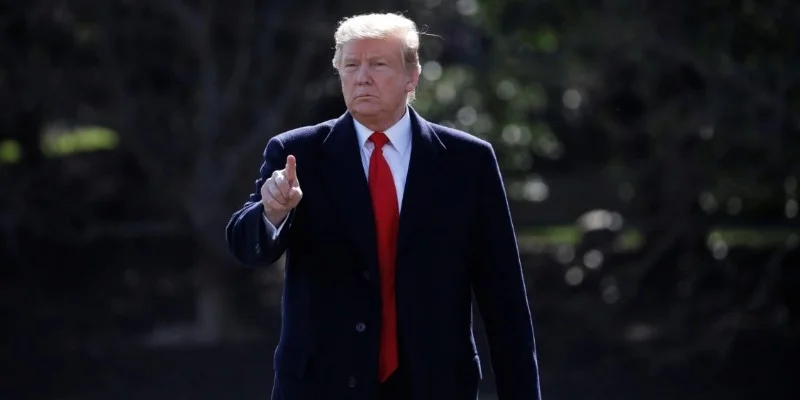
Speaking to reporters outside the White House, Trump indicated that further US military action against Iran remained an option.
“We have hit them very hard, and we may do some more,” Trump said, suggesting that Washington could resume strikes against Iranian targets.
In separate remarks reported by Reuters on Friday, the president said the United States might conduct another military operation against Iran, referring to the possibility of another operation under the name “Epic Fury.” He did not provide details about the potential timing, scope or targets of any renewed action.
Trump also defended his approach to the conflict when asked about the potential impact of the war on voters ahead of the November 3 US midterm elections.
He said that, in one respect, he liked the situation because he was doing what he believed previous presidents should have done. However, he acknowledged that some voters might not support his approach.
Trump said military action came at a cost and that he had understood this when making the decision to confront Iran.
He reiterated that the United States could not allow Iran to obtain nuclear weapons.
Washington has repeatedly expressed concern about Iran's nuclear programme, while Tehran has maintained that its nuclear activities are peaceful.
Trump Says War Could End Quickly
In another conversation with reporters before departing the White House for Florida, Trump said the war with Iran could be brought to an end quickly.
He described Iran as a “declining country,” arguing that it was facing inflation and financial difficulties.
Trump also reiterated his claims about American control over the Strait of Hormuz, a strategically important waterway through which a significant share of global energy supplies passes.
He said the US Navy had effectively closed the route to Iran while other countries continued to transport oil through the strait.
Trump also raised the question of whether Washington should seek to end the confrontation in one decisive move or allow Iran to become progressively weaker.
His comments suggested that the administration was considering its next steps while maintaining military and economic pressure on Tehran.
However, his statements did not establish whether a new operation had been formally authorised or when it might take place.
US Ambassador Says Attack Could Come This Weekend
US Ambassador to Türkiye and special envoy for Syria Tom Barrack has said an American strike against Iran could take place as soon as this weekend.
According to AFP, Barrack made the remarks during an interview with podcast host Mario Nawfal while discussing the confrontation and the possibility of renewed military action.
Asked whether a strike could happen over the weekend, Barrack replied: “Could there be a strike this weekend? Absolutely.”
He also said Trump remained open to reaching an agreement with Iran, adding that the two sides had been engaged in diplomatic efforts for months.
Barrack's comments indicate that the possibility of military action remains under consideration, but they do not amount to confirmation that an attack has been ordered.
The remarks also come against the backdrop of differing signals about the timing of any renewed campaign.
On October 8, Trump said the United States would not attack Iran before the November 3 midterm elections, citing what he described as productive discussions with Tehran.
A report published by ABC News on October 22, citing two Israeli sources familiar with the plans, said the US and Israeli militaries had prepared plans for renewed joint strikes in the coming weeks. The sources said any such attacks would almost certainly take place after the midterm elections.
The report attributed the anticipated delay partly to concerns about further destabilising oil markets during the final days of the election campaign.
Barrack's weekend warning therefore contrasts with the previously reported expectation that renewed strikes would be postponed until after the elections. Neither statement independently confirms a final decision on the timing of any attack.
Reports Point to Possible Targets Inside Iran
According to the ABC News report, the United States and Israel have developed plans for renewed joint military action against Iran in the coming weeks.
The report, citing Israeli sources familiar with the planning, said potential targets could include Iranian energy infrastructure, nuclear facilities, missile sites and drone stockpiles.
The White House had said on Thursday that the United States would not resume attacks before the midterm elections, according to the report.
The reported plans have not been publicly confirmed in full by Washington or Jerusalem, and the precise targets, timing and scope of any possible operation remain uncertain.
Israeli Prime Minister Benjamin Netanyahu has also repeatedly vowed to bring down Iran's current political system in recent days.
Barrack, however, said the United States remained open to a deal with Tehran. In remarks reported by AFP, he also said Washington was not seeking regime change in Iran, highlighting a distinction between the Israeli leadership's stated objectives and the US envoy's description of American policy.
Trump Accuses Iran of Manipulating Oil Prices
Trump has also accused Iran of contributing to higher oil prices ahead of the US midterm elections.
In a social media statement, he claimed that more oil was currently passing through the Strait of Hormuz than before the conflict began in February.
He accused Tehran of fabricating reports of attacks and incidents involving sea mines.
The Strait of Hormuz remains a critical route for international energy shipments, and any disruption to maritime traffic could have significant consequences for oil prices, shipping costs and economies dependent on energy imports.
However, Trump's claims about the volume of oil passing through the strait and Iran's alleged role in fabricating incidents require independent verification.
The continuing dispute over the waterway has become a central issue in the broader confrontation between Washington and Tehran, with regional governments warning that restrictions on navigation could further damage economic stability.
Türkiye Warns New Attack Could Widen the Conflict
Turkish Foreign Minister Hakan Fidan has warned that another attack on Iran would increase regional tensions and risk spreading the conflict further.
Speaking to reporters in Istanbul after a meeting involving regional and European foreign ministers, Fidan said military intervention was not a solution to the dispute.
“Military intervention in Iran is by no means a solution. No one supports this at the moment,” he said, according to Anadolu Agency.
Fidan stressed that the conflict between the United States and Iran should be addressed through dialogue and diplomacy.
His remarks came as ministers from Türkiye, Pakistan, Saudi Arabia, Egypt, France, Germany, the United Kingdom and Italy met to discuss regional security challenges and diplomatic efforts to prevent further escalation.
The Turkish government has repeatedly argued that renewed military action could trigger wider instability, including disruptions to shipping routes and energy supplies.
Pakistan, Türkiye, Saudi Arabia and Egypt Call for Diplomacy
Pakistan's Deputy Prime Minister and Foreign Minister Senator Mohammad Ishaq Dar participated in the sixth meeting of the R4 foreign ministers in Istanbul on Friday.
The group comprises Pakistan, Türkiye, Saudi Arabia and Egypt. The ministers reviewed developments in the Middle East and discussed regional security challenges and ways to strengthen diplomatic coordination.
According to Pakistan's Foreign Office, the ministers expressed solidarity with Saudi Arabia, reaffirmed their support for its sovereignty and territorial integrity, and condemned Houthi attacks targeting the kingdom.
They also discussed measures to advance regional peace, security and stability.
Dar subsequently participated in a meeting bringing together the R4 countries and European partners, including France, Germany, the United Kingdom and Italy.
According to Pakistan's Ministry of Foreign Affairs, the discussions focused on developments in the Gulf, the social and economic consequences of the conflict and the urgent need to expand diplomatic engagement to address regional challenges.
Dar briefed participants on Pakistan's continuing diplomatic and mediation efforts to reduce tensions, prevent a resumption of hostilities and promote peace.
The ministers agreed to continue consultations and maintain engagement through the same format.
The meetings reflect efforts by regional and European governments to coordinate their positions as the risk of renewed US and Israeli strikes against Iran remains a concern.
Joint Statement Calls for a Negotiated Solution
In a joint statement issued after the R4 meeting in Istanbul on October 23, the foreign ministers of Türkiye, Egypt, Pakistan and Saudi Arabia emphasised the importance of diplomatic efforts to promote peace and stability.
Addressing the military conflict involving the United States, Israel and Iran, the ministers called for an urgent effort to resolve the confrontation through dialogue and diplomacy.
They also stressed the need to prevent attacks on civilians, civilian infrastructure and vessels.
The statement welcomed continued diplomatic initiatives to prevent further escalation and expressed support for the Islamabad memorandum of understanding, while reaffirming the objective of a lasting negotiated solution.
The ministers further underlined the importance of freedom of navigation and maritime security, warning that disruption to shipping routes could threaten global supply chains and the flow of energy, fertiliser and food.
They called for the safe and unimpeded resumption of passage through the Strait of Hormuz.
European Powers Offer to Resume Nuclear Talks
Germany, France and the United Kingdom have also indicated their readiness to engage with Iran over its nuclear programme.
The three European countries have long played a role in diplomatic efforts concerning Tehran's nuclear activities and have sought a negotiated framework to address international concerns.
Their readiness to pursue talks comes as Washington continues to apply pressure on Iran and Trump signals that further military action remains possible.
The diplomatic challenge is to find a formula that addresses US concerns about Iran's nuclear programme while preventing a return to large-scale hostilities.
The prospects for negotiations remain uncertain, particularly given the competing signals from Washington about the possibility of another attack and the timing of any potential operation.
Regional Tensions Remain High
Trump's latest statements, Barrack's warning that an attack could take place this weekend and reports of US-Israeli planning have renewed concerns about a possible escalation of the conflict.
At the same time, Türkiye, Pakistan, Saudi Arabia, Egypt and European governments are seeking to keep diplomatic channels open and prevent further military confrontation.
No publicly confirmed final decision on a new US attack, including its timing and targets, has been established by the statements and reports cited above.
The immediate outlook will depend on whether Washington and Tehran can make progress towards a negotiated settlement or whether military pressure leads to renewed strikes.
With the Strait of Hormuz central to the dispute and global energy markets exposed to further disruption, any new escalation could have consequences extending well beyond Iran and the wider Middle East.
Related Articles
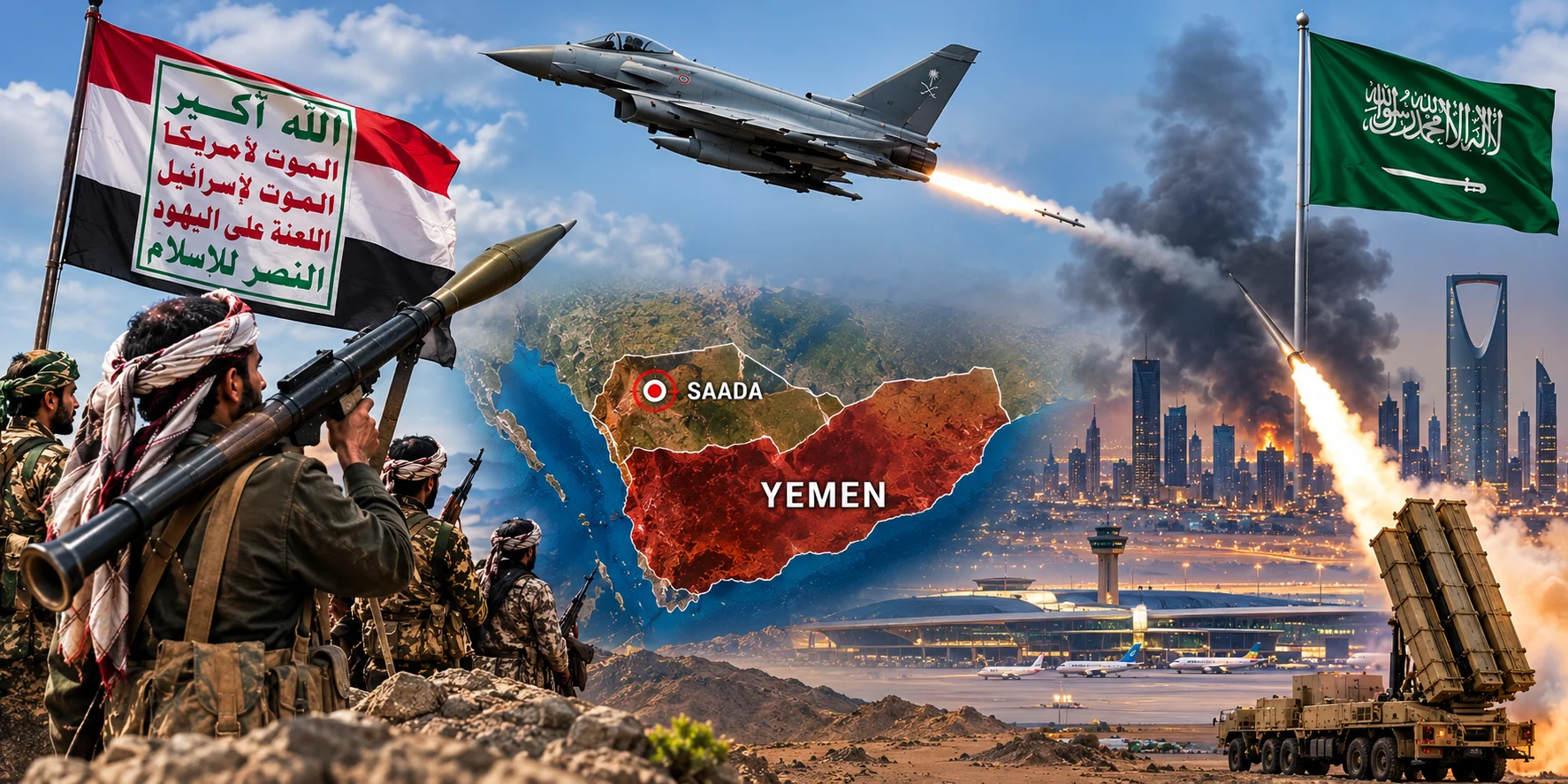
Saudi Coalition Intercepts Houthi Missiles and Drones as Rebels Claim Attacks
Saudi Arabia’s Saudi-led coalition says it intercepted two ballistic missiles and two drones launched by Iran-backed Houthi rebels toward the kingdom. Meanwhile, Houthi military spokesman Yahya Saree claimed attacks on the Saudi Ministry of Defence in Riyadh, King Fahd International Airport, an Aramco facility in Yanbu and Abha International Airport. The claims of successful strikes and damage remain independently unverified.
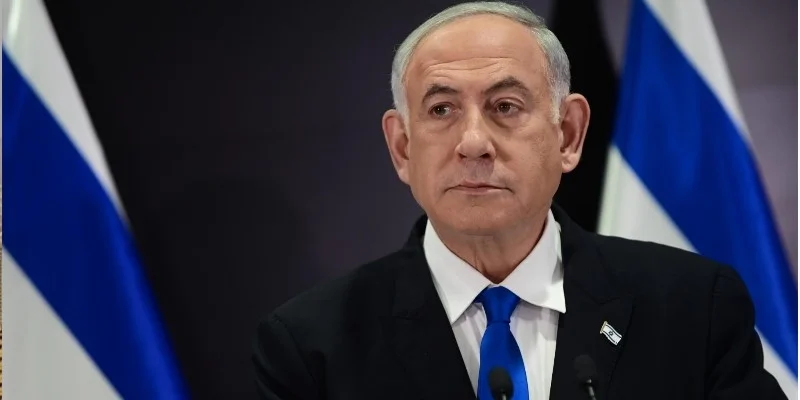
Netanyahu Denies Trump Blocked Planned Israeli Strike on Iran Ahead of US Midterm Elections
Israeli Prime Minister Benjamin Netanyahu has denied reports that US President Donald Trump blocked a planned Israeli attack on Iran on October 10 and 11 ahead of the US midterm elections. Netanyahu dismissed the Financial Times report as incorrect but declined to disclose details of his recent discussions with Trump about Iran.
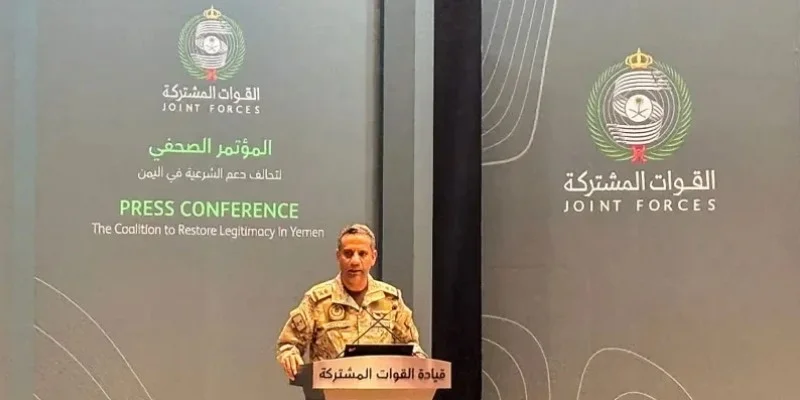
Iran-Backed Houthis Claim Four Military Operations Inside Saudi Arabia as Coalition Intercepts Drones
Iran-backed Houthi rebels have claimed four military operations inside Saudi Arabia targeting the Ministry of Defense in Riyadh, King Fahd International Airport, an Aramco facility in Yanbu and Abha International Airport. The Saudi-led coalition said it intercepted and destroyed four drones as attacks left people dead and injured.
US President Trump Signals Imminent Development on Iran
US President Donald Trump has signaled that a major development concerning Iran could occur soon, saying negotiations may not resume. The remarks come amid reports that the United States and Israel are preparing plans for possible renewed strikes against Iran after the November 3 midterm elections.