
Two Cargo Ships Sink Near Strait of Hormuz After Attacks as Maritime Security Crisis Deepens
· 1,006 views
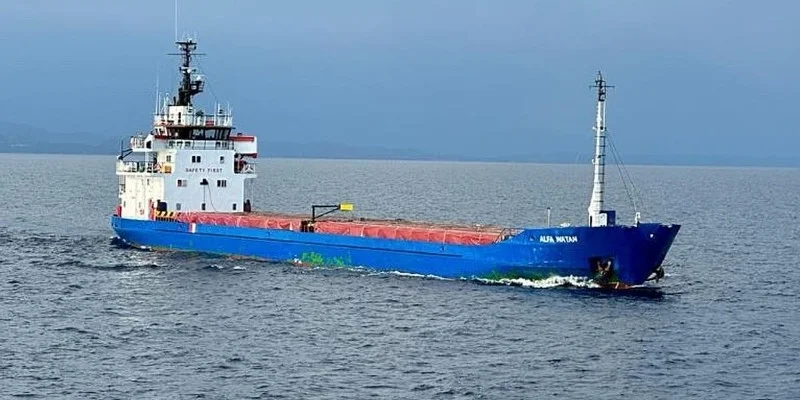
DUBAI (Terror Monitor) — Two commercial vessels, including a container ship and a dry bulk carrier, have sunk near the strategically important Strait of Hormuz following separate attacks, maritime authorities and shipping sources reported, highlighting growing risks to international shipping amid escalating tensions involving Iran and the United States.
The Singapore-flagged container ship GFS Pride sank after being struck by an unidentified projectile, sustaining damage and catching fire. In a separate incident, the Antigua and Barbuda-flagged bulk carrier Cape Dao also sank weeks after being struck by a projectile, according to maritime sources and reports by international news agencies.
The incidents come amid a sharp increase in attacks on commercial vessels around the Strait of Hormuz, one of the world's most important maritime routes for oil, gas and other goods.
Iran has intensified its military activities in the region amid its confrontation with the United States, including Washington's blockade of Iranian ports and restrictions on Iranian oil exports. The developments have heightened concerns over the safety of commercial shipping and the potential consequences for global energy markets.
GFS Pride Sinks After Catching Fire
The GFS Pride, a Singapore-flagged container ship, was struck by an unidentified projectile while transiting the Strait of Hormuz on October 13, according to Singapore's Maritime and Port Authority (MPA).
The vessel sustained damage and caught fire before eventually sinking.
The ship had a capacity of approximately 2,824 twenty-foot equivalent units (TEUs), making it a significant container carrier operating along the busy maritime route.
The MPA said all 21 crew members were safely evacuated and no injuries were reported.
In a statement issued on Wednesday, the authority expressed serious concern over continued attacks on commercial vessels navigating the strait, describing the incidents as unjustified and a breach of international law.
The authority said it was in contact with the vessels' management company and was monitoring the situation.
Cape Dao Sinks Weeks After Earlier Attack
In a separate incident, the Cape Dao, a dry bulk carrier sailing under the flag of Antigua and Barbuda, also sank after sustaining damage in an earlier projectile attack.
According to the International Maritime Organization (IMO), the vessel was struck on September 23, approximately 15 nautical miles northeast of Khasab, Oman.
One crew member was killed in the attack, while the remaining crew members were evacuated, according to maritime reports.
The ship's eventual sinking adds to concerns over the continuing dangers faced by merchant vessels operating near the Strait of Hormuz.
The IMO's incident records list the Cape Dao among commercial vessels damaged in the regional conflict and record one seafarer fatality in the September 23 incident.
The UAE-based ship management company, Pioneers Ship Management FZE, could not immediately be reached for comment, according to the information provided in initial reports.
Another Singapore-Registered Vessel Also Hit
Separately, Singapore's Maritime and Port Authority reported that another Singapore-registered container ship, the GFS Giselle, was struck by an unidentified projectile on October 14.
The vessel sustained hull damage but managed to reach a safe anchorage under its own power.
All 22 crew members were reported safe, with no injuries. No Singaporean nationals were aboard either the GFS Pride or the GFS Giselle, the authority said.
The incident involving the GFS Giselle underscores the continuing threat to commercial shipping in the area, even when damaged vessels remain capable of reaching safety.
Attacks Raise Concerns Over Global Trade
The latest incidents have intensified concerns about the security of the Strait of Hormuz, a critical maritime chokepoint connecting the Persian Gulf with the Gulf of Oman and the Arabian Sea.
The waterway is particularly important to international energy markets because a substantial share of global oil and liquefied natural gas shipments normally passes through it.
Repeated attacks on commercial vessels could disrupt shipping schedules, increase insurance premiums and raise transportation costs for energy and other commodities.
Shipping companies operating in the region must also contend with the possibility of further attacks, damage to vessels and risks to crew members.
The sinking of the GFS Pride and Cape Dao, alongside the damage sustained by other commercial vessels, illustrates the growing threat to maritime operations in and around the strait.
Singapore Condemns Attacks on Commercial Shipping
Singapore's Maritime and Port Authority said it was deeply concerned about continued attacks on commercial vessels transiting the Strait of Hormuz.
The authority stressed that actions affecting international shipping must comply with international law, including the United Nations Convention on the Law of the Sea, and must not endanger ships or seafarers.
The latest incidents have also drawn attention to the vulnerability of civilian merchant vessels during military confrontations, particularly when ships operating on international routes are exposed to attacks whose perpetrators have not been publicly identified.
Although maritime authorities have confirmed the vessel damage and sinking incidents, responsibility for the specific attacks on the GFS Pride and the Cape Dao has not been conclusively established in the cited official maritime records.
With tensions between Iran and the United States continuing, the security of the Strait of Hormuz remains a major concern for the international shipping industry, energy markets and governments dependent on uninterrupted maritime trade.
Related Articles
Saudi Arabia Intercepts Four Drones Over Riyadh and Other Regions as Egypt Offers to Defend Kingdom
Saudi Arabia said it intercepted and destroyed four drones over Riyadh, the Eastern Province and southern regions on Saturday amid continuing attacks attributed to Iran-backed Houthi rebels. Egyptian President Abdel Fattah al-Sisi said Cairo was ready to defend Saudi Arabia if requested, subject to parliamentary approval.

Germany Warns Europe Is in Iran’s Crosshairs, Vows to Counter Tehran’s Hostile Activities
German Foreign Minister Johann Wadephul warned that Europe is in Iran’s crosshairs following a court ruling that sentenced two men for plotting attacks against Jewish and pro-Israel figures on behalf of Iranian intelligence. He also warned of growing Russian threats and urged the European Union to maintain sanctions against Moscow.

Trump Rules Out Nuclear Strike on Iran, Cites Russia-China Disarmament Talks
US President Donald Trump has ruled out using nuclear weapons against Iran and said he does not foresee deploying American ground troops. In a Newsmax interview, he also revealed that Washington is discussing nuclear disarmament with Russia and China, predicting that Beijing could match US nuclear capabilities within five years.
Saudi Arabia Intercepts Six Aerial Threats as Houthi Attacks Escalate; Riyadh Golf Tournament Postponed
Saudi Arabia’s Saudi-led coalition says it has intercepted six aerial threats, including drones, cruise missiles and a ballistic missile, amid escalating Iranian-backed Houthi attacks. The PIF Saudi International golf tournament has been postponed indefinitely following a deadly attack on Riyadh’s international airport. Pakistan strongly condemned the attacks and reaffirmed its support for Saudi Arabia’s sovereignty and security.